Topic

Longevity

Lifespan, healthspan, biomarkers, and the medicine of aging.

Huberman Lab artwork
Huberman Lab

Jared Diamond on Leadership: Why Charisma Isn't Required

Charisma is optional for great leadership, biologist and historian Jared Diamond argues, pointing to the uncharismatic dictators Stalin and Pinochet as proof (00:26). Diamond, 89, applies a 'natural experiment' method from biology to politics, religion, business, and sports, showing only 2 of 22 modern political leaders stepped down voluntarily and that coaches and CEOs get too much credit or blame for outcomes that are mostly random (95:37).

October 19, 2026 · 6 min read

The Peter Attia Drive artwork
The Peter Attia Drive

Siddhartha Mukherjee on Cancer's New Science

Oncologist Siddhartha Mukherjee tells Peter Attia that cancer's old "bad luck" story is being replaced by a more precise one: inflammation acts as the trigger that wakes dormant, mutation-carrying "sleeper cells" into tumors, which reframes prevention, treatment, and how we think about aging itself.

October 19, 2026 · 6 min read

The Mel Robbins Podcast artwork
The Mel Robbins Podcast

5 Skin Habits From a Mayo Clinic Dermatologist

Mayo Clinic dermatologist Saranya Wyles argues skin is a check engine light for the whole body, not a beauty scorecard, and shares five pillars (sleep, diet, movement, stress, topicals) that measurably change how skin ages, from barrier recovery after sleep to facial volume loss on GLP-1 drugs.

October 19, 2026 · 6 min read

You Are Not Broken artwork
You Are Not Broken

Building Muscle in Midlife: Hormones Explained

Heavy resistance training, not cardio, rebuilds muscle lost in perimenopause, say physicians Kelly Casperson and Rebeccah Hertel. They cite data showing testosterone cuts hip fracture risk in women by about 50%, estrogen patches can help bone density well past age 60, and widely used lab ranges and 1990s-era studies understate hormone therapy's safety.

October 18, 2026 · 7 min read

The Dr. Gabrielle Lyon Show artwork
The Dr. Gabrielle Lyon Show

How Much Protein Do You Really Need?

The standard protein recommendation of 0.8 grams per kilogram prevents deficiency, not optimal health. Researchers at Protein Summit 3.0 debated a higher range, 1.1 to 1.6 grams per kilogram, for better metabolic outcomes, noting needs shift by age, activity, and health status (07:15).

October 15, 2026 · 6 min read

The Twenty Minute VC artwork
The Twenty Minute VC

Pro Rata Lawsuit: Valar Atomics vs Day One VC

Day One Ventures and Valar Atomics are fighting over pro rata rights in a $6 billion nuclear-startup round, exposing how waivers actually work in venture capital. The panel also covers Meta's new Muse Wonder model, NVIDIA's reported bid for Reflection, Jev's $870 million round, Anthropic's price cuts, and software's rising IPO bar.

October 15, 2026 · 7 min read

The Liz Moody Podcast artwork
The Liz Moody Podcast

Dr. Florence Camatte: GLP-1s and Longevity

Endocrinologist Florence Camatte says most age-related disease traces to one inherited flaw: poor glucose control. That is why she calls GLP-1 drugs like Mounjaro the antibiotics of this century, and why she recommends five blood tests, testosterone for women starting in their 30s, and trazodone over cold plunges for real longevity gains.

October 14, 2026 · 7 min read

The Dr. Gabrielle Lyon Show artwork
The Dr. Gabrielle Lyon Show

Is Anesthesia Safe? What Really Happens in the OR

Anesthesiologist Dr. Tiffany Moon says healthy patients face under 0.1% mortality risk from elective surgery, lower than the odds of a car crash (25:28, 25:56). The bigger variables are body fat, which changes how drugs distribute, and vital-sign stability during the procedure, not whether someone wakes up at all (05:09, 24:10).

October 13, 2026 · 8 min read

unPAUSED with Dr. Mary Claire Haver artwork
unPAUSED with Dr. Mary Claire Haver

Mark Cuban on the Estrogen Patch Shortage

Estrogen patch prescriptions have nearly tripled in two years, while specialty manufacturing requirements keep supply from catching up. Entrepreneur Mark Cuban explains how his Cost Plus Drugs company sells at a flat 15% markup, and how pharmacy benefit managers can push a brand drug's price from $300 to $600 through rebate demands.

October 13, 2026 · 6 min read

Sigma Nutrition artwork
Sigma Nutrition

How to Interpret Testosterone Test Results

A single testosterone number rarely settles the question of whether treatment will help. Physician Austin Baraki says free testosterone, symptom type, and the underlying cause of a low reading (often obesity, poor sleep, or alcohol) matter more than one blood draw, and a 4 to 6 month trial beats a lifelong commitment.

October 13, 2026 · 6 min read

We Can Do Hard Things artwork
We Can Do Hard Things

Dr. Rachel Rubin on Perimenopause Relief

Perimenopause can start around age 35 and run for a decade before periods stop, yet fewer than 6% of doctors are trained to treat it. Urologist Dr. Rachel Rubin explains why standard hormone tests mislead, debunks the 2002 Women's Health Initiative scare, and lays out a four-part hormone therapy toolbox, including cheap vaginal estrogen that cuts UTI hospitalizations by over half.

October 13, 2026 · 6 min read

Huberman Lab artwork
Huberman Lab

How Diet Affects Memory and the Hippocampus

USC neuroscientist Scott Kanoski says the hippocampus, the brain's memory hub, tracks recent meals via the vagus nerve to judge hunger and fullness. Sugar, heat-processed foods, and artificial sweeteners early in life can impair that memory system and its gut bacteria, while exercise and simple recall of a recent meal can help restore or harness it.

October 12, 2026 · 6 min read

BETTER! with Dr. Stephanie Estima artwork
BETTER! with Dr. Stephanie Estima

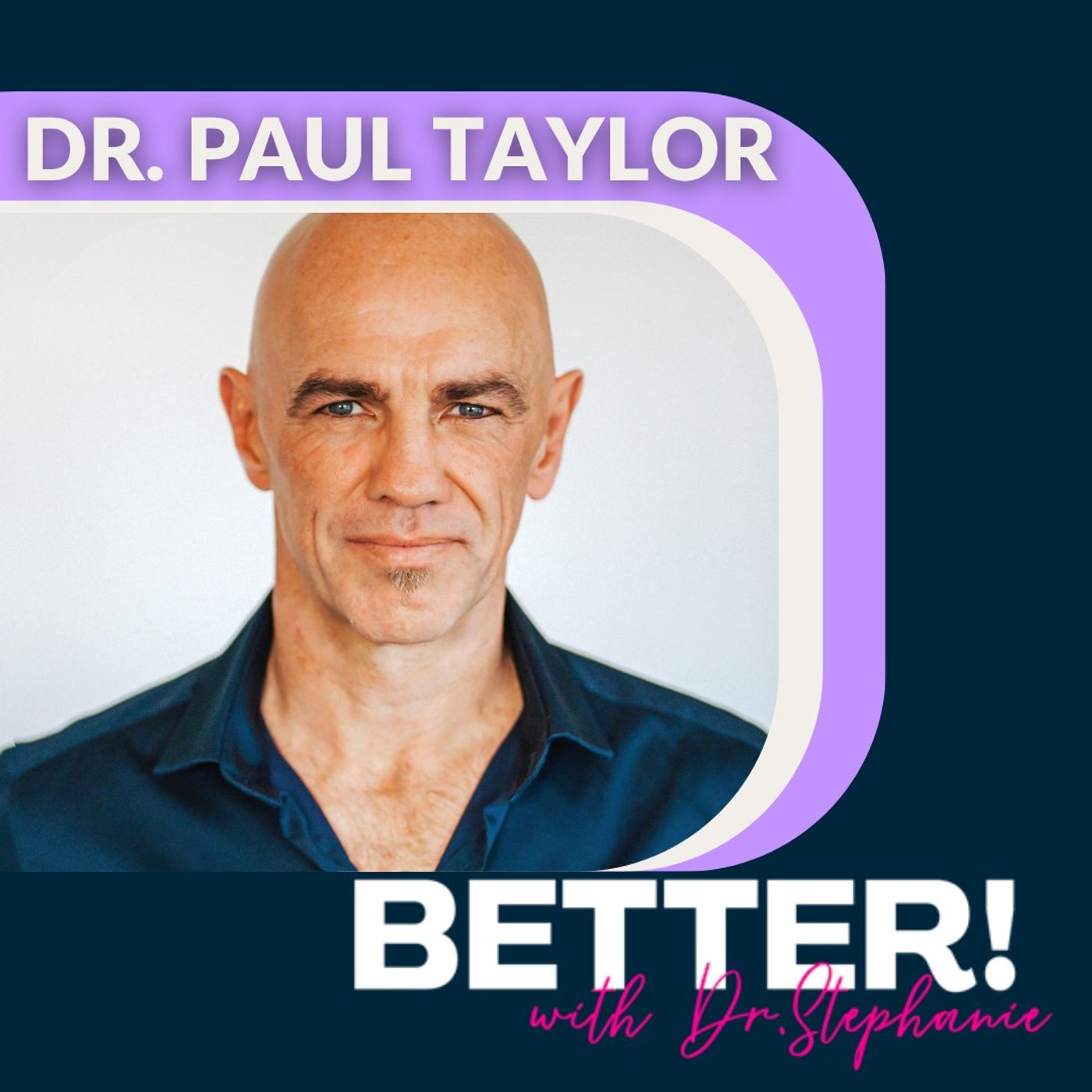
Muscle Power vs Strength for Longevity

Psychophysiologist Paul Taylor says muscle power, not size or strength, best predicts how long people live. He tells Dr. Stephanie Estima that myokines, signaling molecules released by contracting muscle, act like an internal pharmacy, and he gives dosing-style guidance on power training, protein, omega-3, and cold plunge limits.

October 12, 2026 · 7 min read

The Peter Attia Drive artwork
The Peter Attia Drive

Why Peter Attia Changed His Mind on Keto

Peter Attia now says keto works by curbing energy intake, not lowering insulin, while he still requires 1.4 g/kg of protein (09:42, 11:44). He also walks back his extended fasting protocol, once seven to ten days quarterly, after weighing autophagy evidence against the practical cost (12:36, 15:09).

October 12, 2026 · 6 min read

You Are Not Broken artwork
You Are Not Broken

Menopause Advocacy and Policy Reform Guide

Lawyer Jennifer Weiss-Wolf compares menopause advocacy to a choose-your-own-adventure book: everyone brings different skills. She traces today's momentum back to 1992's 'Year of the Woman' and the 2002 Women's Health Initiative backlash, and warns that US law still has no explicit protection against menopause discrimination at work (36:59), so she tells people to write to legislators and file FDA comments instead of venting online (17:49).

October 11, 2026 · 6 min read

unPAUSED with Dr. Mary Claire Haver artwork
unPAUSED with Dr. Mary Claire Haver

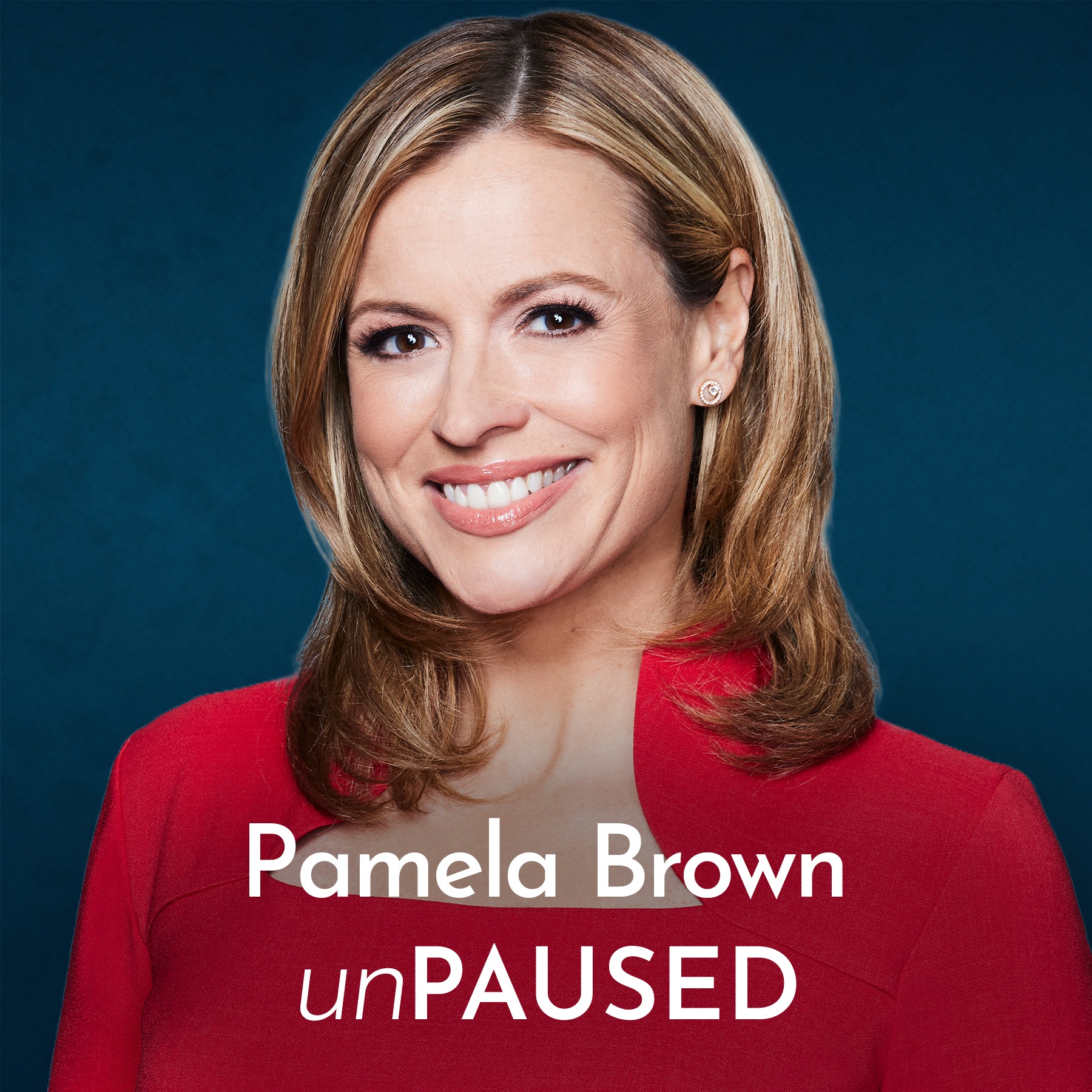
Postpartum OCD vs Psychosis: Key Differences

Postpartum OCD causes unwanted, intrusive thoughts about harming a baby, not a desire to act. CNN anchor Pamela Brown and OB-GYN Dr. Mary Claire Haver distinguish it from postpartum psychosis, a break from reality involving voices (42:59), and cover GLP-1 fertility effects, testosterone therapy, and vaginal estrogen's role preventing UTIs (35:52).

October 9, 2026 · 7 min read

Barbell Medicine artwork
Barbell Medicine

How Much Lifting Is Enough for Health?

Public health guidelines recommend lifting twice a week, but the study behind that number found three days worked better. Jordan Feigenbaum argues lifting doesn't hurt the heart, carries lower injury risk than running, and shows no real ceiling for strength, bone density, or metabolic benefits, so most people should train roughly double the current guideline.

October 8, 2026 · 6 min read

The Dr. Gabrielle Lyon Show artwork
The Dr. Gabrielle Lyon Show

Hormones and Attraction: What the Science Shows

Hormones shape attraction traits mostly during puberty, not day to day. A masculine face doesn't reveal current testosterone, and the ovulatory-shift theory, that women prefer masculine men mainly near ovulation, lacks support. Perceived physical strength explains 70% of women's attractiveness ratings for men's bodies, making muscle, unlike facial bone structure, the one hormone-built trait people can still train.

October 8, 2026 · 7 min read

Huberman Lab artwork
Huberman Lab

Elissa Epel's Guide to Stress and Resilience

Psychologist Elissa Epel says stress is simply when demands exceed our resources, and most modern stress comes from our own thoughts. She shows how a challenge mindset, radical acceptance, and small daily practices like 'dropping the rope' change inflammation, telomere length, and mitochondrial energy output measurably.

October 8, 2026 · 6 min read

The Mel Robbins Podcast artwork
The Mel Robbins Podcast

Male Hormone Health: A Stanford Doctor's Guide

Stanford urologist Michael Eisenberg says male hormone health is a window into long-term health, not just sex or fertility. He covers testosterone's normal range, the lifestyle habits that raise or lower it, erectile dysfunction treatments, and why global sperm counts keep falling, with evidence that an active sex life and a steady partner both predict a longer life.

October 8, 2026 · 6 min read

FoundMyFitness artwork
FoundMyFitness

Blueberries for Brain and Vascular Health

Blueberries measurably improve artery function and may slow cognitive aging by roughly 1.5 to 2.5 years, with benefits appearing most reliably at about one cup a day. Effects look strongest for vascular health, more mixed for blood sugar, and vulnerable to a surprising kitchen variable: blending with ripe banana.

October 1, 2026 · 6 min read

The Dr. Gabrielle Lyon Show artwork
The Dr. Gabrielle Lyon Show

JJ Thomas's Primal Physical Therapy Guide

Physical therapist JJ Thomas argues that pain is an alarm pointing to a movement problem elsewhere in the body, not proof that the hurting spot is broken. She treats patients with seven foundational movements (squat, hinge, push, pull, carry, reach, rotate) and dry needling at sites far from the pain, arguing most overuse injuries are really underuse injuries of neighboring muscles.

October 6, 2026 · 6 min read

unPAUSED with Dr. Mary Claire Haver artwork
unPAUSED with Dr. Mary Claire Haver

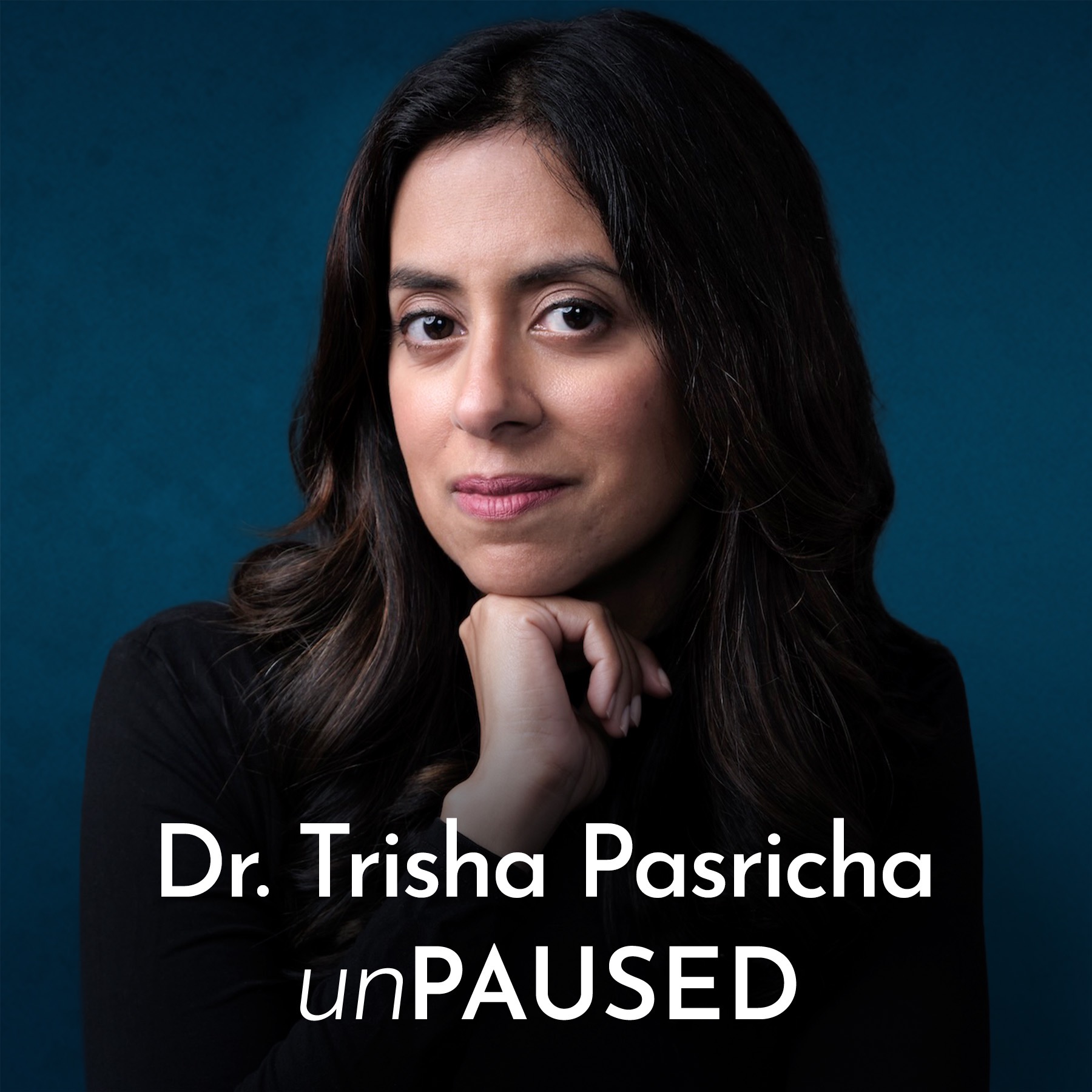
How Menopause Affects Gut Health and Bloating

Menopause changes gut health because falling estrogen slows motility, raises pain sensitivity, and shifts the microbiome's estrobolome. Harvard gastroenterologist Trisha Pasricha explains why bloating, IBS, and fecal incontinence rise after menopause, and lays out fiber, screening, and bidet protocols that actually help.

October 6, 2026 · 7 min read

Sigma Nutrition artwork
Sigma Nutrition

Body Composition Testing: DEXA vs BIA Accuracy

No device on the market actually measures body fat; every scale, scan, or pod only estimates it from indirect signals, and a method proven accurate for a group can still mislead an individual user. Texas Tech professor Grant Tinsley explains why standardizing tests, tracking one device over time, and treating small percentage swings as noise matter more than any single number (12:49, 38:24).

October 6, 2026 · 7 min read

We Can Do Hard Things artwork
We Can Do Hard Things

Breast Density and Mammogram Blind Spots Explained

Breast surgeon Lucy de la Cruz explains how dense breast tissue hides cancer from mammograms and what surgical choices patients are rarely offered. Georgetown University Hospital's de la Cruz covers density categories, lumpectomy versus mastectomy recurrence odds, direct-to-implant reconstruction, and nerve grafts that restore nipple sensation within one to two years.

October 6, 2026 · 6 min read

Huberman Lab artwork
Huberman Lab

Beth Shapiro on De-Extinction and Gene Editing

Evolutionary biologist Beth Shapiro explains why species are human categories and why dinosaur DNA cannot survive 66 million years. She describes how Colossal Biosciences engineered a dire wolf with 20 gene edits to a gray wolf genome, revived black-footed ferret genetics through cloning, and weighed the ethics of editing human embryos.

October 5, 2026 · 7 min read

BETTER! with Dr. Stephanie Estima artwork
BETTER! with Dr. Stephanie Estima

ADHD in Perimenopause: Why Symptoms Intensify

Dr. Jolene Brighten says ADHD in women often surfaces in perimenopause, when falling estrogen stops masking lifelong symptoms. Estrogen supports dopamine and acetylcholine, so its decline during the luteal phase and perimenopause worsens executive function, mood, and focus, explaining why many women are diagnosed only in their 30s and 40s.

October 5, 2026 · 6 min read

The Peter Attia Drive artwork
The Peter Attia Drive

Preeclampsia and Long-Term Heart Risk Explained

Pregnancy stresses the heart, kidneys, and metabolism so hard that its complications predict a woman's cardiovascular and diabetes risk decades later. Maternal-fetal medicine specialist Kathryn Gray explains how plasma volume surges 50%, how preeclampsia's placental biology works, and why half of gestational diabetes cases become type 2 diabetes.

October 5, 2026 · 7 min read

unPAUSED with Dr. Mary Claire Haver artwork
unPAUSED with Dr. Mary Claire Haver

Menopause Skin Changes: What Actually Helps

Dermatologist Erica Kelly tells Dr. Mary Claire Haver that menopausal skin needs lighter Botox doses, daily sunscreen, and realistic expectations for collagen and hair treatments. Hormone therapy may preserve skin firmness for decades, oral minoxidil treats hair loss but causes a two-month shed, and vaginal moisturizers differ from lubricants.

October 2, 2026 · 6 min read

Barbell Medicine artwork
Barbell Medicine

Why Lifting Heavy Was Called Dangerous

In 1985 a panel of obstetricians banned pregnant women from raising their heart rate past 140 beats per minute, a number invented by consensus, not data (00:01). The same pattern, rules built on vibes rather than evidence, shaped a century of bans on heavy lifting for women, children, and anyone squatting below parallel, until later studies quietly reversed nearly all of them.

October 2, 2026 · 7 min read

The Dr. Gabrielle Lyon Show artwork
The Dr. Gabrielle Lyon Show

Building Muscle in Menopause: What Studies Show

No, it is not too late: postmenopausal women gained up to eight pounds of muscle in 12 weeks of structured lifting. Hormone therapy does not build muscle on its own, but it can amplify gains from resistance training, and the protein target for bone and muscle protection is roughly double the standard RDA.

October 1, 2026 · 7 min read

Perform with Dr. Andy Galpin artwork
Perform with Dr. Andy Galpin

Testosterone Explained: Low T, TRT, and Muscle Myths

Low testosterone is usually a symptom, not the disease itself: obesity, poor sleep, extreme dieting, or a blocked vein cause most cases, not age alone (76:08, 95:06). Two PhDs argue for finding the cause before reaching for a syringe, and for treating any hormone therapy with real informed consent.

September 30, 2026 · 7 min read

The Liz Moody Podcast artwork
The Liz Moody Podcast

Kelly McGonigal on the Real Science of Joy

Stanford health psychologist Kelly McGonigal says joy is a biological capacity to feel uplifted, not a reward for a perfect life. A meta-analysis of 93 studies and over 1 million people links joy to five to eight extra years of life, and she says cynicism, not busyness, is the biggest barrier to feeling it.

September 30, 2026 · 7 min read

The Dr. Gabrielle Lyon Show artwork
The Dr. Gabrielle Lyon Show

Surgical Prehabilitation Protocol Guide

Prehabilitation, the practice of preparing the body before surgery instead of only recovering after it, can measurably change outcomes. Duke University surgeon Rebecca Knackstedt recommends 2 grams of protein per kilogram of body weight daily (34:26), a vitamin D level near 70 ng/mL (25:47), targeted muscle training, and five days of immunonutrition before major operations (69:01) to cut complications and speed healing.

September 29, 2026 · 7 min read

unPAUSED with Dr. Mary Claire Haver artwork
unPAUSED with Dr. Mary Claire Haver

Menopause Skin Changes: Causes and Fixes

Menopause triggers a 30% collagen loss in skin within five years, driven by falling estrogen and steady testosterone levels. Dermatologist Erica Kelly explains the barrier breakdown behind dryness and jawline acne, and recommends sunscreen and retinoids as the best-evidenced treatments, with topical estriol and spironolactone for targeted fixes.

September 29, 2026 · 7 min read

BETTER! with Dr. Stephanie Estima artwork
BETTER! with Dr. Stephanie Estima

Strength Training for Hypermobility, Done Safely

Hypermobile joints move past normal range because ligaments are too loose, so strength training, not stretching, is the primary fix. Dr. Stephanie Estima recommends training within 80% of available range of motion, using slow eccentrics and isometric holds, plus adequate protein and vitamin C to support connective tissue repair.

September 28, 2026 · 8 min read

The Peter Attia Drive artwork
The Peter Attia Drive

Lloyd Klickstein on How New Drugs Get Made

Physician-scientist Lloyd Klickstein maps the full arc of drug development, from spotting an unmet need to FDA approval, using the muscle drug bimagrumab as his case study. Paired with semaglutide, it cut body fat by 45.7% over 72 weeks (125:28), rivaling bariatric surgery, while exposing the economics of patents, manufacturing, and phase one risk.

September 28, 2026 · 7 min read

The Dr. Gabrielle Lyon Show artwork
The Dr. Gabrielle Lyon Show

ED as an Early Predictor of Heart Attack Risk

Erectile dysfunction predicts a future heart attack better than chest pain does, especially in younger men (11:11). Urologist Tobias Kohler describes two cheap early-warning tests, a coronary calcium scan and a Mayo Clinic ceramide blood test, plus the cardiac damage caused by high-dose testosterone abuse (12:49, 44:55).

September 22, 2026 · 6 min read

You Are Not Broken artwork
You Are Not Broken

Vaginal Estrogen for UTI Prevention

Urologist Dr. Kelly Casperson explains that genitourinary syndrome of menopause (GSM) affects 50% to 90% of postmenopausal women. Vaginal estrogen cuts recurrent urinary tract infections by half, lowers hospitalization and death risk, and is safe for most breast cancer survivors, yet only 9% of women diagnosed with GSM get a prescription.

September 20, 2026 · 7 min read

unPAUSED with Dr. Mary Claire Haver artwork
unPAUSED with Dr. Mary Claire Haver

Gabrielle Lyon: Muscle Is the Longevity Organ

Dr. Gabrielle Lyon argues that skeletal muscle, not body fat, is the organ that determines how well women age. She explains that muscle drives glucose disposal, releases hormone-like myokines, and needs at least 100 grams of daily protein plus resistance training to stay healthy after midlife.

September 22, 2026 · 6 min read

unPAUSED with Dr. Mary Claire Haver artwork
unPAUSED with Dr. Mary Claire Haver

Protein Needs for Muscle in Menopause: Dr. Lyon's Guide

Dr. Gabrielle Lyon says women need 30 to 50 grams of protein in their first meal after an overnight fast to switch on muscle building. She explains why aging muscle grows resistant to protein and exercise, why resistance training beats hormone therapy for long-term independence, and why suppressing mTOR is the wrong longevity strategy.

September 25, 2026 · 7 min read

The Dr. Gabrielle Lyon Show artwork
The Dr. Gabrielle Lyon Show

Menopause, Muscle Loss, and Insulin Resistance

Menopause changes the body mainly by shrinking muscle, not just by crashing hormones. Dr. Gabrielle Lyon argues that muscle loss, which starts speeding up about two years before a woman's final period, drives the insulin resistance, bone loss, and fat gain often blamed on menopause alone, and that resistance training and higher protein intake are the direct countermeasures.

September 24, 2026 · 7 min read

BETTER! with Dr. Stephanie Estima artwork
BETTER! with Dr. Stephanie Estima

Katy Bowman: Movement as Nutrition, Not Exercise

Biomechanist Katy Bowman argues movement is a nutrient the body requires daily, not a scheduled workout, and that modern convenience saves movement rather than time. She maps a movement pyramid from floor-sitting to sprinting, links bone strength to changing direction, and traces midlife foot pain to decades of repeated gait patterns.

September 21, 2026 · 6 min read

Barbell Medicine artwork
Barbell Medicine

Is Training Safe in Wildfire Smoke?

Exercise still protects health during wildfire smoke, and lifting is safer than cardio because it barely raises breathing rate. Training right at failure isn't required for muscle growth either, since easier sets and even indirect fractional sets still add measurable stimulus, so individual response matters more than hitting an exact rep-in-reserve number.

September 24, 2026 · 6 min read

Huberman Lab artwork
Huberman Lab

Andy Galpin's Strength and Hypertrophy Protocols

Strength and muscle size are not the same adaptation: size can grow without strength, and power fades fastest with age. Kinesiologist Andy Galpin lays out concrete numbers, a 3-to-5 strength template, and a 10-to-25 weekly set range for hypertrophy that adapts to real-life chaos (11:30, 32:15).

September 24, 2026 · 7 min read

The Peter Attia Drive artwork
The Peter Attia Drive

Peter Attia on Thyroid Health: Diagnosis and Risks

Peter Attia says thyroid problems are hard to diagnose because T4, the hormone the gland secretes, is inactive until tissues convert it locally into T3. TSH only shows how hard the gland is being told to work, not what's happening inside organs, so both under-treating real disease and over-treating borderline labs, common in functional medicine, cause real harm.

September 21, 2026 · 7 min read

The Tim Ferriss Show artwork
The Tim Ferriss Show

How Australia Legalized Psychedelic Therapy

Australia became the first country to let doctors prescribe MDMA and psilocybin for PTSD and depression, after a five-year campaign led by two entrepreneurs with no medical background. Tania de Jong and her husband built an advisory panel, trained 750 clinicians, and drove 13,000 public submissions, pushing the regulator to reclassify both drugs in February 2023.

September 18, 2026 · 7 min read

Huberman Lab artwork
Huberman Lab

Andy Galpin's 9 Fitness Benchmarks to Self-Test

Exercise scientist Andy Galpin breaks fitness into nine measurable adaptations, from movement skill to long-duration endurance, each with a home-testable benchmark. The takeaway: a broad jump, a dead hang, and a 12-minute run tell you more about your health trajectory than a single cardio number ever could (02:32).

September 17, 2026 · 7 min read

Perform with Dr. Andy Galpin artwork
Perform with Dr. Andy Galpin

Dr. John Rusin's 6-Phase Dynamic Warmup Explained

Physical therapist and performance coach Dr. John Rusin lays out a diagnostic and warmup system for training around chronic pain without surgery or years off. His six-phase, 10 to 12 minute daily sequence (24:02) turns soft tissue work, stretching, and activation drills into deliberate, measurable steps rather than vague pre-workout ritual.

September 16, 2026 · 7 min read

Sigma Nutrition artwork
Sigma Nutrition

BPC-157 Safety and Clinical Evidence Explained

BPC-157 and similar peptide medications have almost no published human safety data, and most are sold as unregulated 'research chemicals.' Dr. Jordan Feigenbaum, founder of Barbell Medicine, explains the evidence gap, sourcing risks between research-grade chemicals and compounding pharmacies, and why pharmaceutical companies abandoned these compounds despite viral anecdotal enthusiasm.

September 15, 2026 · 7 min read

The Peter Attia Drive artwork
The Peter Attia Drive

Obeticholic Acid for Heart Disease and Alzheimer's

Cardiologist Michael Davidson argues heart disease and Alzheimer's share a root cause: cholesterol mismanaged over decades, not years. His new CETP-inhibitor drug, obeticholic acid, cuts LDL by up to 50%, raises HDL 150%, and shows early signals of slowing Alzheimer's biomarkers in ApoE4 carriers (68:43).

September 14, 2026 · 7 min read

Huberman Lab artwork
Huberman Lab

Oded Rechavi: How Memories Pass Across Generations

Neurobiologist Oded Rechavi explains why eye color is inherited but a parent's knowledge is not, then shows the exception: in roundworms, small RNA molecules carry viral immunity and even brain-driven behavior across three generations, hinting at a physical, if limited, channel for inherited experience.

September 10, 2026 · 8 min read

Invest Like the Best artwork
Invest Like the Best

Walter Russell Mead on How America Keeps Winning

Historian Walter Russell Mead argues American state power is thriving even as the postwar world order it built is collapsing. He traces a 300-year maritime playbook from the Dutch Republic through Britain to the US, then applies it to Trump, drones in Ukraine, India's rise, and AI-driven deterrence.

September 8, 2026 · 7 min read

Sigma Nutrition artwork
Sigma Nutrition

Health Benefits of Fish vs Plant Protein

Fish shows up in nearly every national dietary guideline at roughly two servings a week, and the evidence behind that number holds up, but newer research shows the benefit depends heavily on what fish replaces and which population is eating it, and fish itself is not biologically required for good health.

September 8, 2026 · 7 min read

Huberman Lab artwork
Huberman Lab

How Mitochondria Control Metabolism: Jared Rutter

Biochemist Jared Rutter explains that every cell's mitochondria choose between burning fuel for energy or building biomass, and that choice can go wrong. When heart cells lose the mitochondrial pyruvate carrier, they build instead of burn, grow enlarged, and fail; cancer cells make the same choice on purpose, fueling uncontrolled growth.

September 7, 2026 · 6 min read

The Peter Attia Drive artwork
The Peter Attia Drive

Peter Attia's Blood Pressure Protocol Explained

High blood pressure above 120/80 doubles cardiovascular death risk with each 20 mmHg rise in systolic pressure, physician Peter Attia explains. He breaks down what the SPRINT and STEP trials proved about aggressive treatment, how to measure blood pressure correctly at home, and why weight loss, exercise, sleep, and sodium timing can lower it as much as medication.

September 7, 2026 · 7 min read

Barbell Medicine artwork
Barbell Medicine

Is Obesity Really a Muscle Disease?

Obesity is not simply a muscle shortage: lean mass on a DEXA scan predicts no falls, fractures, or death in 18,800 older adults (21:44). Barbell Medicine host Dr. Jordan Feigenbaum argues the real damage comes from where fat lands, what molecular form it takes, and how fast it moves, drawing on GLUT4 transporter mechanics and GLP-1 trial data.

September 4, 2026 · 6 min read

The Peter Attia Drive artwork
The Peter Attia Drive

Peter Attia on Liver Health and Metabolic Disease

Metabolic fatty liver disease now affects over 38% of adults worldwide, and physician Peter Attia frames the liver as a mirror of whole-body metabolic health. The disease moves through four stages, from metabolic stress to steatosis, steatohepatitis, and fibrosis, and the first three stages are largely reversible through weight loss, muscle gain, and cutting alcohol and liquid sugar calories.

August 24, 2026 · 7 min read

All-In Podcast artwork
All-In Podcast

Nvidia's $60B Quarter and What It Means

Nvidia posted $60 billion in quarterly profit, the largest ever recorded by a public company (09:38). Salesforce rallied on its Anthropic deal, US Treasury yields near 5.3% point to a fiscal squeeze requiring $10 trillion in refinancing (38:48), and Moderna's mRNA cancer therapy, built on decades of public research, now costs $500,000 per patient (88:56).

August 29, 2026 · 6 min read

Sigma Nutrition artwork
Sigma Nutrition

How Wellness Culture Commodifies Science

Exercise physiologist Nick Tiller argues that wellness marketing borrows the language of science while discarding its standards, turning genuine findings, like vitamin D's role in immunity, into inflated, unverifiable claims. He traces the damage upstream too: low statistical power, publication bias, and admitted data manipulation in exercise science feed the misinformation industry that influencers later sell.

September 1, 2026 · 7 min read

FoundMyFitness artwork
FoundMyFitness

Richard Davidson's Meditation Neuroscience

Neuroscientist Richard Davidson says wellbeing is a trainable skill, not a fixed trait. He organizes this into four pillars (awareness, connection, insight, purpose) and shows five minutes of daily meditation for 28 days lowers IL-6, an inflammation marker, and shifts gut microbiome pathways; purpose best predicts longevity after age 70.

August 24, 2026 · 7 min read

FoundMyFitness artwork
FoundMyFitness

Derya Unutmaz: How AI Could Extend Human Lifespan

Immunologist Derya Unutmaz says AI could help medicine reach longevity escape velocity within 8 to 10 years (09:13), the point where treatments add more than a year of life per year. He describes reasoning models that outperform average doctors at diagnosis (49:20), predict disease years early (79:14), and could build personalized digital twins for testing treatments before humans take them.

July 19, 2026 · 8 min read

Barbell Medicine artwork
Barbell Medicine

Personal Fat Threshold Theory Explained

The personal fat threshold theory says obesity begins when a person's fat cells run out of storage room, not at any fixed weight or BMI. Once storage fills up, fatty acids leak into the liver, muscle, and pancreas, causing insulin resistance. Removing fat surgically does not reverse this; restoring storage capacity does.

August 20, 2026 · 8 min read

Barbell Medicine artwork
Barbell Medicine

Who Needs Testosterone Replacement Therapy?

Barbell Medicine physicians Jordan Feigenbaum and Austin Baraki say testosterone therapy in the US is both overprescribed and underprescribed. They point to a 45-man Sydney trial where raising testosterone from 310 to 510 ng/dL did not beat placebo, and to the Traverse trial's reassuring two-year heart-safety data.

August 27, 2026 · 8 min read

Hidden Brain artwork
Hidden Brain

Benefits of Art for Brain Health, Explained

Regular arts engagement cuts depression risk in half over ten years and leaves brains measuring five to seven years younger than actual age, UCL research shows. Psychobiologist Daisy Fancourt's cohort studies tie the effect to dopamine, emotional distance from difficult art, and cognitive reserve, holding even with 10 to 20 minutes of daily practice.

August 24, 2026 · 7 min read