
BETTER! with Dr. Stephanie Estima artwork
Science + Longevity

BETTER! with Dr. Stephanie Estima

Perimenopause, strength, and body composition

BETTER! with Dr. Stephanie Estima artwork

CBT for Emotional Eating and Body Image

Clinical psychologist Dr. Rachel Goldman explains how to tell physical hunger from emotional eating, and why labeling food 'good' or 'bad' quietly wrecks self-worth. She offers concrete CBT tools: name the feeling, wait ten minutes, plate the food, sit down, and treat a raisin like it deserves your full attention.
November 9, 2026 · 7 min read

BETTER! with Dr. Stephanie Estima artwork

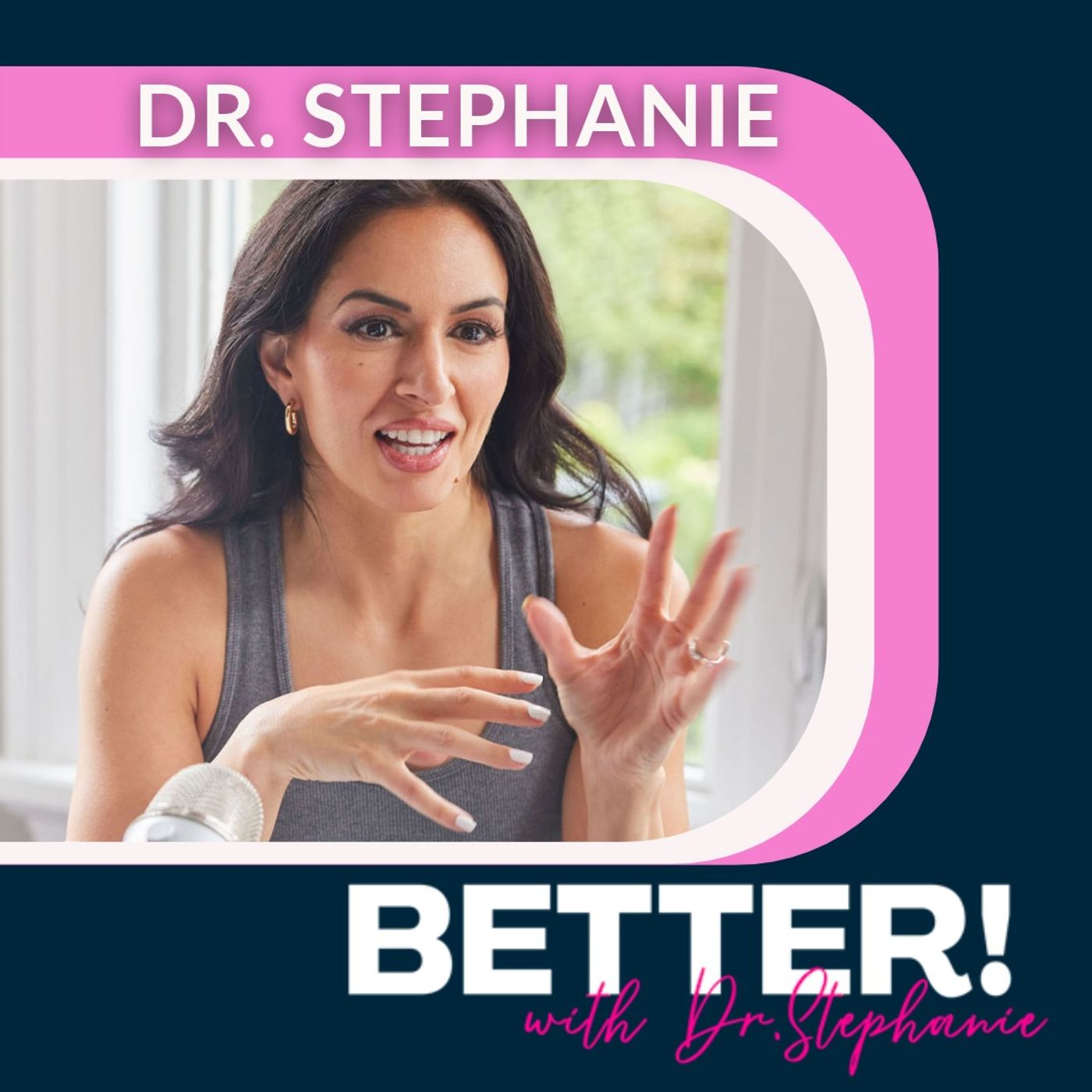
Joint Health in Menopause: Train, Don't Avoid

Cartilage is not a tire with a fixed tread, it's a sponge fed by movement, says Dr. Stephanie Estima. Joint cartilage has no blood supply, so compression and release during movement pump nutrients in and waste out. She argues declining estrogen drives what researchers now call Musculoskeletal Syndrome of Menopause, and that strength training, done without ego, protects joints better than avoidance or stretching alone.

November 2, 2026 · 6 min read

BETTER! with Dr. Stephanie Estima artwork

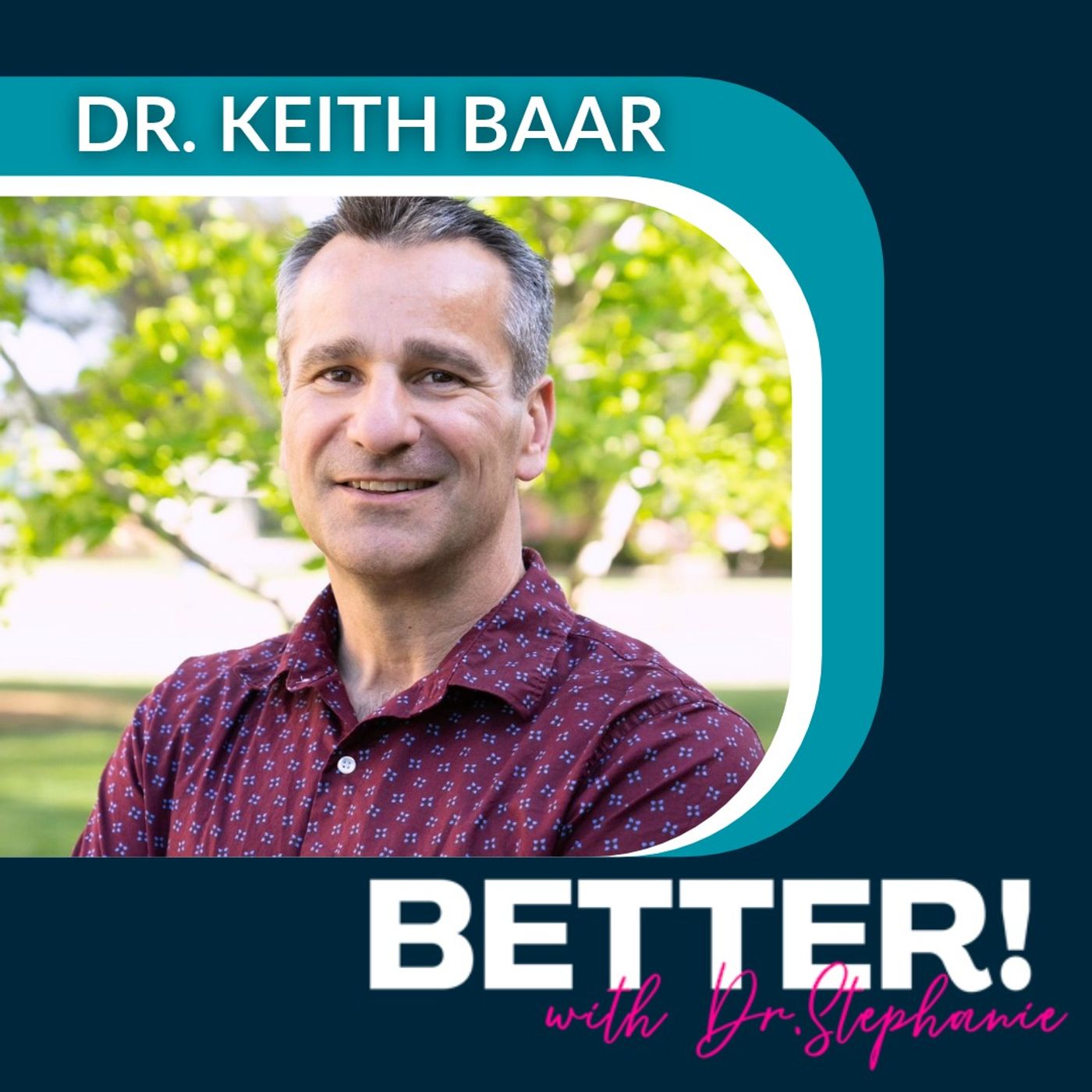
Keith Baar's Tendon Isometric Protocol Explained

Tendons stop responding to exercise after about 10 minutes and need six to eight hours before another session helps. Physiologist Keith Baar's fix is the 3LD isometric: a 30-second, low-load hold that lets the tendon 'creep' and spread tension evenly, replacing both heavy lifting and the outdated RICE protocol for injury recovery.

October 26, 2026 · 7 min read

BETTER! with Dr. Stephanie Estima artwork

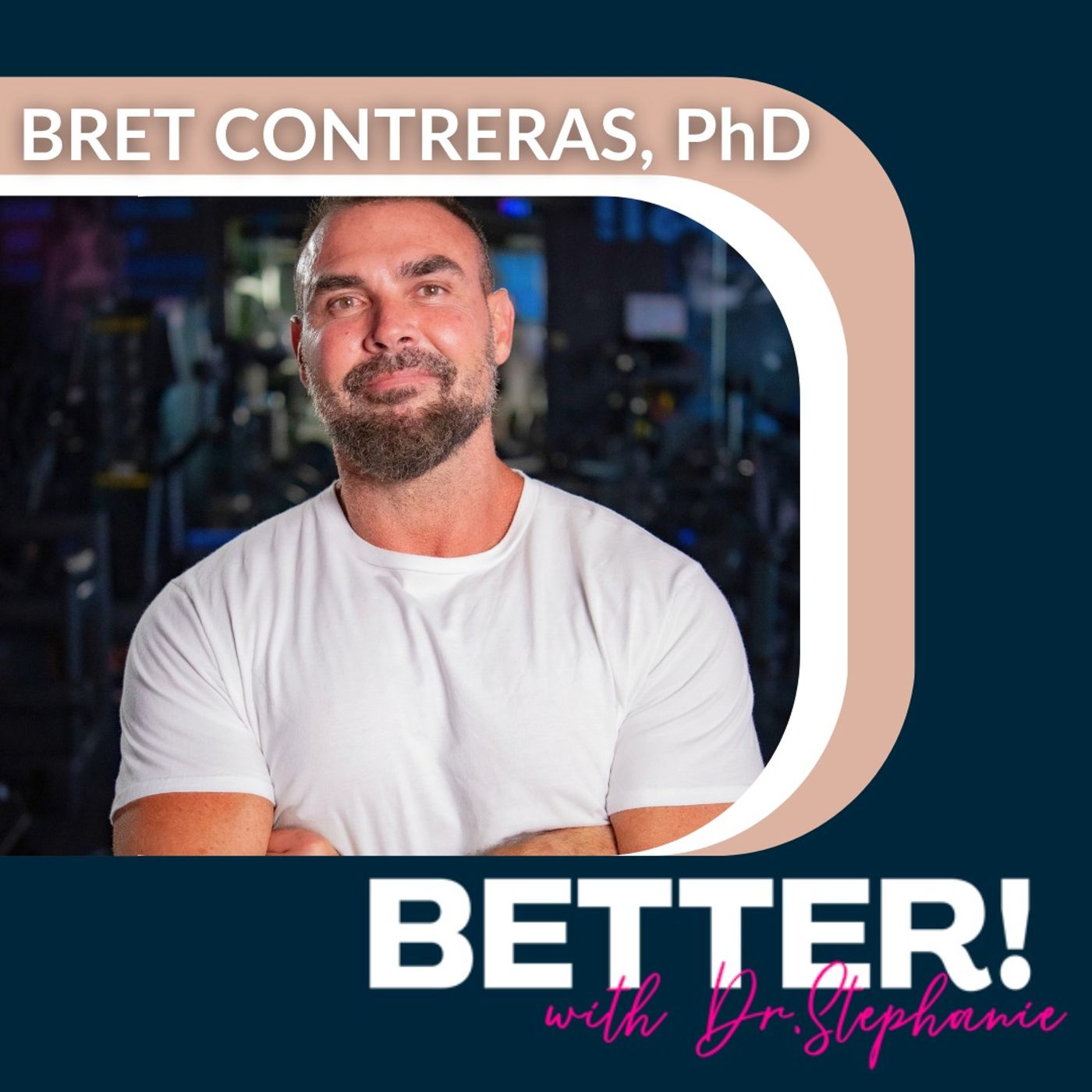
How to Build Glutes Without Growing Legs

Hip dips are permanent anatomy, not a fitness failure, says glute researcher and hip thrust inventor Bret Contreras. He explains why horizontal moves like hip thrusts and kickbacks are gentler on joints than squats, how women recover faster than men, and how a five-month training rotation builds glutes while sparing the legs.

October 19, 2026 · 6 min read

BETTER! with Dr. Stephanie Estima artwork

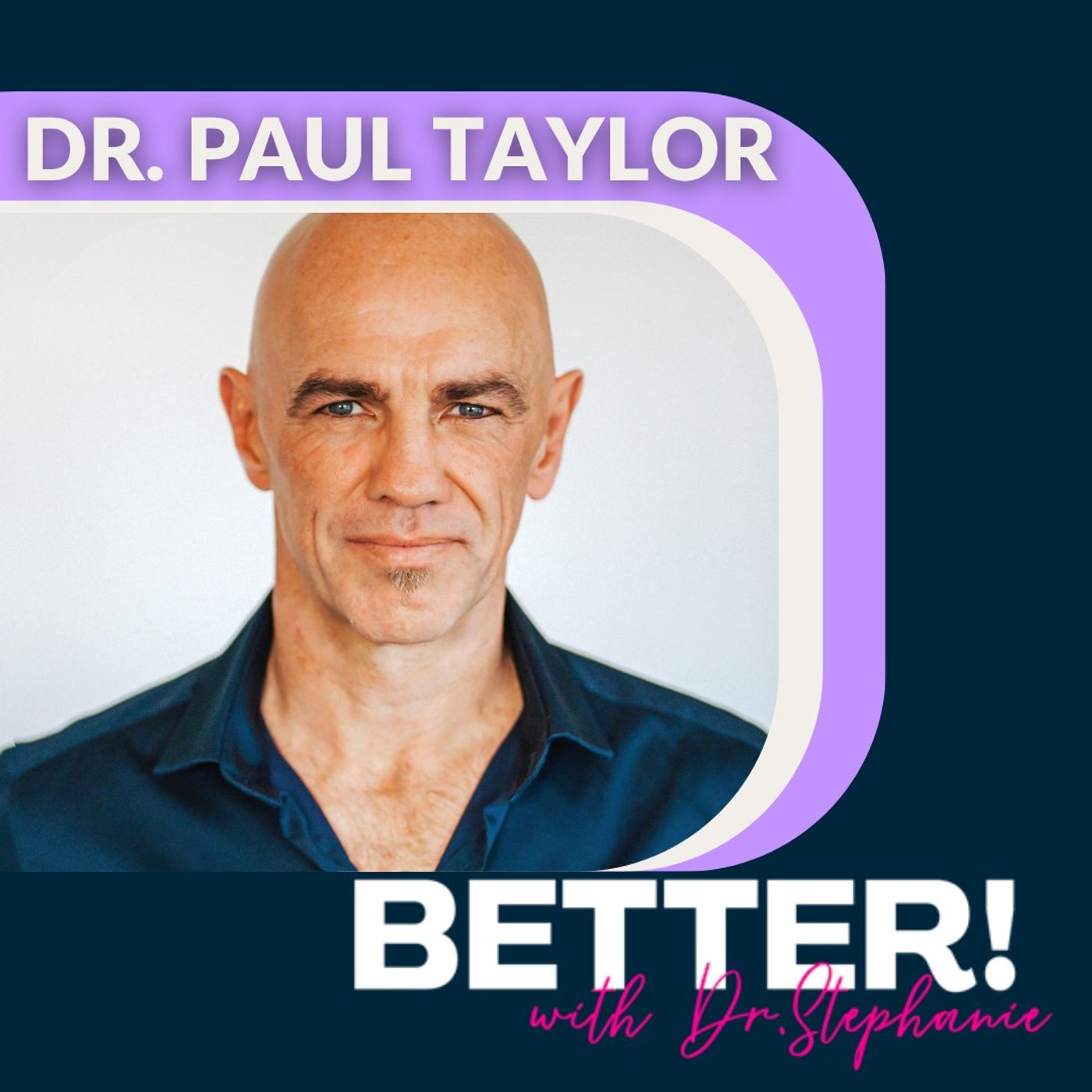
Muscle Power vs Strength for Longevity

Psychophysiologist Paul Taylor says muscle power, not size or strength, best predicts how long people live. He tells Dr. Stephanie Estima that myokines, signaling molecules released by contracting muscle, act like an internal pharmacy, and he gives dosing-style guidance on power training, protein, omega-3, and cold plunge limits.

October 12, 2026 · 7 min read

BETTER! with Dr. Stephanie Estima artwork

ADHD in Perimenopause: Why Symptoms Intensify

Dr. Jolene Brighten says ADHD in women often surfaces in perimenopause, when falling estrogen stops masking lifelong symptoms. Estrogen supports dopamine and acetylcholine, so its decline during the luteal phase and perimenopause worsens executive function, mood, and focus, explaining why many women are diagnosed only in their 30s and 40s.

October 5, 2026 · 6 min read

BETTER! with Dr. Stephanie Estima artwork

Strength Training for Hypermobility, Done Safely

Hypermobile joints move past normal range because ligaments are too loose, so strength training, not stretching, is the primary fix. Dr. Stephanie Estima recommends training within 80% of available range of motion, using slow eccentrics and isometric holds, plus adequate protein and vitamin C to support connective tissue repair.

September 28, 2026 · 8 min read

BETTER! with Dr. Stephanie Estima artwork

Physiology of Grief and Heart Attack Risk

Grief is not just an emotion, it is a measurable physiological event: a 21-times spike in heart attack risk in the first 24 hours after a loss, elevated cortisol for months, and a brain that keeps treating the dead as still out there somewhere.

September 14, 2026 · 7 min read

BETTER! with Dr. Stephanie Estima artwork

Katy Bowman: Movement as Nutrition, Not Exercise

Biomechanist Katy Bowman argues movement is a nutrient the body requires daily, not a scheduled workout, and that modern convenience saves movement rather than time. She maps a movement pyramid from floor-sitting to sprinting, links bone strength to changing direction, and traces midlife foot pain to decades of repeated gait patterns.

September 21, 2026 · 6 min read

More shows in Science + Longevity