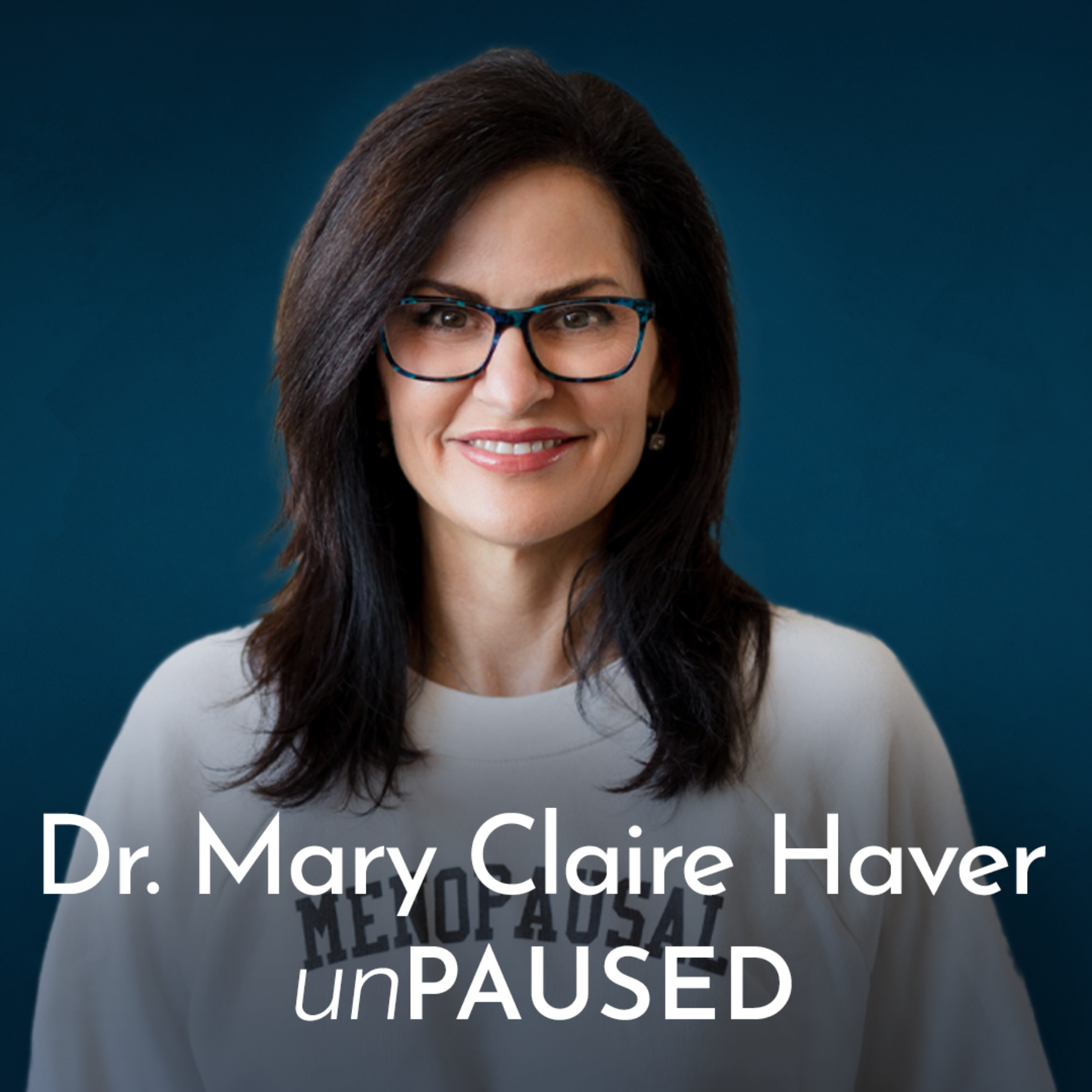
unPAUSED with Dr. Mary Claire Haver artwork
Science + Longevity

unPAUSED with Dr. Mary Claire Haver

Menopause, hormones, and thriving in midlife

unPAUSED with Dr. Mary Claire Haver artwork

GSM Treatment: Vaginal Estrogen Explained

Genitourinary syndrome of menopause (GSM) affects 50 to 80% of postmenopausal women but only 7% of those diagnosed are prescribed its safest fix, vaginal estrogen (37:09, 11:00). The FDA dropped a 27-year boxed warning on low-dose vaginal estrogen in November 2025, and OB-GYN Dr. Mary Claire Haver says the condition is cheap and almost always treatable.
November 3, 2026 · 7 min read

unPAUSED with Dr. Mary Claire Haver artwork

Dense Breasts and Real Breast Cancer Risk

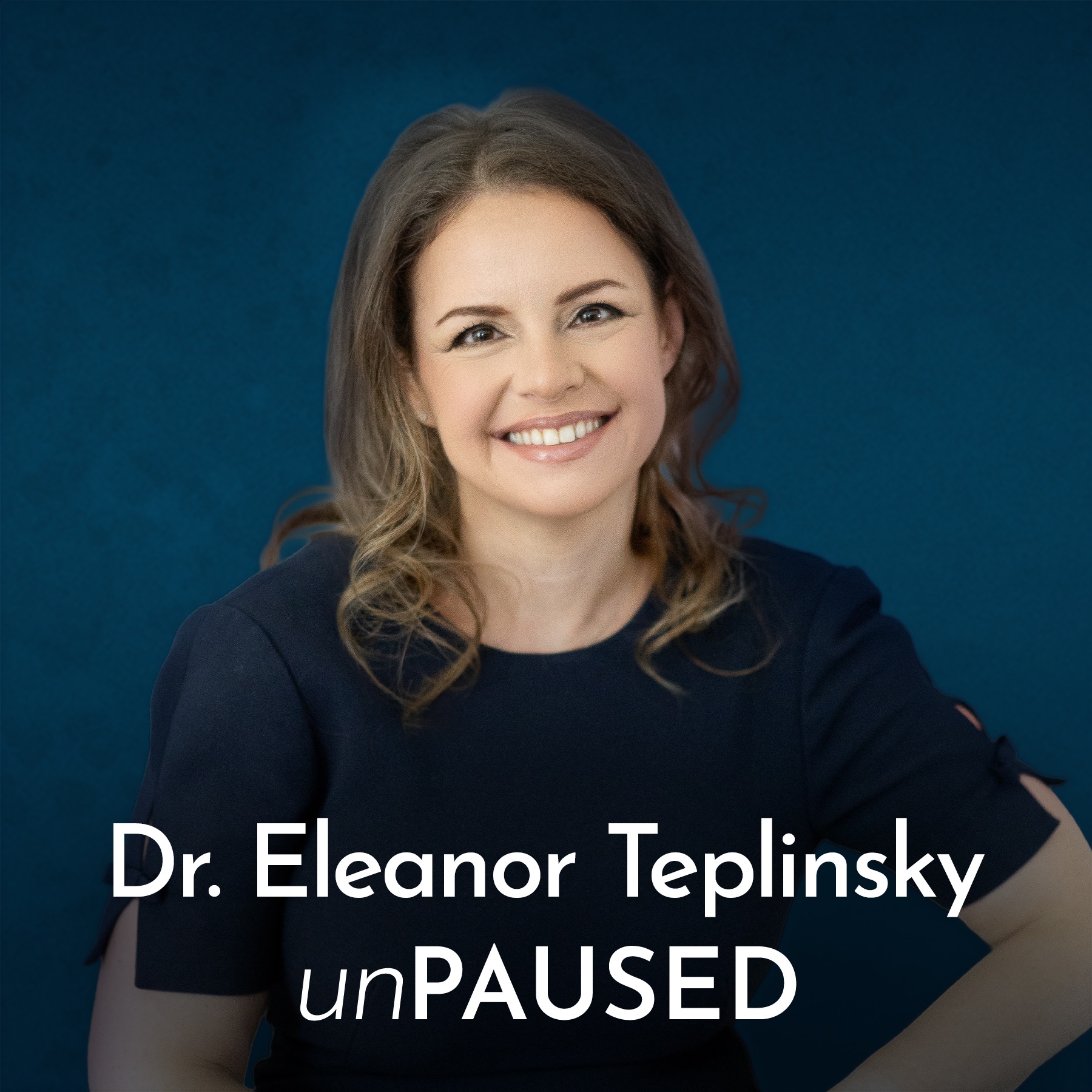
Most breast cancer is not hereditary, only 5 to 10% of cases are (01:58). Oncologist Eleonora Teplinsky explains how family history, genetic testing, and breast density shape real risk, and why previvors with BRCA mutations can safely use hormone therapy after their ovaries are removed.

October 30, 2026 · 7 min read

unPAUSED with Dr. Mary Claire Haver artwork

GSM: Menopause's Most Undertreated Condition

Genitourinary syndrome of menopause (GSM) is a cluster of vaginal, vulvar, and urinary changes caused by falling estrogen and testosterone, affecting 50% to 80% of postmenopausal women (11:00). Low-dose vaginal estrogen is the frontline treatment, cuts recurrent UTIs in half, and lost its FDA black box warning on November 10, 2025, after 27 years (14:54, 38:36).

November 3, 2026 · 7 min read

unPAUSED with Dr. Mary Claire Haver artwork

Can Breast Cancer Previvors Safely Use HRT?

Most breast cancers are not inherited, but oncologist Dr. Eleonora Teplinsky says risk assessment should start at 25, since 5 to 10% of cases trace to a gene mutation and a 20% lifetime score marks someone as high risk (02:03, 03:31). She also confirms previvors with BRCA mutations can safely use hormone therapy after ovary removal (15:04).

October 30, 2026 · 6 min read

unPAUSED with Dr. Mary Claire Haver artwork

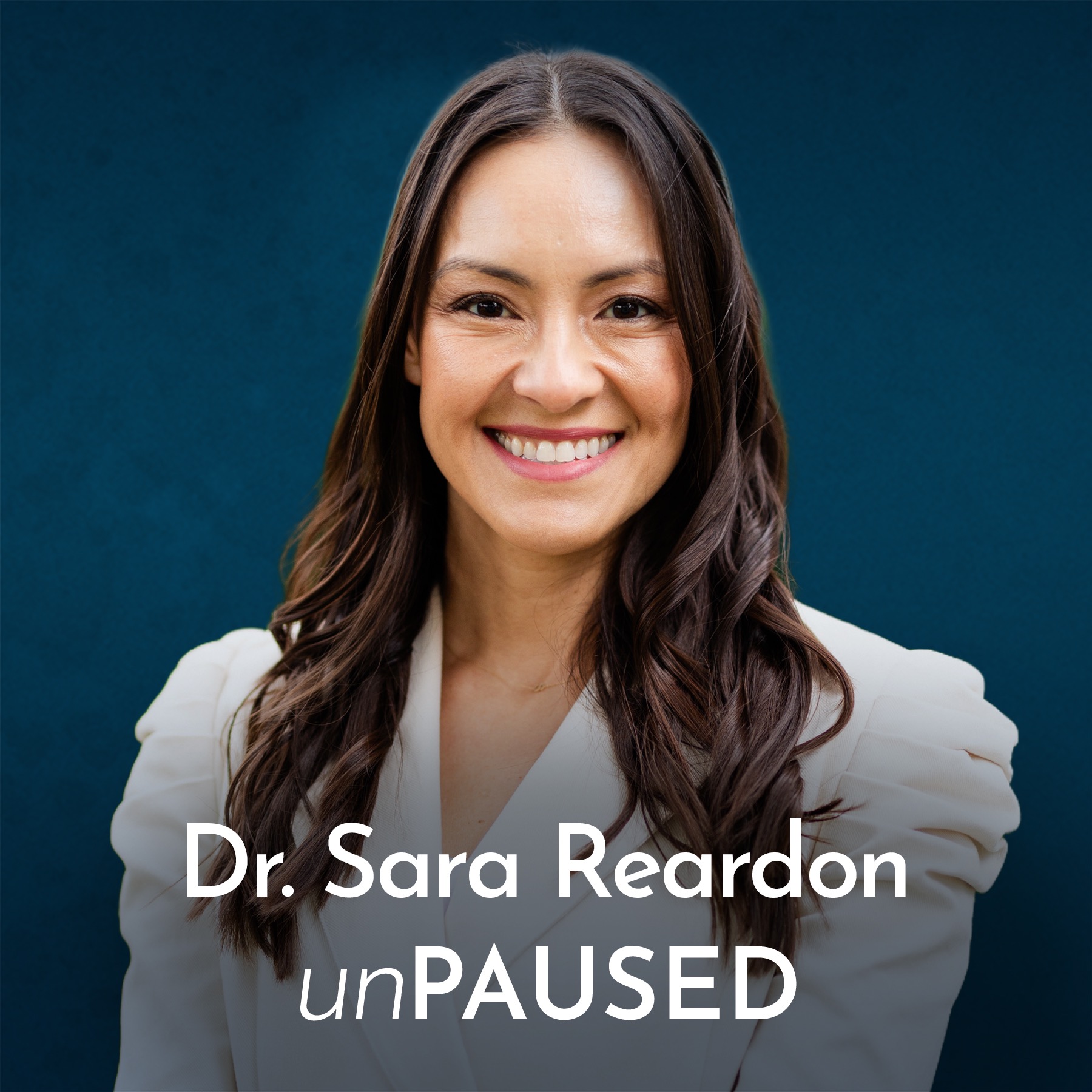
Pelvic Floor Health and Menopause: Daily Habits

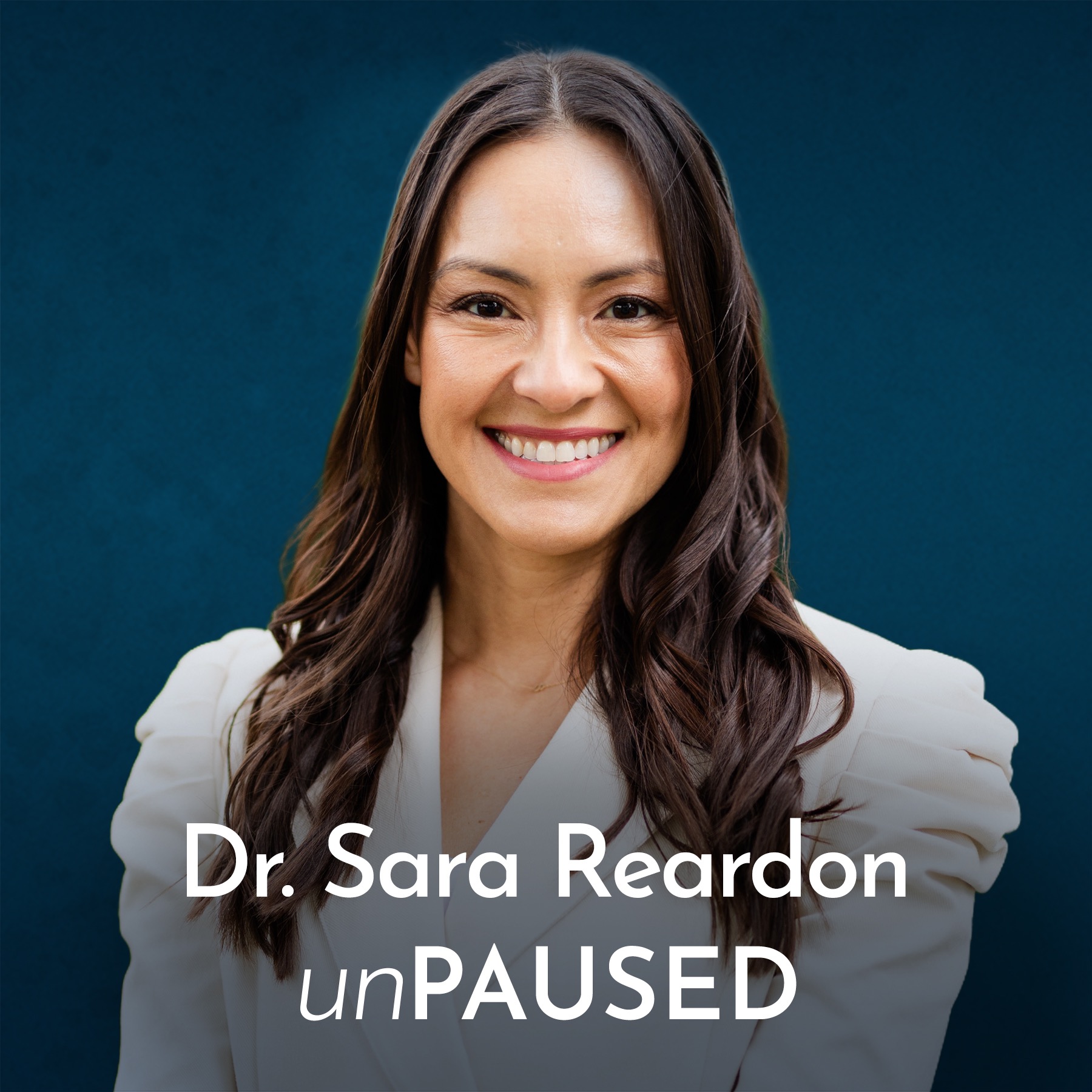
Pelvic floor therapist Sarah Reardon says menopause pelvic problems need two fixes: estrogen for tissue, muscle training for strength. She covers power peeing, Squatty Potties, pessaries, GSM, vaginismus, and why the $5 billion vaginal rejuvenation industry skips the muscle work that actually prevents prolapse and leakage.

October 23, 2026 · 6 min read

unPAUSED with Dr. Mary Claire Haver artwork

Pelvic Floor Therapy for Menopause Explained

Pelvic floor therapist Dr. Sarah Reardon says one in three women has a pelvic floor disorder, and most can self-refer for therapy without a doctor's note. She explains why verbal Kegel instructions fail more than half the time, how vaginal estrogen cuts recurrent UTI rates nearly twelvefold, and why nighttime bathroom trips raise fracture risk in menopause.

October 20, 2026 · 7 min read

unPAUSED with Dr. Mary Claire Haver artwork

Mark Cuban on the Estrogen Patch Shortage

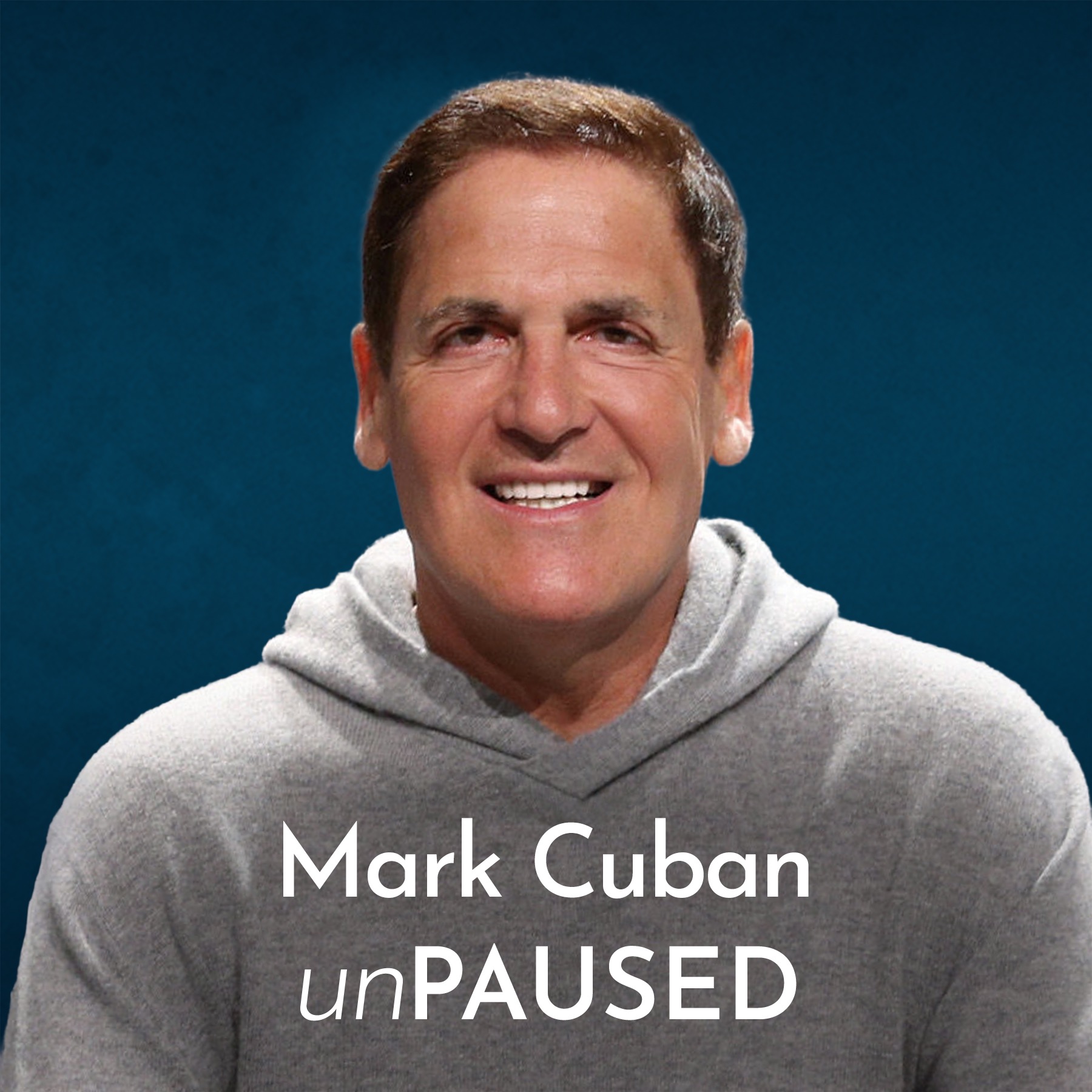
Estrogen patch prescriptions have nearly tripled in two years, while specialty manufacturing requirements keep supply from catching up. Entrepreneur Mark Cuban explains how his Cost Plus Drugs company sells at a flat 15% markup, and how pharmacy benefit managers can push a brand drug's price from $300 to $600 through rebate demands.

October 13, 2026 · 6 min read

unPAUSED with Dr. Mary Claire Haver artwork

Postpartum OCD vs Psychosis: Key Differences

Postpartum OCD causes unwanted, intrusive thoughts about harming a baby, not a desire to act. CNN anchor Pamela Brown and OB-GYN Dr. Mary Claire Haver distinguish it from postpartum psychosis, a break from reality involving voices (42:59), and cover GLP-1 fertility effects, testosterone therapy, and vaginal estrogen's role preventing UTIs (35:52).

October 9, 2026 · 7 min read

unPAUSED with Dr. Mary Claire Haver artwork

How Menopause Affects Gut Health and Bloating

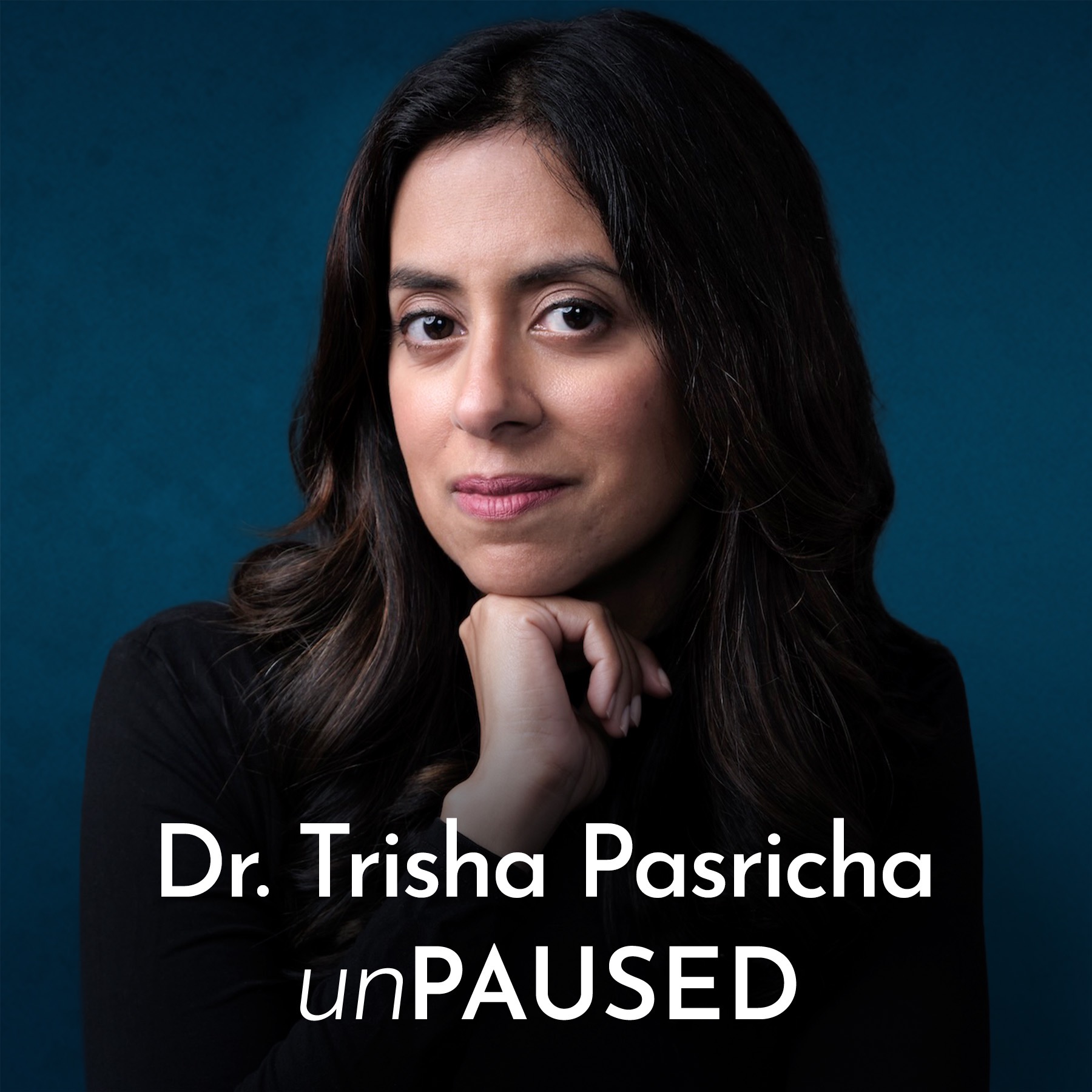
Menopause changes gut health because falling estrogen slows motility, raises pain sensitivity, and shifts the microbiome's estrobolome. Harvard gastroenterologist Trisha Pasricha explains why bloating, IBS, and fecal incontinence rise after menopause, and lays out fiber, screening, and bidet protocols that actually help.

October 6, 2026 · 7 min read

unPAUSED with Dr. Mary Claire Haver artwork

Menopause Skin Changes: What Actually Helps

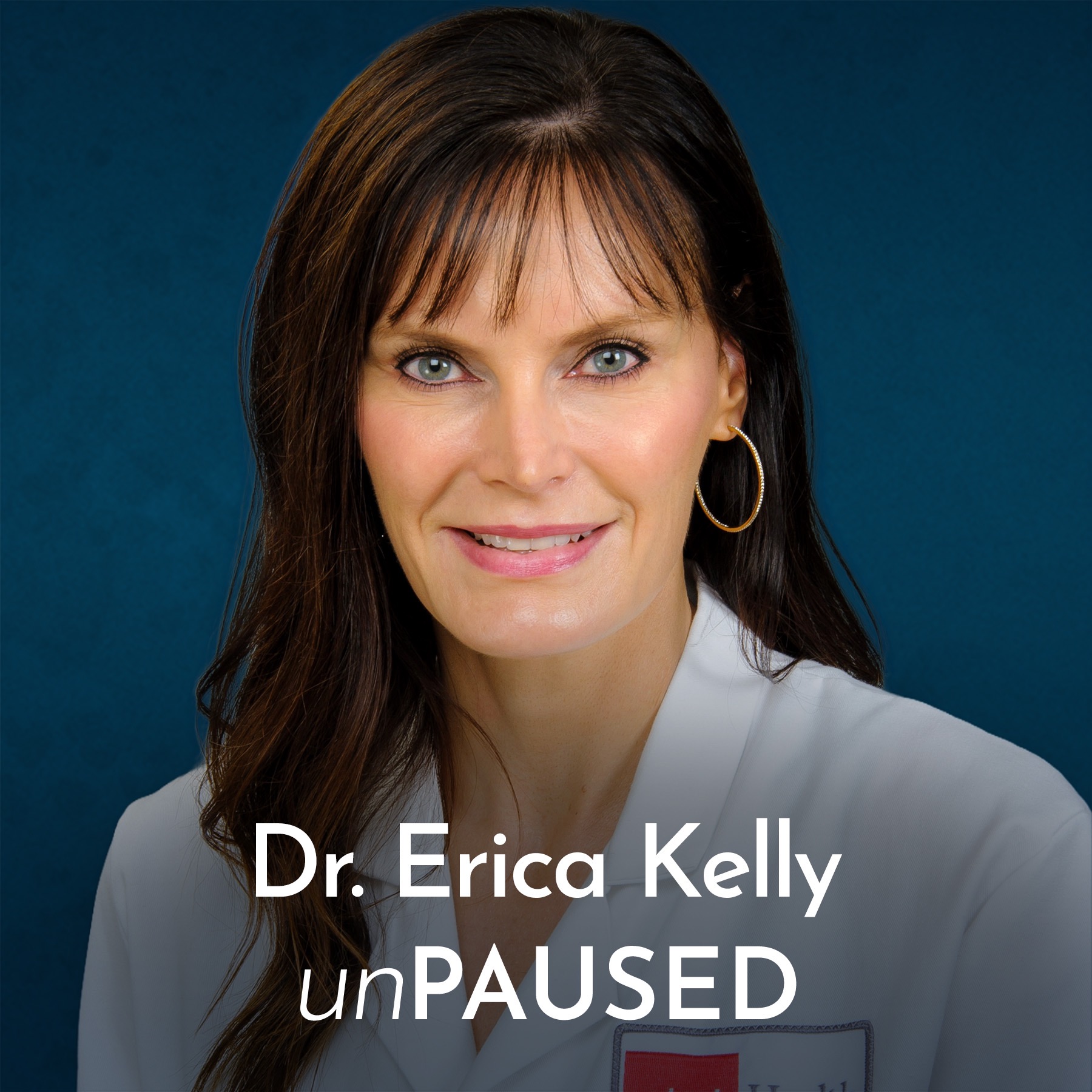
Dermatologist Erica Kelly tells Dr. Mary Claire Haver that menopausal skin needs lighter Botox doses, daily sunscreen, and realistic expectations for collagen and hair treatments. Hormone therapy may preserve skin firmness for decades, oral minoxidil treats hair loss but causes a two-month shed, and vaginal moisturizers differ from lubricants.

October 2, 2026 · 6 min read

unPAUSED with Dr. Mary Claire Haver artwork

Menopause Skin Changes: Causes and Fixes

Menopause triggers a 30% collagen loss in skin within five years, driven by falling estrogen and steady testosterone levels. Dermatologist Erica Kelly explains the barrier breakdown behind dryness and jawline acne, and recommends sunscreen and retinoids as the best-evidenced treatments, with topical estriol and spironolactone for targeted fixes.

September 29, 2026 · 7 min read

unPAUSED with Dr. Mary Claire Haver artwork

Gabrielle Lyon: Muscle Is the Longevity Organ

Dr. Gabrielle Lyon argues that skeletal muscle, not body fat, is the organ that determines how well women age. She explains that muscle drives glucose disposal, releases hormone-like myokines, and needs at least 100 grams of daily protein plus resistance training to stay healthy after midlife.

September 22, 2026 · 6 min read

unPAUSED with Dr. Mary Claire Haver artwork

Protein Needs for Muscle in Menopause: Dr. Lyon's Guide

Dr. Gabrielle Lyon says women need 30 to 50 grams of protein in their first meal after an overnight fast to switch on muscle building. She explains why aging muscle grows resistant to protein and exercise, why resistance training beats hormone therapy for long-term independence, and why suppressing mTOR is the wrong longevity strategy.

September 25, 2026 · 7 min read

More shows in Science + Longevity