
Tyrer-Cuzick Breast Cancer Risk Calculator Explained
The Silent Signs of Breast Cancer & How to Know Your Cancer Risk With World-Renowned OB-GYN
▶ Listen to the full episode More from The Mel Robbins Podcast
The brief
OB-GYN Dr. Thais Aliabadi shows how a free two-minute risk calculator and annual pelvic ultrasounds can catch breast and ovarian cancer early. She shares her own breast cancer diagnosis, explains the Tyrer-Cuzick tool, genetic testing by age 25, fallopian tube removal to cut ovarian cancer risk, and decade-by-decade screening protocols for heart disease and dementia.
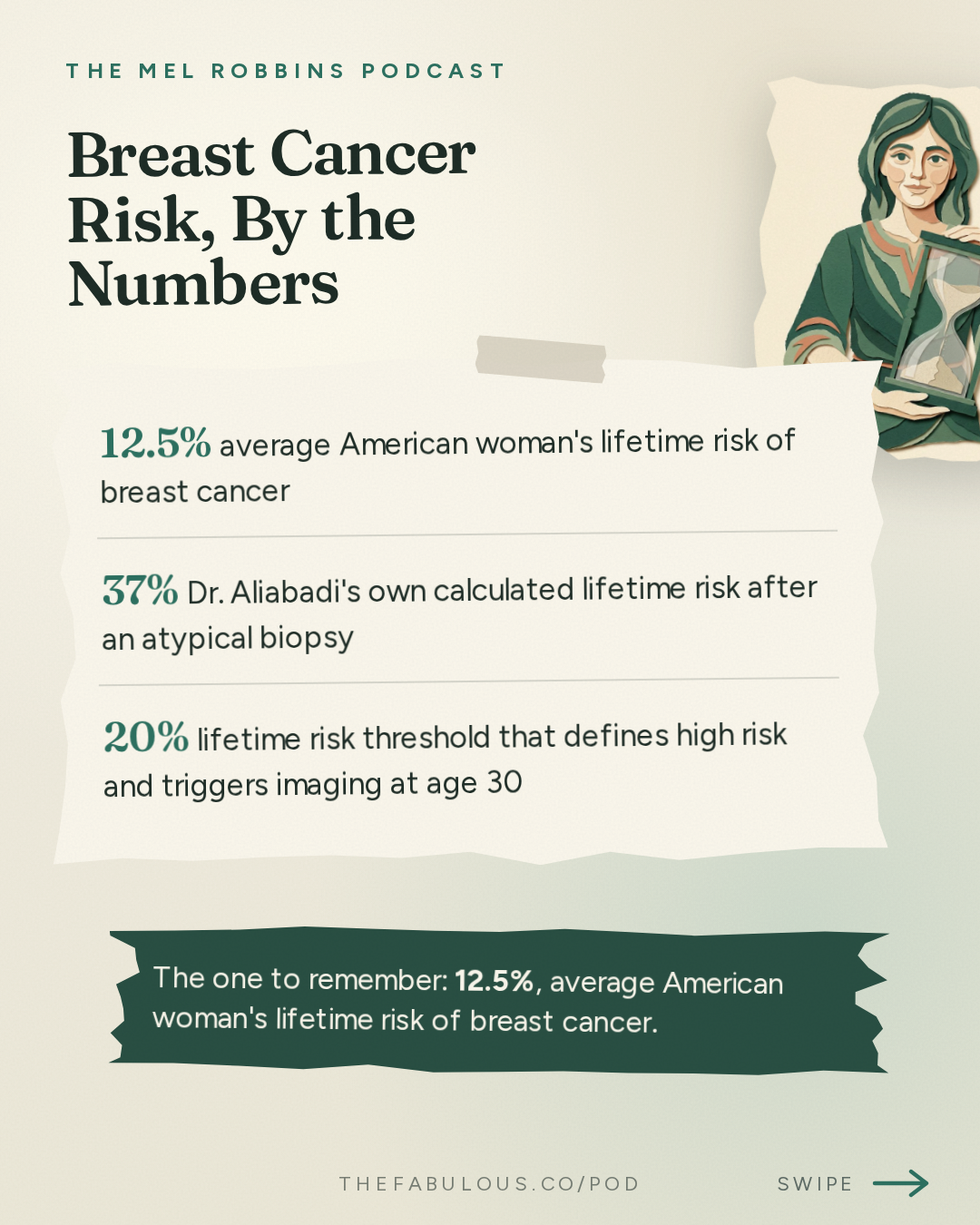
Imagine a doctor asks a simple question: if a plane had a 37 percent chance of crashing, would you board it? No one would. Yet that is the number Dr. Thais Aliabadi, an OB-GYN who has practiced in Los Angeles for three decades and says she has not lost a single patient to cancer in 25 years (00:54), found staring back at her from a computer screen in her own office. She was 48, with no family history of cancer, no genetic mutation, and none of the usual risk factors. An abnormal mammogram had led to a biopsy that came back with a finding called atypical cells, cells with the potential to turn cancerous but not yet cancer themselves (09:15). Out of curiosity, she reran her lifetime breast cancer risk score. It came back at 37 percent (09:35), more than triple the 12.5 percent average for American women (14:52).
"Mel, if I told you you were about to board a plane that had a 37% chance of crashing, would you board that plane?" (10:22) — Dr. Thais Aliabadi
Her colleagues called her paranoid. One surgeon told her, days before her double mastectomy, that she still disagreed with the decision. A week after the surgery, the pathology report came back: invasive cancer, found in the breast everyone had considered the safe one (11:29). Two weeks later, convinced something was still wrong, Aliabadi pushed for another MRI, over her own doctor's objections. A third radiologist finally confirmed what she suspected. Thirty-five percent of her breast tissue had been left behind after the first mastectomy (13:38). She underwent a second surgery six weeks later.
That story is the spine of this conversation with Mel Robbins, and it explains why Aliabadi spends the rest of the episode trying to make sure no other woman has to fight that hard to be believed.
"I'm here to scare you, because I want you... Unless I scare you, you won't be your own health advocate." (14:28) — Dr. Thais Aliabadi
The tool she credits with saving her life is called the Tyrer-Cuzick model, a formula that takes two minutes to fill out online: height, weight, breast density, menstrual and family history, prior biopsies (15:42). A score of 20 percent or higher puts a woman in the high-risk category, and Aliabadi starts those patients on breast imaging at age 30, not the standard 40 (16:00, 16:39). Crucially, a mammogram and an ultrasound alone are not enough for these women. They need an MRI added to the rotation, because mammograms struggle to distinguish cancer from dense breast tissue, a condition present in roughly half of all women (17:09, 18:25). The fix is a 3D mammogram, which gives radiologists a clearer look through that density (16:39).
Family history, it turns out, is a weaker predictor than most people assume. Eighty-five percent of women who develop breast cancer have no family history of the disease at all (21:41). Aliabadi herself is a case study: her standard genetic test came back negative. It was only after she underwent whole genome sequencing, a lab process that reads roughly 6.4 billion base pairs of DNA and screens for thousands of diseases, through a company called Simplified Genomics, that a different kind of risk showed up (19:30). She carries what is called a polygenic risk score, a pattern of many small genetic variants that individually mean little but together tripled her personal risk of breast cancer (21:18). For families with a known history of breast, ovarian, or pancreatic cancer, she recommends genetic testing for major mutations, there are 11 linked directly to breast cancer, by age 25 (22:04, 22:30).
Beyond the Breast
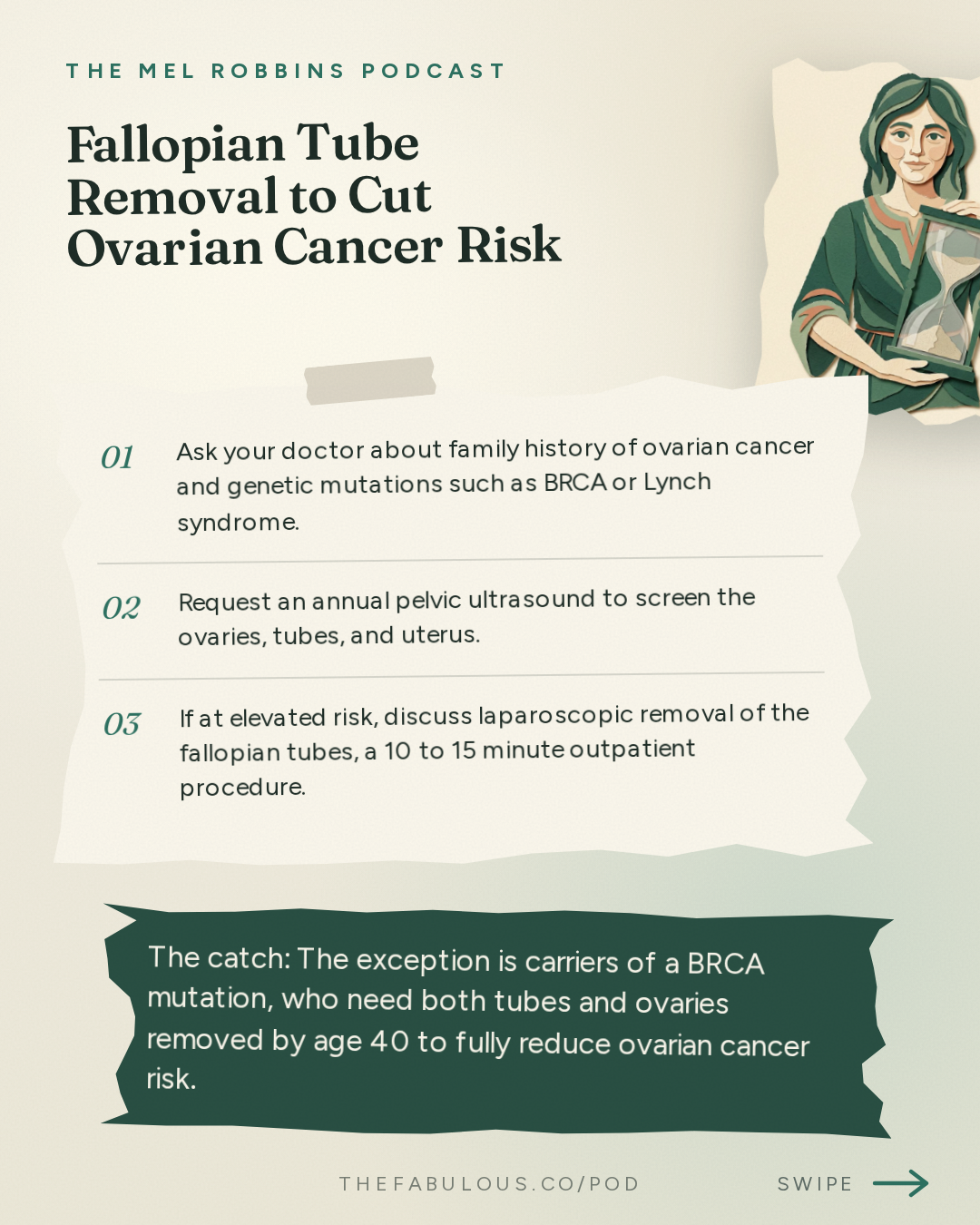
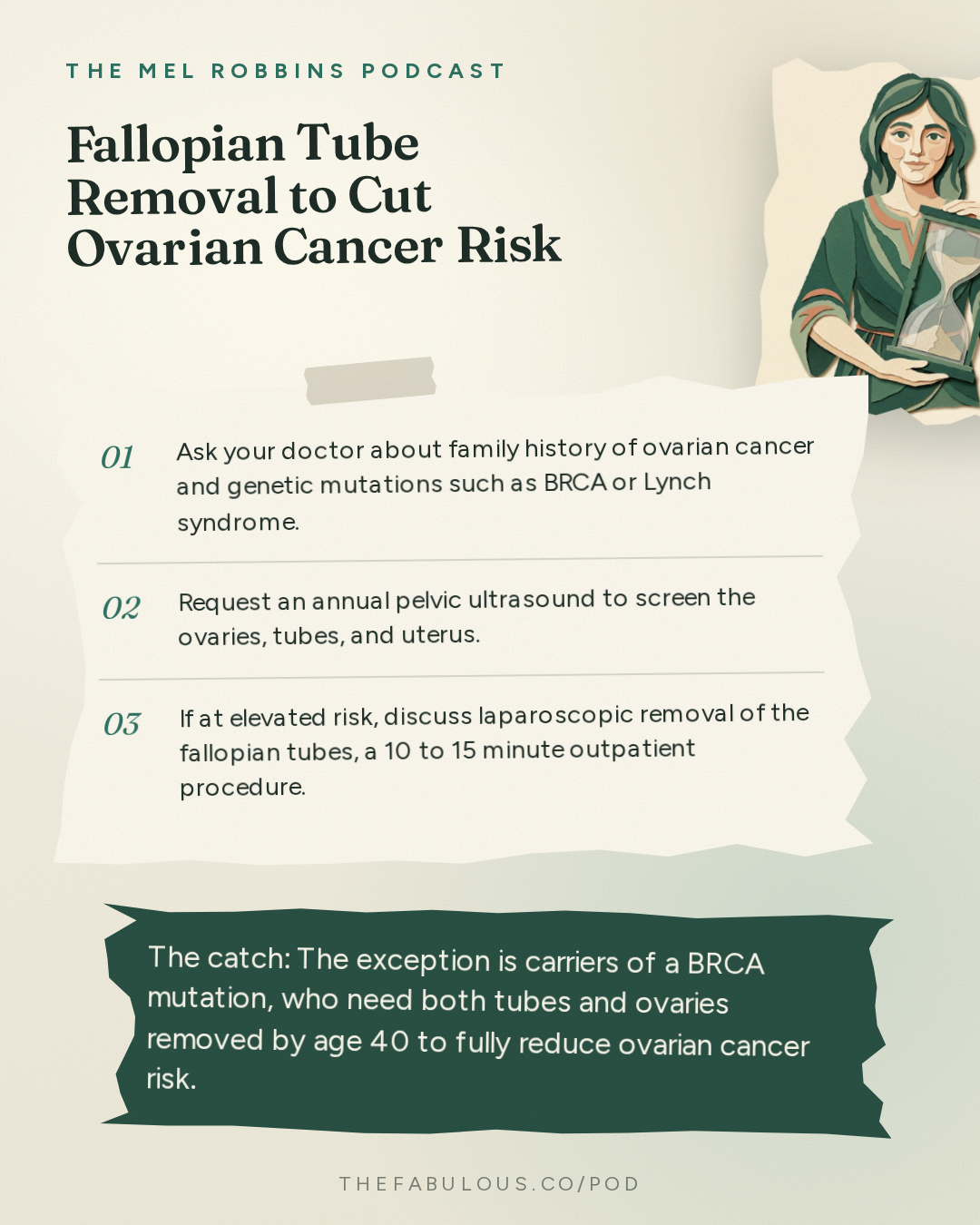
Aliabadi's most forceful recommendation may be the simplest: an annual pelvic ultrasound, for every woman, starting as soon as she becomes sexually active (32:50, 54:08). It is how she says she catches ovarian cancer at stage one or two, a disease notorious for reaching advanced stages before producing symptoms. Part of what makes this possible is a shift in where doctors now believe ovarian cancer actually starts. Research funded by the cancer foundation Breakthrough Cancer has found that somewhere between 65 and 85 percent of ovarian cancers originate not in the ovary itself but in the fallopian tube (34:19). Aliabadi described a patient, roughly 60 years old, with a history of endometriosis, who asked to have her tubes and ovaries removed as a precaution. The pathology came back with a 7 millimeter high-grade cancer in the fallopian tube (35:07). The surgery to remove tubes alone takes about 10 to 15 minutes laparoscopically (35:31, 35:46), and because the ovaries stay in place, a woman keeps her hormone production and does not enter surgical menopause (37:15). The exception is women carrying a BRCA mutation, who face a high enough lifetime ovarian cancer risk that Aliabadi recommends removing the ovaries as well, by age 40 (36:37).
The same yearly ultrasound also screens for uterine cancer, through a measurement of the endometrial lining. After menopause, Aliabadi wants that lining under 4 millimeters. A jump from a baseline of 3 millimeters to 7, even with no bleeding or symptoms, is enough to trigger a biopsy (38:41). Cervical cancer, she says, should not exist at all anymore. Nearly all cases start with HPV, a sexually transmitted virus, and regular Pap smears combined with HPV screening make it almost 100 percent preventable (40:15). The vaccine, now part of routine childhood immunization at ages 9 to 11, remains effective and recommended for adult women up to age 46 (41:10).
A Map for Every Decade
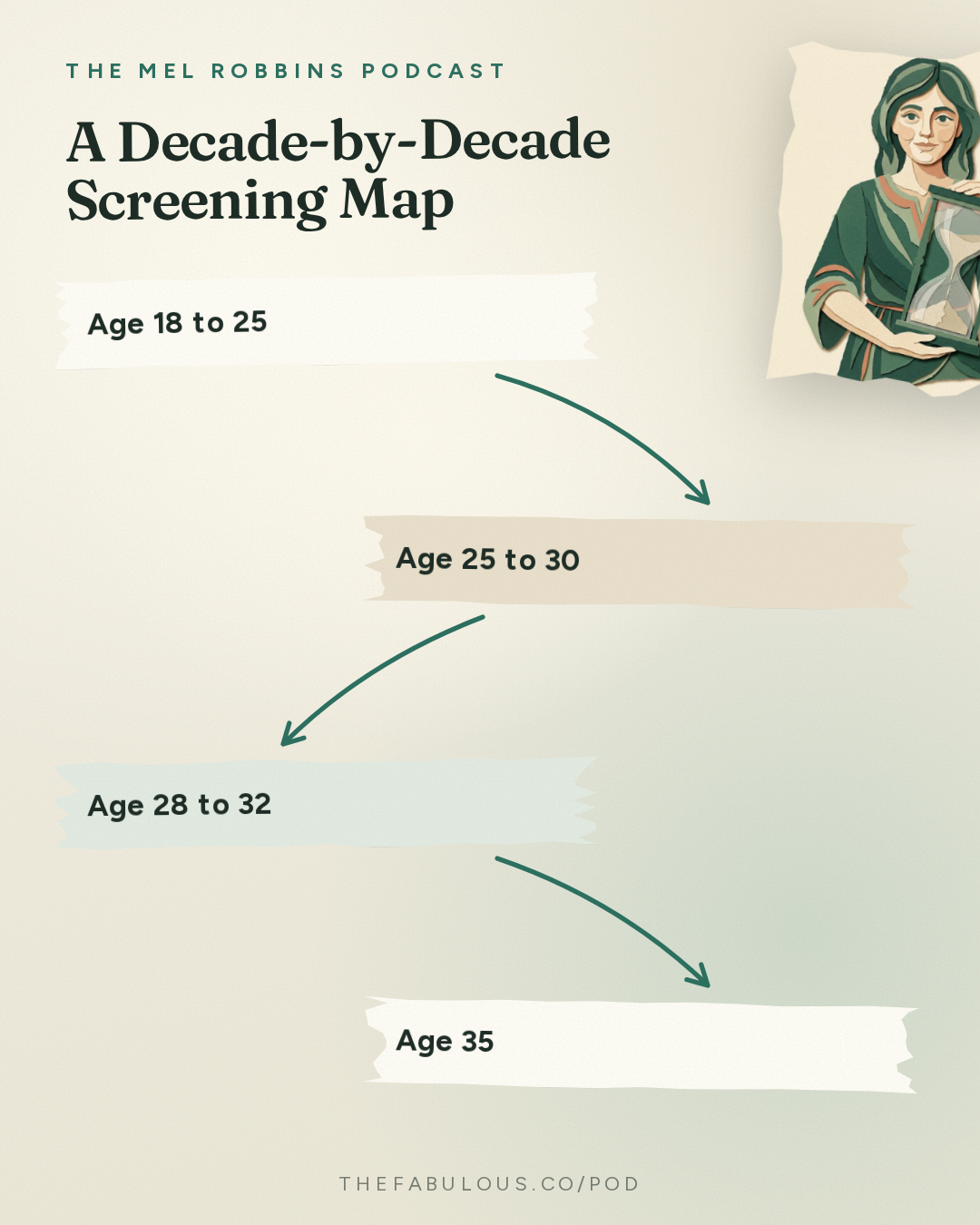
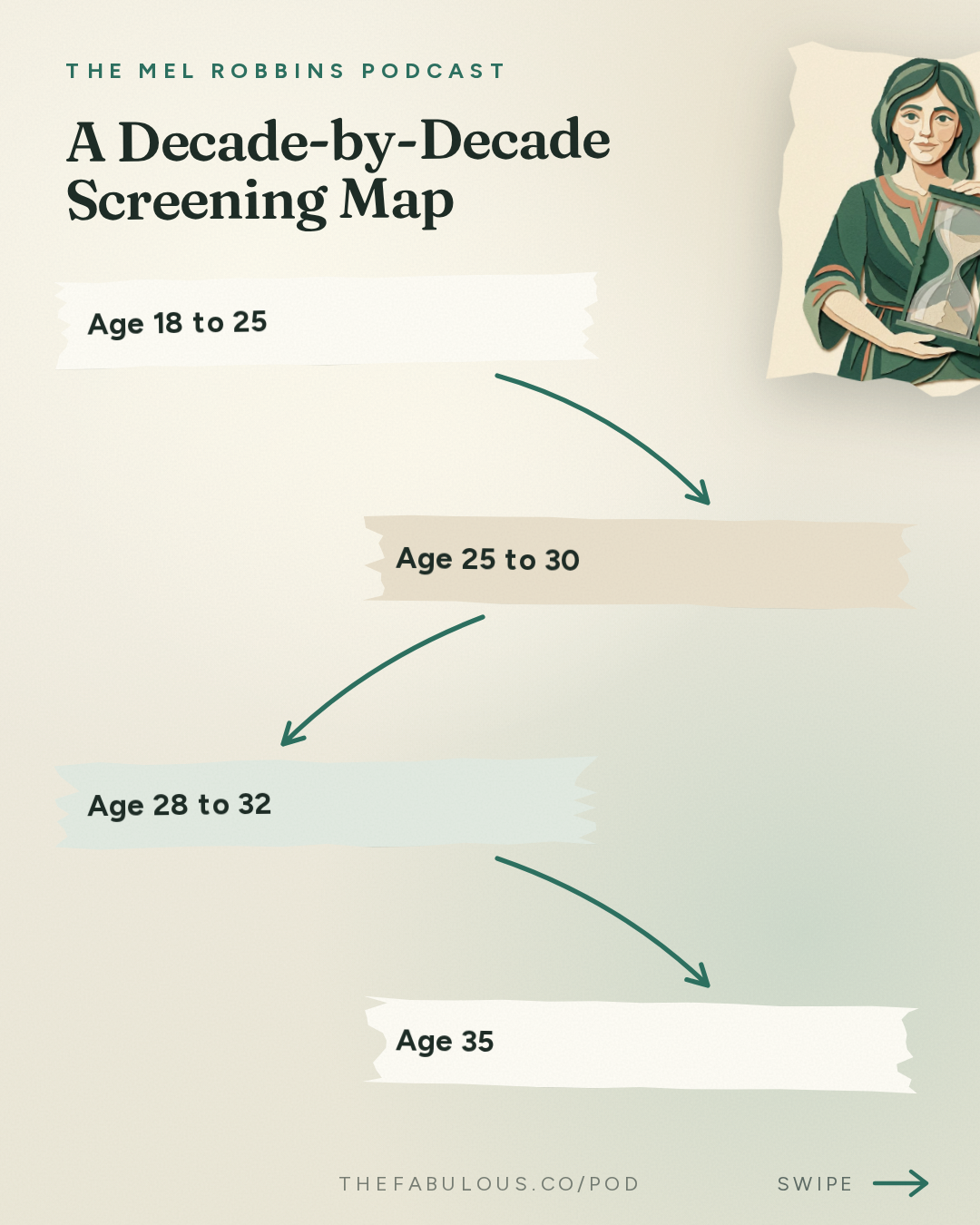
The back half of the conversation turns into something close to a checklist, organized by age. At 18 to 20, Aliabadi runs a baseline AMH test, a simple blood draw that measures anti-mullerian hormone and gives a read on ovarian reserve, the approximate supply of eggs remaining (48:21). By 25, she adds a full hormone panel and genetic testing if family history warrants it. By 30, every patient gets her lifetime breast cancer risk calculated. Between 28 and 32, she encourages patients without immediate plans for children to consider freezing eggs, since both egg count and quality decline with age, and the procedure can cost between $10,000 and $35,000 per cycle (49:58, 50:50). By 35, even low-risk patients get a baseline mammogram and ultrasound, and Aliabadi starts watching for perimenopause, which can begin 7 to 10 years before menopause itself. The average age of menopause is 51.5 years (51:15), meaning some women notice symptoms, irregular sleep, mood swings, hot flashes, joint pain, as early as their mid-30s (51:45).
At 45, she adds a baseline colonoscopy, moved earlier to 10 years before a relative's diagnosis age if there is a family history of colon cancer, along with a baseline bone density scan, because the steepest bone loss happens in the first five years after menopause (52:59, 53:21). Past 50, the well-woman exam should stop being just a Pap smear and a prescription refill and start addressing longevity directly. Aliabadi checks ApoE4, a genetic variant carried by 20 to 25 percent of women that raises Alzheimer's risk (55:21), and recommends that carriers start hormone replacement therapy within seven years of menopause, a window she says meaningfully lowers that risk (56:15). She also checks ApoB, a measure of the particles in blood that form arterial plaque, which she considers a better predictor of heart attack risk than standard LDL cholesterol alone (57:01). Her target is below 60, and ideally below 40 for patients aiming at a longer healthspan (57:53).
None of this requires a medical degree, Aliabadi says, only a willingness to walk into a 15-minute appointment with a written list and refuse to leave without answers.
"No one on this planet cares about your body or your health as much as you do. So you need to advocate for yourself." (59:18) — Dr. Thais Aliabadi
What makes her account persuasive is not just the data. It is the fact that she lived the failure mode herself, dismissed by colleagues who knew her, in a hospital system she had trained inside for decades. If a gynecologist with full access to every test in the book could still be waved off as anxious and paranoid, the odds are longer for everyone else. The remedy she offers is not more worry. It is a list of specific numbers, Tyrer-Cuzick score, breast density, AMH, ApoB, ApoE4, that turn a vague feeling of unease into a conversation a doctor cannot easily brush aside.
Ask this episode anything
Pod's AI answers from the episode itself, with the minute mark so you can hear it yourself.
Or start with one of these
Ask this episode
Pod's AI listens to the whole episode to answer, and points you to the minute it comes from.
The rest of this answer, and any question after it
Answers come from the episode itself, never from a summary of it.
ContinueKey takeaways
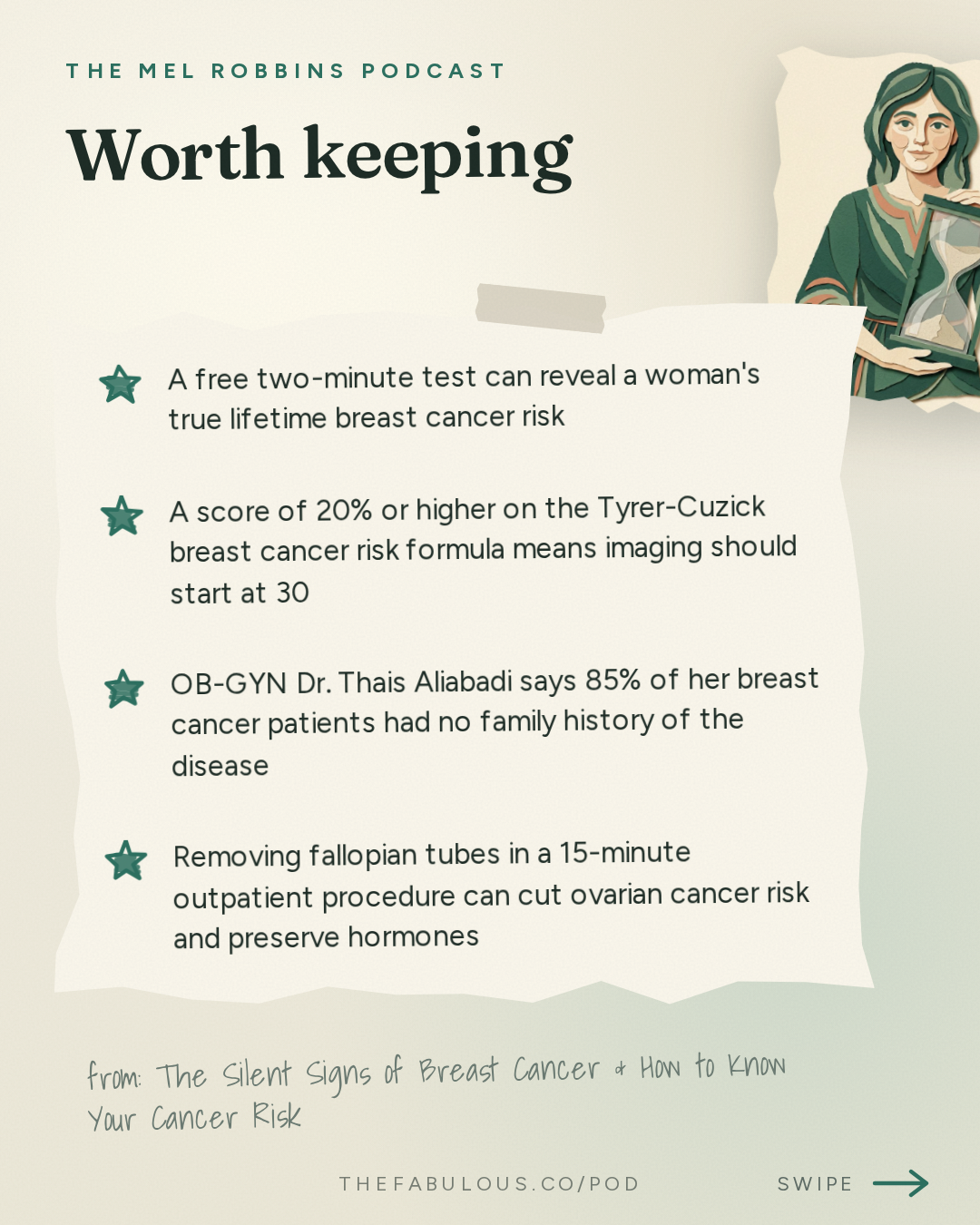
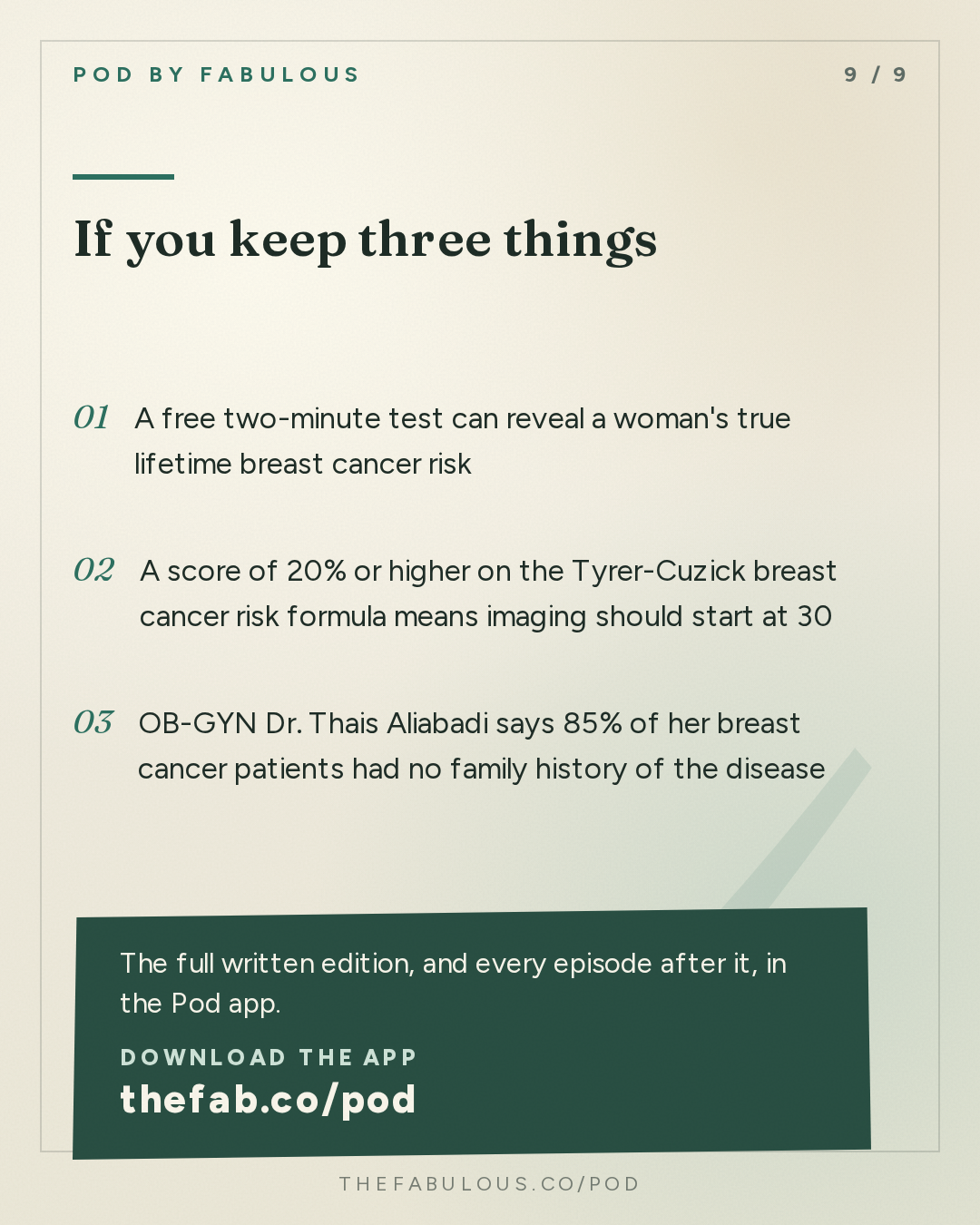
- A free two-minute test can reveal a woman's true lifetime breast cancer risk
- A score of 20% or higher on the Tyrer-Cuzick breast cancer risk formula means imaging should start at 30
- OB-GYN Dr. Thais Aliabadi says 85% of her breast cancer patients had no family history of the disease
- Removing fallopian tubes in a 15-minute outpatient procedure can cut ovarian cancer risk and preserve hormones
- ApoB and ApoE4 blood tests, added to well-woman exams after age 50, flag heart attack and Alzheimer's risk early
The episode in cards

By the numbers
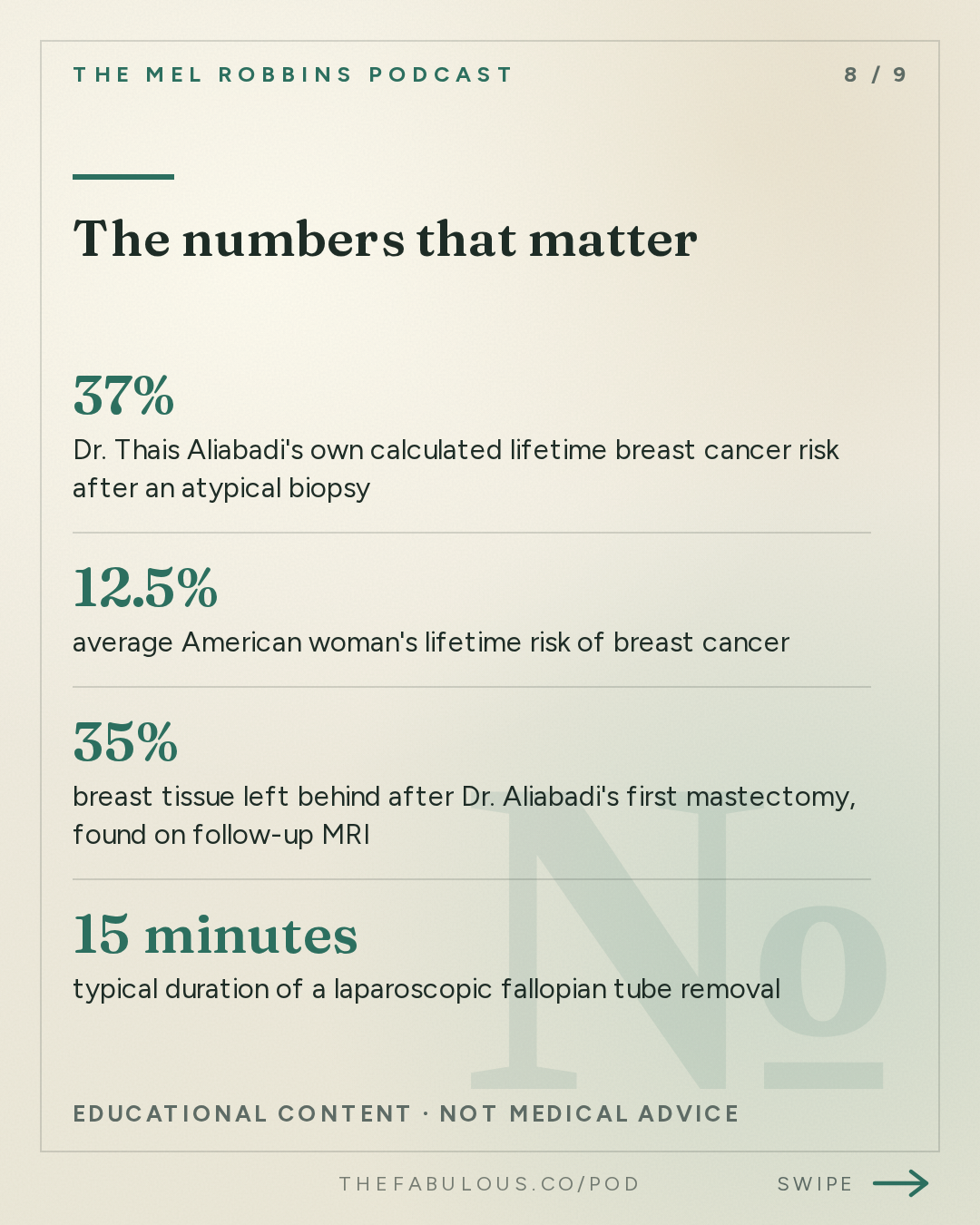
- 37% percent Dr. Thais Aliabadi's own calculated lifetime breast cancer risk after an atypical biopsy
- 12.5% percent average American woman's lifetime risk of breast cancer
- 35% percent breast tissue left behind after Dr. Aliabadi's first mastectomy, found on follow-up MRI
- 15 minutes typical duration of a laparoscopic fallopian tube removal
- 20 to 25% percent women who carry the ApoE4 genetic variant linked to higher Alzheimer's risk
In their words
“I'm here to scare you, because I want you... Unless I scare you, you won't be your own health advocate.”
“If I told you you were about to board a plane that had a 37% chance of crashing, would you board that plane?”
“85% of women who get breast cancer don't have a family history of it.”
“No one on this planet cares about your body or your health as much as you do. So you need to advocate for yourself”
Protocols
-
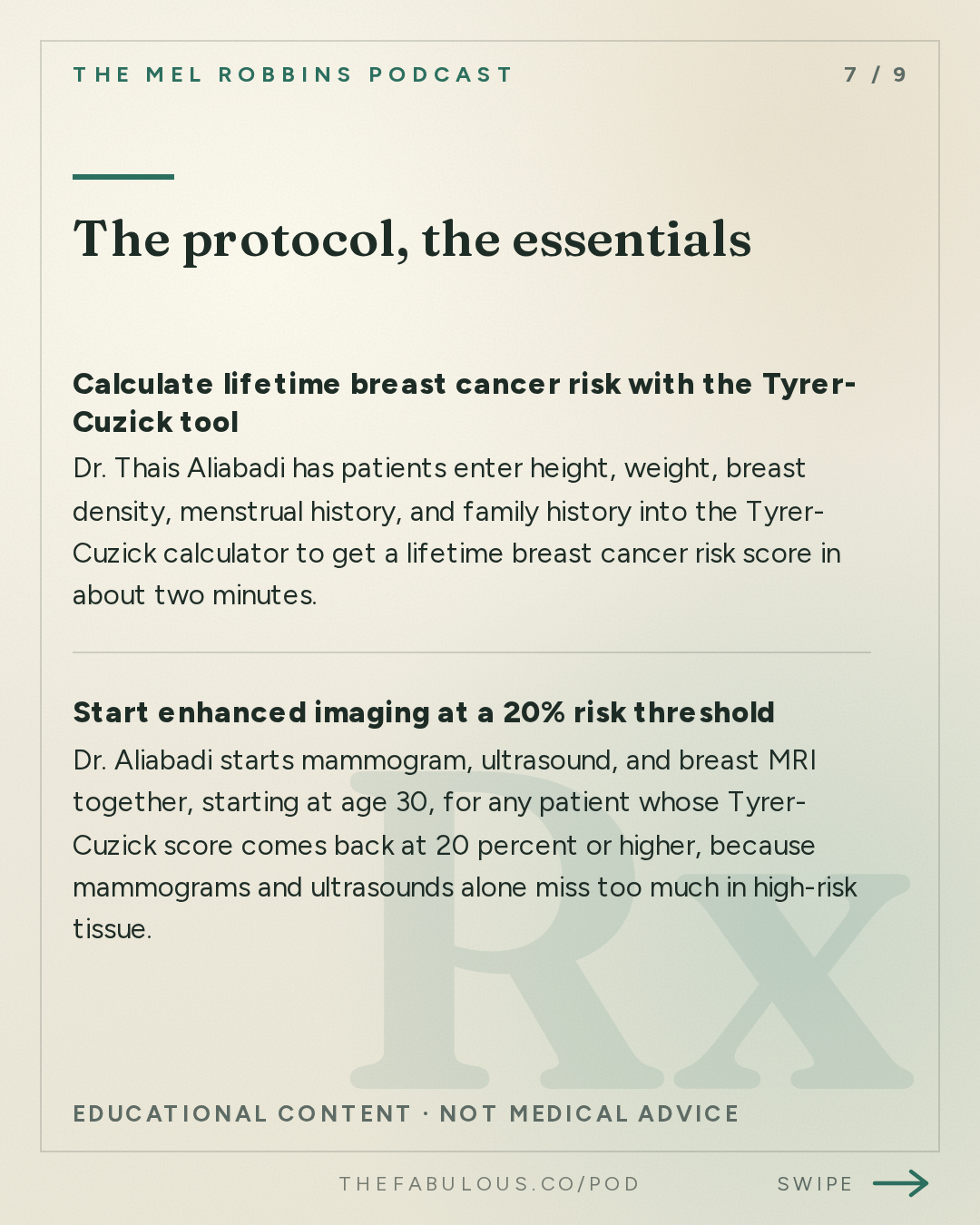
Calculate lifetime breast cancer risk with the Tyrer-Cuzick tool
Dr. Thais Aliabadi has patients enter height, weight, breast density, menstrual history, and family history into the Tyrer-Cuzick calculator to get a lifetime breast cancer risk score in about two minutes.
Once starting around age 25 to 30, then recalculated after any new diagnosis such as an atypical biopsy
-
Start enhanced imaging at a 20% risk threshold
Dr. Aliabadi starts mammogram, ultrasound, and breast MRI together, starting at age 30, for any patient whose Tyrer-Cuzick score comes back at 20 percent or higher, because mammograms and ultrasounds alone miss too much in high-risk tissue.
Annual imaging beginning at age 30 for high-risk patients
-
Get genetic testing by age 25
Dr. Aliabadi orders genetic testing, a blood or saliva sample, for any patient with a family history of breast, ovarian, pancreatic, or aggressive prostate cancer, and she wants that test completed by age 25 so high-risk patients can start imaging early.
Once, by age 25 if family history is present
-
Remove fallopian tubes to lower ovarian cancer risk
Dr. Aliabadi performs laparoscopic removal of the fallopian tubes, a 10 to 15 minute outpatient procedure, for patients with elevated ovarian cancer risk such as endometriosis or family history, because most ovarian cancers start in the tube and removing the tubes preserves ovarian hormone function.
Once, typically after childbearing is complete
-
Check ApoB and ApoE4 at the well-woman exam after 50
Dr. Aliabadi adds ApoB and ApoE4 blood tests to her patients' annual well-woman visits after age 50, and she targets an ApoB level below 60, ideally below 40, while flagging ApoE4 carriers for consideration of hormone therapy within seven years of menopause.
Annual fasting blood panel after age 50
Questions this episode answers
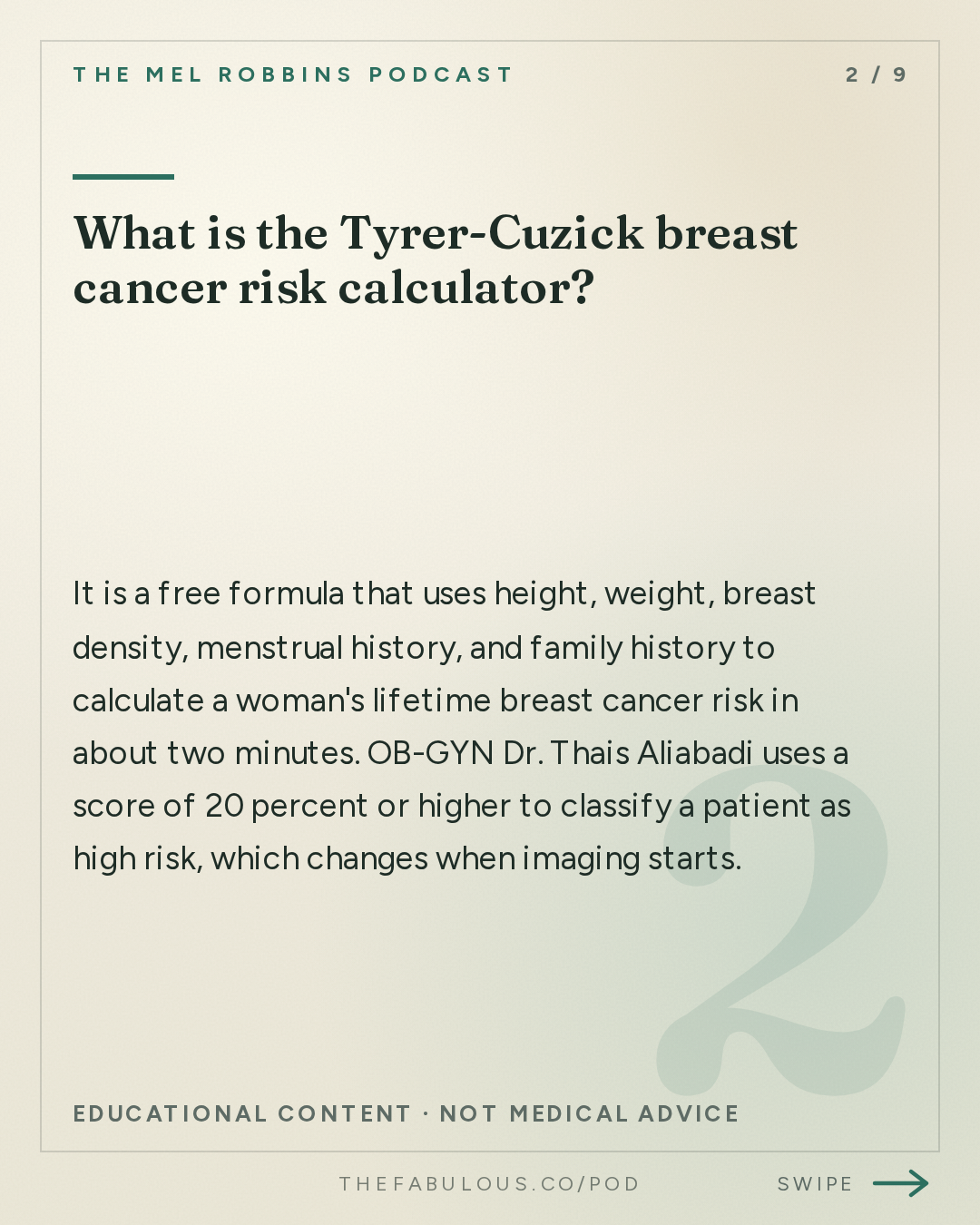
What is the Tyrer-Cuzick breast cancer risk calculator?
It is a free formula that uses height, weight, breast density, menstrual history, and family history to calculate a woman's lifetime breast cancer risk in about two minutes (15:42). OB-GYN Dr. Thais Aliabadi uses a score of 20 percent or higher to classify a patient as high risk, which changes when imaging starts (16:00).
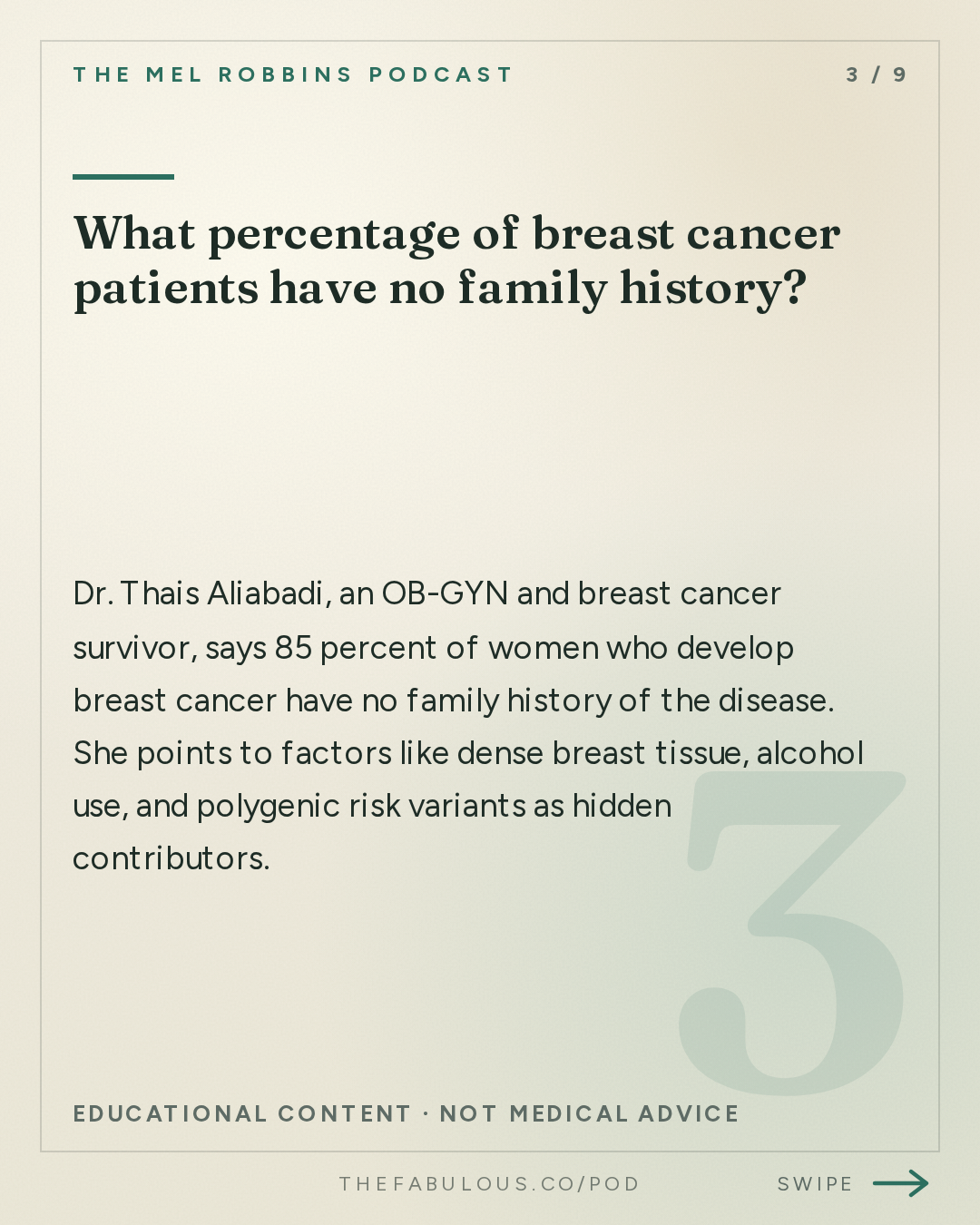
What percentage of breast cancer patients have no family history?
Dr. Thais Aliabadi, an OB-GYN and breast cancer survivor, says 85 percent of women who develop breast cancer have no family history of the disease (21:41). She points to factors like dense breast tissue, alcohol use, and polygenic risk variants as hidden contributors (22:04).
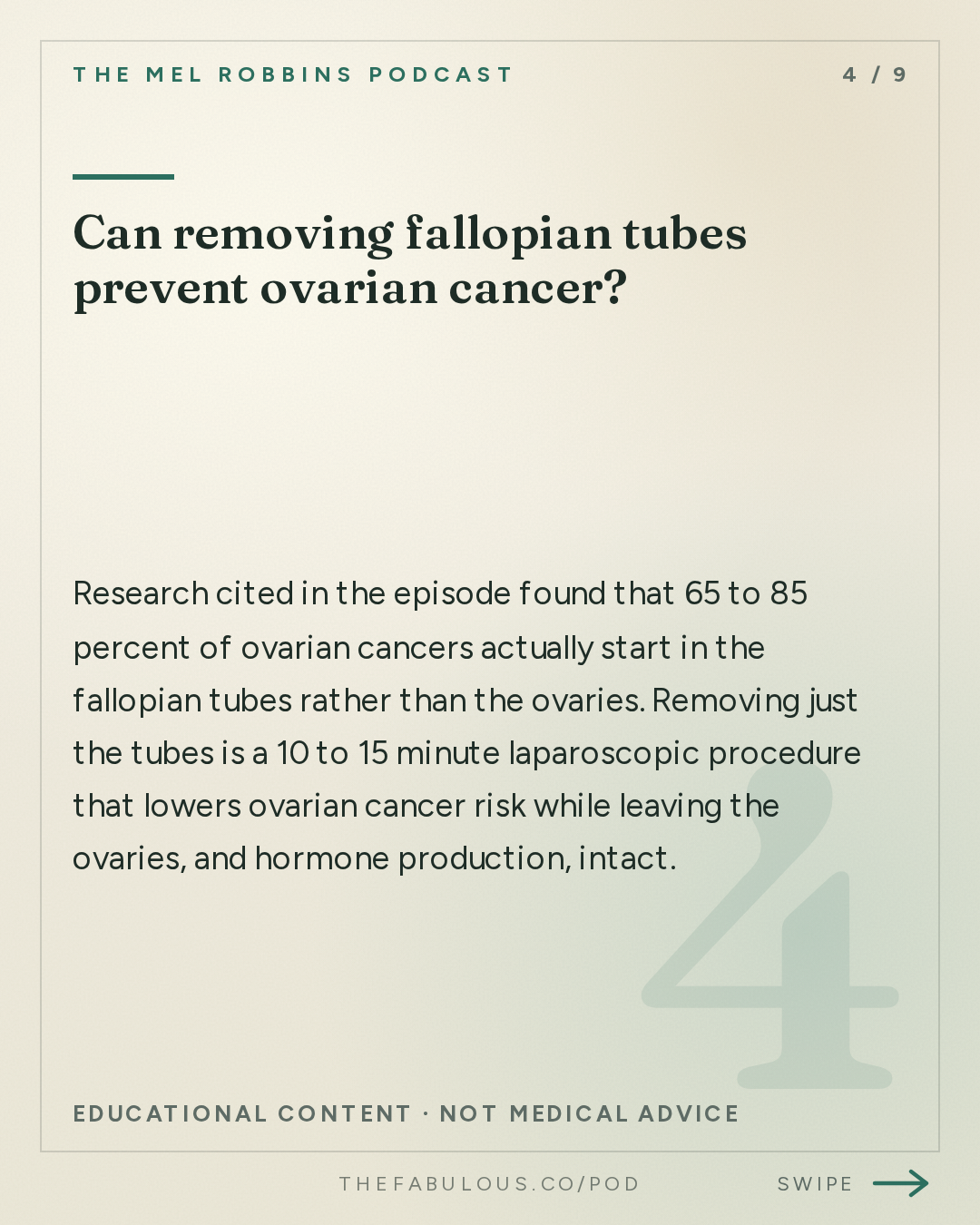
Can removing fallopian tubes prevent ovarian cancer?
Research cited in the episode found that 65 to 85 percent of ovarian cancers actually start in the fallopian tubes rather than the ovaries (34:19). Removing just the tubes is a 10 to 15 minute laparoscopic procedure that lowers ovarian cancer risk while leaving the ovaries, and hormone production, intact (35:46, 37:15).
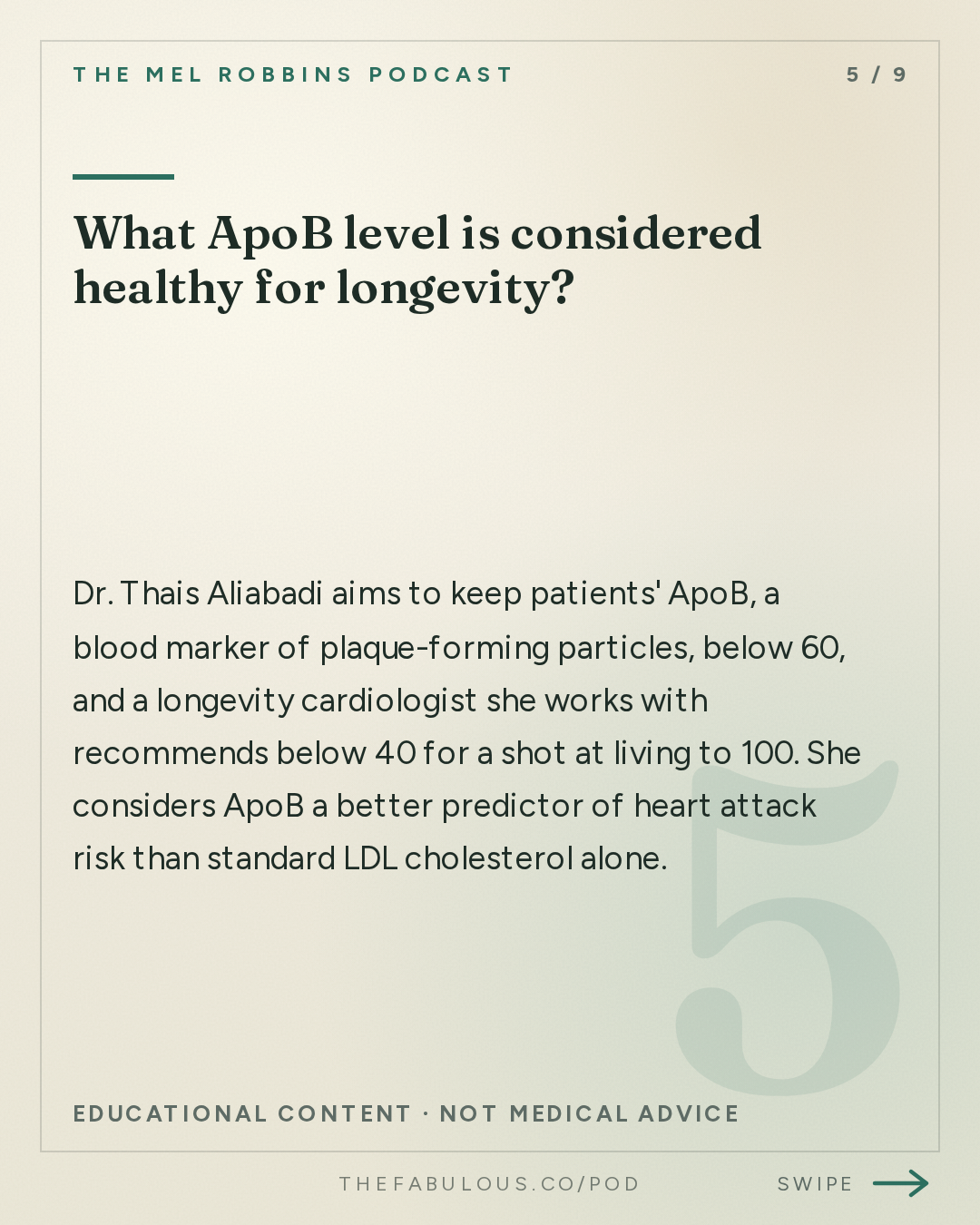
What ApoB level is considered healthy for longevity?
Dr. Thais Aliabadi aims to keep patients' ApoB, a blood marker of plaque-forming particles, below 60, and a longevity cardiologist she works with recommends below 40 for a shot at living to 100 (57:53). She considers ApoB a better predictor of heart attack risk than standard LDL cholesterol alone (57:01).
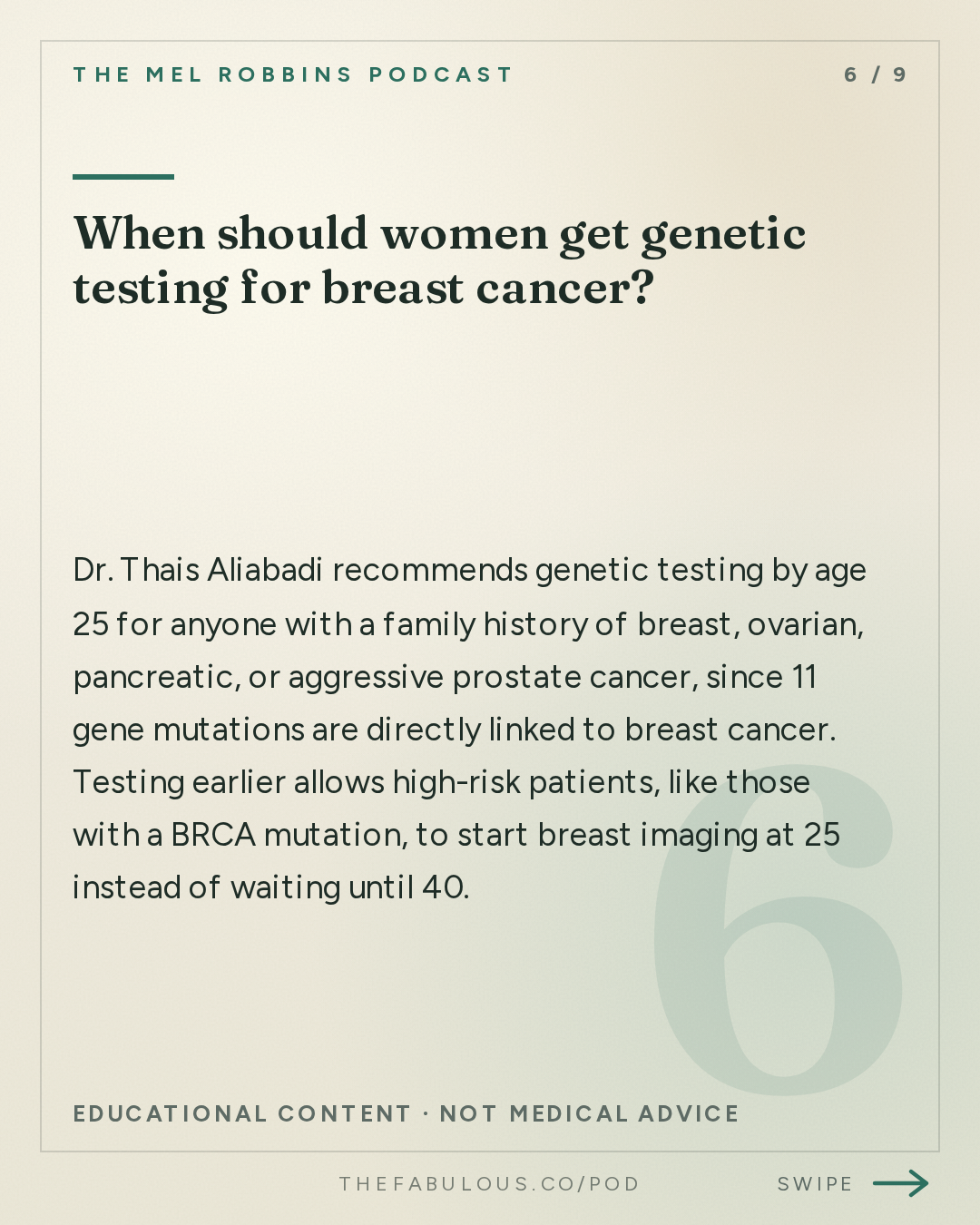
When should women get genetic testing for breast cancer?
Dr. Thais Aliabadi recommends genetic testing by age 25 for anyone with a family history of breast, ovarian, pancreatic, or aggressive prostate cancer, since 11 gene mutations are directly linked to breast cancer (22:04, 22:30). Testing earlier allows high-risk patients, like those with a BRCA mutation, to start breast imaging at 25 instead of waiting until 40.
Does the HPV vaccine work for adult women?
Yes, the HPV vaccine remains recommended for women up to age 46, not just children (41:10). Combined with regular Pap smears and HPV screening, cervical cancer is described in the episode as almost 100 percent preventable (40:15).
The full read, in cards
Go deeper
- Tyrer-Cuzick breast cancer risk model — a validated formula that combines personal and family history to calculate lifetime breast cancer risk
- Simplified Genomics whole genome sequencing report — full DNA sequencing that identified Dr. Aliabadi's polygenic risk score for breast cancer at three times average despite a negative standard genetic test
- Breakthrough Cancer-funded research on ovarian cancer origins — found that 65 to 85 percent of ovarian cancers originate in the fallopian tubes rather than the ovaries
Mentioned
Dr. Thais Aliabadi · Mel Robbins · Tyrer-Cuzick · Simplified Genomics · Cedars-Sinai Medical Center · BRCA · Lynch syndrome · Cleveland Clinic · Boston Heart · ApoB · ApoE4 · Angelina Jolie · Breakthrough Cancer
More from this show and category
An 89-Year-Old's Don't-Wait Life Advice
Judy Robbins, Mel Robbins' 89-year-old mother-in-law, decided to backpack across Europe for a year starting at 90, inspired by a friend's sudden death at 62. The episode argues that waiting for comfort or permission is the real risk, since good health and time are not guaranteed, and that staying curious about others keeps a person interesting at any age.
How to Stop Doing Everything for Everyone
Pastor Dr. Eric Thomas and Mel Robbins show why the family caretaker is often its least healthy member, and how to step back without guilt. Thomas, drawing on his wife Dee Dee's multiple sclerosis diagnosis, offers a principles-over-feelings decision framework and a simple test: drop one task, see who steps up, then use the freed time for yourself.
Eric Thomas's 52-Day Challenge, Explained
Motivational speaker Eric Thomas says anyone can reset their life in 52 days, the biblical time it took to rebuild Jerusalem's wall after 140 years in ruins. He used the method himself to lose weight, and coaches listeners to pick one embarrassing area of life, post a photo of their goal self, and start with 15 minutes a day.
Mel Robbins and Daughter on Parenting Mistakes
Mel Robbins and her daughter Sawyer Robbins grade Mel's parenting and unpack the Gottman Institute's "volcano and turtle" conflict pattern. They trace Mel's traumatic birth, clashing "practical solver" versus "deep listener" parenting roles, and a notepad trick that slows a flooded nervous system during fights.
