
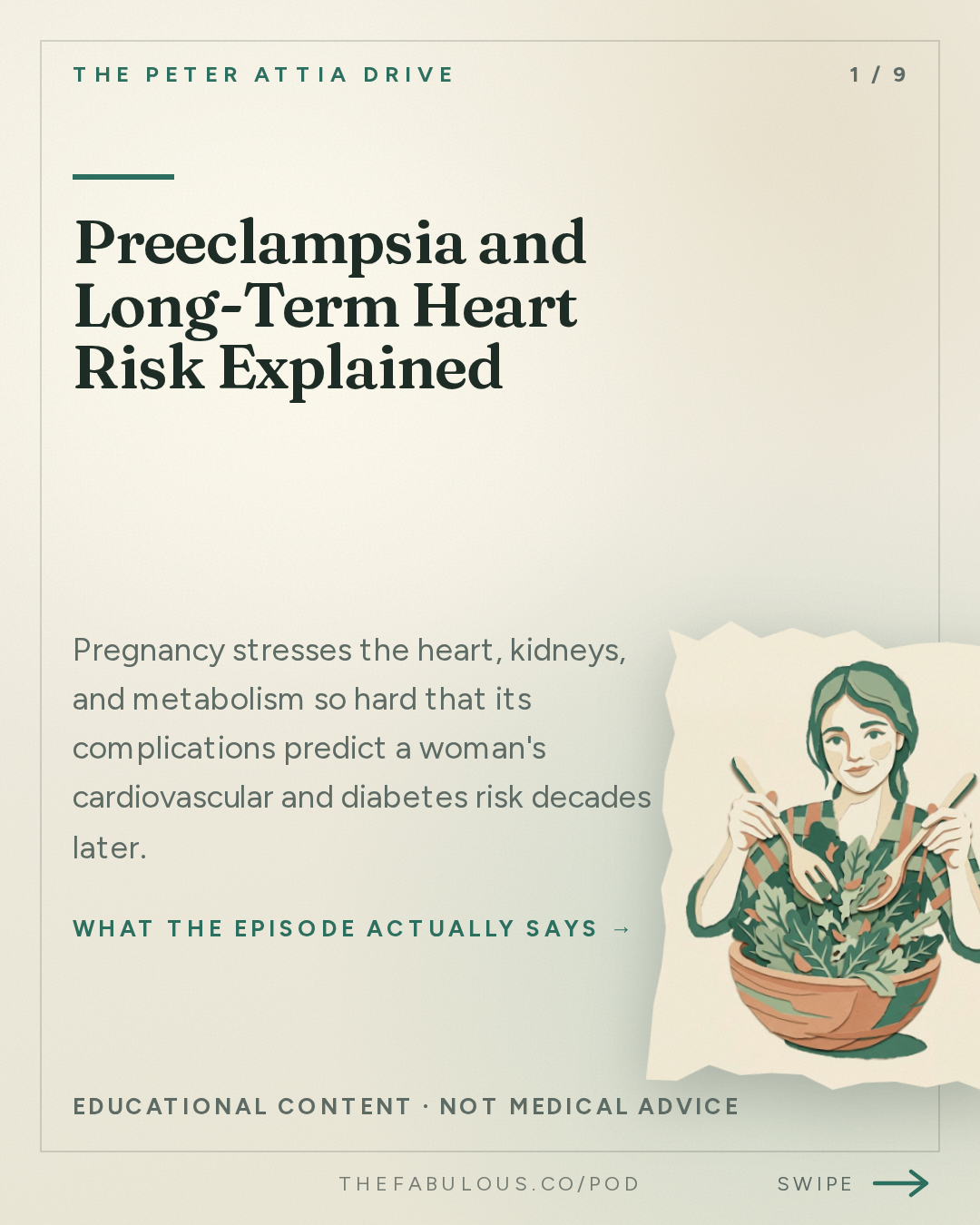
Preeclampsia and Long-Term Heart Risk Explained
#410 ‒ The biology of pregnancy: physiologic adaptation, gestational diabetes, preeclampsia, childbirth, and long-term maternal health | Kathryn Gray, M.D., Ph.D.
▶ Listen to the full episode More from The Peter Attia Drive
The brief
Pregnancy stresses the heart, kidneys, and metabolism so hard that its complications predict a woman's cardiovascular and diabetes risk decades later. Maternal-fetal medicine specialist Kathryn Gray explains how plasma volume surges 50%, how preeclampsia's placental biology works, and why half of gestational diabetes cases become type 2 diabetes.
A pregnant woman's blood plasma expands by half in about seven months. No diet, no training program, no drug produces that kind of cardiovascular load on purpose. For some women with underlying heart or lung disease, that expansion alone is dangerous enough that doctors will say a pregnancy cannot safely continue (14:54). For almost everyone else, the body simply absorbs it, along with a cascade of other demands: a new organ growing hormones out of nothing, a metabolism that deliberately turns insulin-resistant, a cervix that must dissolve and reopen on a schedule nobody fully understands. Kathryn Gray, a maternal-fetal medicine specialist and division chief at the University of Washington School of Medicine, spends her career inside this process, and in conversation with Peter Attia she keeps returning to one idea: pregnancy does not just grow a baby. It tests a woman's organs so thoroughly that the results are diagnostic.
Gray puts it plainly early on.
"It is a cardiovascular stress test... and it is a metabolic stress test because there's increased insulin resistance." — Kathryn Gray [08:35]
The cardiovascular side shows up first as numbers: plasma volume climbs steadily from early pregnancy, accelerates in the second trimester, and plateaus around a 50% increase by 28 weeks (14:32). Red blood cell mass doesn't keep pace, so a mild, expected anemia follows. The metabolic side is subtler. By the second half of pregnancy, a woman's tissues become less responsive to insulin, on purpose, so that glucose stays in the bloodstream longer and more of it reaches the placenta and the fetus. For most women this is simply adaptive. For some, the body overshoots: glucose stays too high, and the diagnosis becomes gestational diabetes.
That diagnosis used to be made by risk factors alone, catching only about half of actual cases, which is why universal screening between 24 and 28 weeks became standard (29:36). The test itself is unglamorous: a sugary drink, a blood draw an hour later, and if that one-hour value is too high, a longer fasting test to confirm. Once a diagnosis is made, the treatment targets are specific, a fasting glucose under 95 mg/dL or a one-hour postprandial reading under 140 mg/dL (33:28). Treatment starts with diet and monitoring, but the clock is short. There's no three-month trial period when the baby arrives in three months anyway, so Gray's team typically gives a woman one to two weeks before escalating (34:14). When medication becomes necessary, insulin is first-line, not metformin or other oral drugs, because the safety data for insulin is strongest and it most reliably improves outcomes for the newborn (33:57). For the baby, the stakes of poorly controlled glucose are real: excess growth, higher odds of a difficult delivery, and a kind of improvised hyperinsulinemia that can leave the newborn with dangerously low blood sugar once it is cut off from the mother's glucose supply (28:35).
What happens after delivery is where this condition becomes more than an obstetric footnote. Gestational diabetes usually resolves within days of birth. But the risk it reveals does not disappear. Gray says about fifty percent of women who develop gestational diabetes will eventually develop type 2 diabetes (57:50), which is why she pushes hard on follow-up screening and lifestyle changes long after the pregnancy ends.
A placenta that turns against its host
Preeclampsia is the more dramatic version of this same idea: a pregnancy complication that is really a stress test with teeth. Gray defines it as new-onset high blood pressure after 20 weeks of gestation, usually with protein showing up in the urine, sometimes with headaches, vision changes, or pain under the right ribs (37:10). The diagnostic threshold is a systolic pressure of 140 mmHg or a diastolic pressure of 105 to 110 mmHg (38:02). It affects somewhere between 5% and 7% of pregnancies in the United States (39:56), and it is unlike the slow-building hypertension of a sixty-year-old with a decade of arterial damage behind it. This version can go from normal to seizures, stroke, and organ failure within weeks, sometimes before term (44:32).
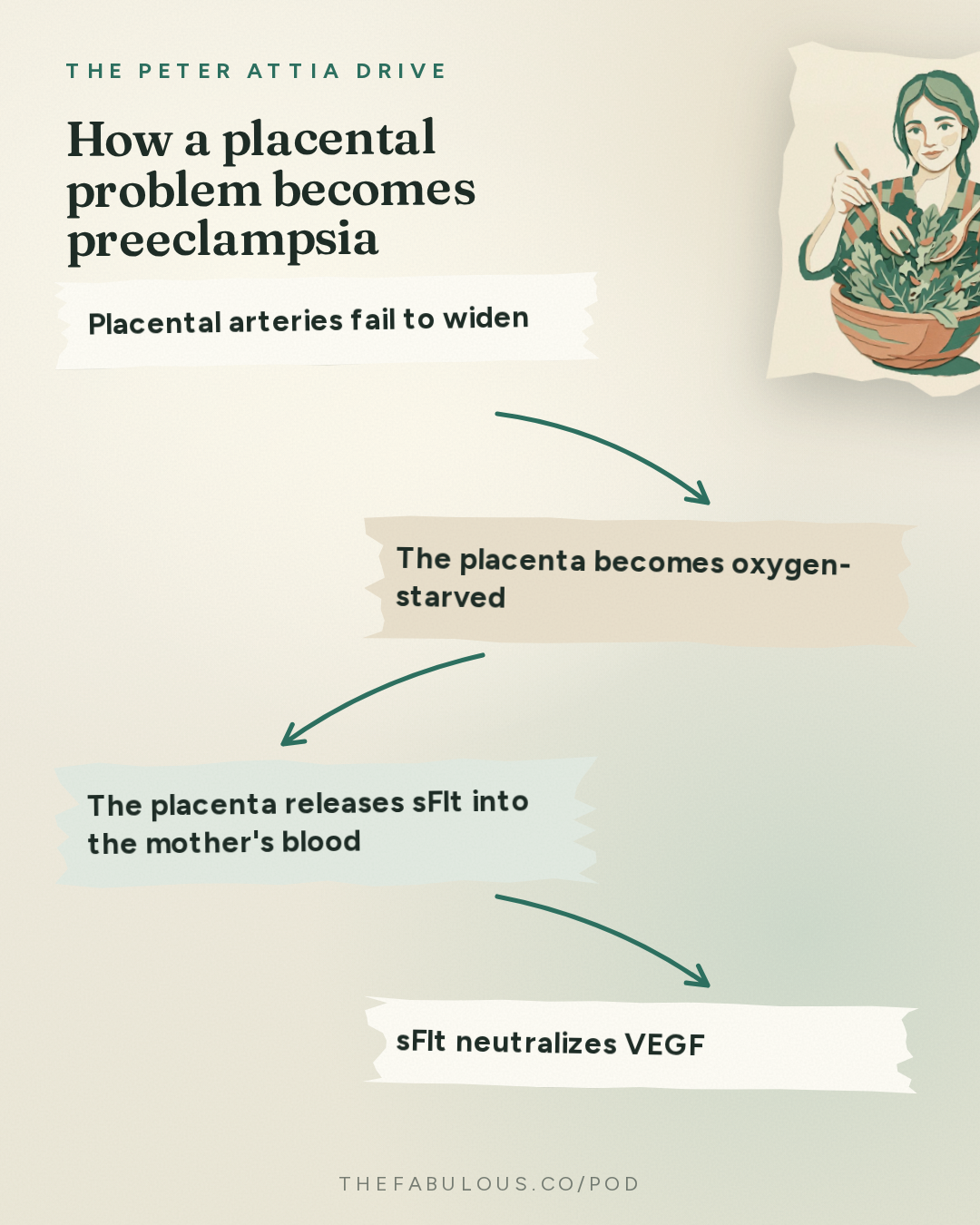
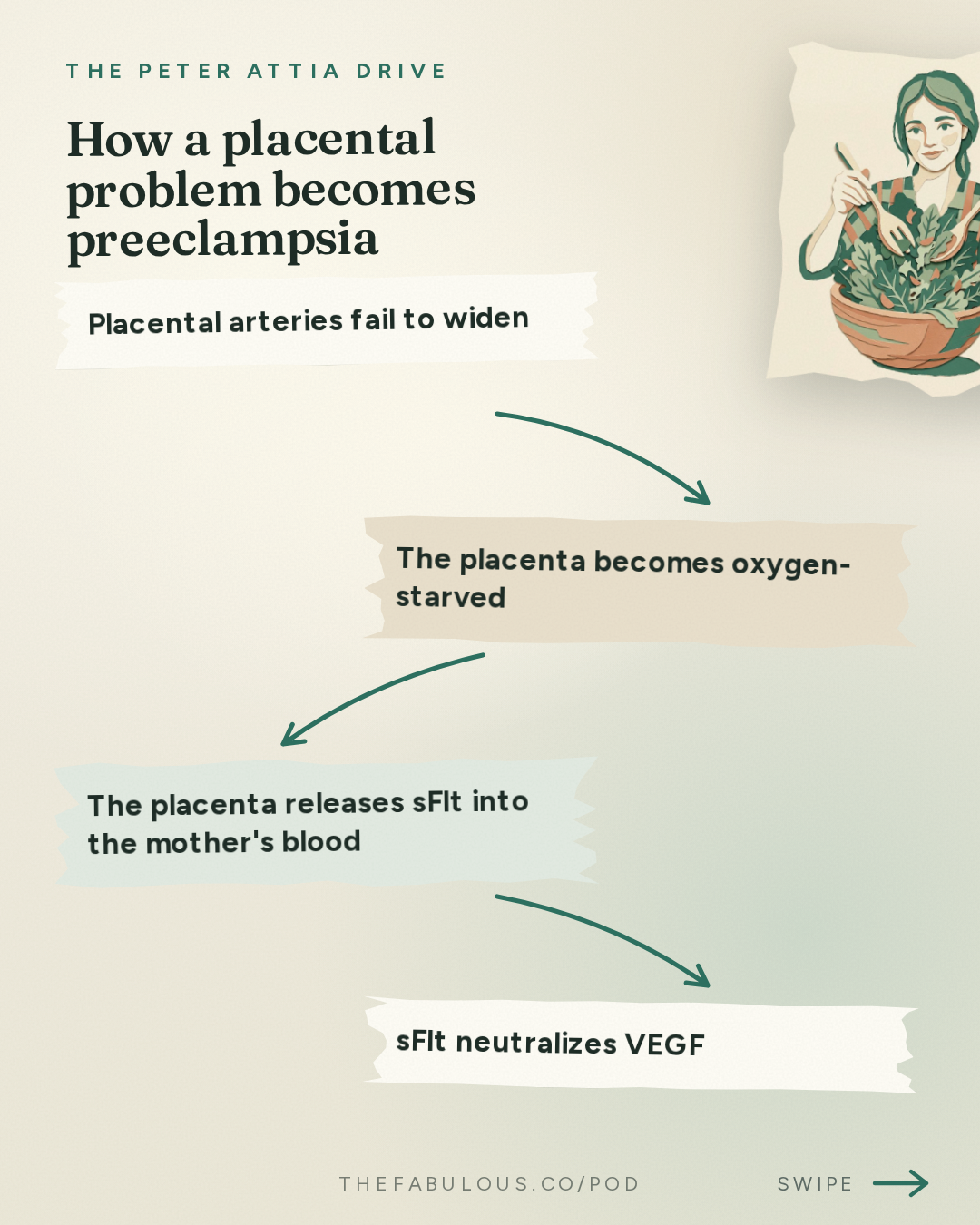
The mechanism, worked out largely through research by nephrologist Ananth Karumanchi at Beth Israel in Boston, one of Gray's early mentors, starts in the placenta itself. Normally, placental cells called trophoblasts invade the mother's uterine arteries and widen them into low-pressure vessels that can feed the placenta adequately. When that invasion falls short, the placenta becomes oxygen-starved, and in response it releases a protein called sFlt into the mother's bloodstream.
"That molecule soaks up the VEGF, an important growth factor for maintaining vessel endothelial cell function, and that affects both the endothelial cells of the maternal vessels and the endothelial cells in the glomerulus of the kidney." — Kathryn Gray [42:17]
VEGF, short for vascular endothelial growth factor, keeps the cells lining blood vessels functioning normally. Starve them of it, and vessels throughout the mother's body, including the glomerulus, the filtering unit of the kidney, start to fail. That single mechanism explains both halves of the diagnosis: the hypertension and the protein leaking into urine.
There is no cure for preeclampsia short of delivering the baby and the placenta. Doctors can buy time with antihypertensive drugs like nifedipine and labetalol (52:33), medications barely used outside pregnancy because they aren't especially good blood pressure drugs otherwise. ACE inhibitors and ARBs, which would be first-line for a non-pregnant hypertensive patient, are known to be unsafe for the fetus and are avoided entirely during pregnancy (52:54). Once the placenta is delivered, the underlying process usually resolves, though not always quickly. Some women's blood pressure normalizes within days; others need antihypertensive medication for six to twelve weeks, and some develop hypertension that never fully resolves (53:38).
That lingering effect is the part of the conversation that seems to matter most going forward. Cohort studies, Gray says, have shown for some time that hypertension during pregnancy, even when it resolves after delivery, predicts a woman's future risk of atherosclerotic cardiovascular disease (55:23). Part of the explanation is genetic overlap: the first large genome-wide association study of preeclampsia found that its strongest genetic signals were also among the strongest signals for essential hypertension generally (56:31). Pregnancy, in other words, may simply unmask a predisposition that was always there. But Gray is careful to note this has been known inside obstetrics for a long time without making its way into primary care, where a woman's history of preeclampsia or gestational diabetes rarely shows up on a cardiovascular risk questionnaire (55:41).
Delivery, and what gets left unfunded
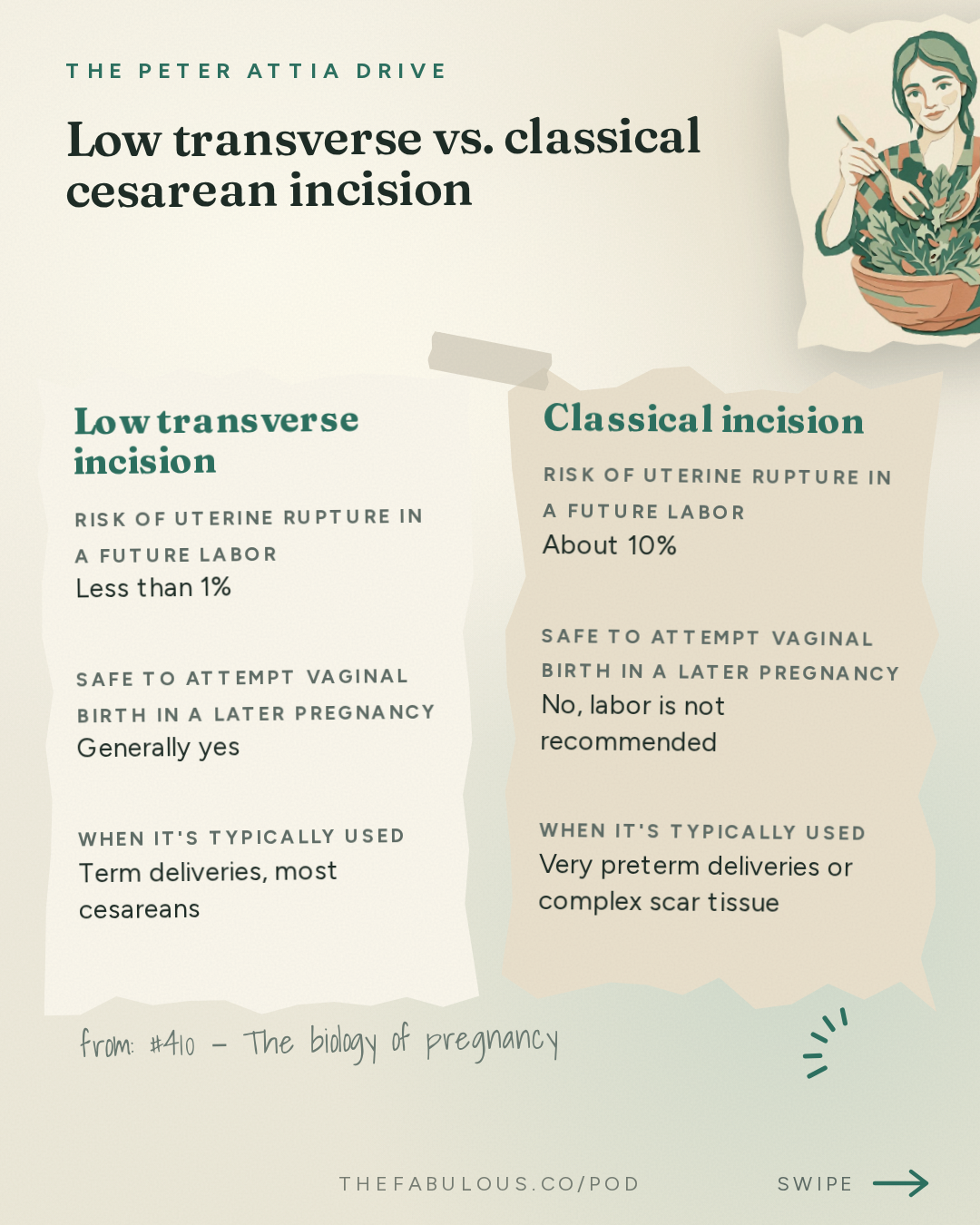
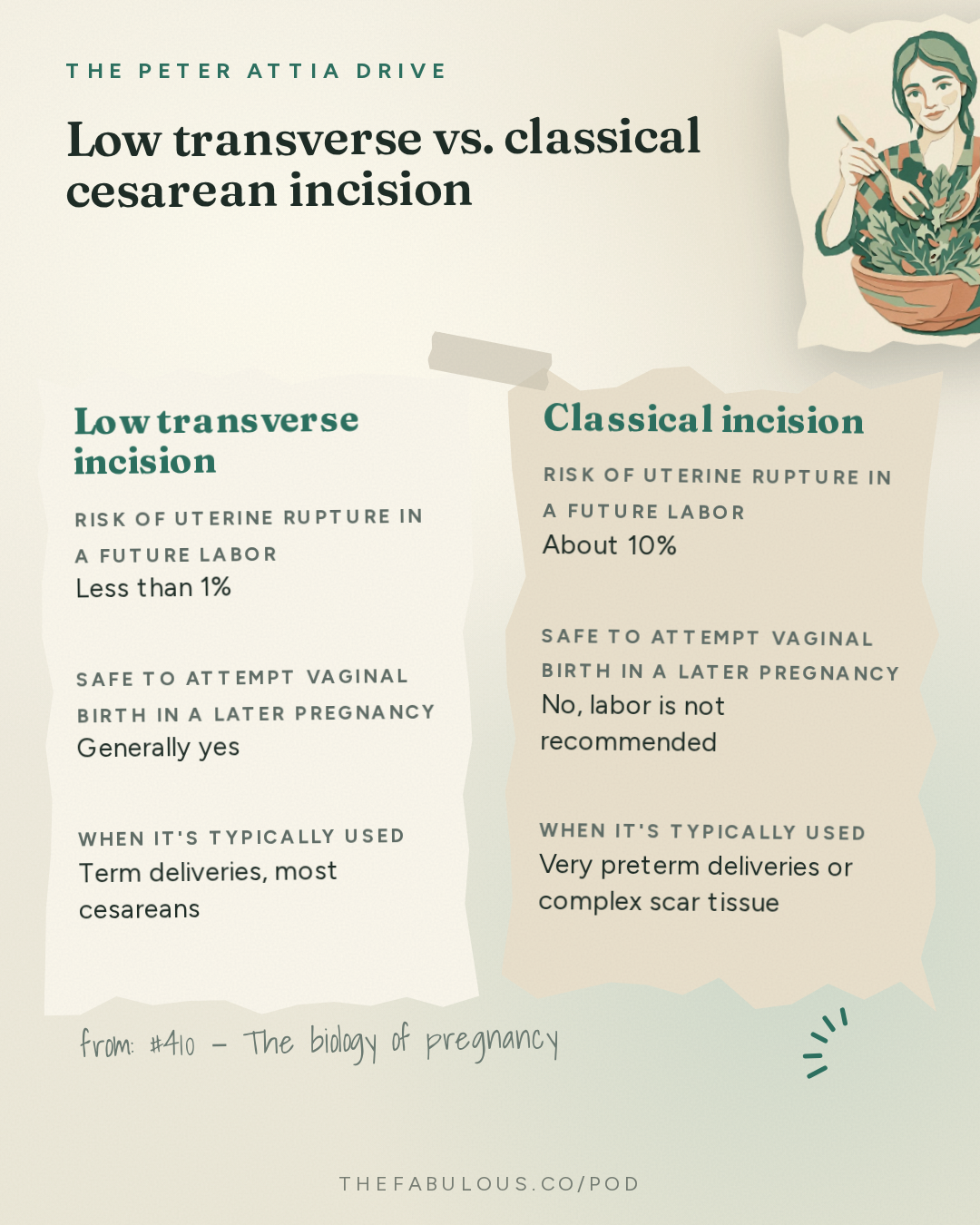
The back half of the conversation turns to delivery itself, where the data are more mundane but still surprising. Cesarean section rates have roughly tripled over the past fifty years, from around 10% to about 30% at many academic medical centers today (63:55). Roughly 20% of deliveries that start out expected to be vaginal convert to cesarean along the way (103:06), for reasons ranging from a non-reassuring fetal heart tracing to labor that simply fails to progress. The choice of incision matters for the future: a low transverse incision, cut low and sideways across the uterus, carries less than a 1% risk of rupture in a later labor, while a classical incision, cut vertically through thicker uterine muscle (typically necessary for very preterm deliveries), carries roughly a 10% rupture risk, high enough that Gray says women with that incision are advised not to labor again (66:08, 67:04).
Stillbirth, defined as any fetal death after 20 weeks, occurs in about one in 160 pregnancies in the United States (70:31), a number Gray calls startling even to her. Despite full workups, including placental pathology, fetal autopsy, and genetic testing, around half of these cases remain unexplained (72:48).
The conversation ends on funding, not biology. Gray points out that the NIH institute that funds the most pregnancy-related research, the National Institute of Child Health and Human Development, does not have the word pregnancy anywhere in its name.
"We still lack interventions and treatments because of lack of investment in research in this area." — Kathryn Gray [113:30]
It is a small, telling detail: an entire field named for the child it eventually produces, not for the body that does the work. Gray's larger point, threaded through the whole conversation, is that pregnancy offers a uniquely early and uniquely legible readout of a woman's long-term health, hypertension, metabolism, kidney reserve, laid bare years or decades before those systems would otherwise show strain. The information is already being collected, in blood pressure cuffs and glucose tests, at every prenatal visit. What's missing, she argues, is the institutional memory to carry it forward.
Ask this episode anything
Pod's AI answers from the episode itself, with the minute mark so you can hear it yourself.
Or start with one of these
Ask this episode
Pod's AI listens to the whole episode to answer, and points you to the minute it comes from.
The rest of this answer, and any question after it
Answers come from the episode itself, never from a summary of it.
ContinueKey takeaways
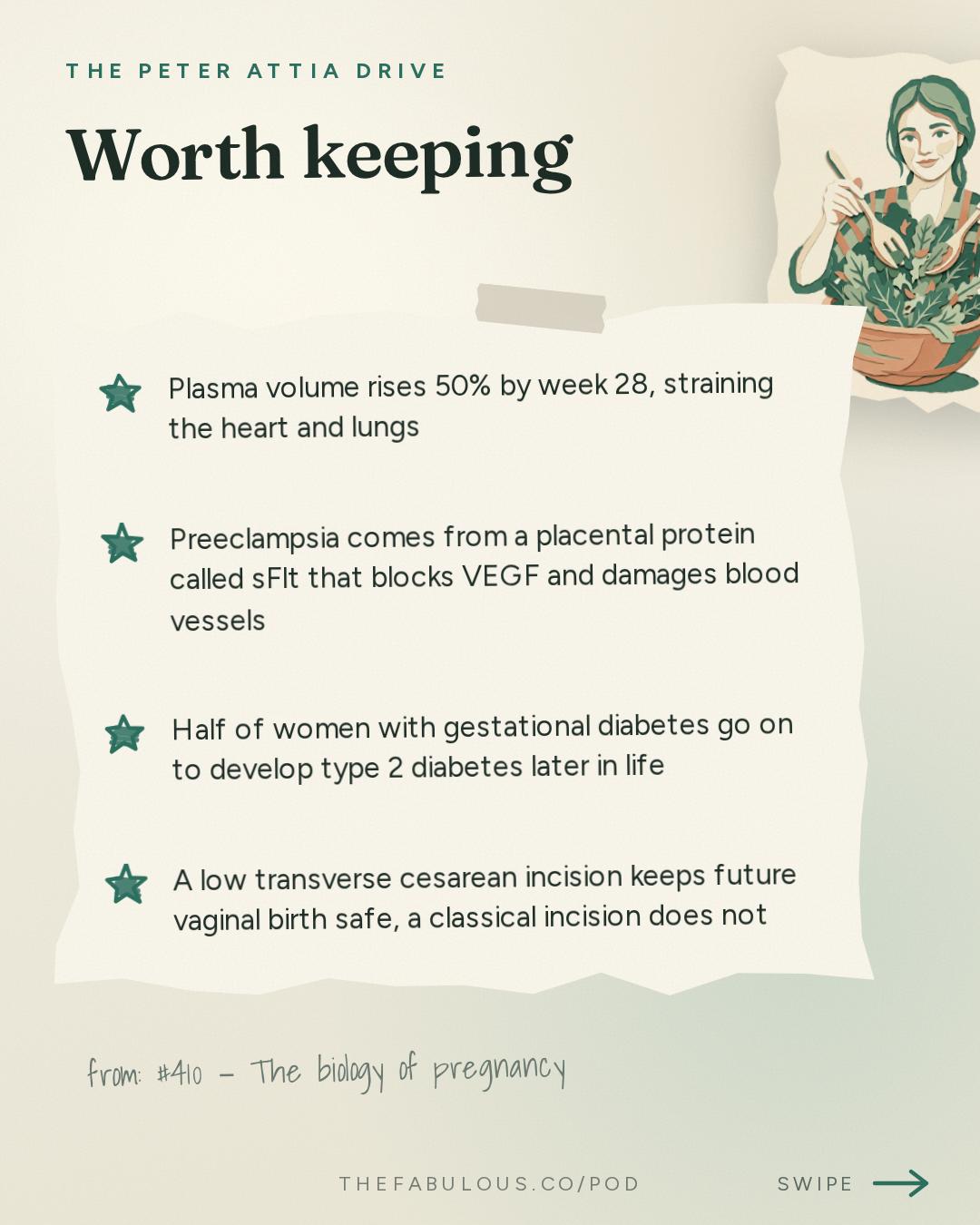
- Plasma volume rises 50% by week 28, straining the heart and lungs
- Preeclampsia comes from a placental protein called sFlt that blocks VEGF and damages blood vessels
- Half of women with gestational diabetes go on to develop type 2 diabetes later in life
- A low transverse cesarean incision keeps future vaginal birth safe, a classical incision does not
- US maternal research is underfunded, even the NIH institute for child health funds most pregnancy studies
The episode in cards

By the numbers
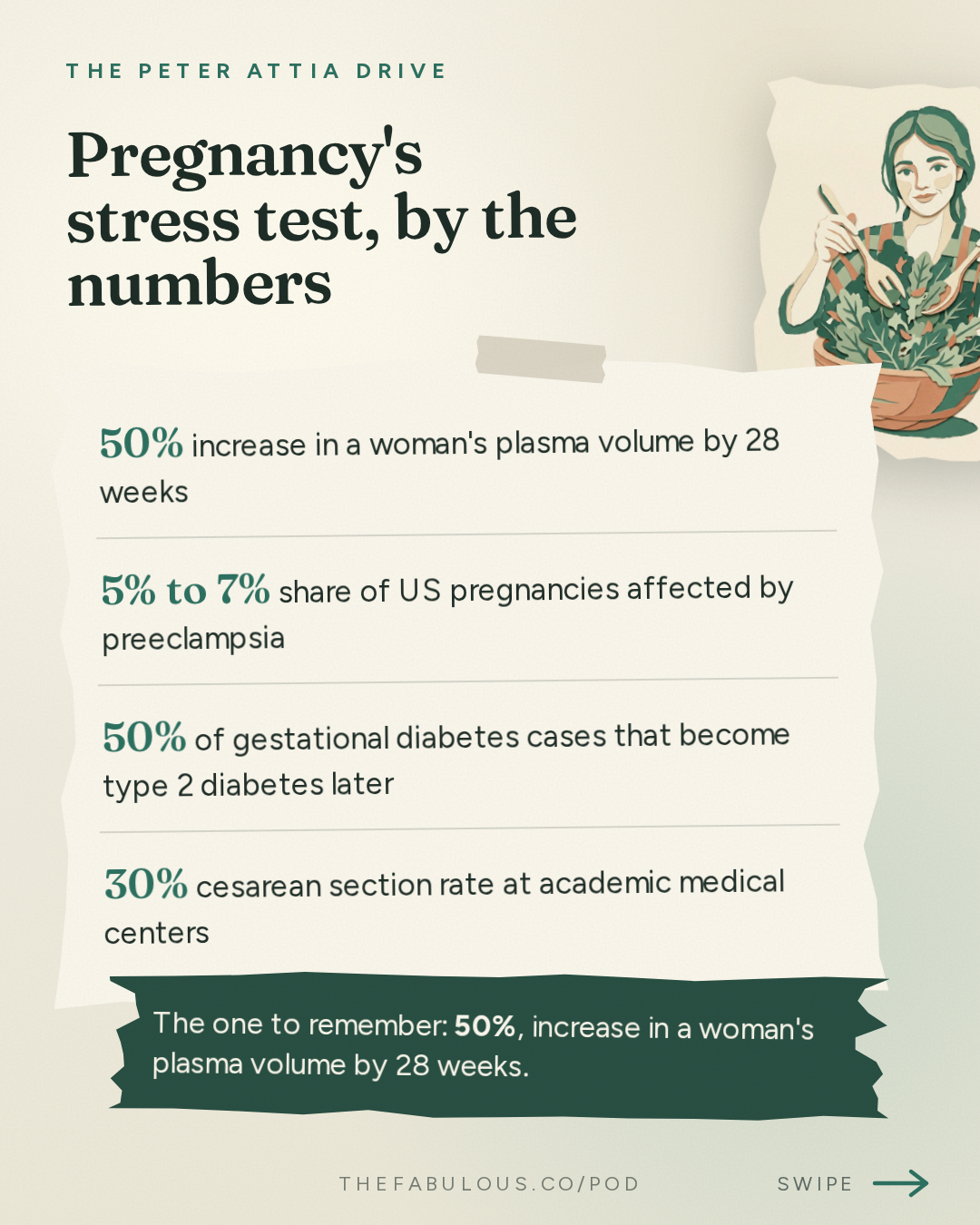
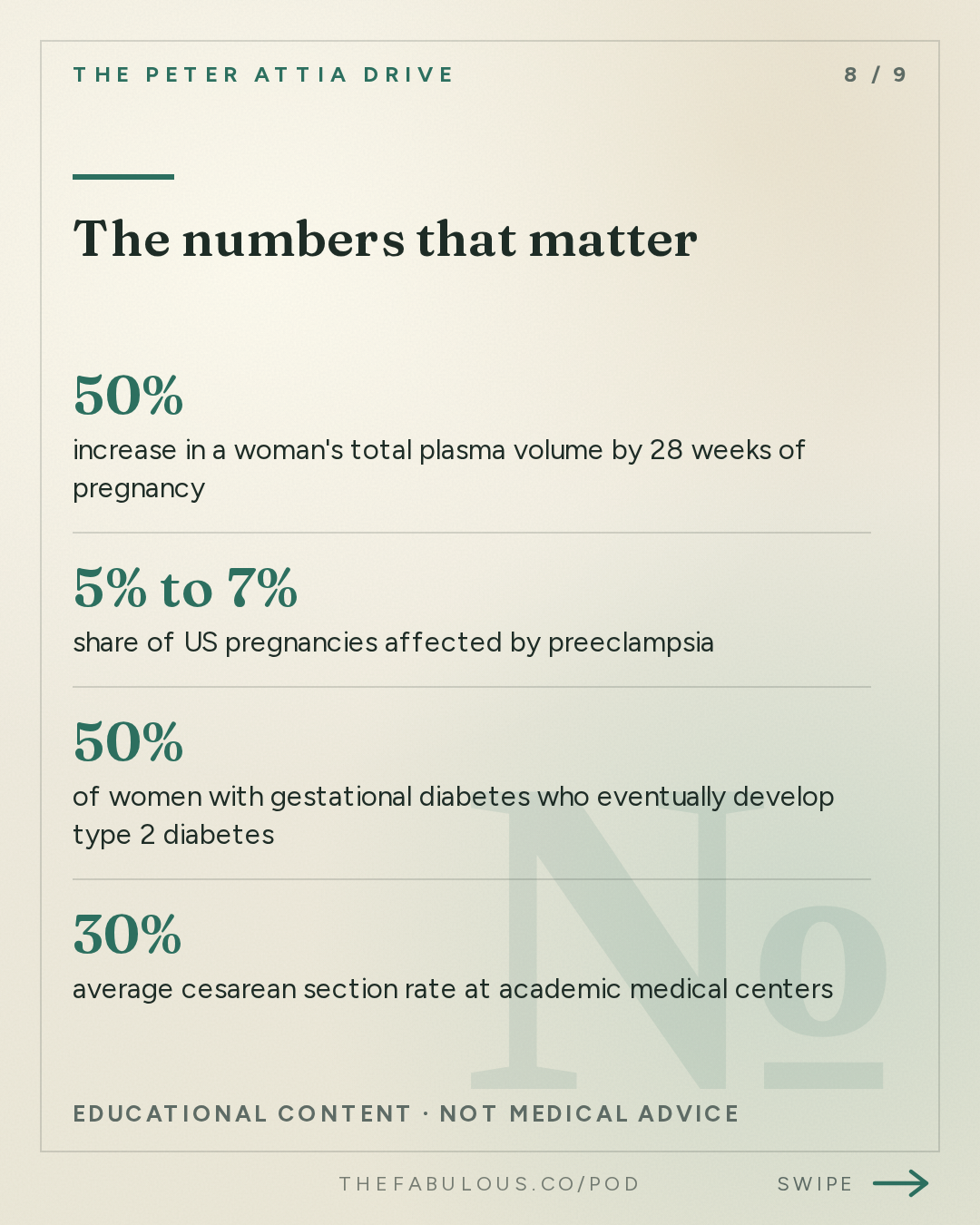
- 50% percent increase in a woman's total plasma volume by 28 weeks of pregnancy
- 5% to 7% percent share of US pregnancies affected by preeclampsia
- 50% percent of women with gestational diabetes who eventually develop type 2 diabetes
- 30% percent average cesarean section rate at academic medical centers
In their words
“By the time you recognize the pregnancy, it's already kinda too late to bring u-up folic acid levels”
“What occurs in a woman's pregnancy can be a window into her health later in life.”
Protocols
-
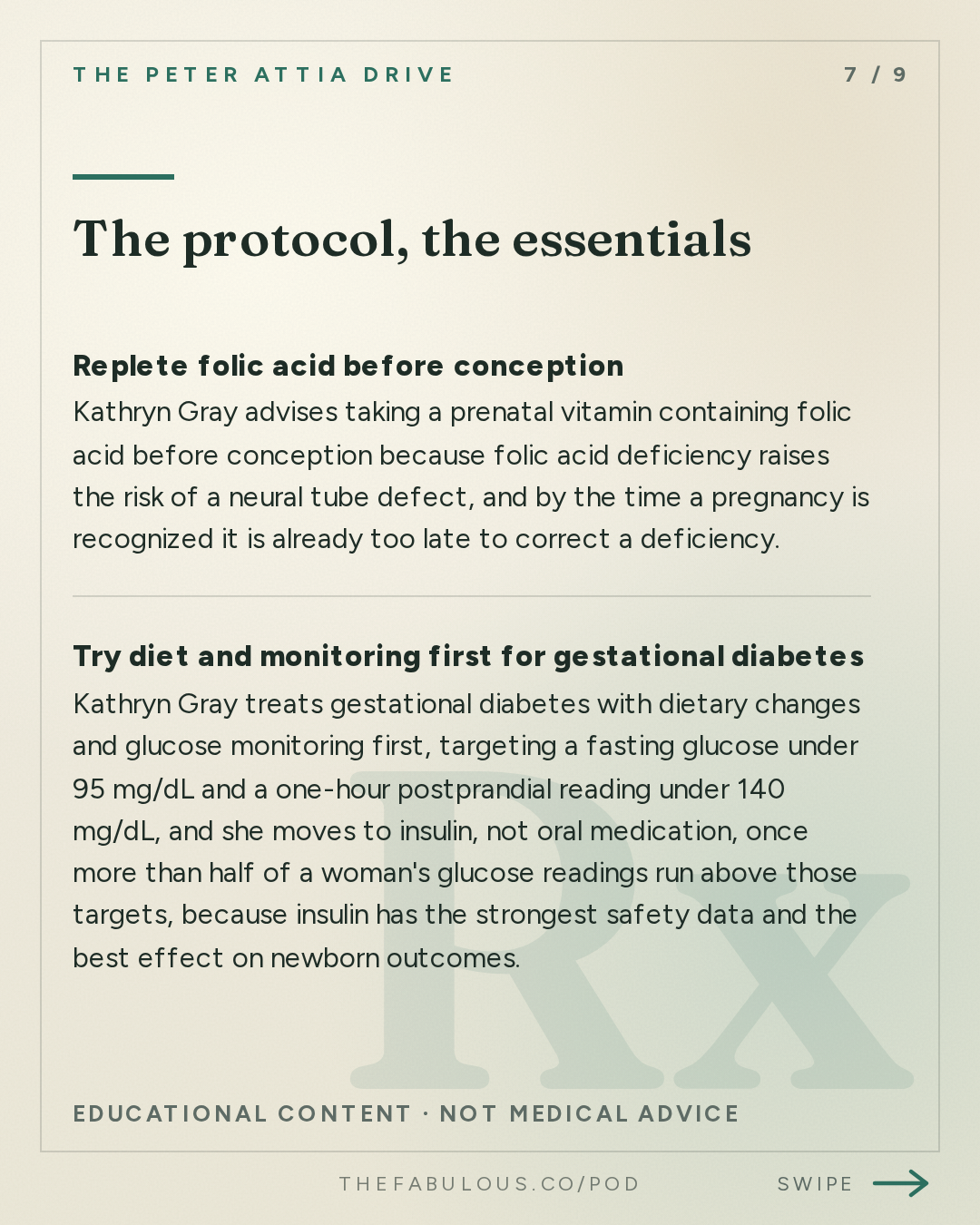
Replete folic acid before conception
Kathryn Gray advises taking a prenatal vitamin containing folic acid before conception because folic acid deficiency raises the risk of a neural tube defect, and by the time a pregnancy is recognized it is already too late to correct a deficiency.
daily, starting before conception
-
Try diet and monitoring first for gestational diabetes
Kathryn Gray treats gestational diabetes with dietary changes and glucose monitoring first, targeting a fasting glucose under 95 mg/dL and a one-hour postprandial reading under 140 mg/dL, and she moves to insulin, not oral medication, once more than half of a woman's glucose readings run above those targets, because insulin has the strongest safety data and the best effect on newborn outcomes.
reassessed within one to two weeks of diagnosis
-
Deliver quickly after a HELLP syndrome diagnosis
Kathryn Gray's team gives betamethasone to mature the fetal lungs and plans delivery within 48 hours once HELLP syndrome (hemolysis, elevated liver enzymes, and low platelets) is diagnosed, because the condition is not managed expectantly the way milder preeclampsia can be.
within 48 hours of diagnosis
-
Choose a low transverse incision to protect future deliveries
Kathryn Gray notes that a low transverse cesarean incision, cut low and sideways across the uterus, carries less than a 1% risk of rupture and allows a woman to safely attempt labor in a later pregnancy, while a classical up-and-down incision carries about a 10% rupture risk and means she should not labor again.
decided at the time of cesarean delivery
Questions this episode answers
Does preeclampsia increase long-term heart disease risk?
Cohort studies show that hypertension during pregnancy, even when it resolves after delivery, predicts later atherosclerotic cardiovascular disease (55:23). Much of this link traces to shared genetics: the first maternal genome-wide association study of preeclampsia found its top genetic signals overlap with those for essential hypertension (56:31).
What causes preeclampsia?
Maternal-fetal medicine specialist Kathryn Gray describes a model in which incomplete placental invasion of the uterine arteries causes placental hypoxia, prompting the placenta to release an anti-angiogenic protein called sFlt that neutralizes VEGF and damages the blood vessel linings in the kidney and body, producing the hypertension and protein in urine that define the condition (42:17).
Does gestational diabetes mean a woman will get type 2 diabetes?
Not always, but Gray says about fifty percent of women diagnosed with gestational diabetes eventually develop type 2 diabetes, which is why she recommends frequent follow-up screening and lifestyle changes after delivery (57:50).
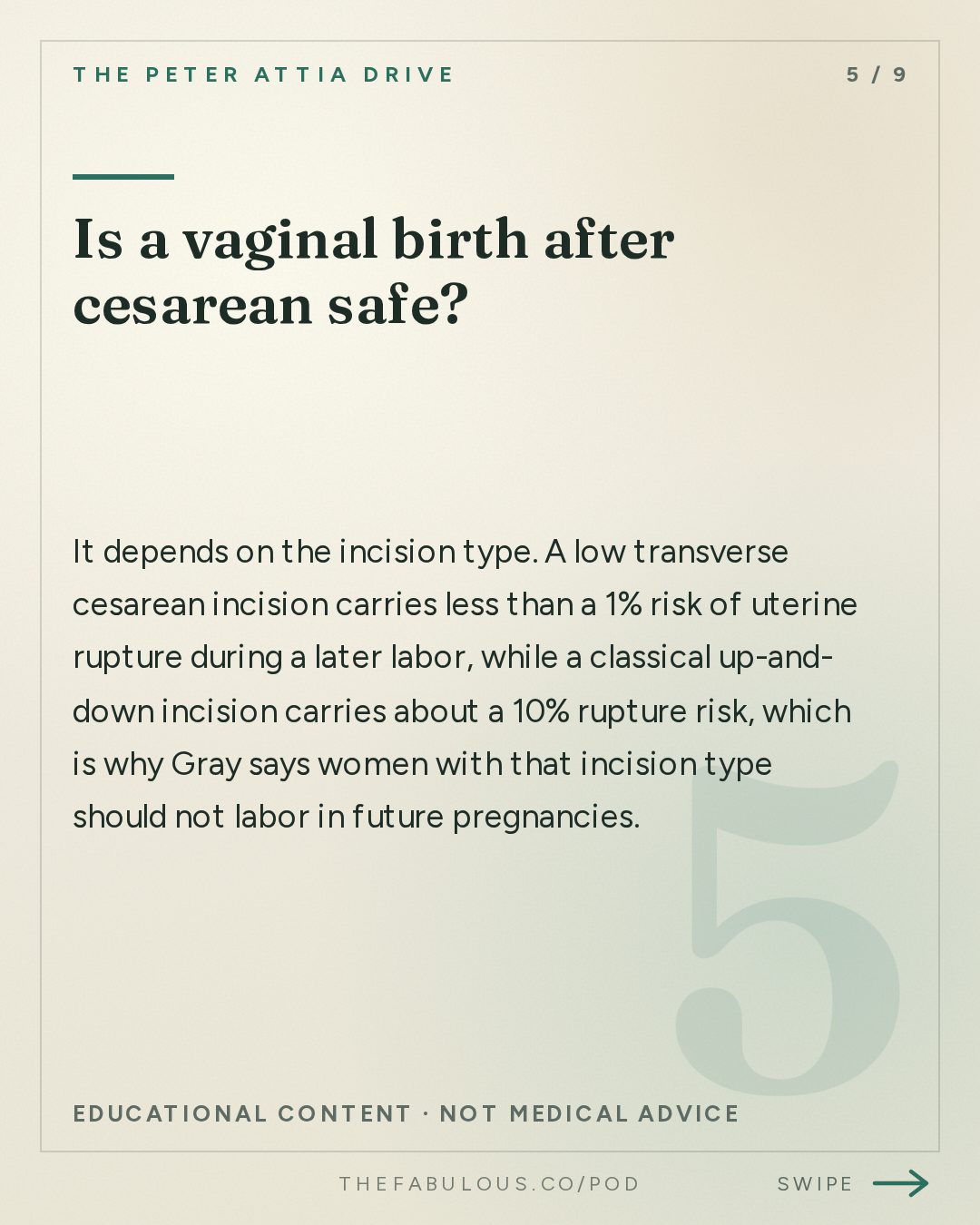
Is a vaginal birth after cesarean safe?
It depends on the incision type. A low transverse cesarean incision carries less than a 1% risk of uterine rupture during a later labor, while a classical up-and-down incision carries about a 10% rupture risk, which is why Gray says women with that incision type should not labor in future pregnancies (66:08, 67:04).
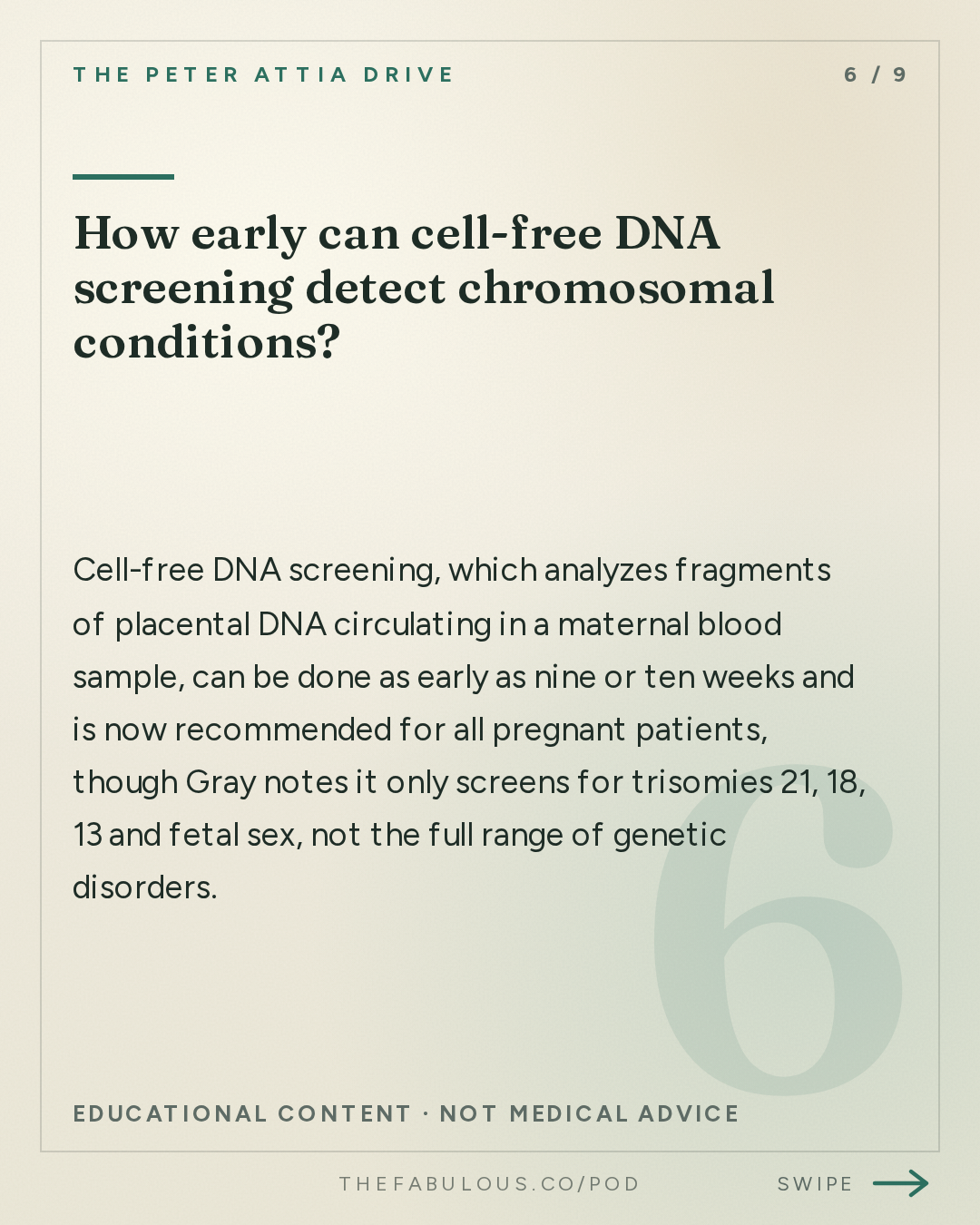
How early can cell-free DNA screening detect chromosomal conditions?
Cell-free DNA screening, which analyzes fragments of placental DNA circulating in a maternal blood sample, can be done as early as nine or ten weeks and is now recommended for all pregnant patients, though Gray notes it only screens for trisomies 21, 18, 13 and fetal sex, not the full range of genetic disorders (94:19).
Why is maternal health research underfunded?
Gray points out that the NIH institute that funds the most pregnancy-related research, the National Institute of Child Health and Human Development, does not have the word pregnancy in its name, reflecting how maternal health has long been treated as secondary to child health in research funding (114:08).
The full read, in cards
Go deeper
- Karumanchi placental microarray studies on sFlt — identified upregulation of the anti-angiogenic protein sFlt in preeclamptic placentas, revealing a causal mechanism
- First maternal genome-wide association study of preeclampsia — found its top genetic signals overlap with those for essential hypertension, linking the two conditions genetically
Mentioned
Kathryn Gray · University of Washington · Ananth Karumanchi · Judah Folkman · GDF15 · sFlt · ACOG · NIH · NICHD · Cell-free DNA screening · Betamethasone
More from this show and category
Lloyd Klickstein on How New Drugs Get Made
Physician-scientist Lloyd Klickstein maps the full arc of drug development, from spotting an unmet need to FDA approval, using the muscle drug bimagrumab as his case study. Paired with semaglutide, it cut body fat by 45.7% over 72 weeks (125:28), rivaling bariatric surgery, while exposing the economics of patents, manufacturing, and phase one risk.
Peter Attia on Thyroid Health: Diagnosis and Risks
Peter Attia says thyroid problems are hard to diagnose because T4, the hormone the gland secretes, is inactive until tissues convert it locally into T3. TSH only shows how hard the gland is being told to work, not what's happening inside organs, so both under-treating real disease and over-treating borderline labs, common in functional medicine, cause real harm.
Obeticholic Acid for Heart Disease and Alzheimer's
Cardiologist Michael Davidson argues heart disease and Alzheimer's share a root cause: cholesterol mismanaged over decades, not years. His new CETP-inhibitor drug, obeticholic acid, cuts LDL by up to 50%, raises HDL 150%, and shows early signals of slowing Alzheimer's biomarkers in ApoE4 carriers (68:43).
Peter Attia's Blood Pressure Protocol Explained
High blood pressure above 120/80 doubles cardiovascular death risk with each 20 mmHg rise in systolic pressure, physician Peter Attia explains. He breaks down what the SPRINT and STEP trials proved about aggressive treatment, how to measure blood pressure correctly at home, and why weight loss, exercise, sleep, and sodium timing can lower it as much as medication.
