
PMOS vs PCOS: New Diagnosis Criteria Explained
What Your Doctor May Be Missing: The Real Reason for Moodiness, Acne, Weight Gain, and Anxiety
▶ Listen to the full episode More from The Mel Robbins Podcast
The brief
OBGYN Dr. Thais Aliabadi argues that PCOS (now renamed PMOS), endometriosis, and PMDD are routinely misdiagnosed as anxiety or stress. She traces each to a physical mechanism, insulin resistance, immune dysfunction, hormone-sensitive brain circuits, and gives exact diagnostic criteria and treatments, including a new blood test and a window-dosed SSRI protocol.
A 34-year-old woman walks into an OBGYN's office. She has just gotten married. She has spent twenty years with painful periods that seven or eight doctors called normal. An ultrasound finally tells her the truth: she has zero eggs left. "The only thing I wanted in life was to have a child," she tells Dr. Thais Aliabadi, the Los Angeles OBGYN known online as Dr. A, who has practiced for three decades and performs surgeries at an outcome level reached by fewer than 1% of gynecologic surgeons in the country (04:26). No one had ever diagnosed her endometriosis. No one had ever checked her egg count (08:14).
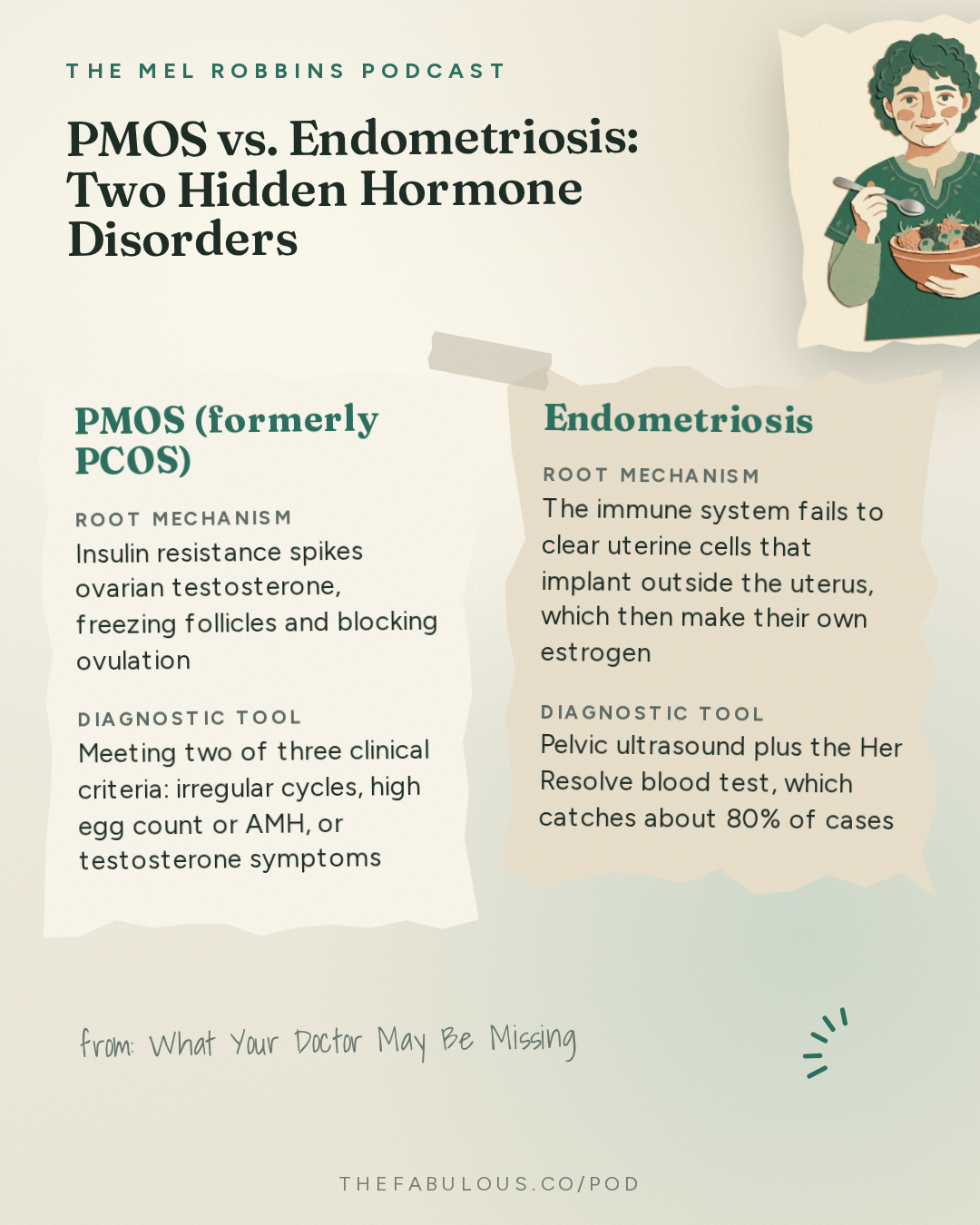
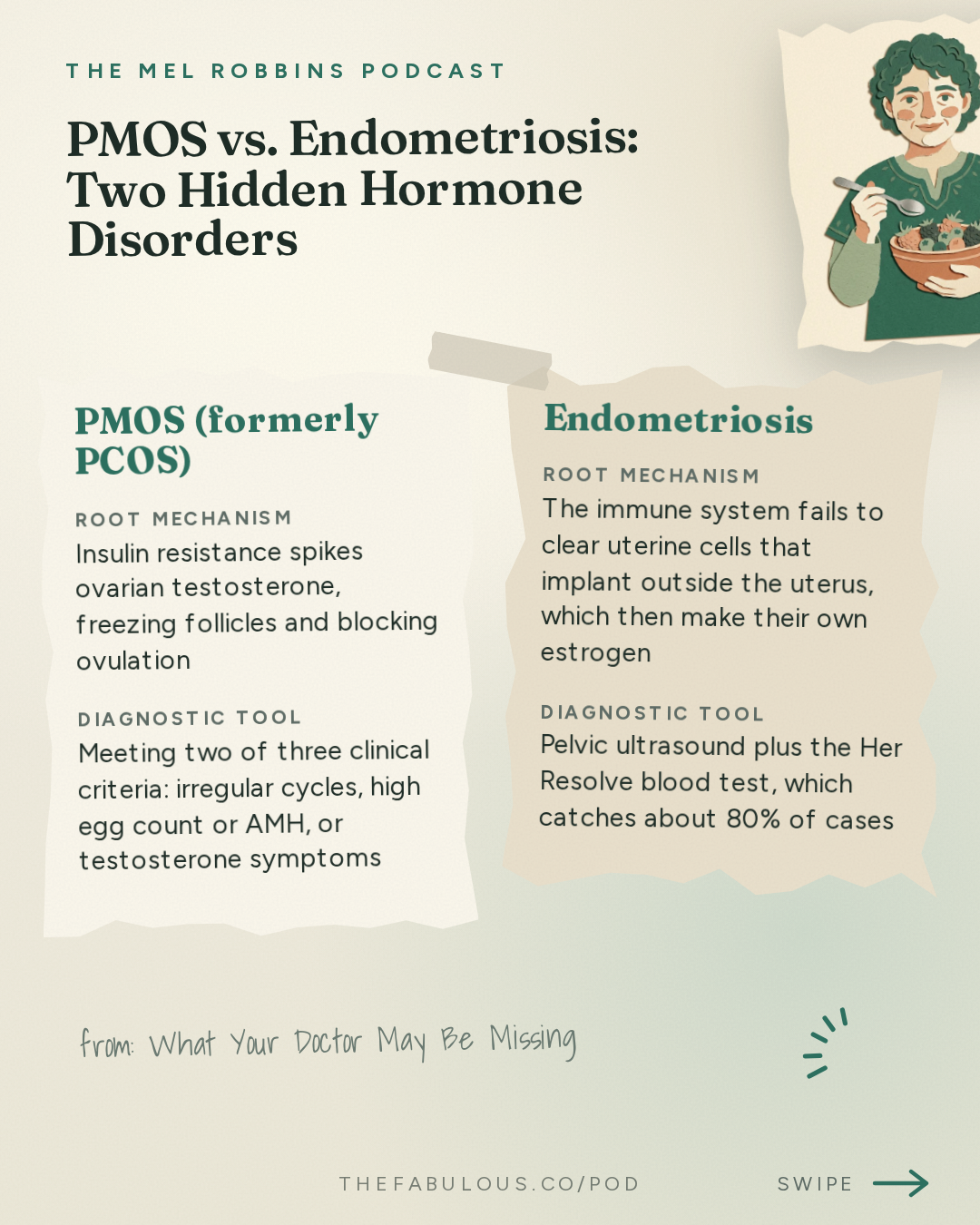
That story is the engine of this episode, and it explains why Aliabadi says the current name for one of the most common hormone disorders in women is wrong. Polycystic ovary syndrome, PCOS, implies cysts on the ovaries. There usually aren't any. She prefers PMOS, polyendocrine metabolic ovarian syndrome, a name that points at the actual problem: metabolism (10:35). PMOS affects about 15% of women, and 75% of them never get diagnosed (10:55, 00:29). The diagnosis itself is not complicated. A patient needs to meet two of three criteria: irregular ovulation, meaning cycles longer than 35 days or fewer than eight periods a year; a high egg count on ultrasound or an elevated AMH blood test; and physical signs of excess testosterone such as acne, facial hair, or hair thinning (10:55, 11:42). A normal blood testosterone level does not rule it out.
The mechanism Aliabadi describes is almost mechanical. Eat carbohydrates, the body makes glucose, the pancreas releases insulin to push that sugar into cells. In PMOS, the cells resist the insulin's signal. Sugar bounces around in the blood instead of being absorbed, so insulin keeps climbing. That high insulin tells the liver to store the unused sugar as visceral fat, the inflammatory kind packed around organs rather than under skin (14:59). It also does something stranger: even though the rest of the body has gone insulin resistant, the ovaries stay insulin sensitive. The excess insulin stimulates cells in the ovary called theca cells to pump out testosterone, and that testosterone is toxic to the small follicles waiting to mature each month. They freeze halfway, which is what produces the "string of pearls" appearance on an ultrasound that used to get this condition named for cysts that were never really there (15:28, 16:32).
The consequence that struck me most is what this does to mood. Aliabadi describes the brain's limbic system, the seat of emotion, as needing calm conditions to stay calm: steady estrogen, normal testosterone, low inflammation, and progesterone, which has a soothing effect on the brain. PMOS wrecks all four. Frozen follicles secrete estrogen erratically. Without ovulation, progesterone drops. Inflammation climbs. Meanwhile the prefrontal cortex, which is supposed to act as a brake on emotional reactivity, needs the same steady chemistry and doesn't get it either.
"You have a car going 100 miles an hour down the street, and the brake doesn't work." — Dr. Thais Aliabadi [19:01]
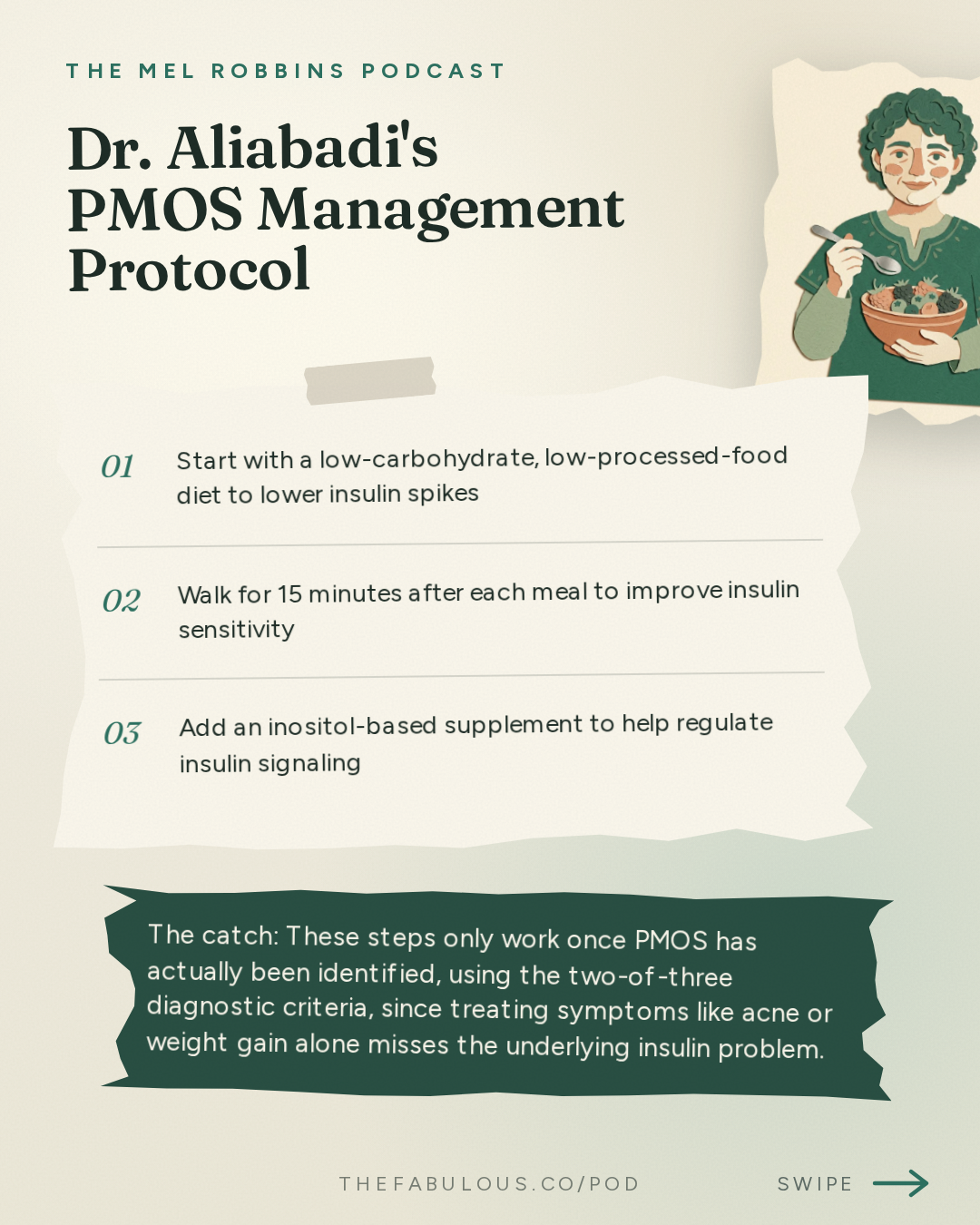
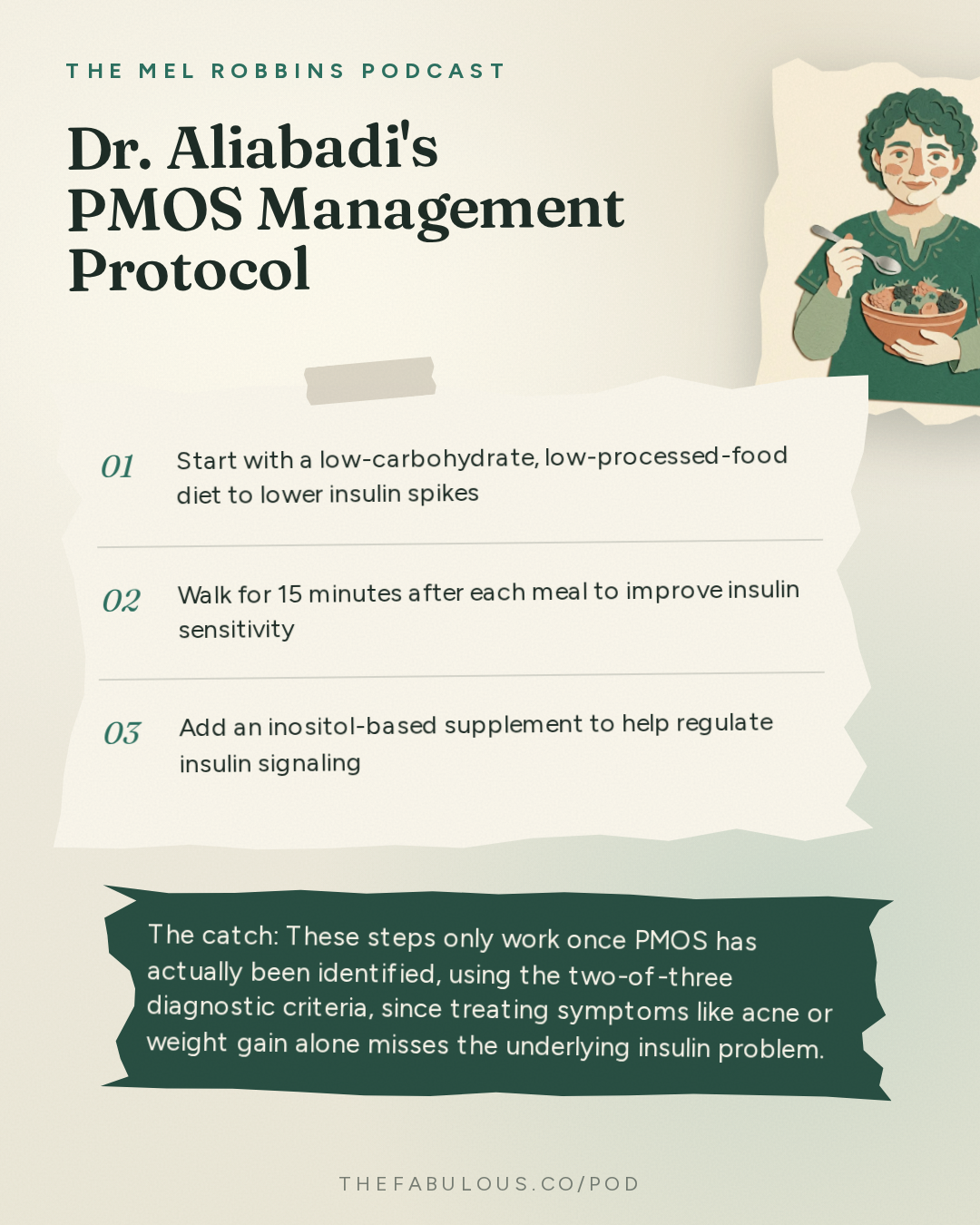
Where do these patients end up, she asks. A dermatologist for the acne. A psychiatrist for the anxiety or the eating disorder. A fertility clinic when they can't get pregnant. Rarely does anyone connect the dots back to the original, treatable problem, which is metabolic. "If you address their metabolic dysfunction," she says, "you lift that first puzzle, and the domino gets fixed" (19:41). Her first-line approach is not exotic: cut processed carbohydrates, walk for 15 minutes after meals to blunt the insulin spike, try an inositol supplement, and, depending on the patient, metformin or a GLP-1 medication, the same drug class behind Ozempic, used here specifically to correct insulin resistance rather than just to suppress appetite (25:31, 26:19).
The Diagnosis Nobody Has
Endometriosis gets a harsher verdict. The published rate is about 10% of women, but Aliabadi believes the real number is 20% or higher, because so many cases go unfound (27:27). It takes nine to eleven years, on average, for a diagnosis (27:27, 00:29). The condition starts when endometrial cells, the kind that normally line the uterus and shed as a period, travel out through the fallopian tubes. In most women the immune system clears these stray cells out. In endometriosis, the immune system fails to do that, and the cells attach instead, to the bladder, the bowel, behind the uterus, sometimes as high as the diaphragm (28:47). Each implant then builds its own blood supply, grows nerve fibers, and produces an enzyme called aromatase that lets it manufacture its own estrogen to keep growing (29:12). Over years, the constant nerve firing rewires how the brain and spinal cord process pain, a phenomenon called central sensitization, so a sensation that would register as mild in someone else becomes unbearable (30:28).
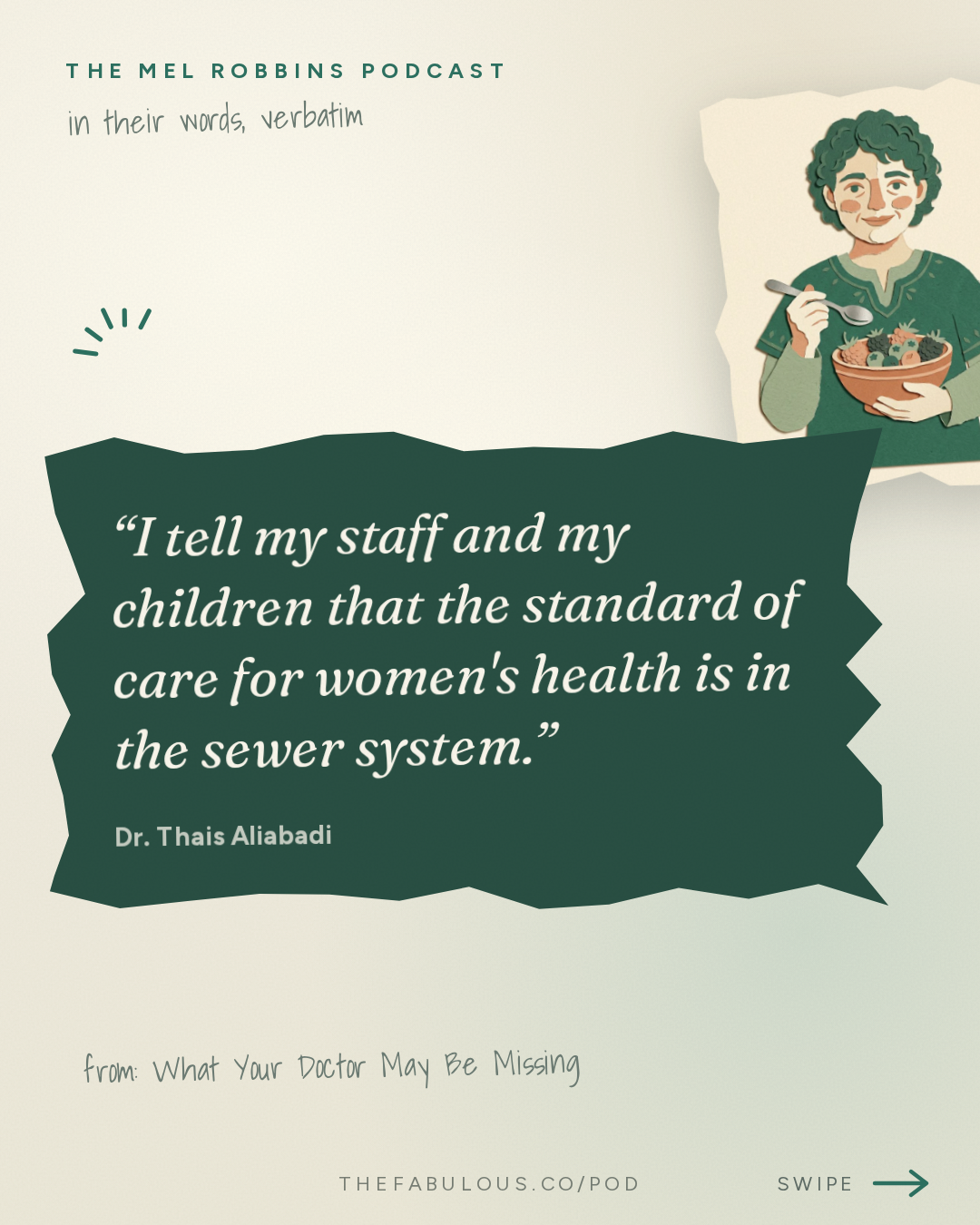
"I tell my staff and my children that the standard of care for women's health is in the sewer system." — Dr. Thais Aliabadi [09:08]
Part of the dismissal problem is structural: half of U.S. counties have no gynecologist at all (09:33). Part of it is diagnostic difficulty. Aliabadi estimates that fewer than 1% of gynecologists are trained to properly diagnose or operate on advanced endometriosis, and that if 100 gynecologists performed laparoscopic surgery on 100 suspected cases, roughly 40 would wake the patient up and report finding nothing, simply because the lesions are small and easy to miss (33:33). A newer blood test called Her Resolve catches about 80% of true cases; a positive result is meaningful, but a negative one does not clear a patient, so she recommends pairing it with a pelvic ultrasound (35:49). The gold-standard treatment is still laparoscopic excision, cutting out the implants directly, though hormonal IUDs and a drug class called GnRH antagonists, which suppress estrogen and can make patients pain-free within about two months, are often used alongside or before surgery (32:57, 34:16).
What to Ask For
PMDD, premenstrual dysphoric disorder, is a separate condition, a severe form of PMS affecting 3 to 5% of women in which mood crashes for 10 to 14 days a month and then lifts almost overnight once the period starts (42:04, 42:39). Aliabadi's treatment is precise rather than constant. She often starts patients on the birth control pill Yaz to stop ovulation, which removes the hormonal swing that triggers the crash (43:33). For SSRIs, she avoids treating the whole month. Patients take Prozac at 20 milligrams once a day, or Zoloft at 25 milligrams, only during the window before their period, then stop (44:48). "The PMDD brain is extremely responsive to SSRIs," she says, "during that window," which is why continuous dosing usually is not necessary (44:48).
She is also direct about a myth she sees spreading online: that birth control pills cause infertility. They don't. Women who stop the pill after years of use and then struggle to conceive are usually uncovering an underlying condition, often PMOS or endometriosis, that the pill had been masking rather than causing (48:51). The pill raises a protein called sex hormone binding globulin, which mops up free testosterone and is part of why skin, hair, and cycle regularity often improve on it (47:20). Off the pill, those symptoms can resurface, not because the pill damaged anything, but because nothing underneath was ever treated.
The numbers on egg count are sobering on their own terms. A fetus has six to seven million eggs at 20 weeks; by birth that drops to one to two million; by age 30 it's roughly 100,000 to 150,000; by menopause it is around 1,000 (49:41). Endometriosis and PMOS both accelerate that decline, through inflammation and scarring in the first case and through poor egg quality despite high counts in the second. Aliabadi says 61% of her PMOS patients also have endometriosis, so finding one condition should prompt a search for the other (50:55).
What ties PMOS, endometriosis, and PMDD together in this conversation is not biology so much as the pattern of being disbelieved. Aliabadi's closing instruction has nothing to do with lab values. Get a second opinion. If that fails, get a third.
"No one on this planet cares about your body or your health as much as you do." — Dr. Thais Aliabadi [52:46]
Ask this episode anything
Pod's AI answers from the episode itself, with the minute mark so you can hear it yourself.
Or start with one of these
Ask this episode
Pod's AI listens to the whole episode to answer, and points you to the minute it comes from.
The rest of this answer, and any question after it
Answers come from the episode itself, never from a summary of it.
ContinueKey takeaways
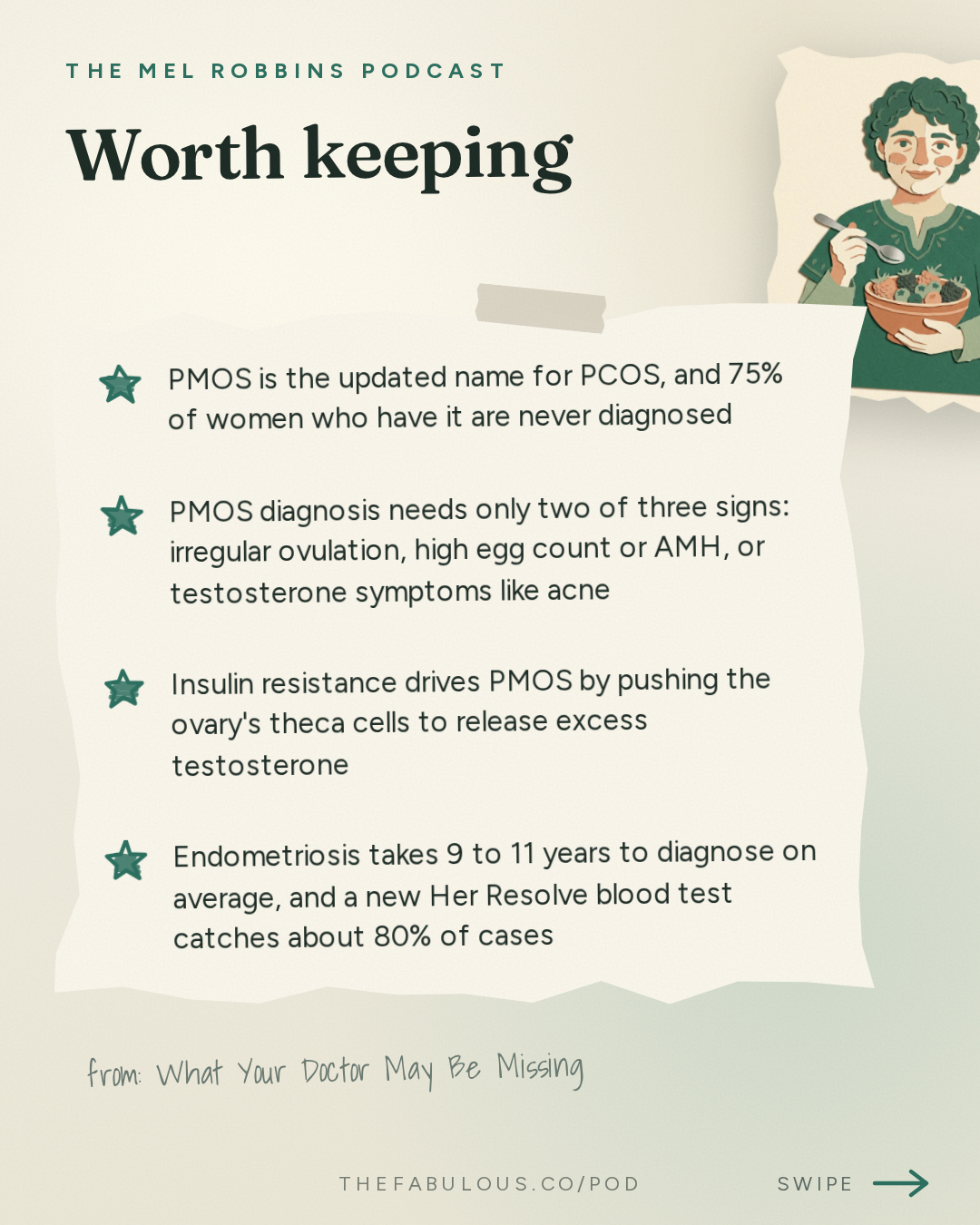
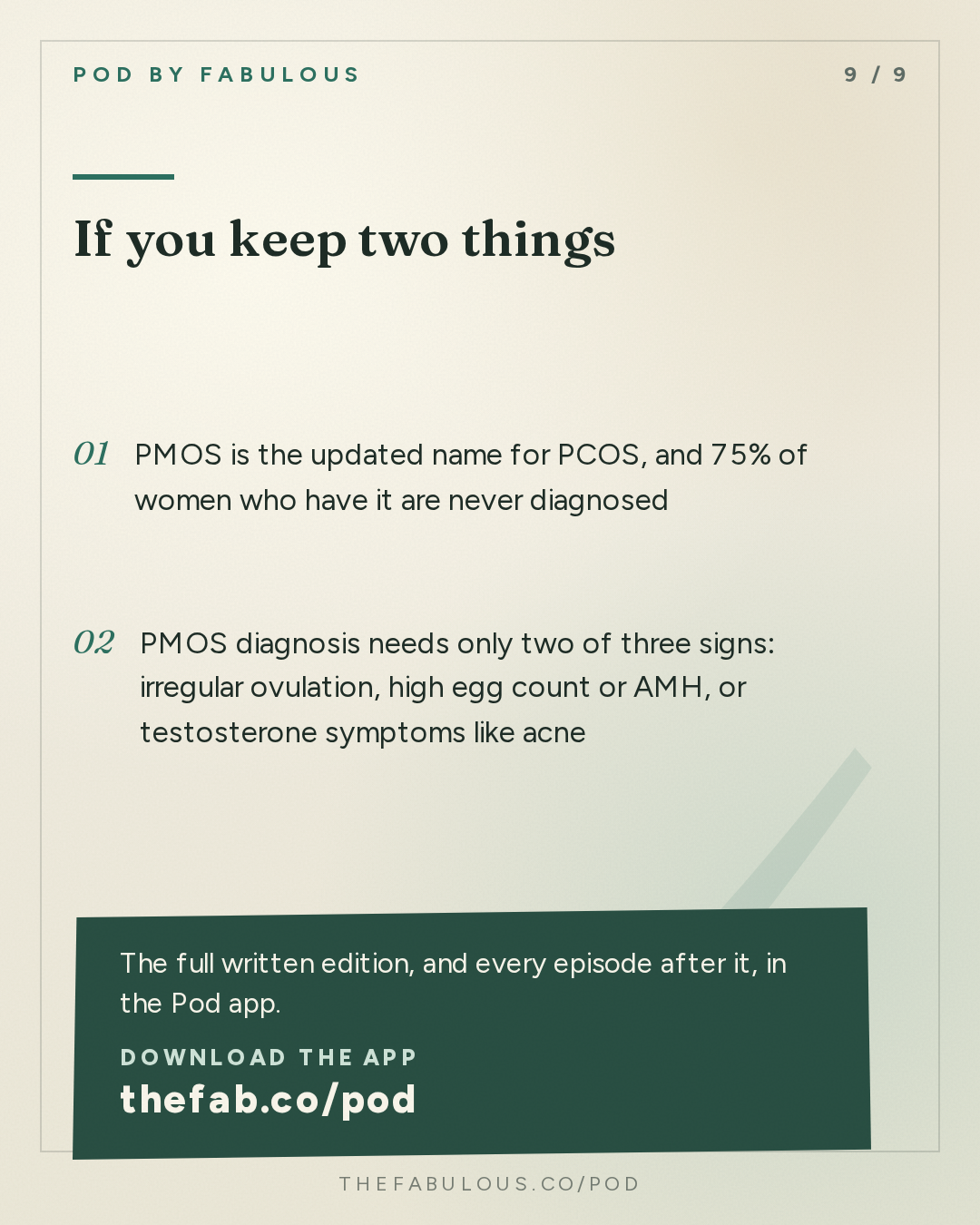
- PMOS is the updated name for PCOS, and 75% of women who have it are never diagnosed
- PMOS diagnosis needs only two of three signs: irregular ovulation, high egg count or AMH, or testosterone symptoms like acne
- Insulin resistance drives PMOS by pushing the ovary's theca cells to release excess testosterone
- Endometriosis takes 9 to 11 years to diagnose on average, and a new Her Resolve blood test catches about 80% of cases
- Birth control pills do not cause infertility, undiagnosed conditions like PMOS or endometriosis do
The episode in cards

By the numbers
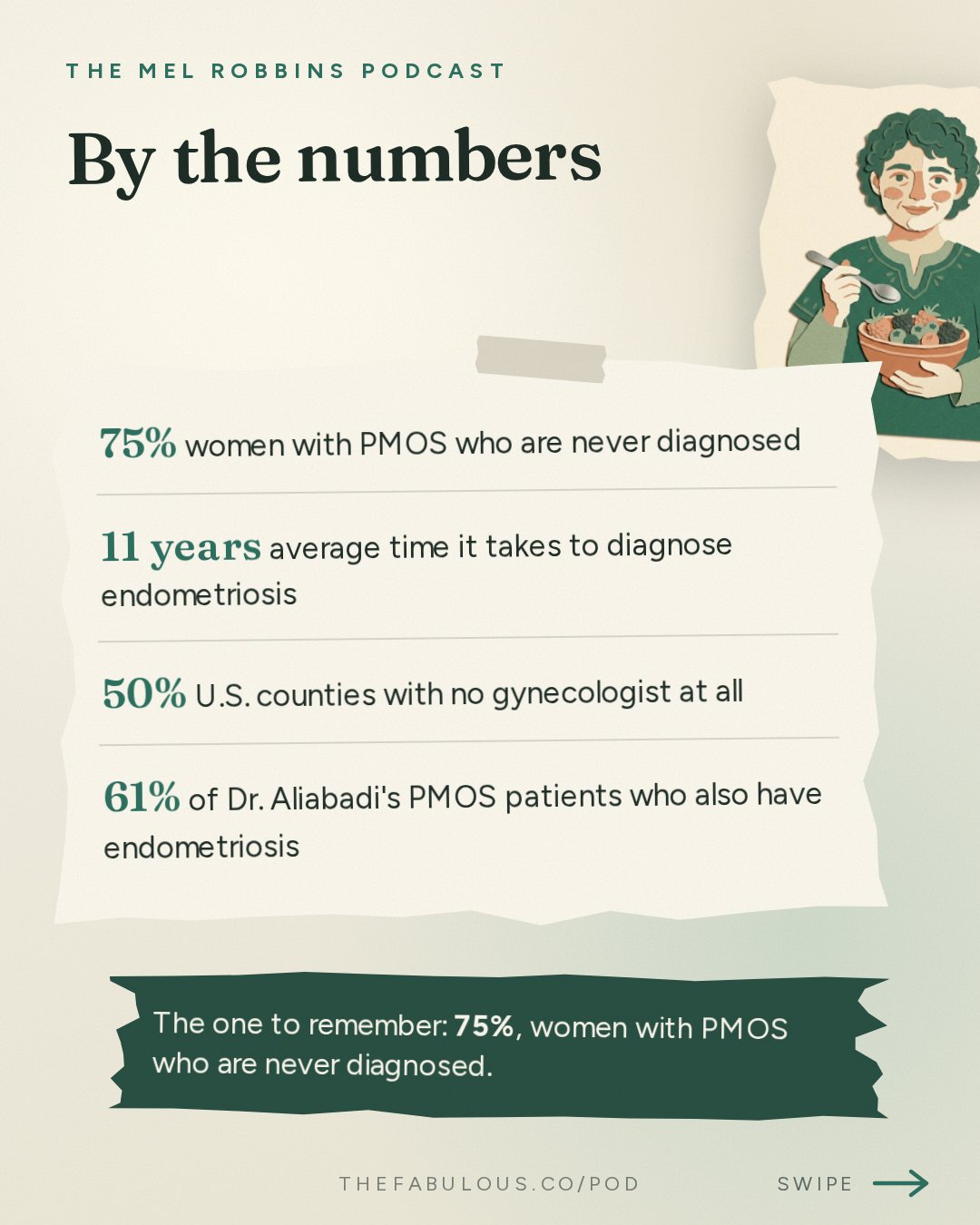
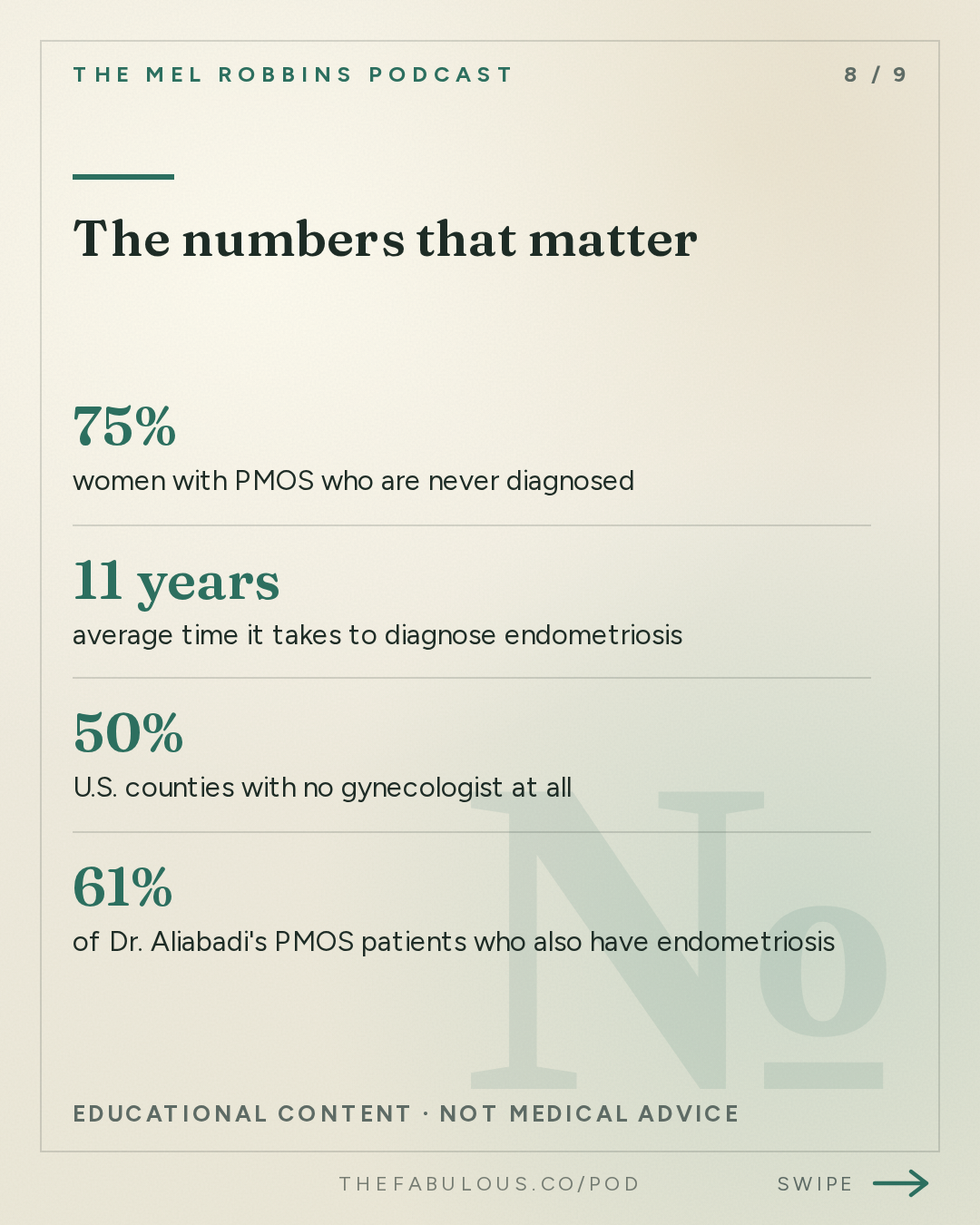
- 75% percent women with PMOS who are never diagnosed
- 11 years average time it takes to diagnose endometriosis
- 50% percent U.S. counties with no gynecologist at all
- 61% percent of Dr. Aliabadi's PMOS patients who also have endometriosis
- 1,000 eggs typical egg count remaining by menopause
In their words
“I tell my staff and my children that the standard of care for women's health is in the sewer system.”
“You have a car going 100 miles an hour down the street, and the brake doesn't work.”
“If you address their metabolic dysfunction, you lift that first puzzle, and the domino gets fixed.”
“No one on this planet cares about your body or your health as much as you do.”
Protocols
-
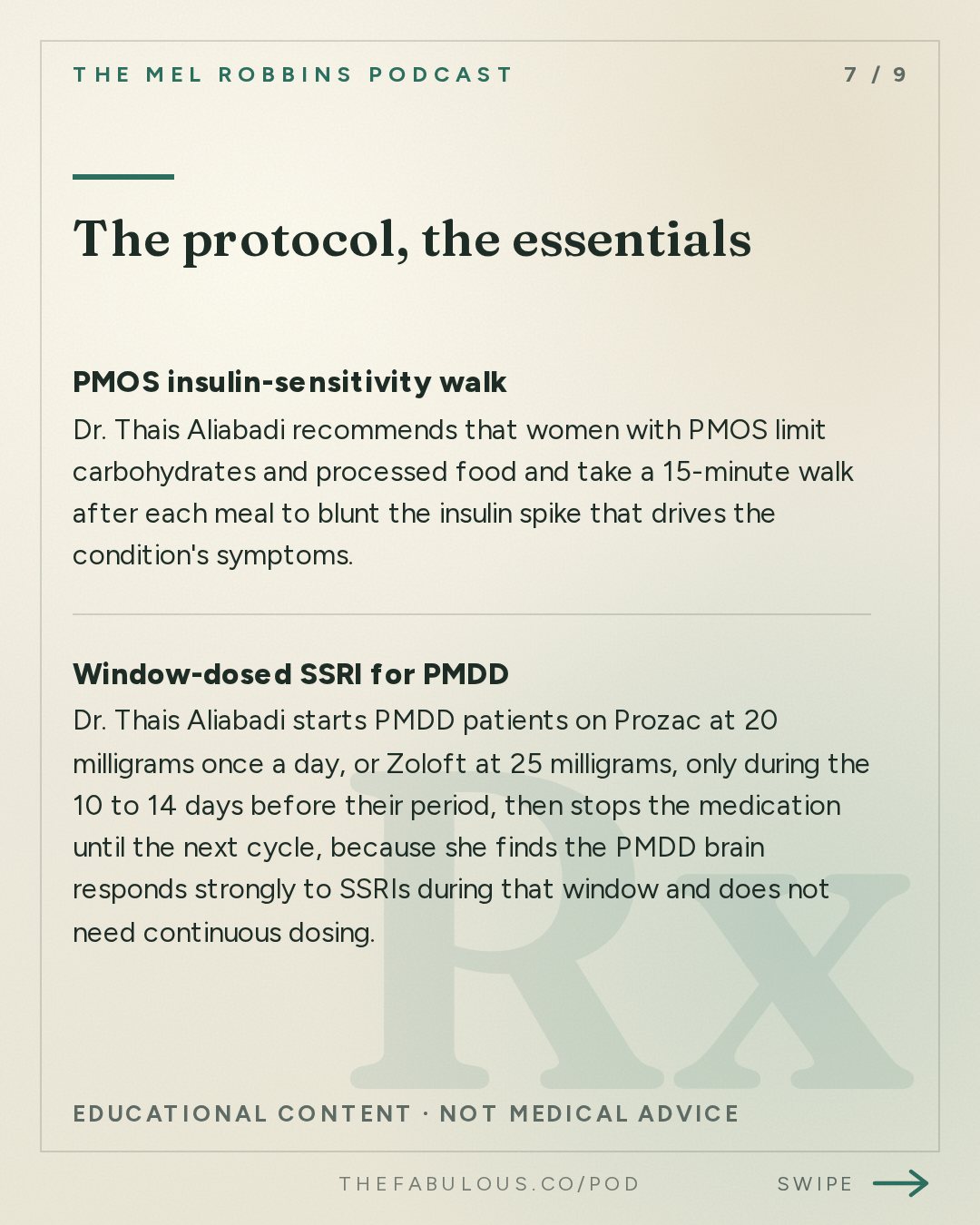
PMOS insulin-sensitivity walk
Dr. Thais Aliabadi recommends that women with PMOS limit carbohydrates and processed food and take a 15-minute walk after each meal to blunt the insulin spike that drives the condition's symptoms.
After each meal
-
Window-dosed SSRI for PMDD
Dr. Thais Aliabadi starts PMDD patients on Prozac at 20 milligrams once a day, or Zoloft at 25 milligrams, only during the 10 to 14 days before their period, then stops the medication until the next cycle, because she finds the PMDD brain responds strongly to SSRIs during that window and does not need continuous dosing.
Daily for 10 to 14 days before menstruation, then stop
-
Metabolic medication for PMOS
Dr. Thais Aliabadi prescribes metformin to improve insulin sensitivity in PMOS patients who are trying to conceive, and recommends a GLP-1 medication trial for patients with a higher BMI, since GLP-1 drugs regulate insulin directly and only curb appetite as a side effect.
Ongoing, per physician guidance
Questions this episode answers
What is PMOS and how is it different from PCOS?
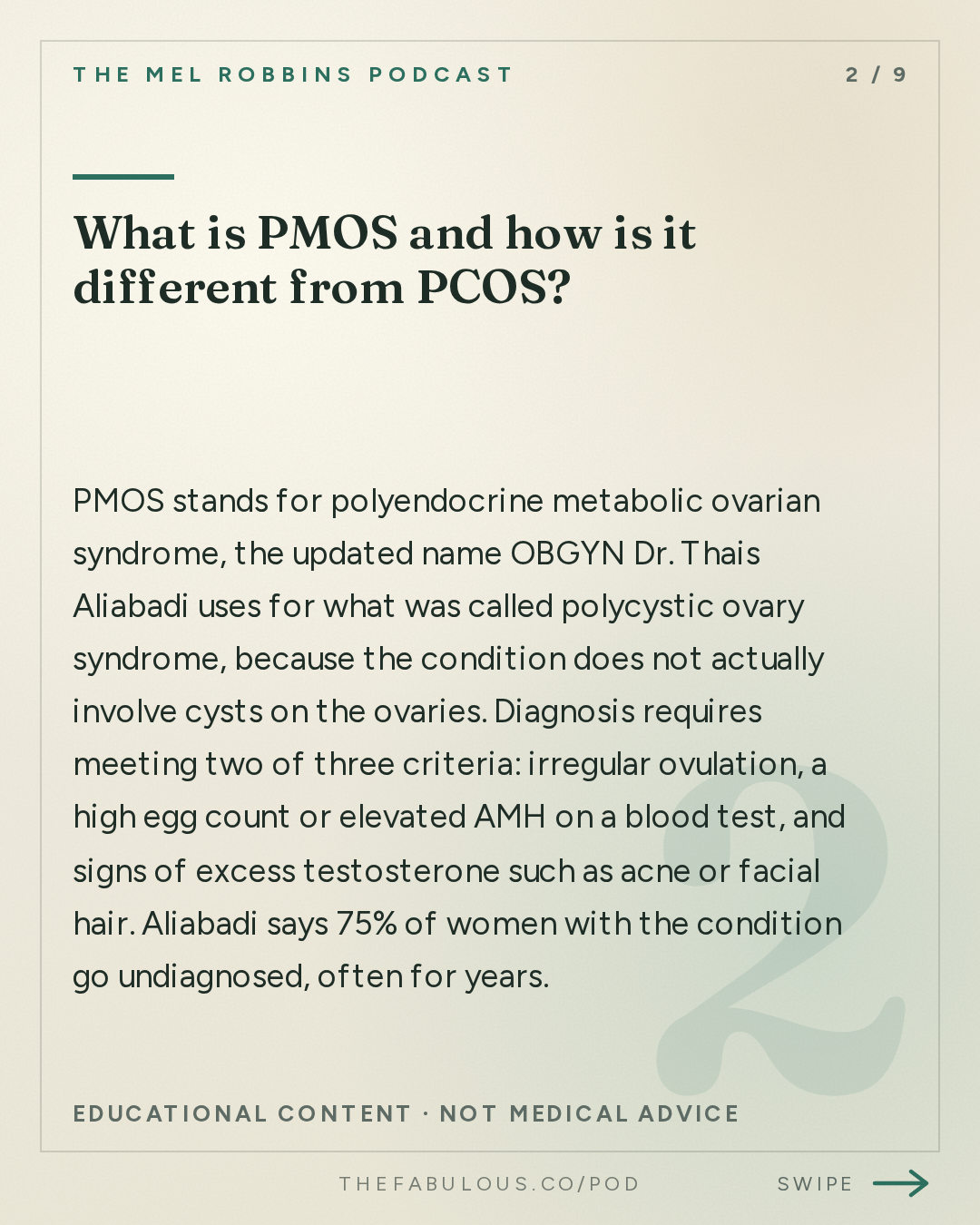
PMOS stands for polyendocrine metabolic ovarian syndrome, the updated name OBGYN Dr. Thais Aliabadi uses for what was called polycystic ovary syndrome, because the condition does not actually involve cysts on the ovaries (10:35). Diagnosis requires meeting two of three criteria: irregular ovulation, a high egg count or elevated AMH on a blood test, and signs of excess testosterone such as acne or facial hair (10:55). Aliabadi says 75% of women with the condition go undiagnosed, often for years (00:29).
How does insulin resistance cause PCOS or PMOS symptoms?
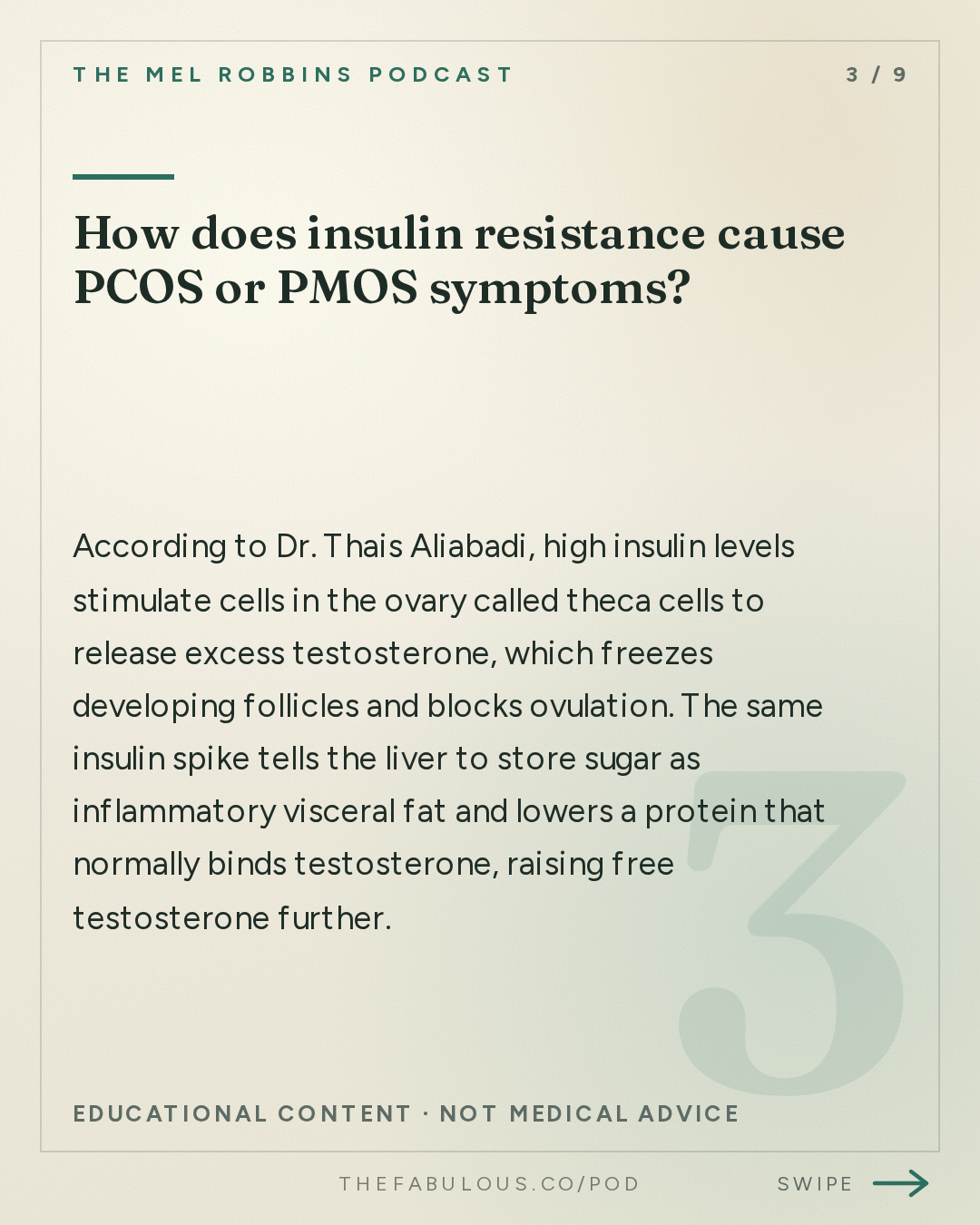
According to Dr. Thais Aliabadi, high insulin levels stimulate cells in the ovary called theca cells to release excess testosterone, which freezes developing follicles and blocks ovulation (15:28). The same insulin spike tells the liver to store sugar as inflammatory visceral fat and lowers a protein that normally binds testosterone, raising free testosterone further (14:59, 17:25).
What test can detect endometriosis without surgery?
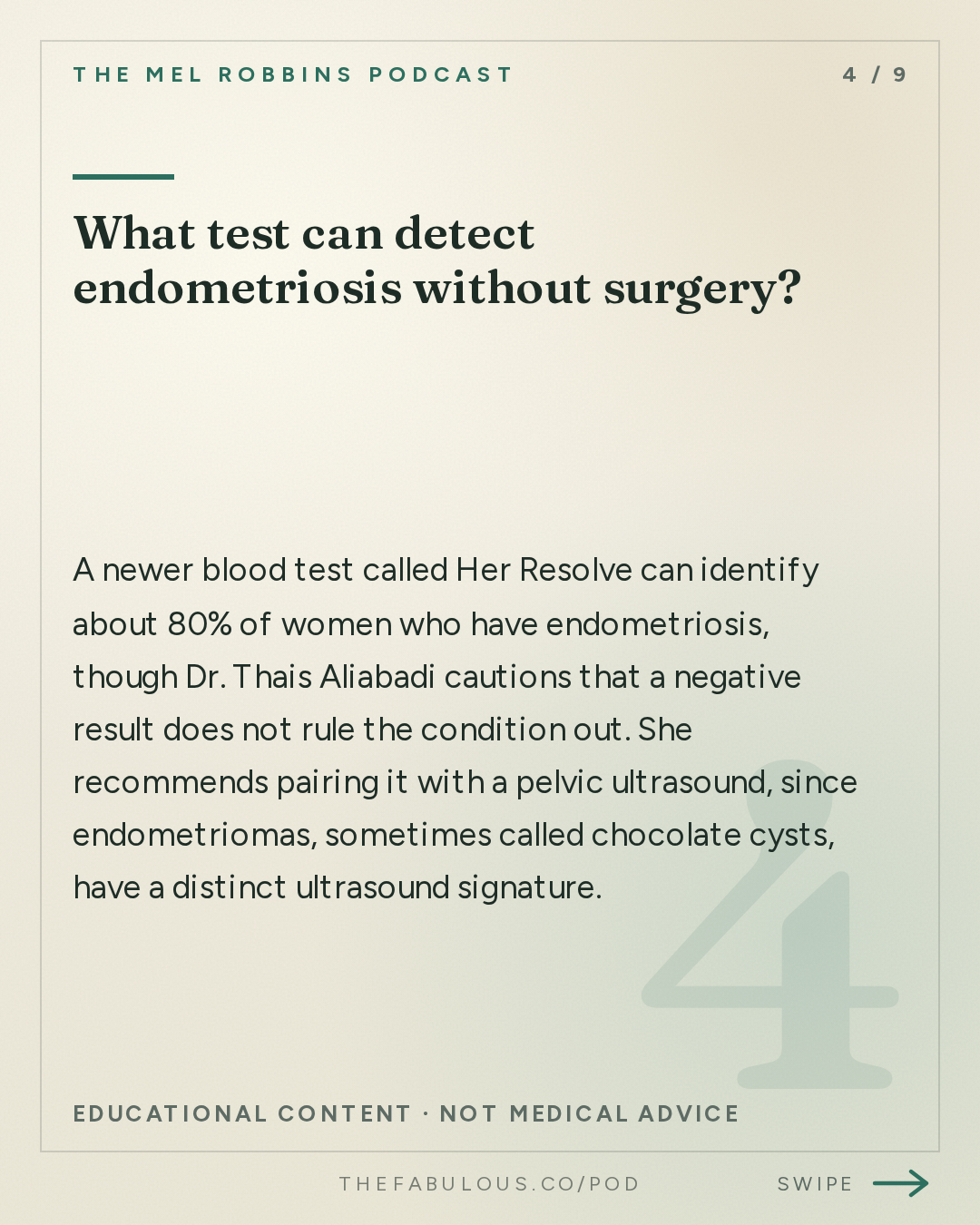
A newer blood test called Her Resolve can identify about 80% of women who have endometriosis, though Dr. Thais Aliabadi cautions that a negative result does not rule the condition out (35:49). She recommends pairing it with a pelvic ultrasound, since endometriomas, sometimes called chocolate cysts, have a distinct ultrasound signature (35:21).
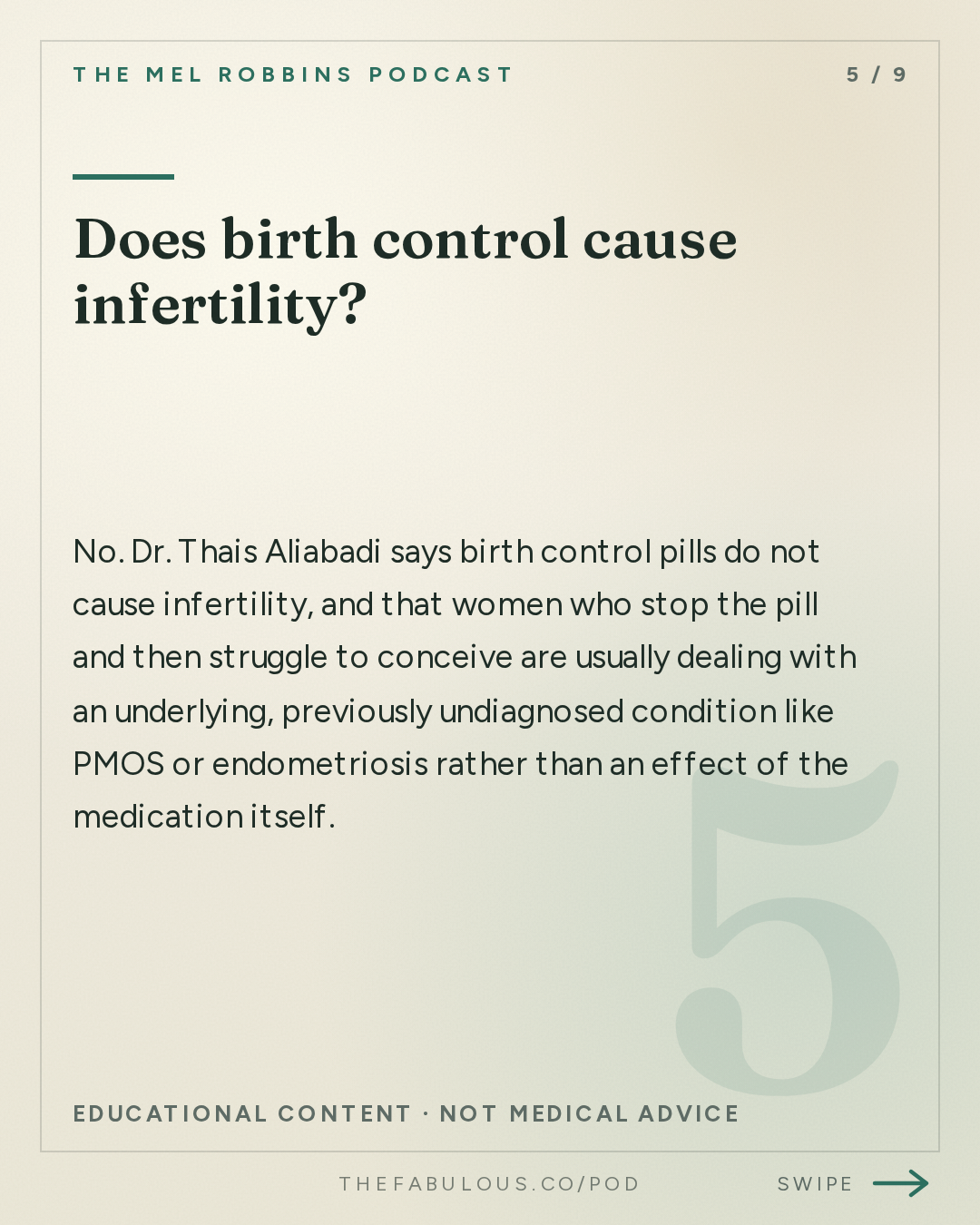
Does birth control cause infertility?
No. Dr. Thais Aliabadi says birth control pills do not cause infertility, and that women who stop the pill and then struggle to conceive are usually dealing with an underlying, previously undiagnosed condition like PMOS or endometriosis rather than an effect of the medication itself (48:51).
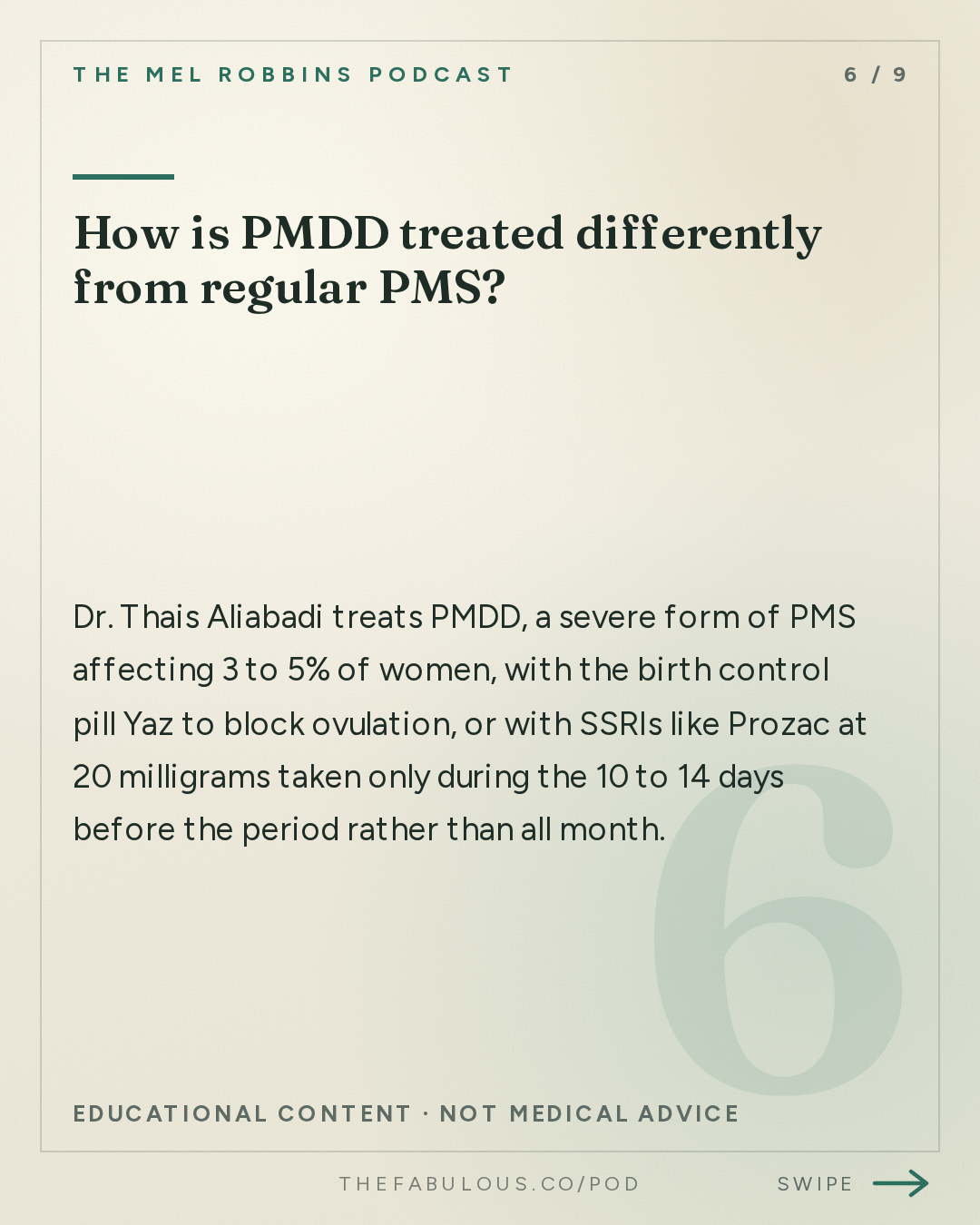
How is PMDD treated differently from regular PMS?
Dr. Thais Aliabadi treats PMDD, a severe form of PMS affecting 3 to 5% of women, with the birth control pill Yaz to block ovulation, or with SSRIs like Prozac at 20 milligrams taken only during the 10 to 14 days before the period rather than all month (41:36, 44:48).
The full read, in cards
Go deeper
- Her Resolve blood test — a newer blood test that detects endometriosis in about 80% of women who have it, though a negative result does not rule it out
Mentioned
Dr. Thais Aliabadi · Mel Robbins · PMOS · Endometriosis · PMDD · Cedars-Sinai Medical Center · Metformin · GLP-1 · Her Resolve · Yaz · Prozac · Zoloft
More from this show and category
Tyrer-Cuzick Breast Cancer Risk Calculator Explained
OB-GYN Dr. Thais Aliabadi shows how a free two-minute risk calculator and annual pelvic ultrasounds can catch breast and ovarian cancer early. She shares her own breast cancer diagnosis, explains the Tyrer-Cuzick tool, genetic testing by age 25, fallopian tube removal to cut ovarian cancer risk, and decade-by-decade screening protocols for heart disease and dementia.
An 89-Year-Old's Don't-Wait Life Advice
Judy Robbins, Mel Robbins' 89-year-old mother-in-law, decided to backpack across Europe for a year starting at 90, inspired by a friend's sudden death at 62. The episode argues that waiting for comfort or permission is the real risk, since good health and time are not guaranteed, and that staying curious about others keeps a person interesting at any age.
How to Stop Doing Everything for Everyone
Pastor Dr. Eric Thomas and Mel Robbins show why the family caretaker is often its least healthy member, and how to step back without guilt. Thomas, drawing on his wife Dee Dee's multiple sclerosis diagnosis, offers a principles-over-feelings decision framework and a simple test: drop one task, see who steps up, then use the freed time for yourself.
Eric Thomas's 52-Day Challenge, Explained
Motivational speaker Eric Thomas says anyone can reset their life in 52 days, the biblical time it took to rebuild Jerusalem's wall after 140 years in ruins. He used the method himself to lose weight, and coaches listeners to pick one embarrassing area of life, post a photo of their goal self, and start with 15 minutes a day.
