
Derya Unutmaz: How AI Could Extend Human Lifespan
#113 Why AI Could Add Decades to Your Lifespan | Dr. Derya Unutmaz
The brief
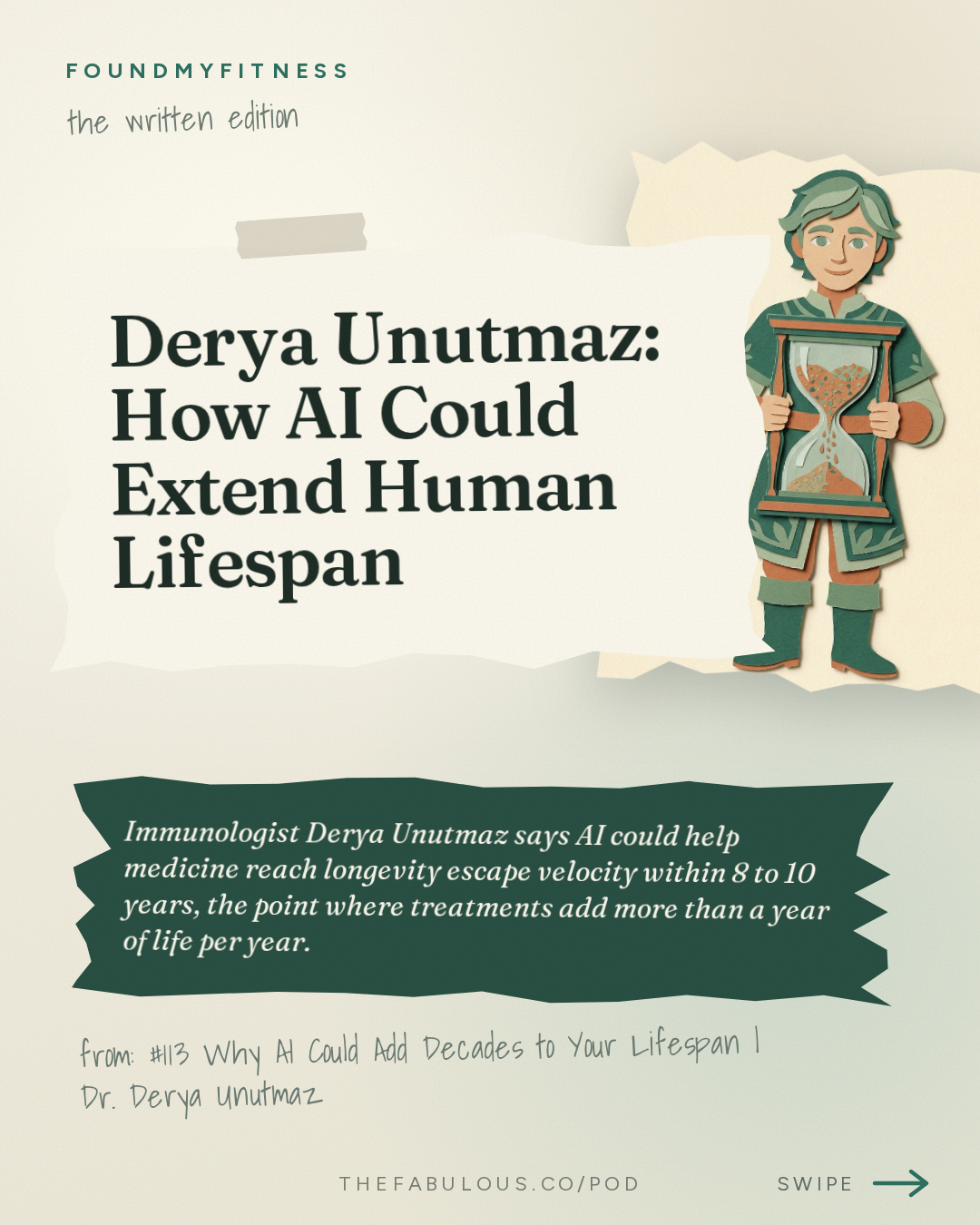
Immunologist Derya Unutmaz says AI could help medicine reach longevity escape velocity within 8 to 10 years (09:13), the point where treatments add more than a year of life per year. He describes reasoning models that outperform average doctors at diagnosis (49:20), predict disease years early (79:14), and could build personalized digital twins for testing treatments before humans take them.
Derya Unutmaz has a piece of advice he repeats often: try not to die in the next ten years. He means it half as a joke and half as a genuine forecast. Unutmaz is an immunologist and aging researcher at the Jackson Laboratory, and he is also one of a small number of scientists given early access to OpenAI's models, which he has used to help solve a three-year-old mystery in his own lab. His bet is that the next decade of medicine will look nothing like the last one, because artificial intelligence is compounding faster than human intuition expects.
The prediction rests on an idea called longevity escape velocity, a term coined by biomedical gerontologist Aubrey de Grey. It describes the point at which medical advances extend a person's remaining life expectancy faster than time is passing, so that every year lived buys back more than a year of life (09:13). Unutmaz thinks this threshold could arrive within eight to ten years. He points to a working example already in motion: GLP-1 receptor agonists, the class of drugs that includes semaglutide, appear to add roughly five to ten years of life for people with obesity or related chronic disease (10:12). If one drug class can do that, he argues, a cascade of similar breakthroughs, arriving faster each year, could eventually add decades rather than years.
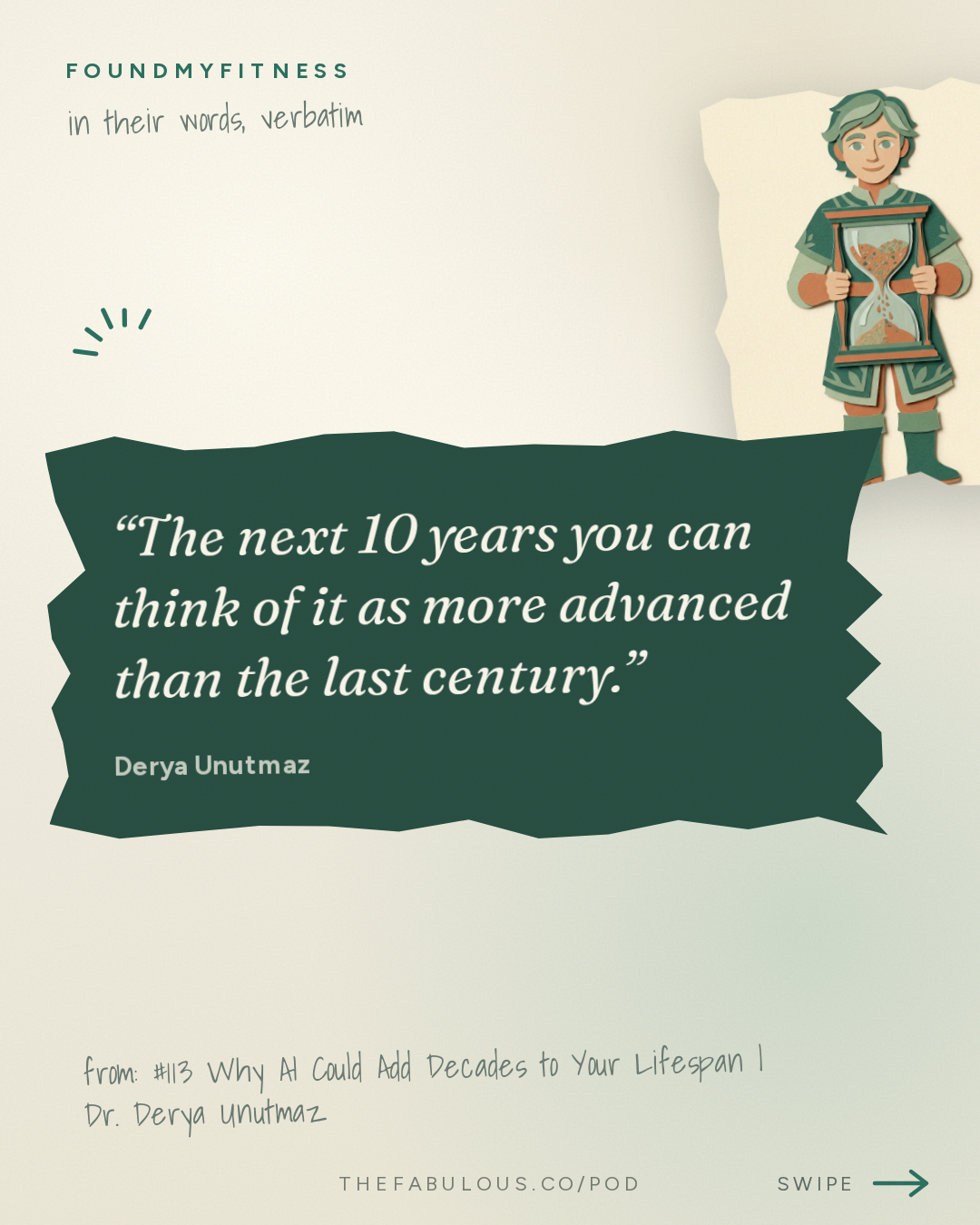
"The next 10 years you can think of it as more advanced than the last century." — Derya Unutmaz [08:21]
What makes this more than wishful thinking, in Unutmaz's telling, is what large language models, the AI systems trained on huge amounts of text and data to generate humanlike reasoning, can already do with biological data. He describes handing GPT-5.5 Pro a data set of millions of RNA sequencing points, the kind of experiment that used to take a graduate student months to analyze, and getting back a forty-page report in under two hours that not only summarized the findings but proposed the next experiment to run (14:59, 40:55). He says the model's predictions about how one of his own two-week lab experiments would turn out were correct about 98 percent of the time, matching an intuition he built over thirty years at the bench.
That capacity is the seed of what Unutmaz calls a digital twin: a simulated version of a person's biology, built from genetics, metabolism, immune function, gut microbiome, and medical history, detailed enough that a researcher could test a drug on the simulation before testing it on the person (17:11). If it works, clinical trials that take years could shrink to weeks, because a model could flag in advance which patients are likely to respond and which are likely to suffer a side effect. Unutmaz is careful to say this is not close to reality yet. He compares the trust problem to self-driving cars, which he estimates are already about ten times safer than human drivers but still need years of validation before people hand over the wheel entirely (21:35). Biology, he says, will take longer to earn that trust, because it is more complex than traffic.
When Not Using AI Becomes the Risk
Unutmaz's more provocative claim concerns doctors, not machines. After OpenAI's o1 reasoning model came out, he began testing it on medical questions and found it reasoned through complex cases, weighing a patient's context rather than just retrieving facts, in a way earlier models could not. That led him to a blunt conclusion.
"Right now, it's unethical for physicians not to use AI anymore." — Derya Unutmaz [44:49]
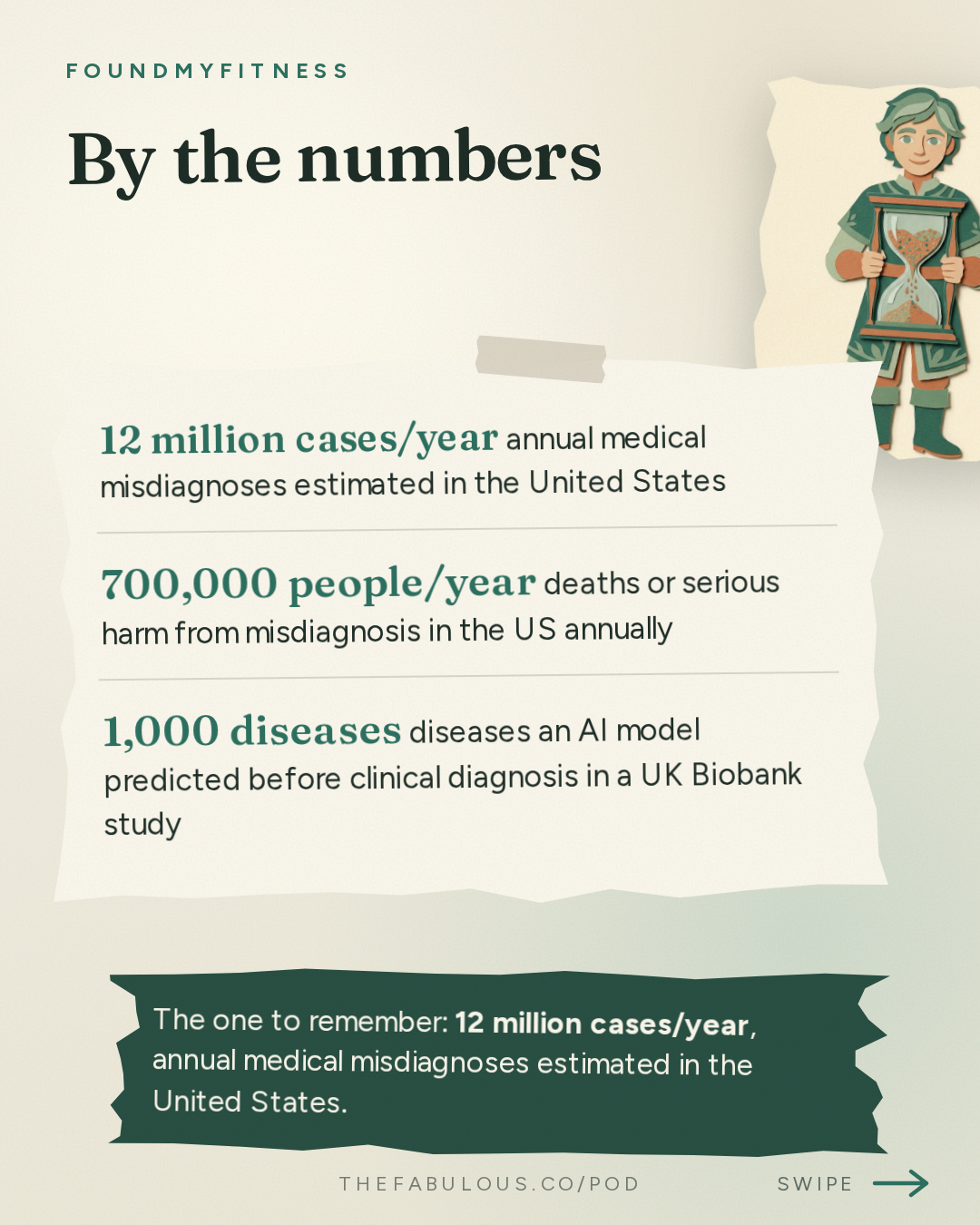
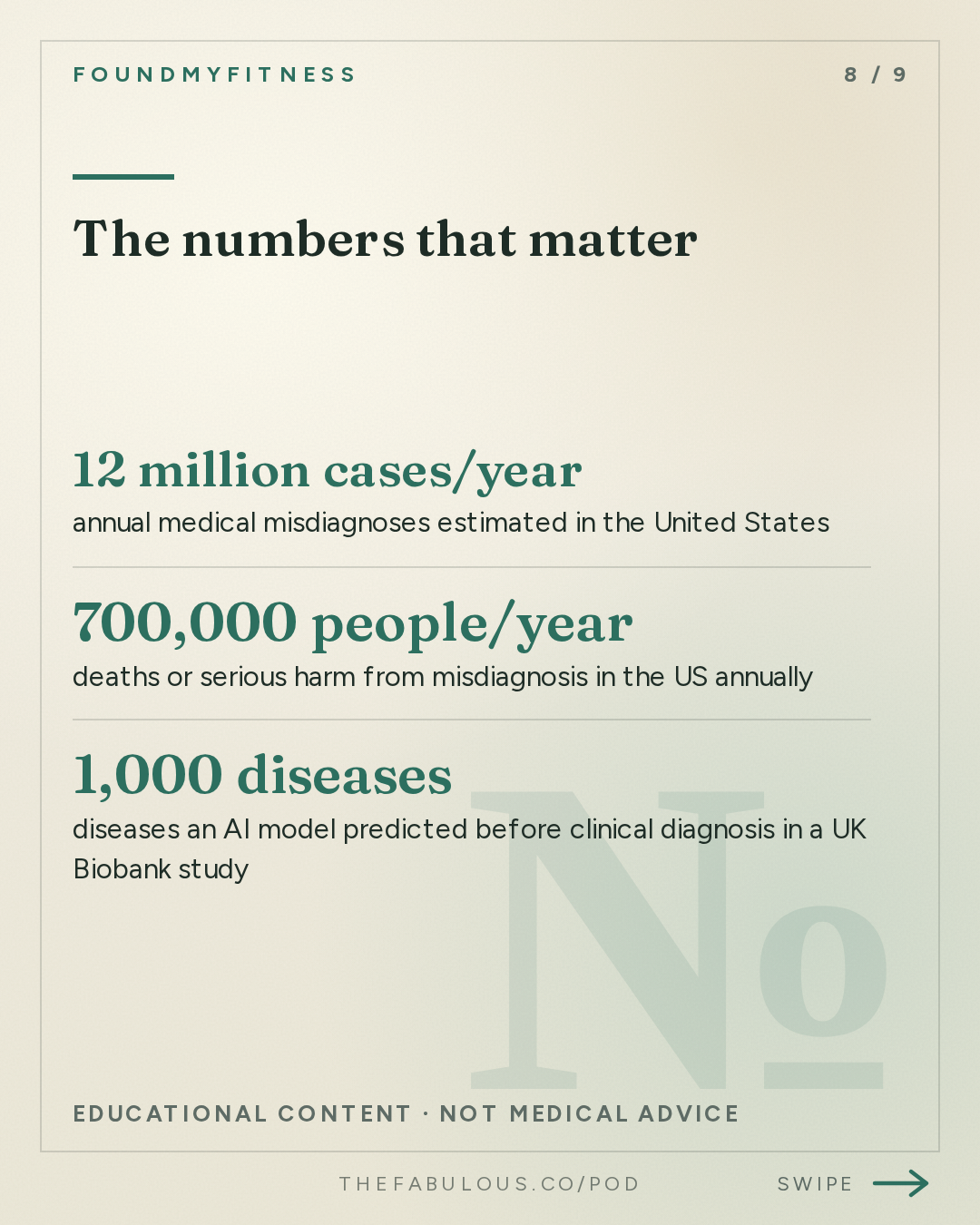
His reasoning starts with a sobering baseline: an estimated 12 million medical misdiagnoses occur in the United States every year, and roughly 700,000 people die or are seriously harmed as a result (46:42). Some of that is unavoidable human error. But Unutmaz cites AI systems that can spot breast cancer tumors in imaging years before a radiologist would catch them (47:19), and a Science paper testing the older o1-preview reasoning model that found it performed significantly better than the average doctor at diagnosis (49:20). His view is not that AI should replace a physician's judgment, but that ignoring a tool this reliable is itself a form of malpractice waiting to be recognized as such.
The same argument extends to prevention. Unutmaz is blunt about what current medicine actually is.
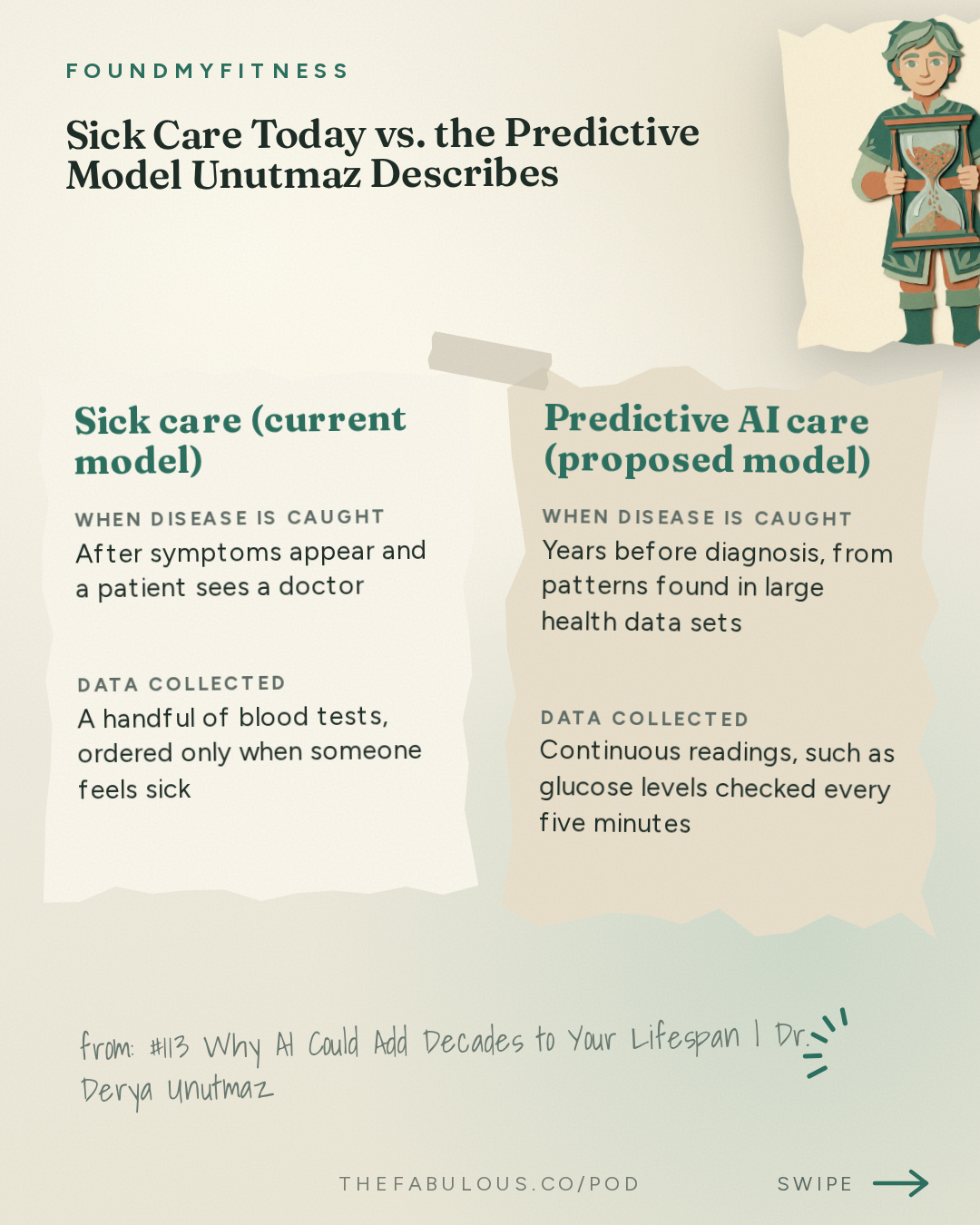
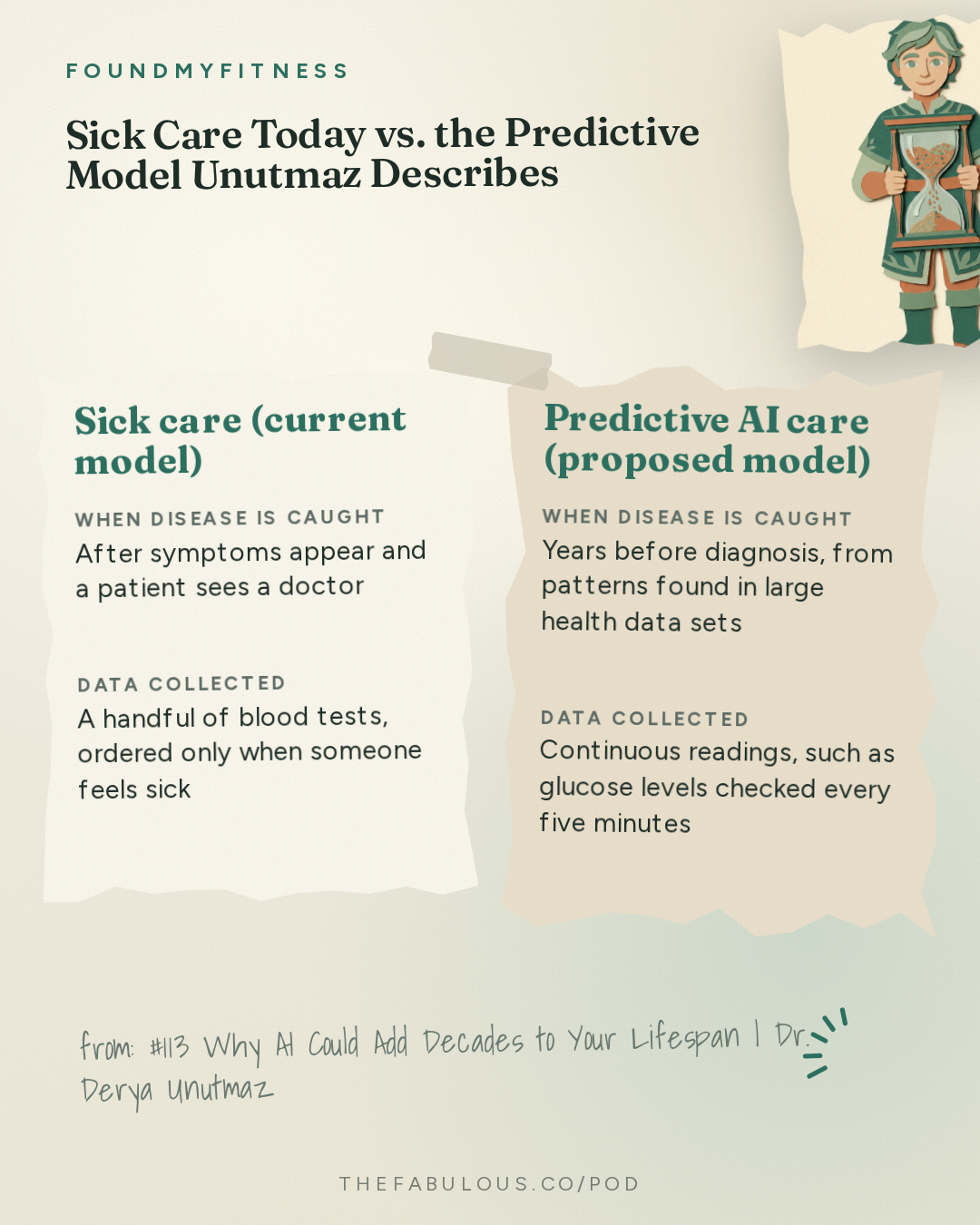
"We say healthcare. No, we don't have healthcare. We have sick care." — Derya Unutmaz [78:56]
He points to a study using the UK Biobank, a research database holding health information on roughly 500,000 people, in which AI models analyzed the data and were able to retroactively predict around 1,000 different diseases years before they clinically appeared (79:14). The implication is that the biological warning signs of disease exist long before symptoms do. The bottleneck has been that nobody is collecting enough data from healthy people to see them.
Cancer, Aging, and the Organ That Resists Rejuvenation
On cancer, Unutmaz makes a case that immunotherapy, treatment that trains a patient's own immune system to recognize and attack tumors, has already changed the odds. He argues it is now more powerful than chemotherapy and radiotherapy combined (69:10), because it can adapt to a tumor's mutations rather than attacking indiscriminately. He points to a case out of Australia in which a computer scientist used AI models to design a personalized mRNA vaccine for his dog's melanoma, sequencing the tumor and having the AI identify the exact molecule needed to train the dog's immune system, a process completed in about three months. The dog, he says, was still alive past its expected prognosis.
Aging itself, Unutmaz frames as a loss of biological information rather than simple wear. The body has twelve recognized hallmarks of aging, including genomic instability and cellular senescence, and he argues these emerge because cells gradually forget how to repair and regenerate themselves (89:09). Some animals resist this better than others: elephants carry extra copies of the tumor-suppressor gene p53 and rarely develop cancer (98:58), while naked mole rats, which live up to 40 years compared to a normal rat's two or three, carry a mutation in an immune gene called cGAS linked to DNA repair (99:20). Unutmaz sees these as proof that the aging program can be rewritten, not just slowed.
The clearest experimental version of that rewriting is partial cellular reprogramming, a technique that uses a subset of the four Yamanaka factors, the proteins discovered by biologist Shinya Yamanaka that can turn an adult cell back into a stem cell, to nudge an old cell toward a younger state without erasing its identity as a skin cell, an eye cell, or a neuron (111:18). Biologist David Sinclair is preparing a human trial applying this to the eye. But Unutmaz is candid about its limits: reprogramming does not reverse every hallmark of aging at once. Telomeres, the mutations accumulated in mitochondria, and the surrounding tissue environment can remain aged even after a cell's epigenetic clock is turned back, which is why a rejuvenated cell can drift back toward its old state if nothing else around it changes.
The brain poses the hardest version of this problem. Unlike skin, the brain cannot simply regenerate its cells, because doing so risks erasing the very memories and connections that make someone who they are. Unutmaz's answer is not full cellular replacement but a slower, more targeted kind of maintenance: reducing neuroinflammation, supporting the brain's own limited repair systems, and, decades from now, perhaps AI models detailed enough to map a person's neural connections before attempting any repair.
What a Person Can Build Today
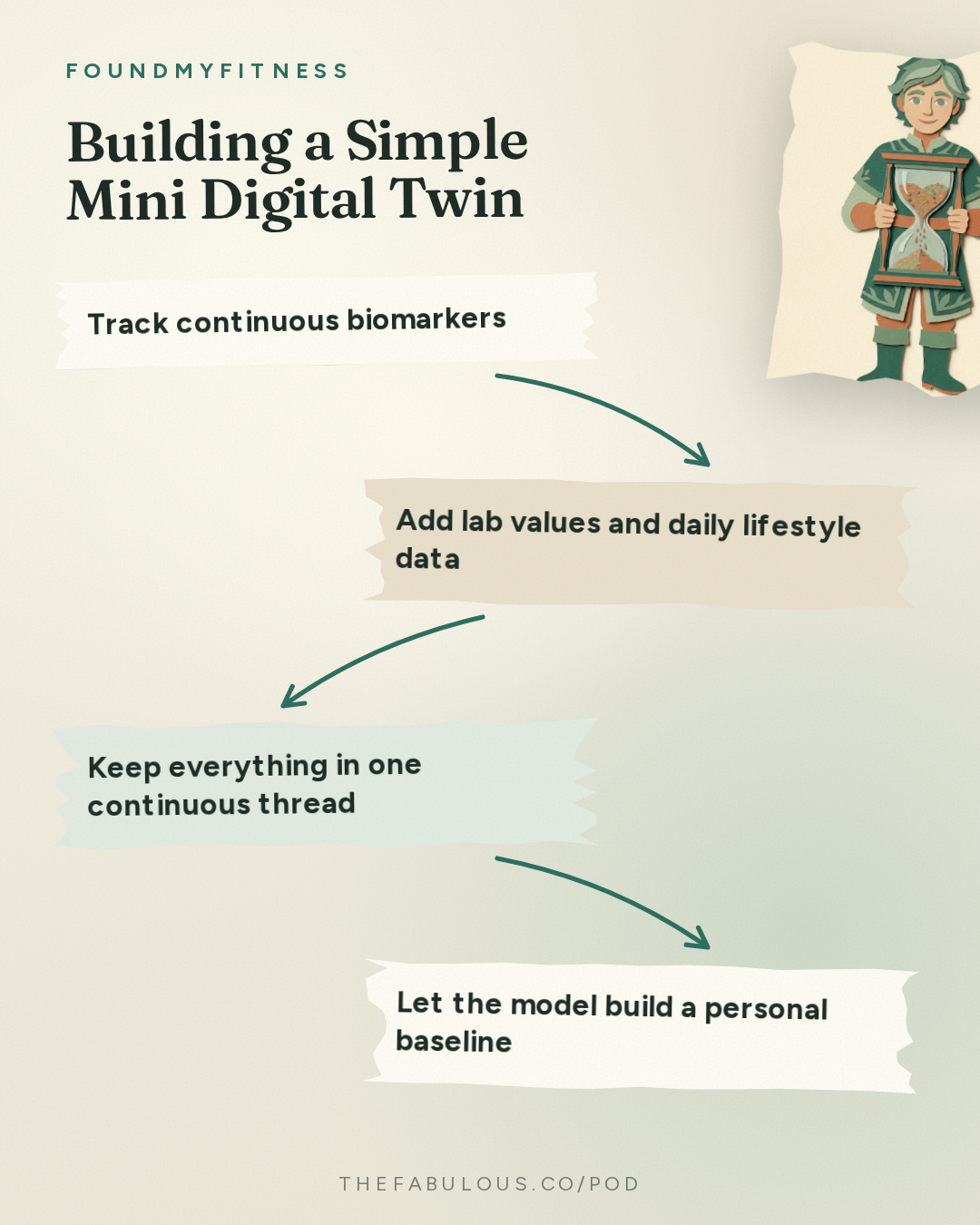
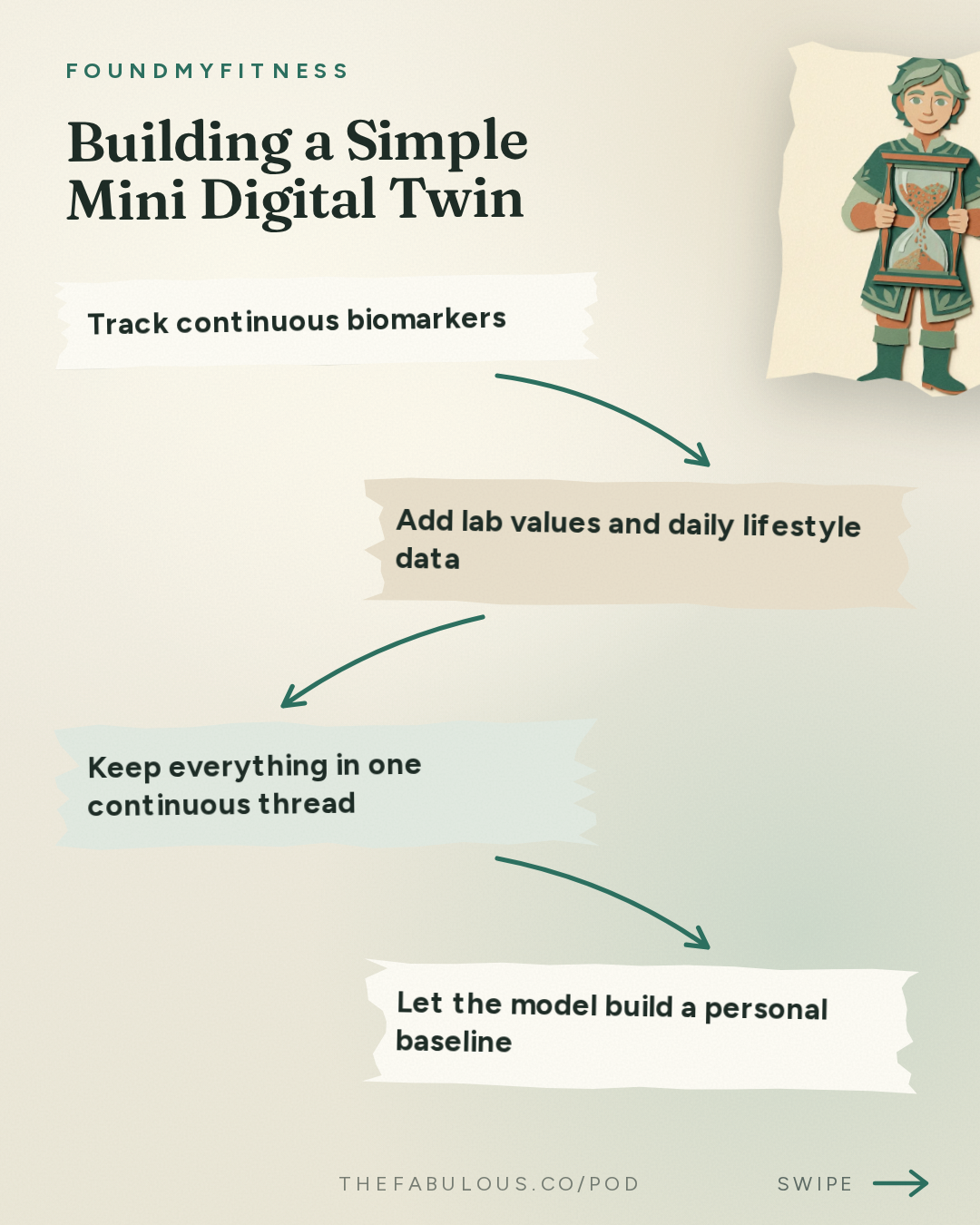
Toward the end of the conversation, Unutmaz brings the idea down to something a listener could try. His own version of a small-scale digital twin involves feeding an AI model like GPT-5.5 Pro a continuous stream of personal data: glucose readings from a continuous monitor taken every five minutes, lab values, supplements, sleep, and steps, kept in the same ongoing conversation so the model can compare before-and-after changes over time (149:29). He argues this lets a model learn an individual's own normal range, rather than relying on a population-wide reference, so it can flag a meaningful deviation instead of a number that only looks abnormal on a chart built for someone else (158:29).
None of this erases the uncertainty built into Unutmaz's larger timeline. He is speculating about a decade that has not happened yet, based on a rate of technological change that is genuinely hard for anyone to intuit. But the more modest version of his argument, that AI can already compress analysis that used to take months into minutes, and that continuous personal data plus a model willing to compare today against yesterday is available now, is not speculation. It is closer to a description of what a curious, technically literate patient could start doing this year. He ends on something almost old-fashioned for a conversation about machines.
"Being optimistic is one of the best things you can do for aging, and study after study show that." — Derya Unutmaz [148:01]
Whether or not longevity escape velocity arrives on his schedule, that particular claim needs no AI to test.
Ask this episode anything
Pod's AI answers from the episode itself, with the minute mark so you can hear it yourself.
Or start with one of these
Ask this episode
Pod's AI listens to the whole episode to answer, and points you to the minute it comes from.
The rest of this answer, and any question after it
Answers come from the episode itself, never from a summary of it.
ContinueKey takeaways
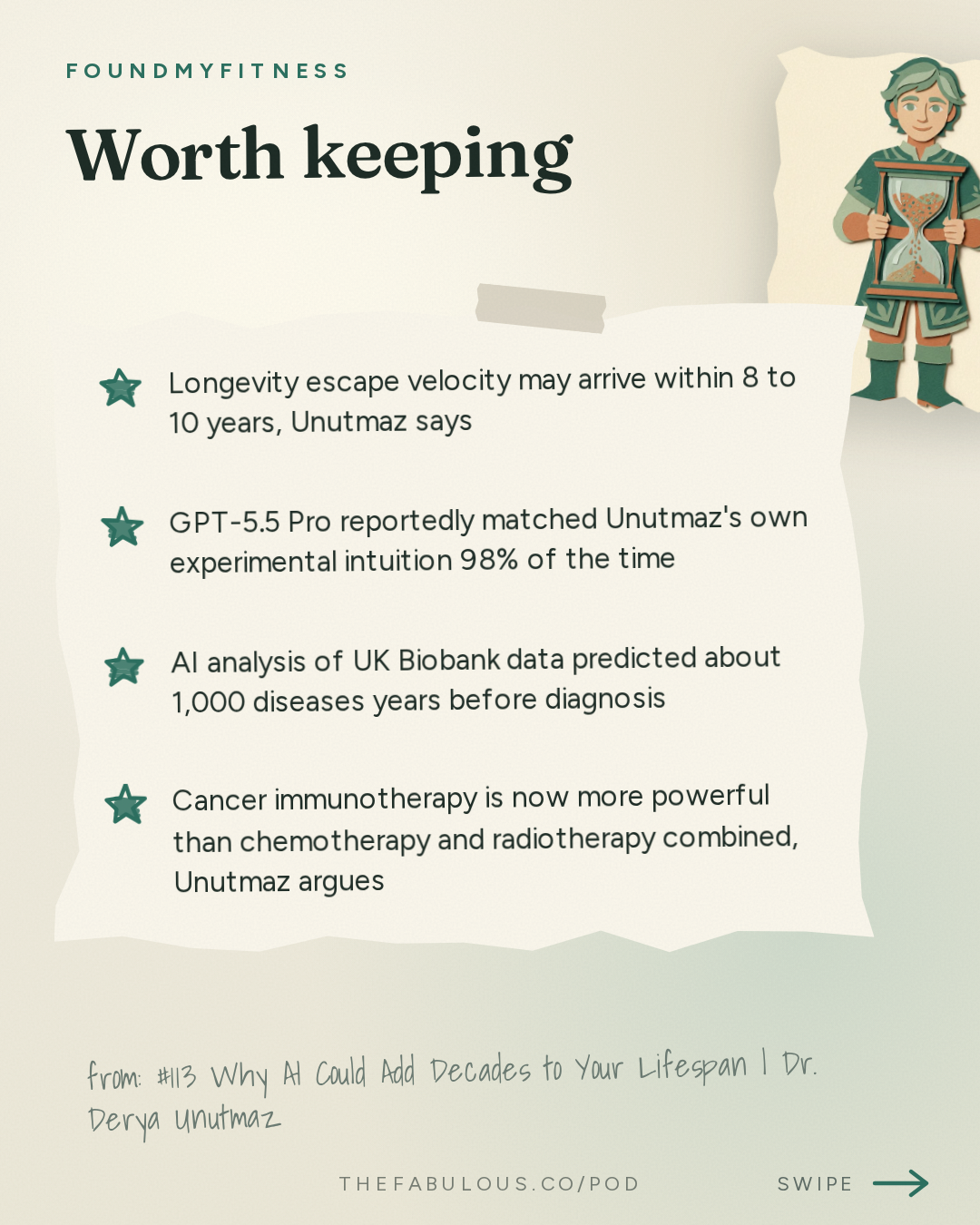
- Longevity escape velocity may arrive within 8 to 10 years, Unutmaz says
- GPT-5.5 Pro reportedly matched Unutmaz's own experimental intuition 98% of the time
- AI analysis of UK Biobank data predicted about 1,000 diseases years before diagnosis
- Cancer immunotherapy is now more powerful than chemotherapy and radiotherapy combined, Unutmaz argues
- The brain may be the hardest organ to rejuvenate without erasing personal identity
The episode in cards
By the numbers
- 12 million cases/year annual medical misdiagnoses estimated in the United States
- 700,000 people/year deaths or serious harm from misdiagnosis in the US annually
- 1,000 diseases diseases an AI model predicted before clinical diagnosis in a UK Biobank study
In their words
“The next 10 years you can think of it as more advanced than the last century.”
“Right now, it's unethical for physicians not to use AI anymore.”
“We say healthcare. No, we don't have healthcare. We have sick care.”
“Being optimistic is one of the best things you can do for, for aging, and study after study show that”
“AI is the solution to all our problems.”
Protocols
-
Feed an AI model continuous personal health data to build a mini digital twin
Unutmaz uploads daily readings from a continuous glucose monitor, plus lab values, supplements, and lifestyle data, into the same ongoing AI conversation so the model can compare results before and after a change. He keeps everything in one context window rather than starting new conversations, so the model can flag what shifted after he started or stopped something like a supplement.
Daily, kept in one continuous thread
-
Test one variable at a time before trusting an AI's health suggestion
Unutmaz recommends stopping a supplement such as vitamin D, recording the resulting data, then restarting it and comparing the before-and-after values against what the AI model predicted. He treats a match between prediction and outcome as evidence the model's advice was useful, and treats a mismatch as a signal to adjust the dose rather than harmful advice he acted on blindly.
Per intervention, with a defined before-and-after period
-
Use a reasoning model, not an instant model, for complex medical data
Unutmaz advises always using the latest top-tier reasoning model, such as GPT-5.5 Pro, for analyzing complex patient data or diagnosing difficult cases, because thinking models reason through a problem for minutes rather than responding instantly. He notes physicians should treat updating their AI tools as a routine part of practice, similar to how they already update their medical knowledge.
For any complex diagnostic or research question
Questions this episode answers
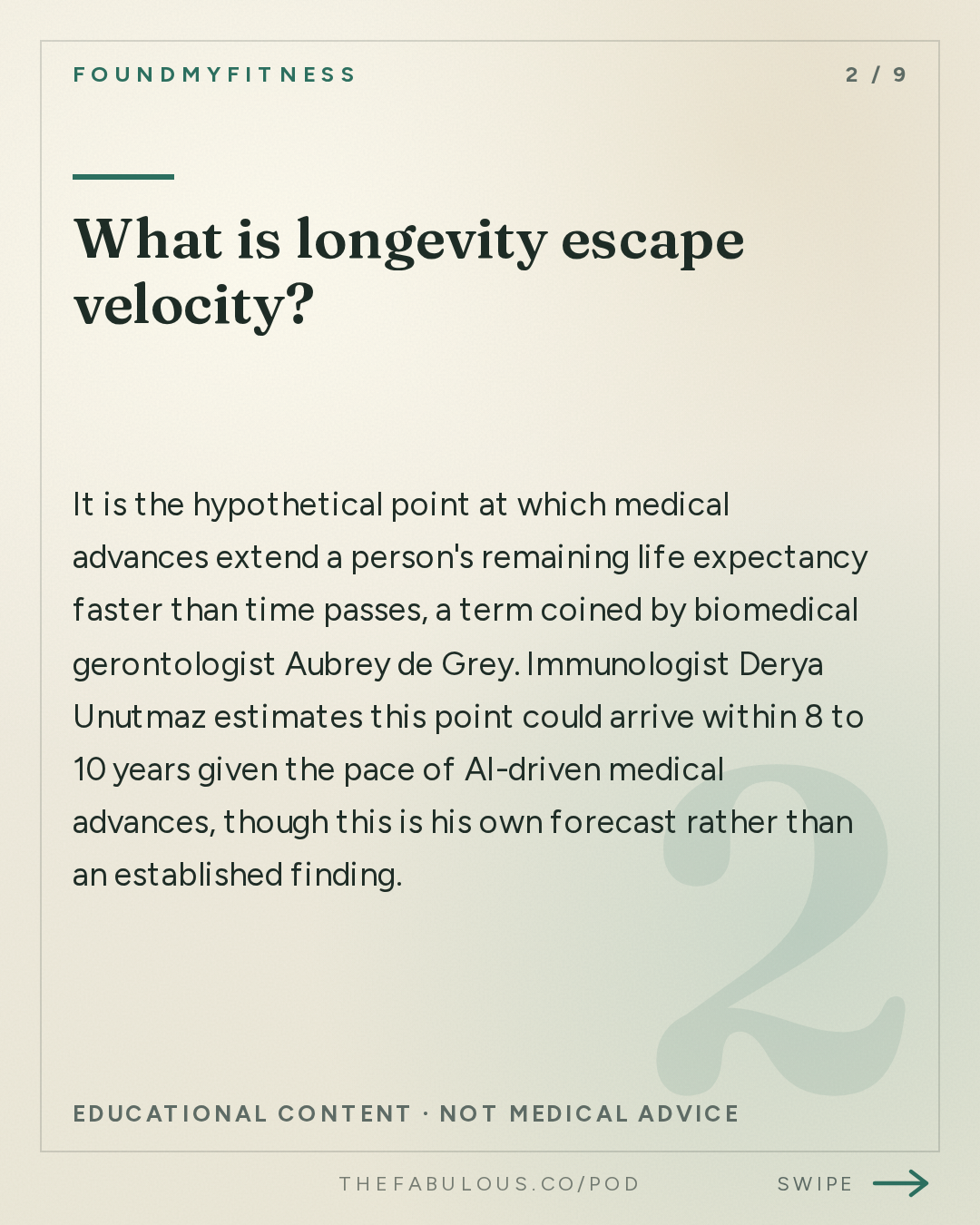
What is longevity escape velocity?
It is the hypothetical point at which medical advances extend a person's remaining life expectancy faster than time passes, a term coined by biomedical gerontologist Aubrey de Grey. Immunologist Derya Unutmaz estimates this point could arrive within 8 to 10 years given the pace of AI-driven medical advances (09:13), though this is his own forecast rather than an established finding.
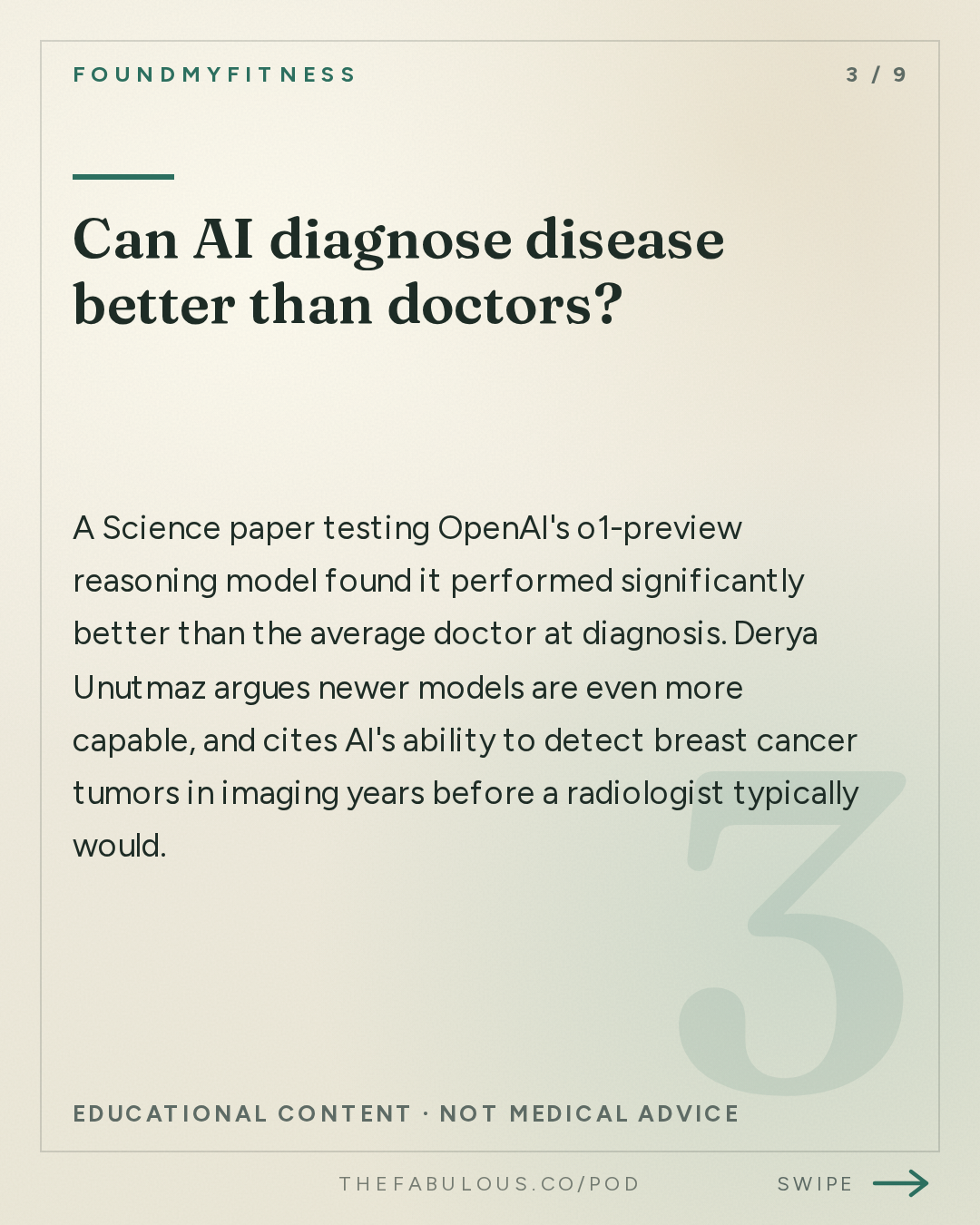
Can AI diagnose disease better than doctors?
A Science paper testing OpenAI's o1-preview reasoning model found it performed significantly better than the average doctor at diagnosis (49:20). Derya Unutmaz argues newer models are even more capable, and cites AI's ability to detect breast cancer tumors in imaging years before a radiologist typically would (47:19).
What is a biological digital twin?
It is a proposed AI simulation of a person's biology built from genetics, metabolism, immune function, microbiome, and medical history, detailed enough to test how a drug would affect that specific person before it is actually given to them (17:11). Derya Unutmaz says this could shrink clinical trials from years to weeks, though he says the technology is not yet capable of full simulation.
How can someone build a personal digital twin today?
Derya Unutmaz describes feeding an AI model like GPT-5.5 Pro continuous personal data, including glucose monitor readings, lab values, supplements, and lifestyle habits, kept in one ongoing conversation so the model can compare results before and after a change (149:29). He recommends testing one variable at a time and using the data to establish a personal baseline instead of a population-wide normal range (158:29).
Does partial cellular reprogramming reverse aging completely?
No. Partial cellular reprogramming can reverse a cell's epigenetic age without erasing its identity, using a subset of the Yamanaka factors discovered by biologist Shinya Yamanaka (111:18). Derya Unutmaz notes it does not fix every hallmark of aging at once, since issues like mitochondrial mutations and telomere shortening can persist even after a cell's epigenetic clock is reset (112:04).
Why is the brain harder to rejuvenate than other organs?
Unlike skin or blood cells, neurons cannot simply be replaced wholesale, because doing so risks erasing the memories and connections that form a person's identity. Derya Unutmaz suggests the near-term approach is reducing neuroinflammation and supporting the brain's limited natural repair systems rather than full cellular regeneration (135:34).
The full read, in cards
Go deeper
- The Singularity Is Near — Ray Kurzweil's book predicting AI would reach human-brain-level capability around 2029, which shaped Unutmaz's own aging timeline predictions
- Science paper testing the o1-preview reasoning model on medical diagnosis — found the o1-preview model performed significantly better than the average doctor at diagnosing patients
- UK Biobank AI disease prediction study — used AI on health data from roughly 500,000 UK participants to retroactively predict about 1,000 diseases before they appeared
Mentioned
Derya Unutmaz · OpenAI · Jackson Laboratory · Aubrey de Grey · GPT-5.5 Pro · Claude · Gemini · UK Biobank · Ray Kurzweil · Shinya Yamanaka · David Sinclair · Altos Labs · Andrej Karpathy · Jeanne Calment
More from this show and category

Blueberries for Brain and Vascular Health
Blueberries measurably improve artery function and may slow cognitive aging by roughly 1.5 to 2.5 years, with benefits appearing most reliably at about one cup a day. Effects look strongest for vascular health, more mixed for blood sugar, and vulnerable to a surprising kitchen variable: blending with ripe banana.

Richard Davidson's Meditation Neuroscience
Neuroscientist Richard Davidson says wellbeing is a trainable skill, not a fixed trait. He organizes this into four pillars (awareness, connection, insight, purpose) and shows five minutes of daily meditation for 28 days lowers IL-6, an inflammation marker, and shifts gut microbiome pathways; purpose best predicts longevity after age 70.

Jared Diamond on Leadership: Why Charisma Isn't Required
Charisma is optional for great leadership, biologist and historian Jared Diamond argues, pointing to the uncharismatic dictators Stalin and Pinochet as proof (00:26). Diamond, 89, applies a 'natural experiment' method from biology to politics, religion, business, and sports, showing only 2 of 22 modern political leaders stepped down voluntarily and that coaches and CEOs get too much credit or blame for outcomes that are mostly random (95:37).
How to Build Glutes Without Growing Legs
Hip dips are permanent anatomy, not a fitness failure, says glute researcher and hip thrust inventor Bret Contreras. He explains why horizontal moves like hip thrusts and kickbacks are gentler on joints than squats, how women recover faster than men, and how a five-month training rotation builds glutes while sparing the legs.
