
Richard Davidson's Meditation Neuroscience
#114 How Meditation Rewires Your Brain, Gut, & Immune System | Dr. Richard Davidson
The brief
Neuroscientist Richard Davidson says wellbeing is a trainable skill, not a fixed trait. He organizes this into four pillars (awareness, connection, insight, purpose) and shows five minutes of daily meditation for 28 days lowers IL-6, an inflammation marker, and shifts gut microbiome pathways; purpose best predicts longevity after age 70.
Picture a gym at seven in the morning. Rows of people are lifting, running, cycling, sweating through the early shift before work. Their brains are, in a very real sense, being rewired in that hour: exercise is one of the most reliable ways known to increase neuroplasticity, the brain's capacity to change in response to experience. But rewiring is not the same as improving. If those same people are watching cable news arguments or doom-scrolling while they train, the workout is helping their brains encode negativity more efficiently, not less.
This is the counterintuitive idea at the center of a conversation with Richard Davidson, a professor of psychology and psychiatry and founder of the Center for Healthy Minds at the University of Wisconsin-Madison. For more than four decades, Davidson has studied emotion, attention, and the neural systems behind what he calls flourishing. His core claim is that wellbeing is not a trait some people are born with and others are not (00:47). It is a set of skills, and skills can be trained.
"If you increase neuroplasticity and you're thinking a lot of unwholesome thoughts, toxic thoughts, if you're in an environment which is stressful, you will increase the likelihood of being stressed." — Richard Davidson [07:19]
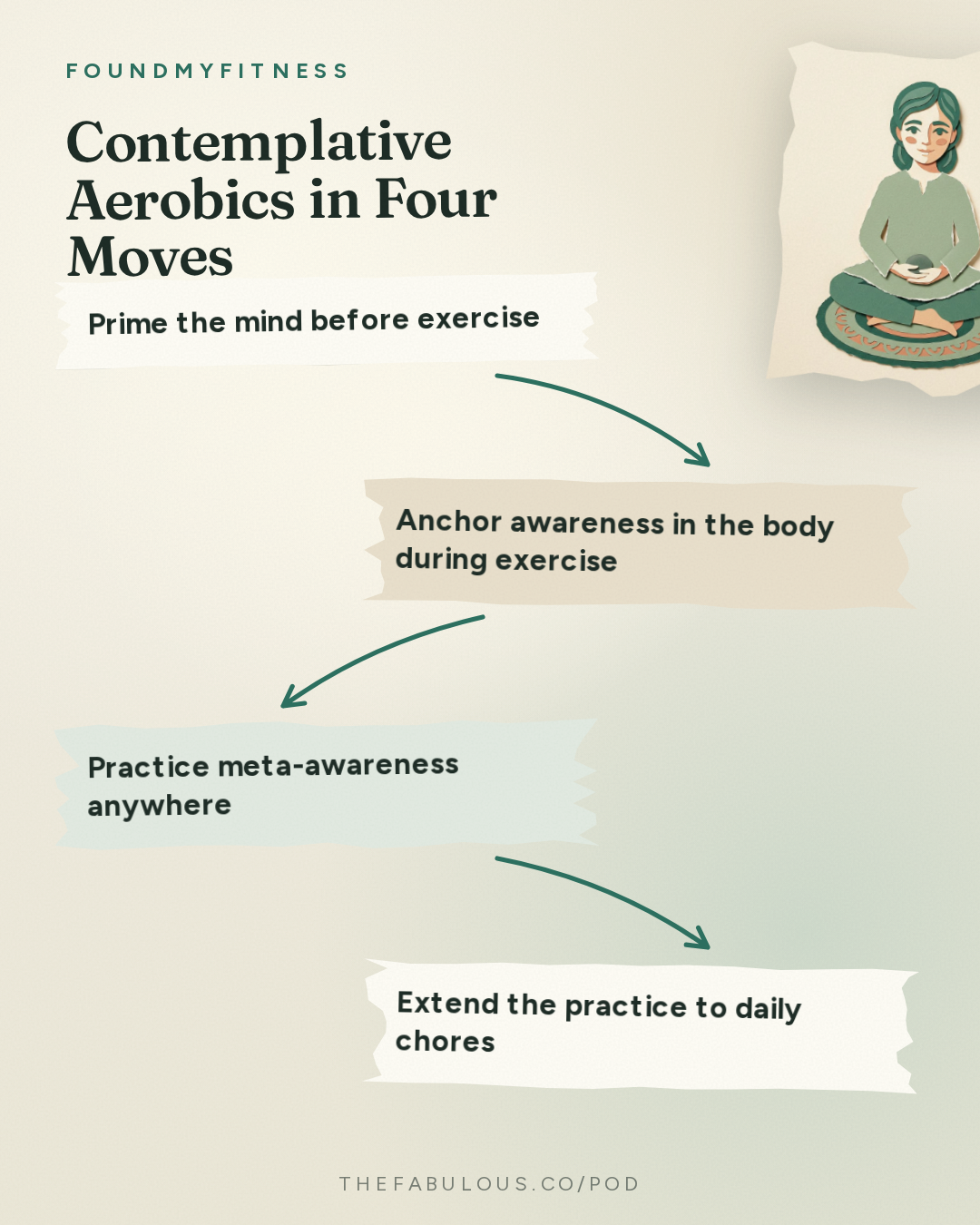
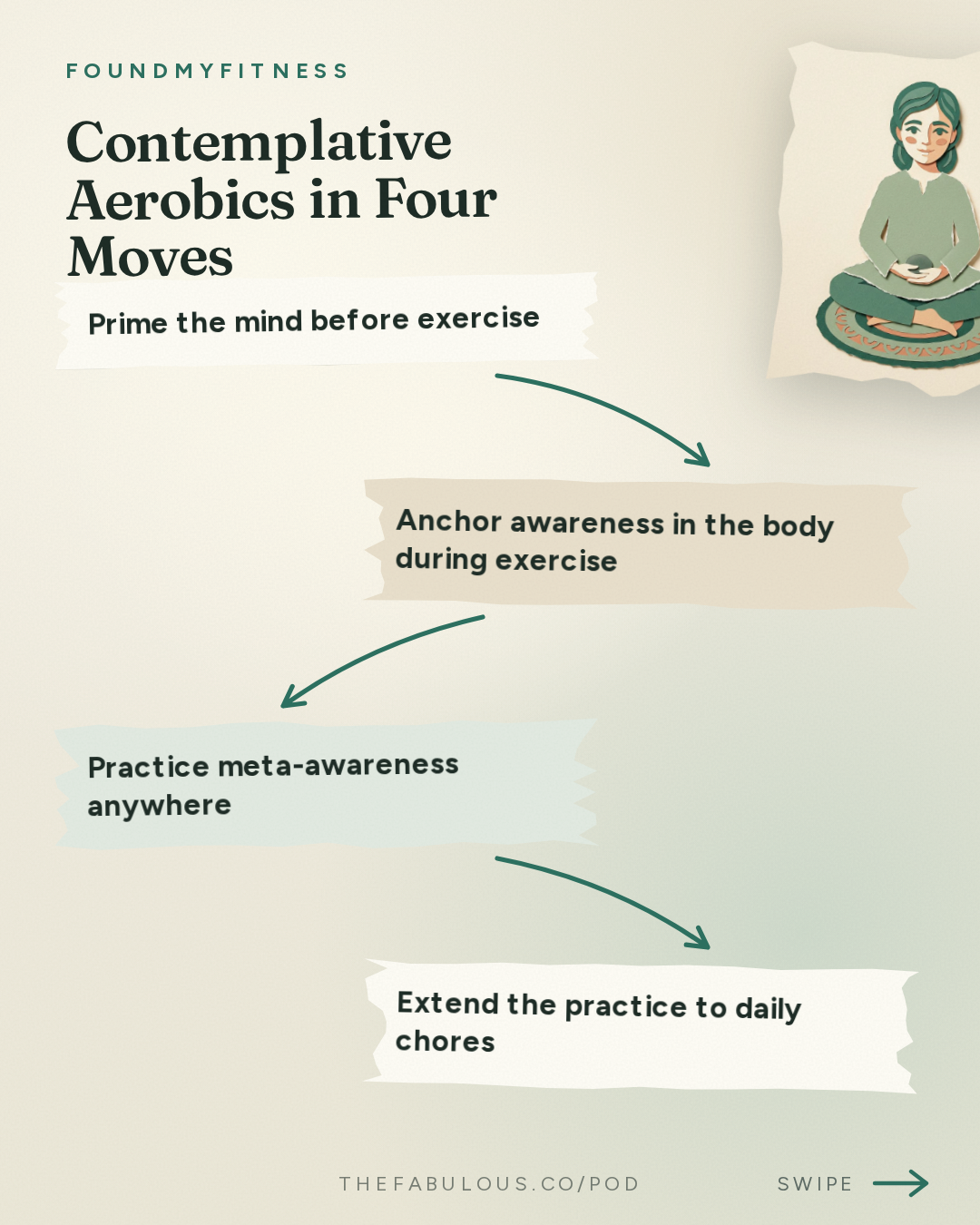
That is why Davidson resists the premise that exercise and meditation compete for the same slot in a busy day. He calls the alternative "contemplative aerobics": using the minutes before or during a workout to hold a wholesome thought, so the neuroplasticity that exercise switches on gets filled with something worth encoding (06:42). A simple version, he suggests, is reflecting while lacing up sneakers on how getting healthier is not just good for the exerciser but for everyone that person touches, directly or indirectly (07:56). It costs no extra time. It just redirects attention that would otherwise drift toward a to-do list or a stressful thought.
The stakes of that redirection are larger than they sound. Davidson points to the 2023 advisory from then U.S. Surgeon General Vivek Murthy, the first of its kind on loneliness, which found that loneliness is a greater risk factor for premature mortality than smoking fifteen cigarettes a day (10:16). Social connection, in Davidson's framing, is not a soft benefit. It is anti-inflammatory. It gets under the skin the same way isolation does, just in the opposite direction.
Davidson organizes the skills of flourishing into four pillars: awareness, connection, insight, and purpose (17:54). Awareness includes what he calls meta-awareness, the capacity to know what your own mind is doing.
"Meta-awareness is knowing what our minds are doing." — Richard Davidson [18:17]
He offers a familiar example: reading several pages of a book only to realize you absorbed none of it. The instant you notice that, you have had a moment of meta-awareness (18:40). Connection covers gratitude, kindness, and compassion, the raw material of healthy relationships. Insight is about changing one's relationship to the running narrative everyone carries about who they are, rather than trying to rewrite the story itself. Purpose, the fourth pillar, is about finding direction and meaning even in mundane tasks, taking out the garbage included (22:13).
These pillars connect to six emotional styles Davidson described in an earlier book, The Emotional Life of Your Brain, published in 2012: resilience, outlook, self-awareness, social intuition, sensitivity to context, and attention (24:33). None of these is good or bad at the extremes. What matters, Davidson says, is balance, and whether a style has become so dominant that it interferes with ordinary functioning, as can happen with people on the autism spectrum who become hyper-focused on small non-verbal cues (30:46).
Resilience gets particular attention because it is trainable in a specific way: through moderate adversity. Davidson cites a well-known line of research from a Stanford-affiliated group working with squirrel monkeys, which found that exposure to moderate levels of adversity early in life was the single most important experience shaping later resilience (38:52). Complete protection from difficulty, he argues, would actually be harmful, because it removes the chance to practice recovery. In a large randomized trial of Davidson's own Healthy Minds Program app, a mindset-only version with zero formal meditation practice still beat an untreated control group by a wide margin, though the full version combining mindset training with meditation performed best of all (50:58).
The Body Talks Back
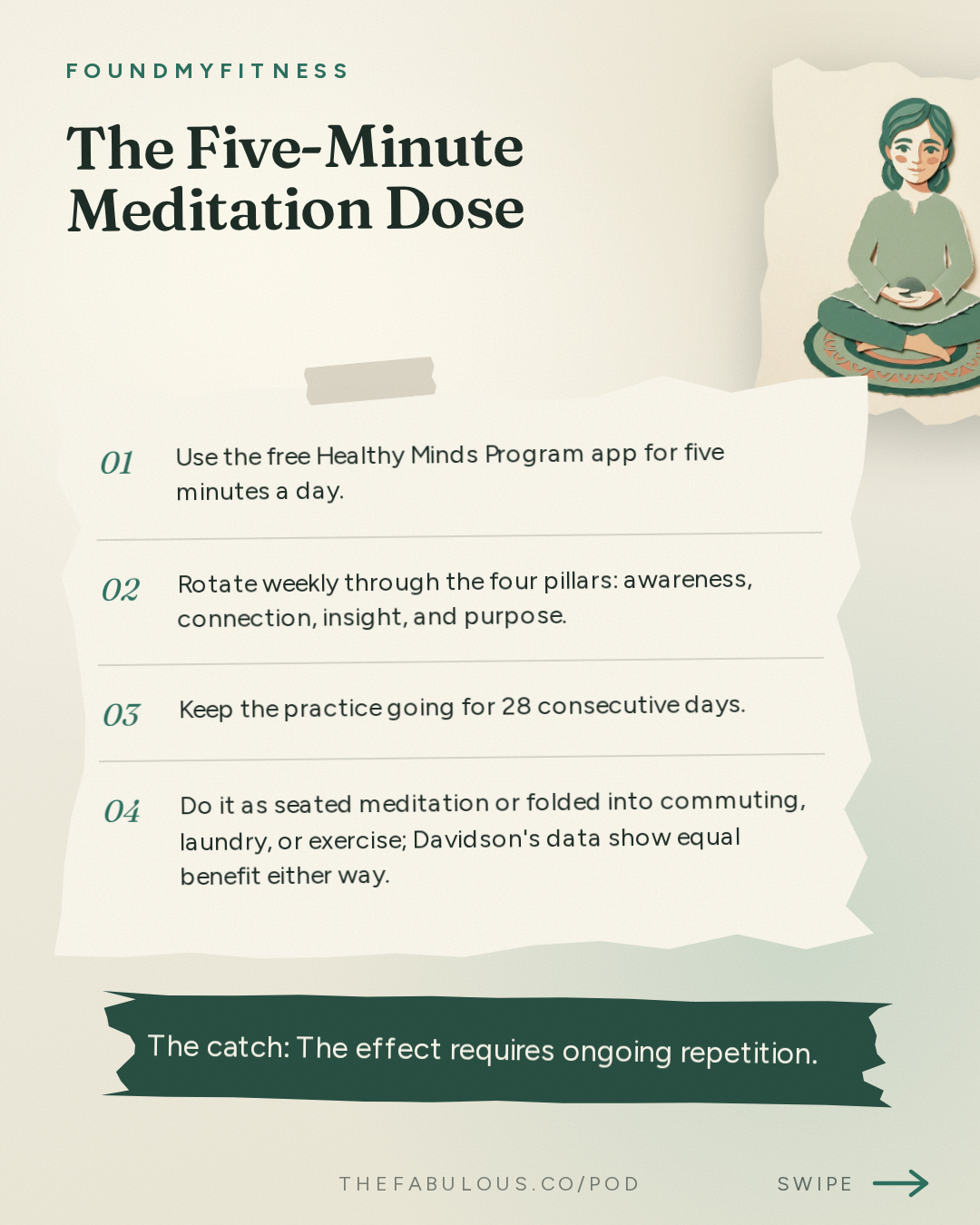
Davidson is careful to describe the mind-body relationship as a two-way street. The gut alone contains roughly 200 million neurons, feeding information to the brain continuously (55:23). Large epidemiological work, including a long-running series of studies on British civil servants known as the Whitehall studies, shows a clear association between wellbeing and physical health markers across tens of thousands of people (55:59). Correlation is not causation, but Davidson's group has run the randomized trials needed to test the causal direction, and training the mind changes the body. Meditators show a more robust antibody response to flu vaccines (57:05). More strikingly, a trial testing five minutes of daily meditation practice for 28 days produced a significant decrease in interleukin-6, or IL-6, a pro-inflammatory cytokine, and that reduction was still measurable three months after the program ended (57:35).
The same modest dose reached further than expected. Working with University of Wisconsin microbiome researcher Joe Handelsman, Davidson's team found that five minutes of daily meditation shifted the butyrate pathway, a group of gut bacteria that help seal the intestinal lining (61:01). The trial recruited about 1,200 moderately depressed participants from all fifty states, comparing stool samples taken before the intervention and three months after (62:01).
One of the deeper mechanisms behind these findings, Davidson says, runs through the insula, a brain region he calls one of his favorites because it is the only part of the brain known to have a viscerotopic map: distinct locations within it correspond to distinct organs in the body's autonomic system (64:10). Davidson's lab tested this idea using asthma as a model, since asthma severity is known to worsen under psychosocial stress. Colleagues initially doubted the brain had anything to do with a lung disease, but the research found the insula plays a real role in modulating lung inflammation, and that it responds to psychosocial influence (66:03). More recently, Davidson's team found that the prevalence of premature dementia and Alzheimer's disease is markedly higher among asthmatics than in the general population, suggesting that lung inflammation and brain inflammation are connected, and that meditation-based resilience training may buffer both (67:37).
Purpose, Practiced Daily
Some of this work has moved into classrooms. Davidson's Kindness Curriculum, a mindfulness and kindness program for children starting at age four, is now used in roughly 35,000 schools worldwide and has been tested in a randomized controlled trial (80:04). But Davidson is blunt that the most important thing an adult can do for a child is not to teach a curriculum. It is to model calm.
Flourishing, he says, is contagious the same way stress is contagious; a parent's own resilient, present state shapes a child's developing brain simply through daily exposure (82:02). That idea extends into his newest book, Born to Flourish, written with Courtland Dahl, which argues that these qualities are innate and only need to be nourished rather than installed from scratch (17:04).
Purpose gets the last word because of what it predicts. Davidson cites research showing that among people seventy and older, having a strong sense of purpose is probably the single most important psychological predictor of longevity.
"Among people who are 70 years and older, having a strong sense of purpose in life is probably the single most important psychological predictor of longevity." — Richard Davidson [93:59]
Purpose, he insists, does not require a grand mission. He describes scooping his cat's litter box every night and turning it into a small ritual, silently wishing that the task benefits not only the cat but his wife and anyone who walks into the room afterward (92:00). It costs no extra time. It is the same move as the pre-workout reflection: taking an activity that already exists in a day and filling it with intention instead of running it on autopilot.
Earlier in the conversation, Davidson made a comparison to dental hygiene: humans were not born brushing their teeth, yet almost everyone now spends a few minutes a day doing it because the habit was learned and repeated until it became automatic (12:50). His argument is that mental training could occupy the same small, unremarkable slot in daily life, not as a retreat from the world but as a way of paying closer attention to the one already in front of us.
Ask this episode anything
Pod's AI answers from the episode itself, with the minute mark so you can hear it yourself.
Or start with one of these
Ask this episode
Pod's AI listens to the whole episode to answer, and points you to the minute it comes from.
The rest of this answer, and any question after it
Answers come from the episode itself, never from a summary of it.
ContinueKey takeaways
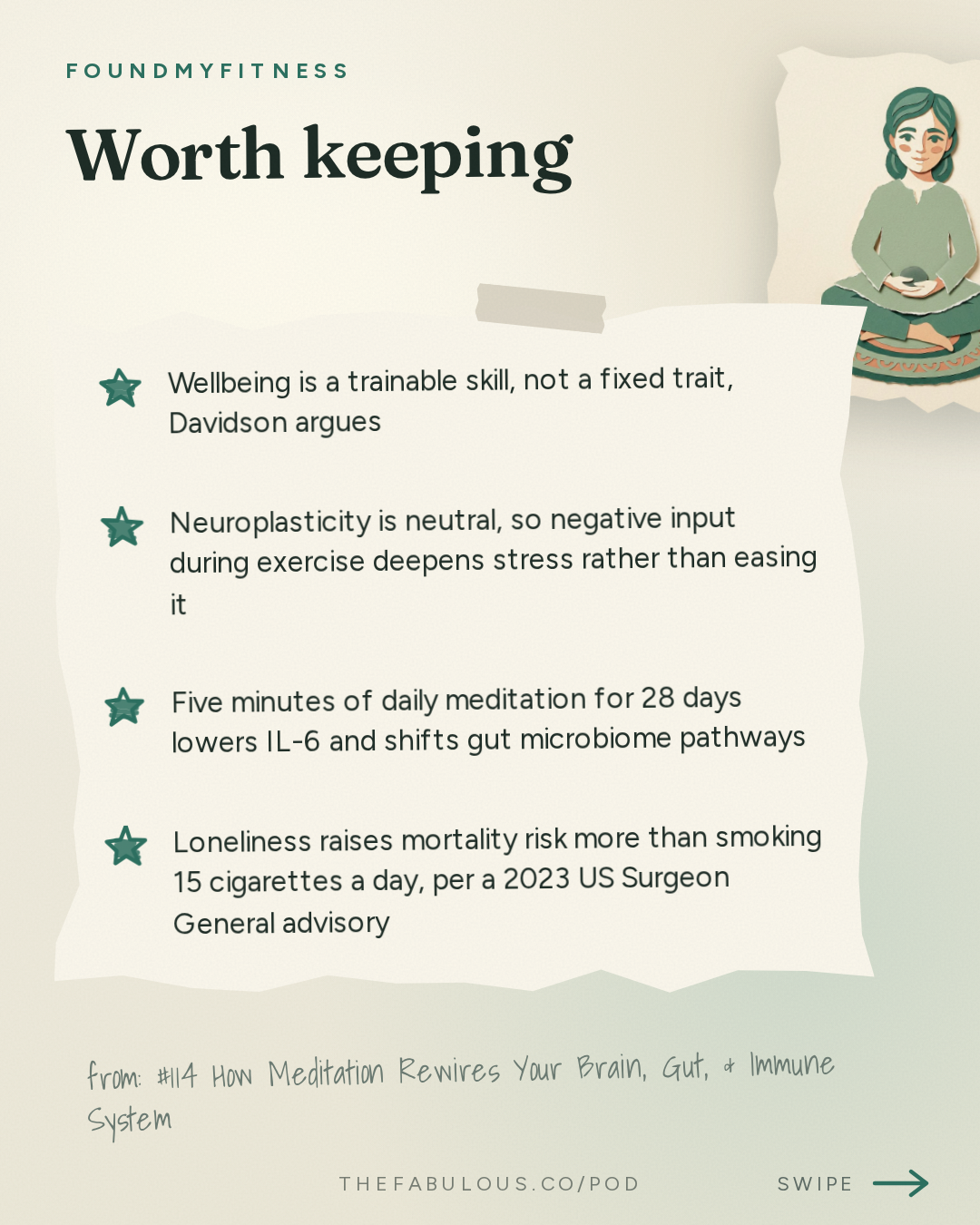
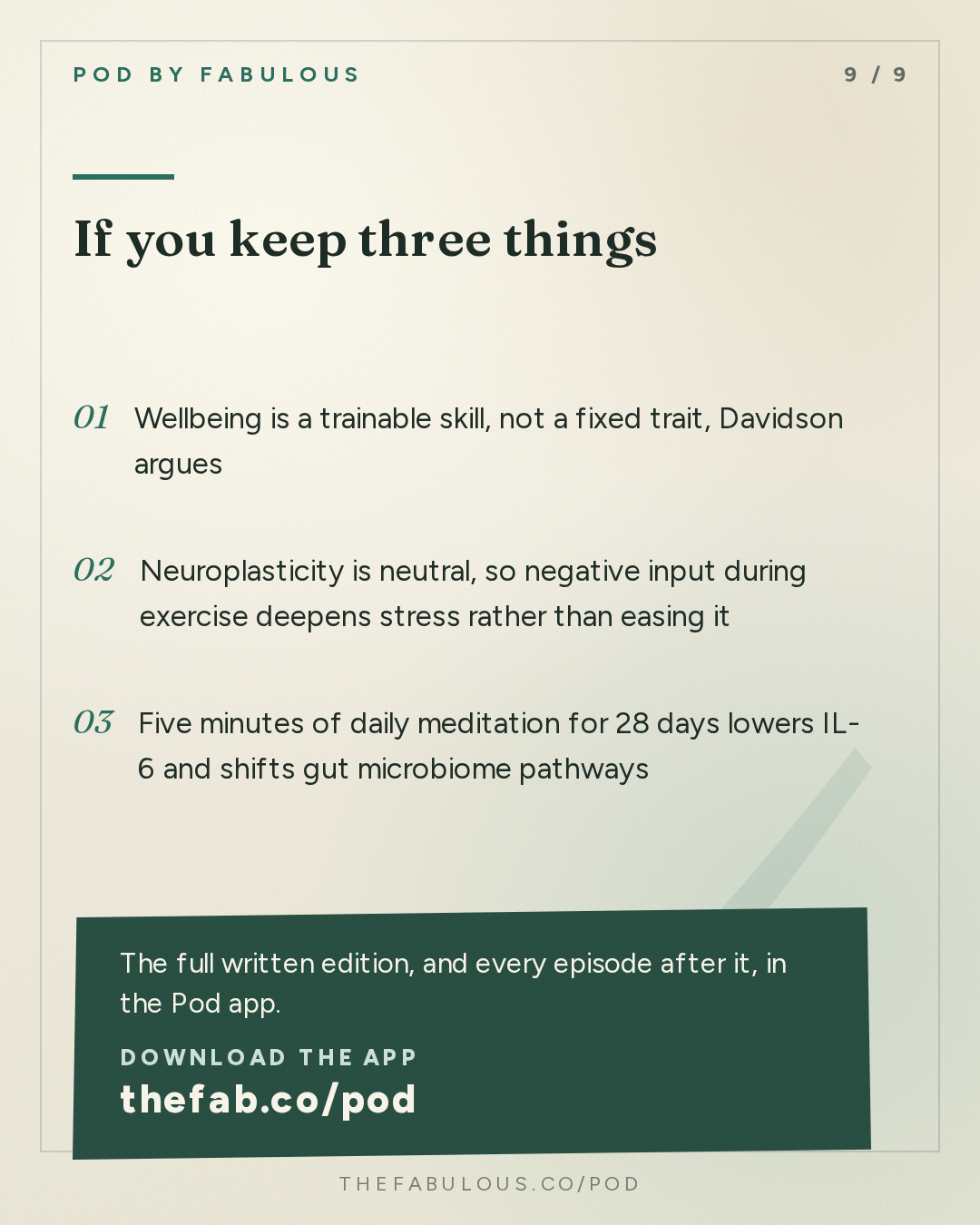
- Wellbeing is a trainable skill, not a fixed trait, Davidson argues
- Neuroplasticity is neutral, so negative input during exercise deepens stress rather than easing it
- Five minutes of daily meditation for 28 days lowers IL-6 and shifts gut microbiome pathways
- Loneliness raises mortality risk more than smoking 15 cigarettes a day, per a 2023 US Surgeon General advisory
- A strong sense of purpose is the top psychological predictor of longevity after age 70
The episode in cards
By the numbers
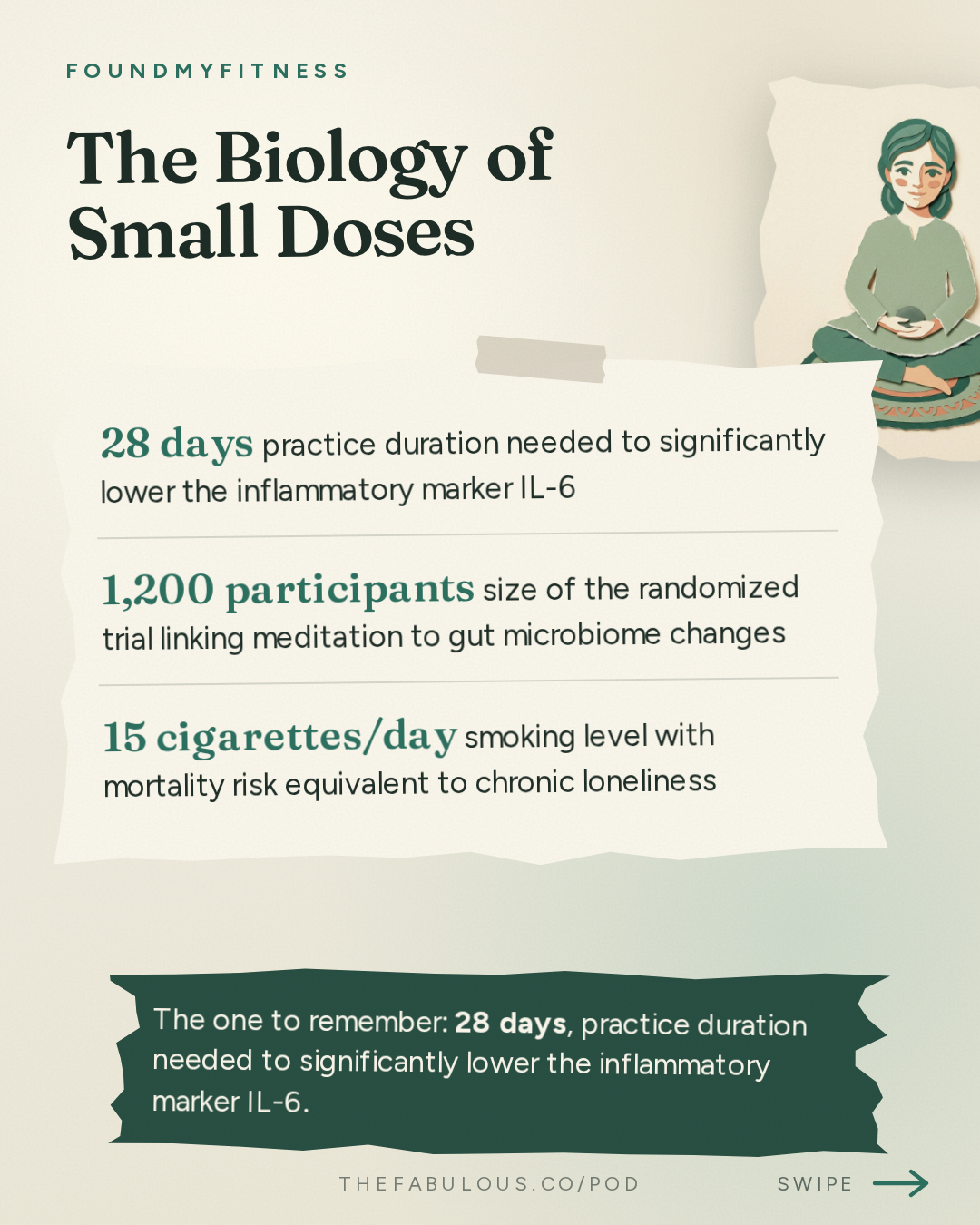
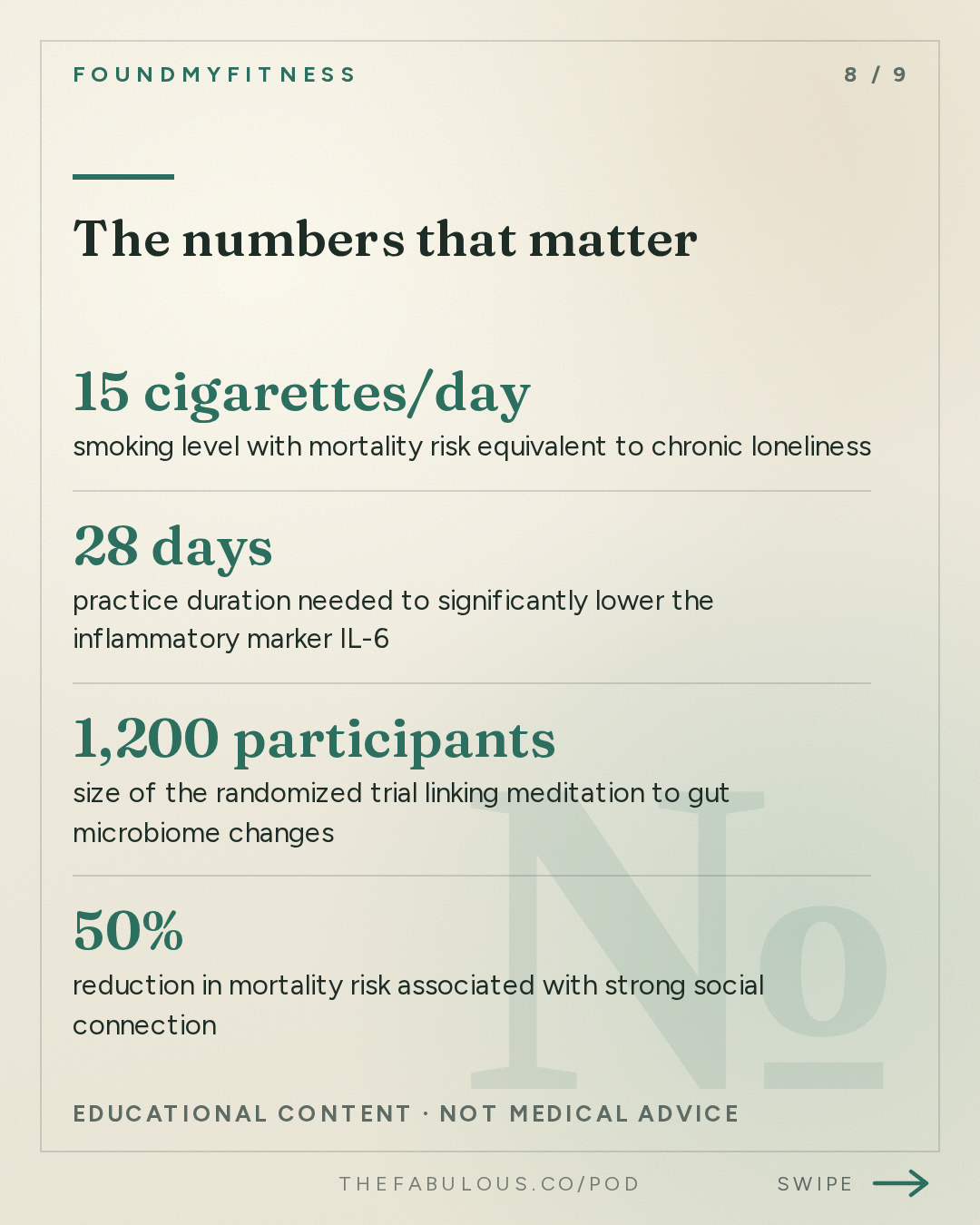
- 15 cigarettes/day smoking level with mortality risk equivalent to chronic loneliness
- 28 days practice duration needed to significantly lower the inflammatory marker IL-6
- 1,200 participants size of the randomized trial linking meditation to gut microbiome changes
- 50% reduction in mortality risk associated with strong social connection
In their words
“Wellbeing is not simply a disposition that some people possess and others do not. It includes skills that can be trained”
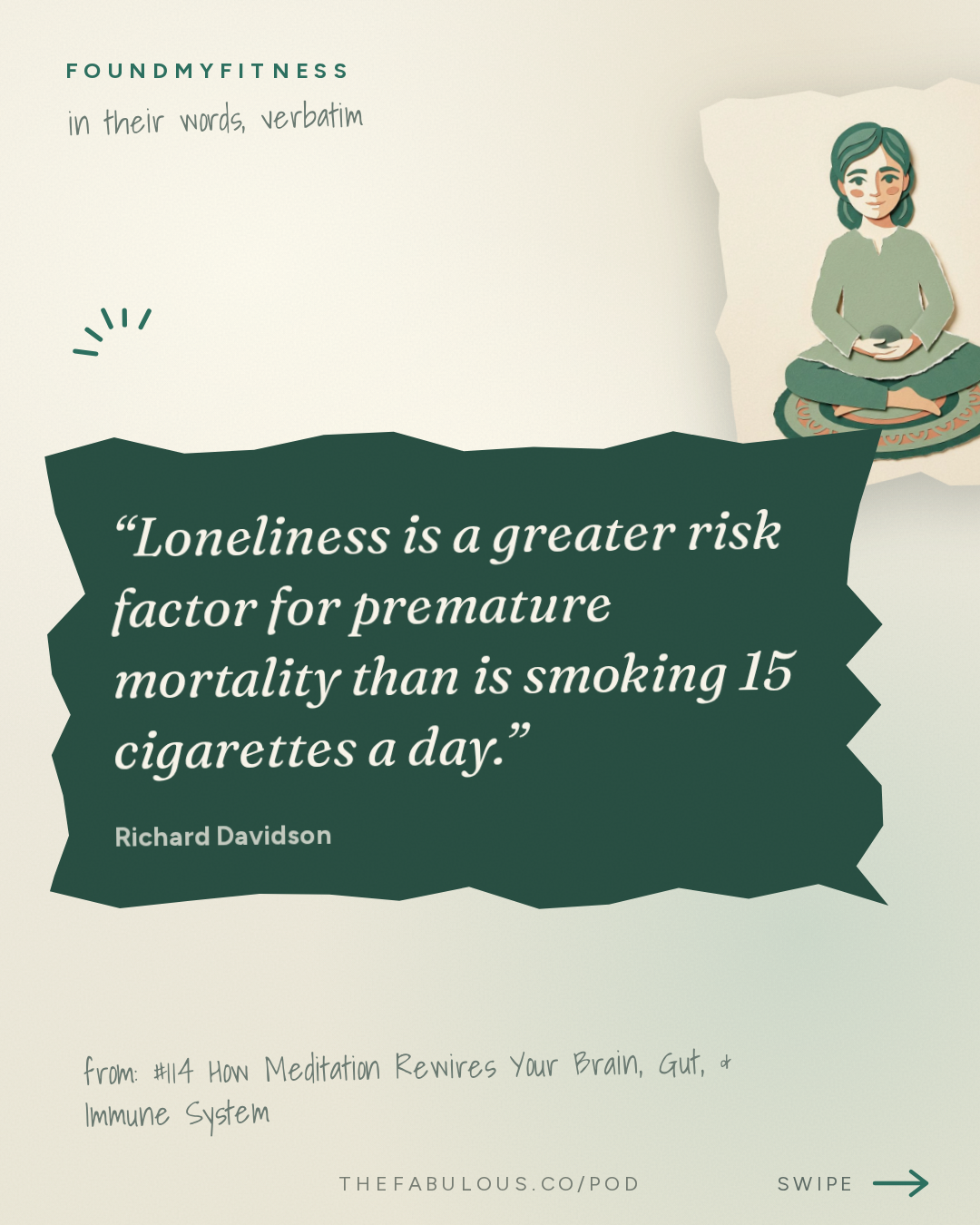
“Loneliness is a greater risk factor for premature mortality than is smoking 15 cigarettes a day.”
“Among people who are 70 years and older, having a strong sense of purpose in life is probably the single most important psychological predictor of longevity.”
Protocols
-
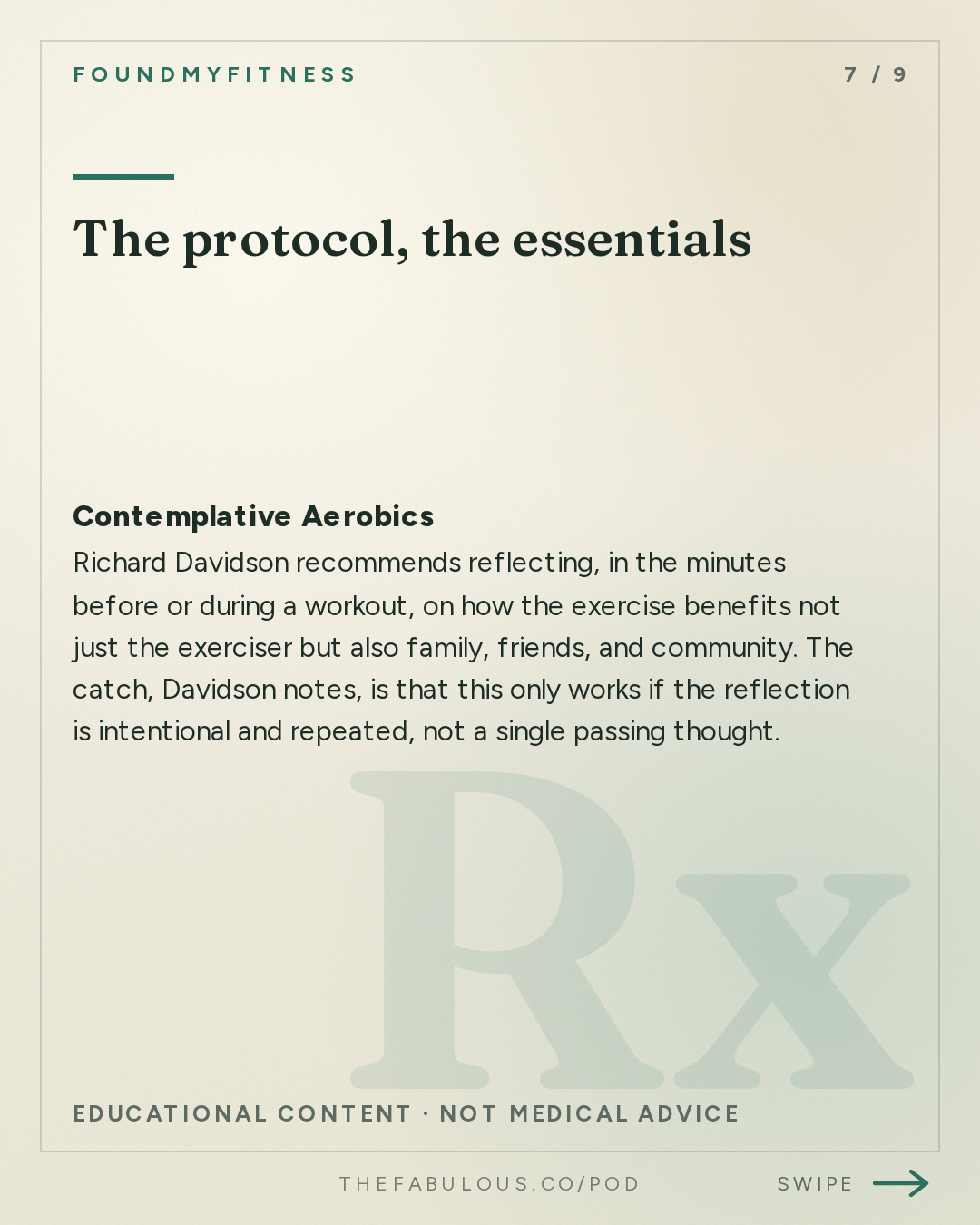
Contemplative Aerobics
Richard Davidson recommends reflecting, in the minutes before or during a workout, on how the exercise benefits not just the exerciser but also family, friends, and community. The catch, Davidson notes, is that this only works if the reflection is intentional and repeated, not a single passing thought.
Every workout
-
Five-Minute Daily Meditation
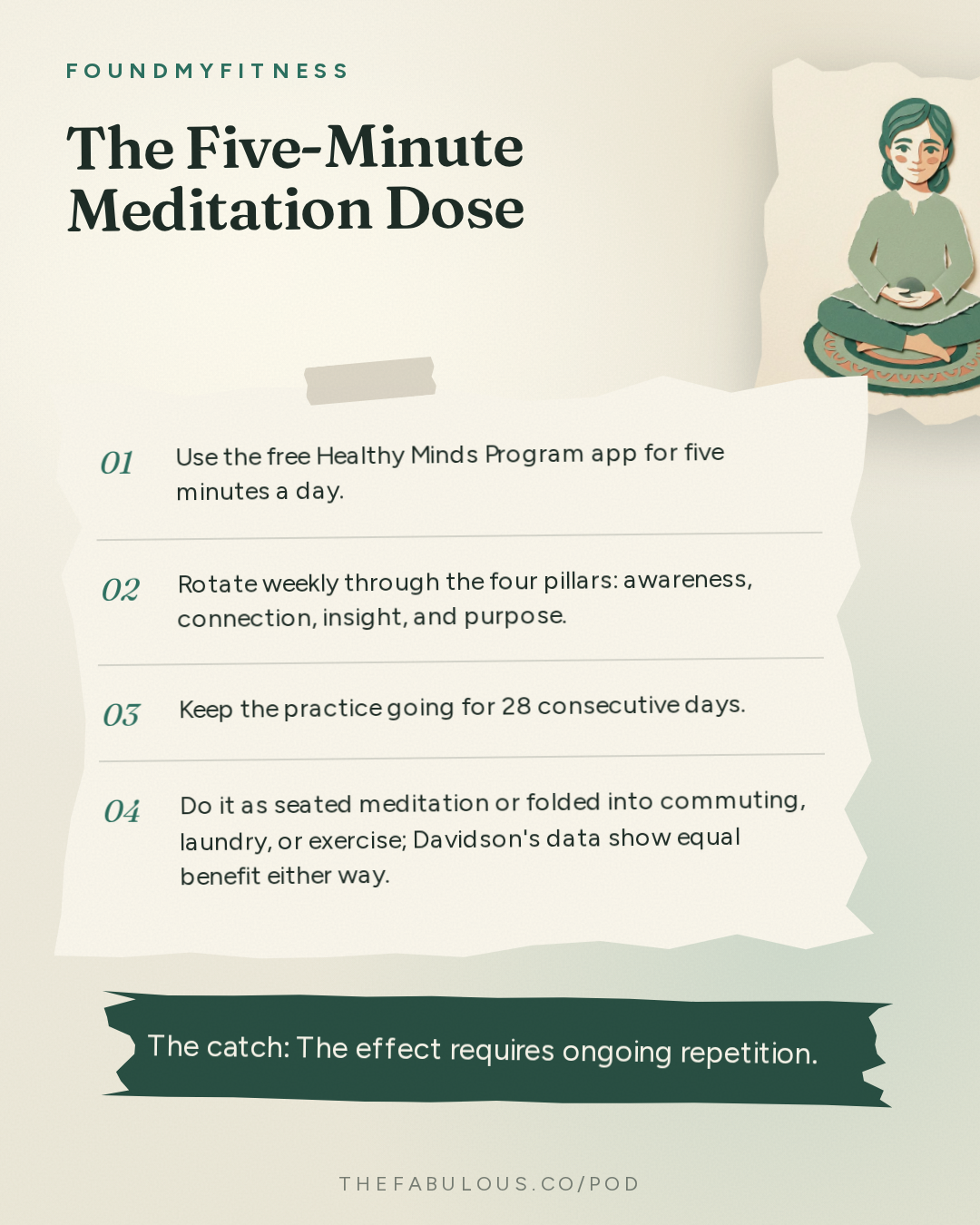
Davidson's lab has participants use the free Healthy Minds Program app for five minutes a day, cycling through the pillars of awareness, connection, insight, and purpose, for 28 consecutive days, after which measurable drops in the inflammatory marker IL-6 persisted for at least three months. The catch is that the gains fade if the practice stops, so Davidson recommends treating it like brushing teeth, a lifelong daily habit rather than a temporary fix.
Daily for 28 days, then ongoing
-
Active Meditation During Chores
Davidson advises applying the same intentional awareness used in formal meditation to commuting, walking, laundry, or dishwashing, since his data show these active practices produce the same statistical benefit as seated meditation. The catch is that this substitution works best for activities that are not already cognitively demanding, since Davidson says meditating during complex mental tasks does not produce the same result.
Anytime during daily activities
Questions this episode answers
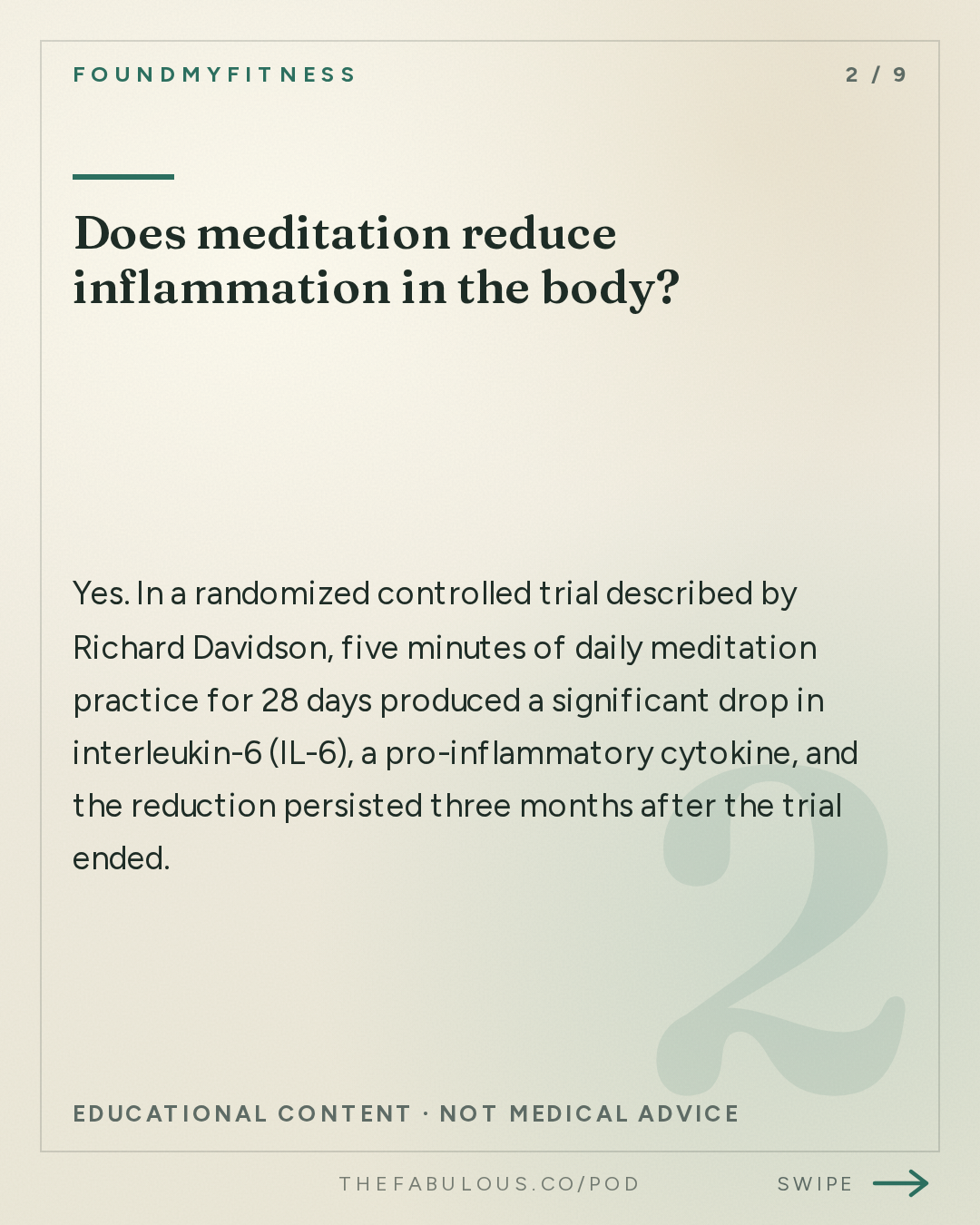
Does meditation reduce inflammation in the body?
Yes. In a randomized controlled trial described by Richard Davidson, five minutes of daily meditation practice for 28 days produced a significant drop in interleukin-6 (IL-6), a pro-inflammatory cytokine, and the reduction persisted three months after the trial ended (57:35).
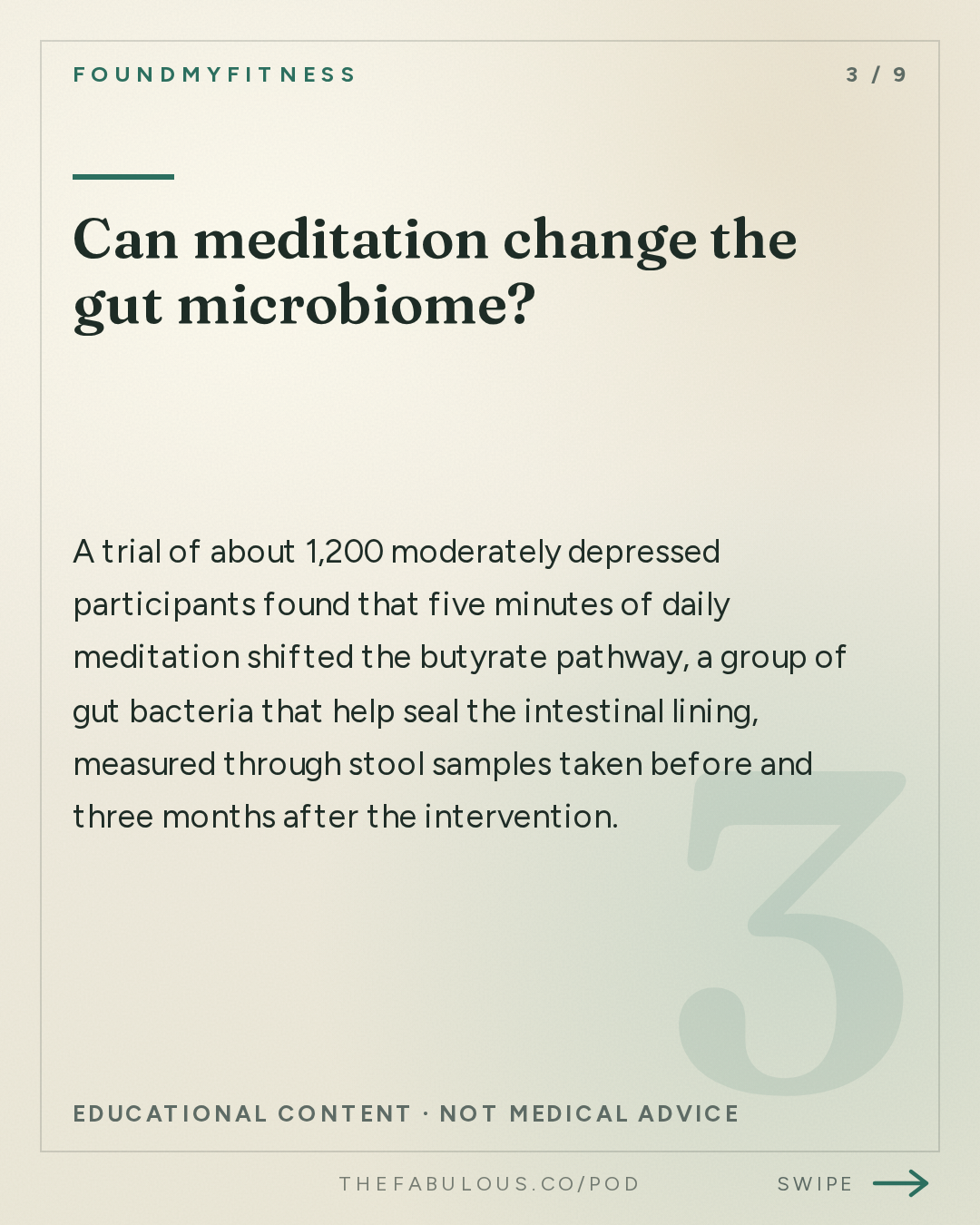
Can meditation change the gut microbiome?
A trial of about 1,200 moderately depressed participants found that five minutes of daily meditation shifted the butyrate pathway, a group of gut bacteria that help seal the intestinal lining, measured through stool samples taken before and three months after the intervention (61:01, 62:01).
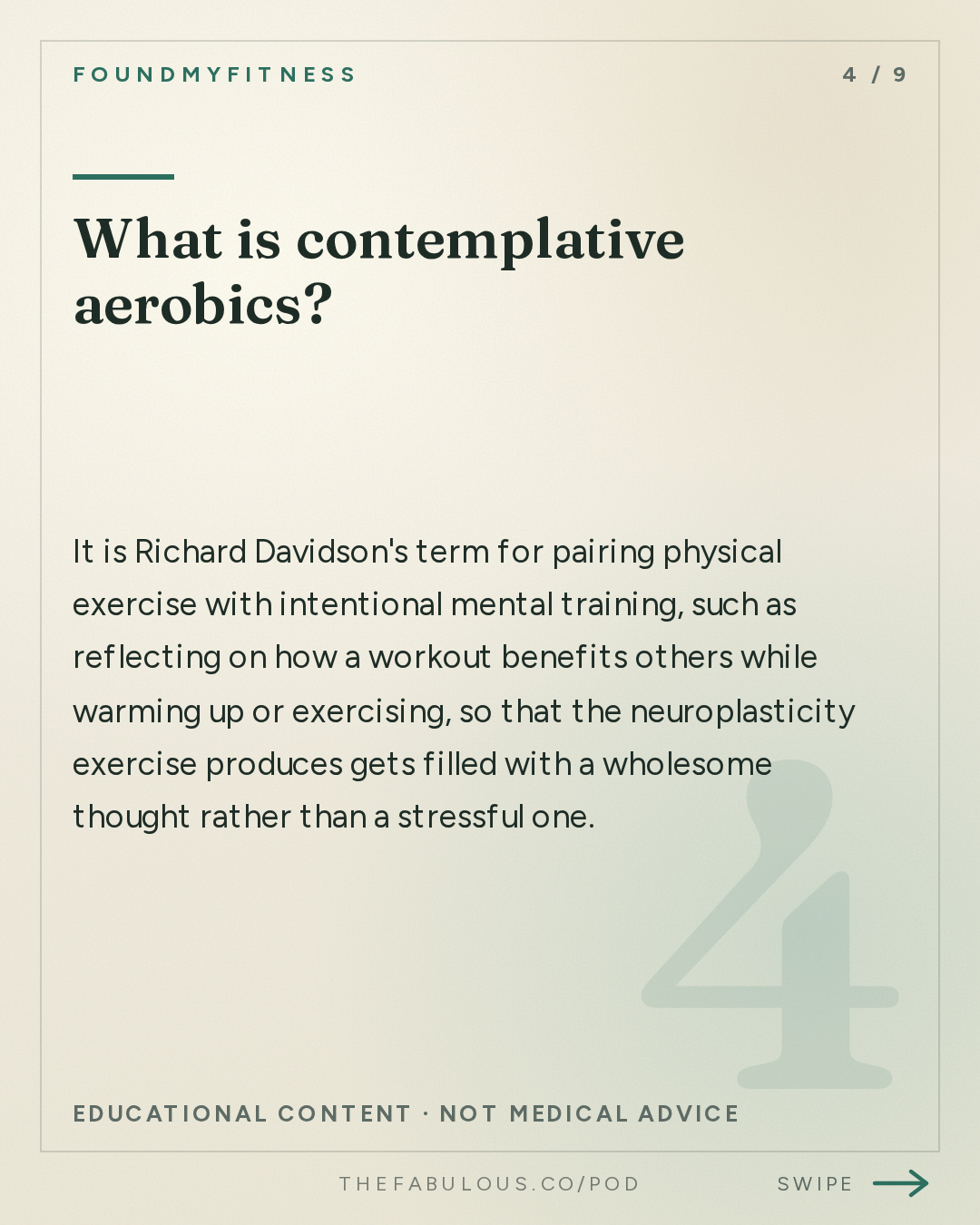
What is contemplative aerobics?
It is Richard Davidson's term for pairing physical exercise with intentional mental training, such as reflecting on how a workout benefits others while warming up or exercising, so that the neuroplasticity exercise produces gets filled with a wholesome thought rather than a stressful one (06:42).
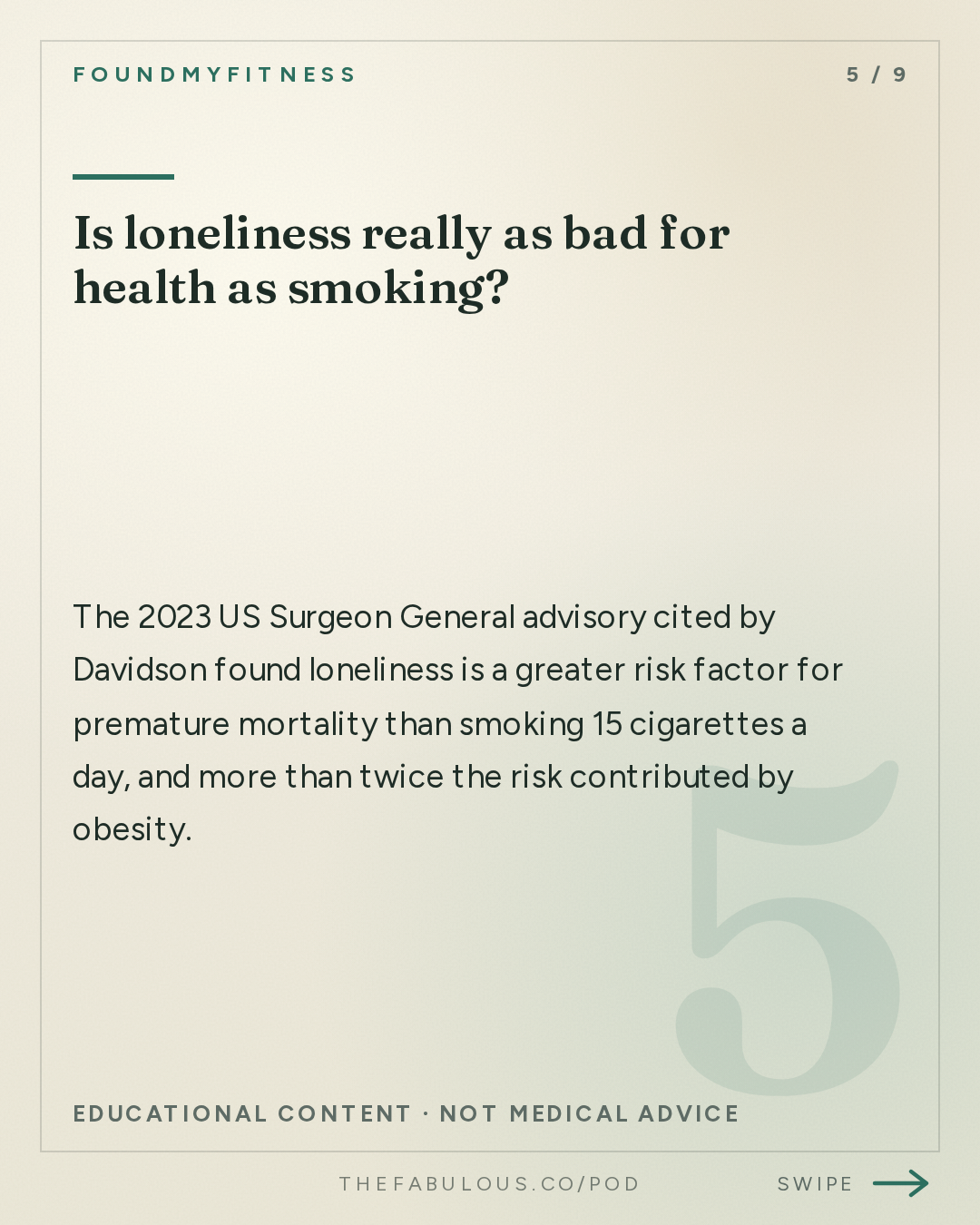
Is loneliness really as bad for health as smoking?
The 2023 US Surgeon General advisory cited by Davidson found loneliness is a greater risk factor for premature mortality than smoking 15 cigarettes a day, and more than twice the risk contributed by obesity (10:16, 83:40).
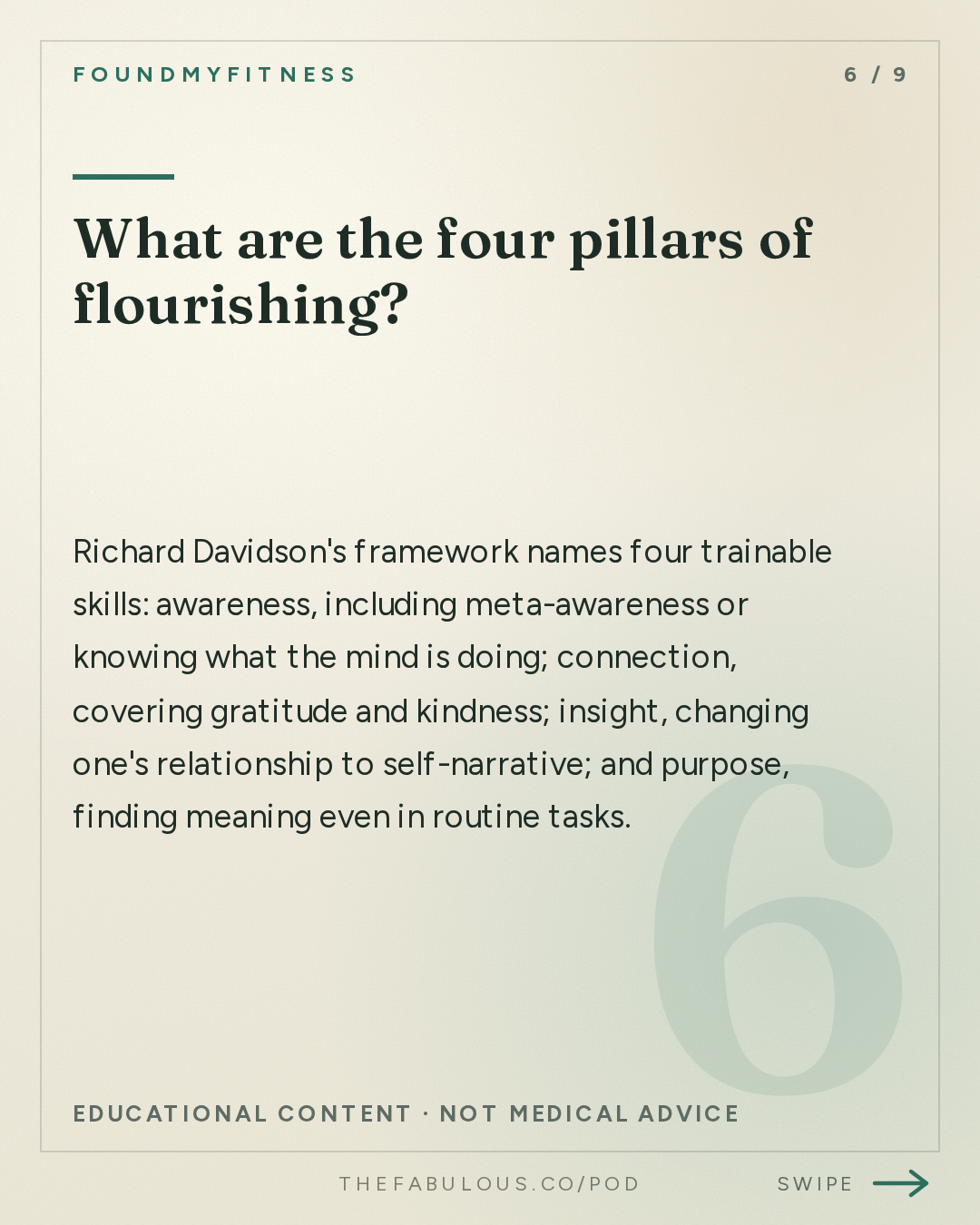
What are the four pillars of flourishing?
Richard Davidson's framework names four trainable skills: awareness, including meta-awareness or knowing what the mind is doing; connection, covering gratitude and kindness; insight, changing one's relationship to self-narrative; and purpose, finding meaning even in routine tasks (18:17).
Does having a sense of purpose help you live longer?
Davidson says that among people 70 and older, a strong sense of purpose is probably the single most important psychological predictor of longevity, and that purpose does not need to be grand since everyday tasks like preparing a meal can carry it (93:59).
The full read, in cards
Go deeper
- Whitehall studies — large UK civil-servant studies linking wellbeing measures to physical health outcomes
- Mind and Physical Activity (MAP) study — Rutgers research led by Tracy Shores combining aerobic exercise with meditation
- Healthy Minds Program randomized controlled trial — compared a full meditation app, a mindset-only version, and untreated controls
- Kindness Curriculum randomized controlled trial — tested a preschool mindfulness and kindness program now used in about 35,000 schools
- Born to Flourish — Davidson and Courtland Dahl's book on four innate pillars of flourishing
Mentioned
Dr. Richard Davidson · Center for Healthy Minds · University of Wisconsin-Madison · Vivek Murthy · Born to Flourish · Courtland Dahl · Healthy Minds Program · The Emotional Life of Your Brain · Joe Handelsman · Liz Blackburn · Elissa Epel
More from this show and category

Blueberries for Brain and Vascular Health
Blueberries measurably improve artery function and may slow cognitive aging by roughly 1.5 to 2.5 years, with benefits appearing most reliably at about one cup a day. Effects look strongest for vascular health, more mixed for blood sugar, and vulnerable to a surprising kitchen variable: blending with ripe banana.

Derya Unutmaz: How AI Could Extend Human Lifespan
Immunologist Derya Unutmaz says AI could help medicine reach longevity escape velocity within 8 to 10 years (09:13), the point where treatments add more than a year of life per year. He describes reasoning models that outperform average doctors at diagnosis (49:20), predict disease years early (79:14), and could build personalized digital twins for testing treatments before humans take them.

Jared Diamond on Leadership: Why Charisma Isn't Required
Charisma is optional for great leadership, biologist and historian Jared Diamond argues, pointing to the uncharismatic dictators Stalin and Pinochet as proof (00:26). Diamond, 89, applies a 'natural experiment' method from biology to politics, religion, business, and sports, showing only 2 of 22 modern political leaders stepped down voluntarily and that coaches and CEOs get too much credit or blame for outcomes that are mostly random (95:37).
How to Build Glutes Without Growing Legs
Hip dips are permanent anatomy, not a fitness failure, says glute researcher and hip thrust inventor Bret Contreras. He explains why horizontal moves like hip thrusts and kickbacks are gentler on joints than squats, how women recover faster than men, and how a five-month training rotation builds glutes while sparing the legs.
