Topic

Exercise & training

Strength, endurance, recovery, and programming for healthspan.

BETTER! with Dr. Stephanie Estima artwork
BETTER! with Dr. Stephanie Estima

How to Build Glutes Without Growing Legs

Hip dips are permanent anatomy, not a fitness failure, says glute researcher and hip thrust inventor Bret Contreras. He explains why horizontal moves like hip thrusts and kickbacks are gentler on joints than squats, how women recover faster than men, and how a five-month training rotation builds glutes while sparing the legs.
October 19, 2026 · 6 min read

You Are Not Broken artwork
You Are Not Broken

Building Muscle in Midlife: Hormones Explained

Heavy resistance training, not cardio, rebuilds muscle lost in perimenopause, say physicians Kelly Casperson and Rebeccah Hertel. They cite data showing testosterone cuts hip fracture risk in women by about 50%, estrogen patches can help bone density well past age 60, and widely used lab ranges and 1990s-era studies understate hormone therapy's safety.

October 18, 2026 · 7 min read

Perform with Dr. Andy Galpin artwork
Perform with Dr. Andy Galpin

Testosterone, Age, and Metabolic Health Explained

Testosterone does not fall because someone gets older; Dr. Andy Galpin says the data show obesity and metabolic dysfunction, not age itself, drive almost all of the decline. Men who hit five basic metabolic health markers have under a 1% chance of low testosterone (34:38), while obesity alone raises the risk roughly 7.5-fold (33:18).

October 14, 2026 · 7 min read

Sigma Nutrition artwork
Sigma Nutrition

How to Interpret Testosterone Test Results

A single testosterone number rarely settles the question of whether treatment will help. Physician Austin Baraki says free testosterone, symptom type, and the underlying cause of a low reading (often obesity, poor sleep, or alcohol) matter more than one blood draw, and a 4 to 6 month trial beats a lifelong commitment.

October 13, 2026 · 6 min read

BETTER! with Dr. Stephanie Estima artwork
BETTER! with Dr. Stephanie Estima

Muscle Power vs Strength for Longevity

Psychophysiologist Paul Taylor says muscle power, not size or strength, best predicts how long people live. He tells Dr. Stephanie Estima that myokines, signaling molecules released by contracting muscle, act like an internal pharmacy, and he gives dosing-style guidance on power training, protein, omega-3, and cold plunge limits.

October 12, 2026 · 7 min read

The Mel Robbins Podcast artwork
The Mel Robbins Podcast

Dr. Lara Boyd on How to Rewire Your Brain

Neuroscientist Lara Boyd says experience, not any drug, is the brain's biggest driver of change. Her research shows plasticity peaks when a task is hard enough to succeed only half the time, and that sleep, exercise, and lower cortisol all expand the brain's capacity to rewire at any age.

October 12, 2026 · 7 min read

Barbell Medicine artwork
Barbell Medicine

How Much Lifting Is Enough for Health?

Public health guidelines recommend lifting twice a week, but the study behind that number found three days worked better. Jordan Feigenbaum argues lifting doesn't hurt the heart, carries lower injury risk than running, and shows no real ceiling for strength, bone density, or metabolic benefits, so most people should train roughly double the current guideline.

October 8, 2026 · 6 min read

The Dr. Gabrielle Lyon Show artwork
The Dr. Gabrielle Lyon Show

Hormones and Attraction: What the Science Shows

Hormones shape attraction traits mostly during puberty, not day to day. A masculine face doesn't reveal current testosterone, and the ovulatory-shift theory, that women prefer masculine men mainly near ovulation, lacks support. Perceived physical strength explains 70% of women's attractiveness ratings for men's bodies, making muscle, unlike facial bone structure, the one hormone-built trait people can still train.

October 8, 2026 · 7 min read

The Dr. Gabrielle Lyon Show artwork
The Dr. Gabrielle Lyon Show

JJ Thomas's Primal Physical Therapy Guide

Physical therapist JJ Thomas argues that pain is an alarm pointing to a movement problem elsewhere in the body, not proof that the hurting spot is broken. She treats patients with seven foundational movements (squat, hinge, push, pull, carry, reach, rotate) and dry needling at sites far from the pain, arguing most overuse injuries are really underuse injuries of neighboring muscles.

October 6, 2026 · 6 min read

Sigma Nutrition artwork
Sigma Nutrition

Body Composition Testing: DEXA vs BIA Accuracy

No device on the market actually measures body fat; every scale, scan, or pod only estimates it from indirect signals, and a method proven accurate for a group can still mislead an individual user. Texas Tech professor Grant Tinsley explains why standardizing tests, tracking one device over time, and treating small percentage swings as noise matter more than any single number (12:49, 38:24).

October 6, 2026 · 7 min read

Barbell Medicine artwork
Barbell Medicine

Why Lifting Heavy Was Called Dangerous

In 1985 a panel of obstetricians banned pregnant women from raising their heart rate past 140 beats per minute, a number invented by consensus, not data (00:01). The same pattern, rules built on vibes rather than evidence, shaped a century of bans on heavy lifting for women, children, and anyone squatting below parallel, until later studies quietly reversed nearly all of them.

October 2, 2026 · 7 min read

The Dr. Gabrielle Lyon Show artwork
The Dr. Gabrielle Lyon Show

Building Muscle in Menopause: What Studies Show

No, it is not too late: postmenopausal women gained up to eight pounds of muscle in 12 weeks of structured lifting. Hormone therapy does not build muscle on its own, but it can amplify gains from resistance training, and the protein target for bone and muscle protection is roughly double the standard RDA.

October 1, 2026 · 7 min read

The Dr. Gabrielle Lyon Show artwork
The Dr. Gabrielle Lyon Show

Surgical Prehabilitation Protocol Guide

Prehabilitation, the practice of preparing the body before surgery instead of only recovering after it, can measurably change outcomes. Duke University surgeon Rebecca Knackstedt recommends 2 grams of protein per kilogram of body weight daily (34:26), a vitamin D level near 70 ng/mL (25:47), targeted muscle training, and five days of immunonutrition before major operations (69:01) to cut complications and speed healing.

September 29, 2026 · 7 min read

BETTER! with Dr. Stephanie Estima artwork
BETTER! with Dr. Stephanie Estima

Strength Training for Hypermobility, Done Safely

Hypermobile joints move past normal range because ligaments are too loose, so strength training, not stretching, is the primary fix. Dr. Stephanie Estima recommends training within 80% of available range of motion, using slow eccentrics and isometric holds, plus adequate protein and vitamin C to support connective tissue repair.

September 28, 2026 · 8 min read

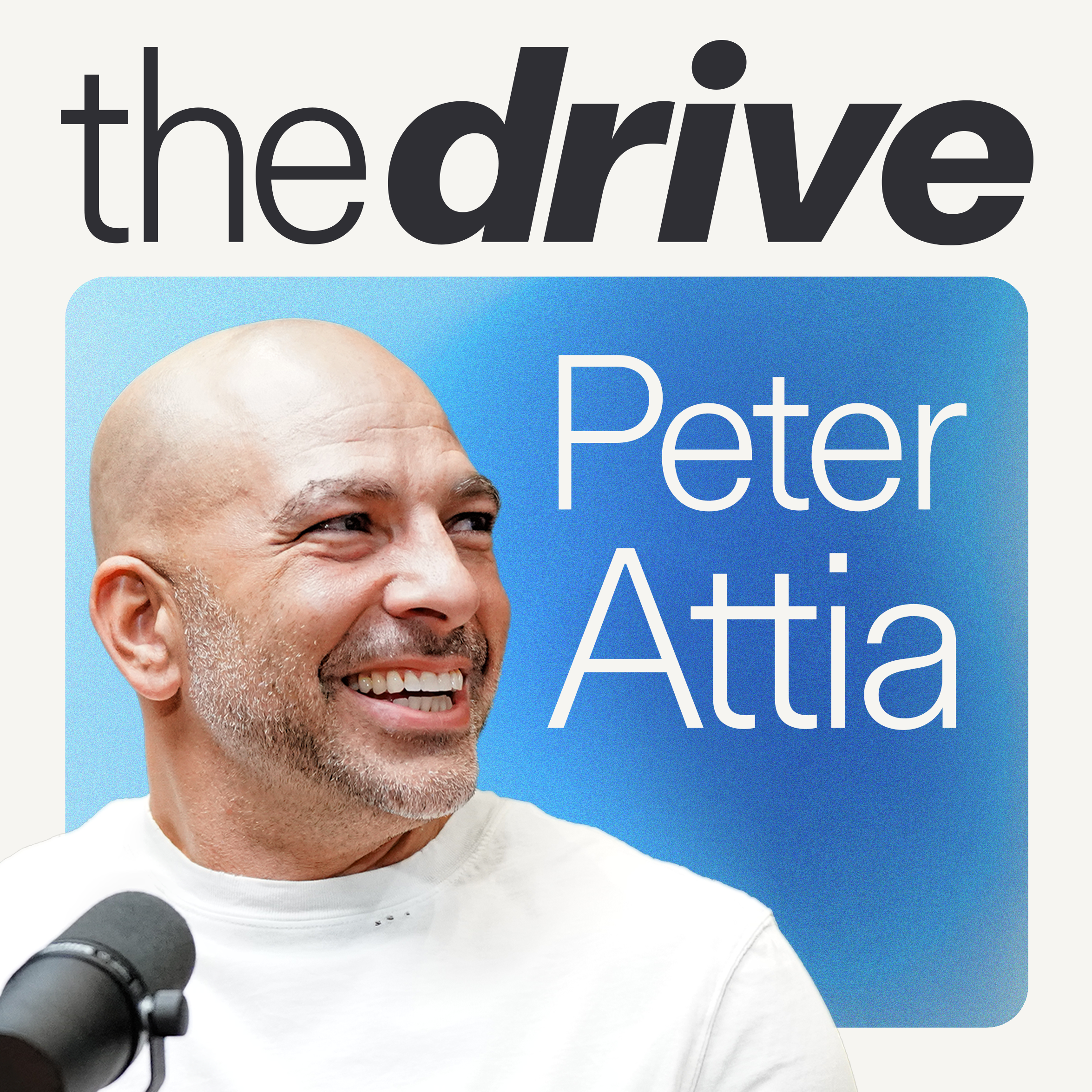
The Peter Attia Drive artwork
The Peter Attia Drive

Lloyd Klickstein on How New Drugs Get Made

Physician-scientist Lloyd Klickstein maps the full arc of drug development, from spotting an unmet need to FDA approval, using the muscle drug bimagrumab as his case study. Paired with semaglutide, it cut body fat by 45.7% over 72 weeks (125:28), rivaling bariatric surgery, while exposing the economics of patents, manufacturing, and phase one risk.

September 28, 2026 · 7 min read

The Dr. Gabrielle Lyon Show artwork
The Dr. Gabrielle Lyon Show

ED as an Early Predictor of Heart Attack Risk

Erectile dysfunction predicts a future heart attack better than chest pain does, especially in younger men (11:11). Urologist Tobias Kohler describes two cheap early-warning tests, a coronary calcium scan and a Mayo Clinic ceramide blood test, plus the cardiac damage caused by high-dose testosterone abuse (12:49, 44:55).

September 22, 2026 · 6 min read

unPAUSED with Dr. Mary Claire Haver artwork
unPAUSED with Dr. Mary Claire Haver

Gabrielle Lyon: Muscle Is the Longevity Organ

Dr. Gabrielle Lyon argues that skeletal muscle, not body fat, is the organ that determines how well women age. She explains that muscle drives glucose disposal, releases hormone-like myokines, and needs at least 100 grams of daily protein plus resistance training to stay healthy after midlife.

September 22, 2026 · 6 min read

unPAUSED with Dr. Mary Claire Haver artwork
unPAUSED with Dr. Mary Claire Haver

Protein Needs for Muscle in Menopause: Dr. Lyon's Guide

Dr. Gabrielle Lyon says women need 30 to 50 grams of protein in their first meal after an overnight fast to switch on muscle building. She explains why aging muscle grows resistant to protein and exercise, why resistance training beats hormone therapy for long-term independence, and why suppressing mTOR is the wrong longevity strategy.

September 25, 2026 · 7 min read

The Dr. Gabrielle Lyon Show artwork
The Dr. Gabrielle Lyon Show

Menopause, Muscle Loss, and Insulin Resistance

Menopause changes the body mainly by shrinking muscle, not just by crashing hormones. Dr. Gabrielle Lyon argues that muscle loss, which starts speeding up about two years before a woman's final period, drives the insulin resistance, bone loss, and fat gain often blamed on menopause alone, and that resistance training and higher protein intake are the direct countermeasures.

September 24, 2026 · 7 min read

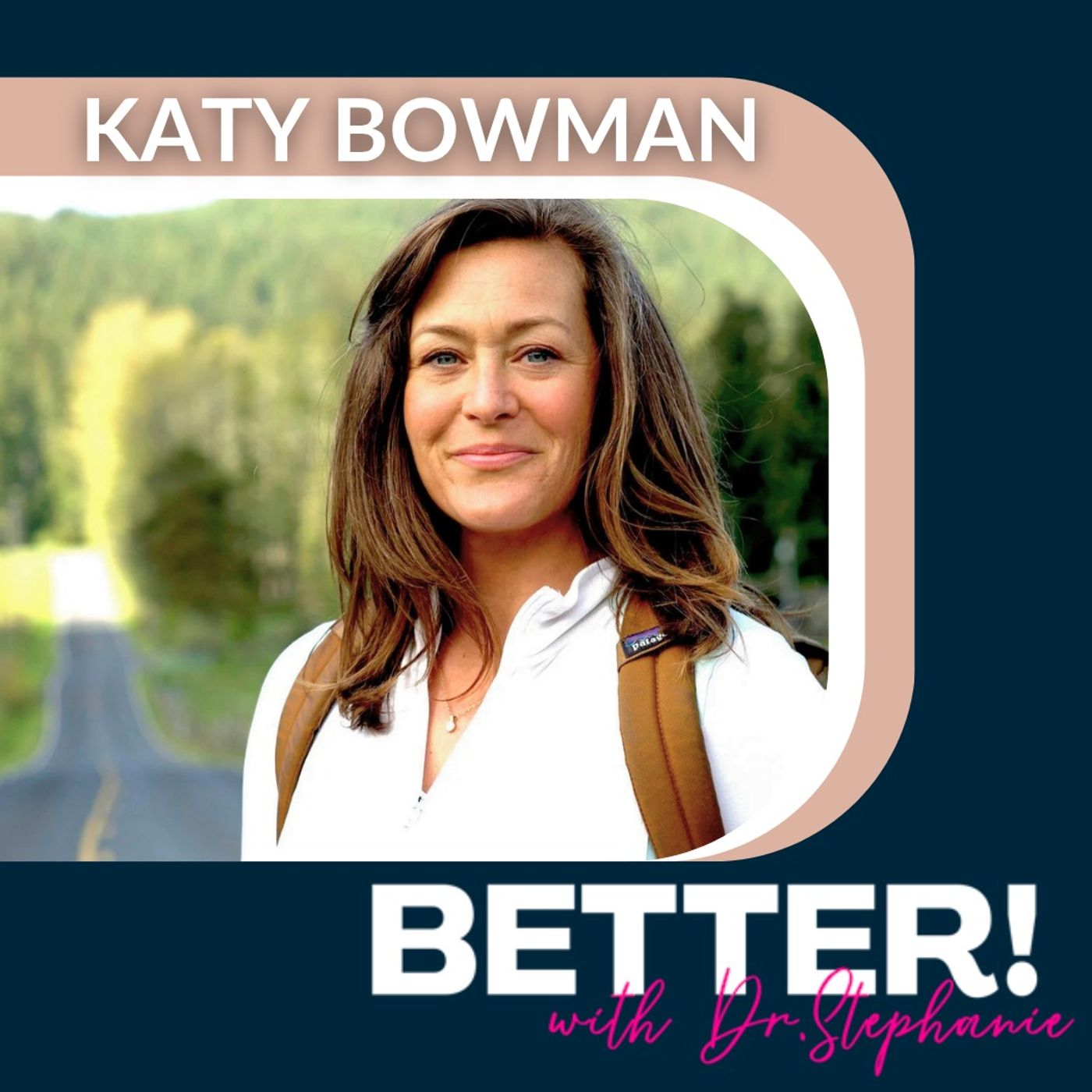
BETTER! with Dr. Stephanie Estima artwork
BETTER! with Dr. Stephanie Estima

Katy Bowman: Movement as Nutrition, Not Exercise

Biomechanist Katy Bowman argues movement is a nutrient the body requires daily, not a scheduled workout, and that modern convenience saves movement rather than time. She maps a movement pyramid from floor-sitting to sprinting, links bone strength to changing direction, and traces midlife foot pain to decades of repeated gait patterns.

September 21, 2026 · 6 min read

Barbell Medicine artwork
Barbell Medicine

Is Training Safe in Wildfire Smoke?

Exercise still protects health during wildfire smoke, and lifting is safer than cardio because it barely raises breathing rate. Training right at failure isn't required for muscle growth either, since easier sets and even indirect fractional sets still add measurable stimulus, so individual response matters more than hitting an exact rep-in-reserve number.

September 24, 2026 · 6 min read

Huberman Lab artwork
Huberman Lab

Andy Galpin's Strength and Hypertrophy Protocols

Strength and muscle size are not the same adaptation: size can grow without strength, and power fades fastest with age. Kinesiologist Andy Galpin lays out concrete numbers, a 3-to-5 strength template, and a 10-to-25 weekly set range for hypertrophy that adapts to real-life chaos (11:30, 32:15).

September 24, 2026 · 7 min read

Barbell Medicine artwork
Barbell Medicine

Do You Need a Calorie Surplus to Build Muscle?

No: men above roughly 20% body fat can build muscle in a modest calorie deficit by spending stored fat as fuel. Sports scientist Eric Helms says below about 12% body fat the reverse happens, so a small surplus helps; in between, calorie balance barely matters if training and protein are dialed in.

September 17, 2026 · 7 min read

Huberman Lab artwork
Huberman Lab

Andy Galpin's 9 Fitness Benchmarks to Self-Test

Exercise scientist Andy Galpin breaks fitness into nine measurable adaptations, from movement skill to long-duration endurance, each with a home-testable benchmark. The takeaway: a broad jump, a dead hang, and a 12-minute run tell you more about your health trajectory than a single cardio number ever could (02:32).

September 17, 2026 · 7 min read

Perform with Dr. Andy Galpin artwork
Perform with Dr. Andy Galpin

Dr. John Rusin's 6-Phase Dynamic Warmup Explained

Physical therapist and performance coach Dr. John Rusin lays out a diagnostic and warmup system for training around chronic pain without surgery or years off. His six-phase, 10 to 12 minute daily sequence (24:02) turns soft tissue work, stretching, and activation drills into deliberate, measurable steps rather than vague pre-workout ritual.

September 16, 2026 · 7 min read

Sigma Nutrition artwork
Sigma Nutrition

BPC-157 Safety and Clinical Evidence Explained

BPC-157 and similar peptide medications have almost no published human safety data, and most are sold as unregulated 'research chemicals.' Dr. Jordan Feigenbaum, founder of Barbell Medicine, explains the evidence gap, sourcing risks between research-grade chemicals and compounding pharmacies, and why pharmaceutical companies abandoned these compounds despite viral anecdotal enthusiasm.

September 15, 2026 · 7 min read

Huberman Lab artwork
Huberman Lab

How Mitochondria Control Metabolism: Jared Rutter

Biochemist Jared Rutter explains that every cell's mitochondria choose between burning fuel for energy or building biomass, and that choice can go wrong. When heart cells lose the mitochondrial pyruvate carrier, they build instead of burn, grow enlarged, and fail; cancer cells make the same choice on purpose, fueling uncontrolled growth.

September 7, 2026 · 6 min read

The Peter Attia Drive artwork
The Peter Attia Drive

Peter Attia's Blood Pressure Protocol Explained

High blood pressure above 120/80 doubles cardiovascular death risk with each 20 mmHg rise in systolic pressure, physician Peter Attia explains. He breaks down what the SPRINT and STEP trials proved about aggressive treatment, how to measure blood pressure correctly at home, and why weight loss, exercise, sleep, and sodium timing can lower it as much as medication.

September 7, 2026 · 7 min read

Barbell Medicine artwork
Barbell Medicine

Is Obesity Really a Muscle Disease?

Obesity is not simply a muscle shortage: lean mass on a DEXA scan predicts no falls, fractures, or death in 18,800 older adults (21:44). Barbell Medicine host Dr. Jordan Feigenbaum argues the real damage comes from where fat lands, what molecular form it takes, and how fast it moves, drawing on GLUT4 transporter mechanics and GLP-1 trial data.

September 4, 2026 · 6 min read

Lex Fridman Podcast artwork
Lex Fridman Podcast

Khabib Nurmagomedov on Hardship, Discipline, and Faith

Khabib Nurmagomedov says hardship, not comfort, builds champions, drawing on Dagestan's Spartan gyms and his father's brutal discipline. The retired UFC lightweight champion, undefeated at 29-0, tells Lex Fridman that staying a champion is harder than becoming one, and that faith keeps wealth in the hand rather than the heart.

August 12, 2026 · 7 min read

Perform with Dr. Andy Galpin artwork
Perform with Dr. Andy Galpin

Dan Garner on Blood Work and Fitness Constraints

Dan Garner explains how blood work reveals the biological constraints, like low testosterone or vitamin D, that block fitness progress, and why lab noise often makes a rising or falling number meaningless. He also covers hypertrophy training splits, diet breaks, and why peptides like SS-31 sound impressive but lack real performance data.

August 19, 2026 · 7 min read

Barbell Medicine artwork
Barbell Medicine

Personal Fat Threshold Theory Explained

The personal fat threshold theory says obesity begins when a person's fat cells run out of storage room, not at any fixed weight or BMI. Once storage fills up, fatty acids leak into the liver, muscle, and pancreas, causing insulin resistance. Removing fat surgically does not reverse this; restoring storage capacity does.

August 20, 2026 · 8 min read

Perform with Dr. Andy Galpin artwork
Perform with Dr. Andy Galpin

Andy Galpin's Nutrition and Hydration Fundamentals

Andy Galpin argues nutrition science mostly agrees: eat whole foods, manage calories, hit protein and fiber targets, and hydrate by formula. The rest, like meal timing or keto versus low-fat, is personal preference layered on the same ten to fifteen fundamentals (03:50, 11:48, 32:37).

August 5, 2026 · 6 min read