
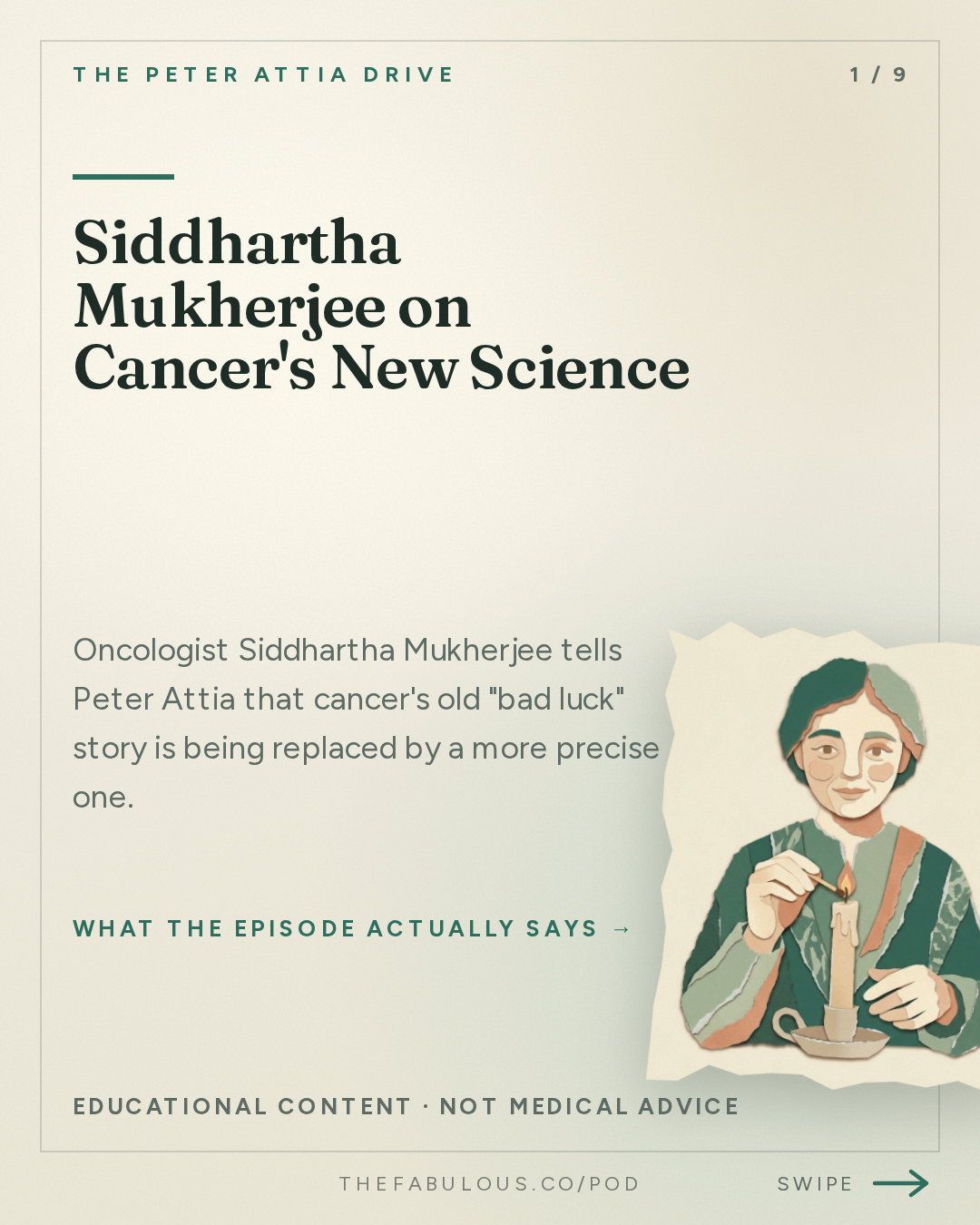
Siddhartha Mukherjee on Cancer's New Science
#412 ‒ The evolving science of cancer: emerging approaches to prevention and early detection, and the advances reshaping treatment | Siddhartha Mukherjee, M.D., Ph.D.
▶ Listen to the full episode More from The Peter Attia Drive
The brief
Oncologist Siddhartha Mukherjee tells Peter Attia that cancer's old "bad luck" story is being replaced by a more precise one: inflammation acts as the trigger that wakes dormant, mutation-carrying "sleeper cells" into tumors, which reframes prevention, treatment, and how we think about aging itself.
Fifteen years ago, Siddhartha Mukherjee wrote himself a private note. He did not expect to live long enough to see a medicine extend the life of a smoker with lung cancer. He was wrong, and happily so (11:22). That reversal is the quiet thread running through his conversation with Peter Attia, a tour of what oncology now knows that it did not know when Mukherjee published The Emperor of All Maladies fifteen years earlier (01:43). The news is mixed. Overall cancer mortality in the United States keeps falling, but colorectal cancer is rising sharply in people under fifty, and nobody fully knows why (07:14).
Start with the old story: cancer as bad luck. In 2015, geneticist Bert Vogelstein published a paper arguing that across cancer types, about 5 percent of driver mutations were hereditary, roughly 30 percent came from environmental exposure, and a startling 66 percent were simply random copying errors, the kind of bad luck no lifestyle choice prevents (16:20). Mukherjee thinks that math is already out of date. He offers his patients a different vocabulary: shove mutations and nudge mutations.
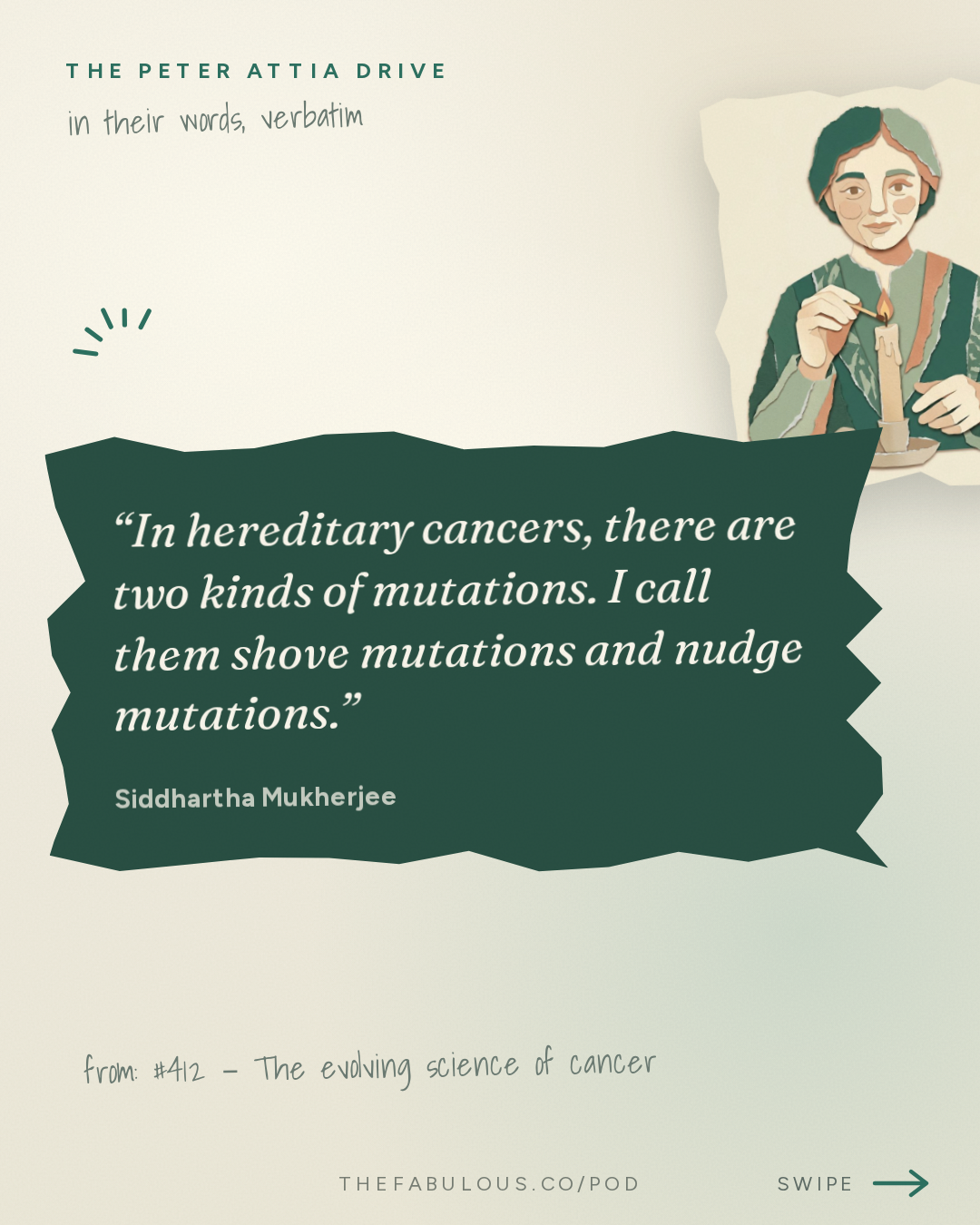
"In hereditary cancers, there are two kinds of mutations. I call them shove mutations and nudge mutations." — Siddhartha Mukherjee [19:20]
A shove mutation, like the breast cancer genes BRCA1 or BRCA2, pushes a person off the cliff on its own. A nudge mutation is one of perhaps hundreds of small genetic variants that each add a little risk, working alongside environment and chance until, together, they tip someone over. The old hereditary/environmental/random split was never three separate buckets, Mukherjee says. It was always a continuum, and better sequencing keeps moving people out of the "random" column and into categories we can actually screen for (29:04).
The Trigger, Not Just the Gun
The deepest idea in the conversation dates back to the 1950s, and Mukherjee thinks science forgot to take it seriously. In the 1950s, researchers at Oxford painted a chemical carcinogen on a mouse's back and got a handful of tumors. When they added croton oil, an irritant that provokes inflammation, the same carcinogen produced eighty tumors instead of four (23:46). Decades later, other labs found the same pattern: a genetically primed mouse grows a few cancers on its own, but stapling its skin, which triggers local inflammation, makes tumors explode exactly where the staples sit (24:59).
Mukherjee's reading of this: most of us are walking around with thousands of cells that already carry cancer-causing mutations, sitting quietly as what he calls sleeper cells. Bad luck gave us the mutation. The thing that actually causes cancer, more often than we assumed, is a second event: a specific inflammatory signal that wakes the sleeper cell up (27:02).
"When we say the word inflammation, you know, it's a loose word. It's not like, oh, you know, I had a fever, I had a cold, I had a virus... There's something very particular about the inflammation." — Siddhartha Mukherjee [27:31]
The same logic extends to metabolism. Mukherjee and Weill Cornell biochemist Lou Cantley published research suggesting that chronic insulin tone, not obesity itself, can keep cancer cells alive and resistant to therapy (36:16). And it extends to joints: Mukherjee's lab discovered that osteoarthritis is not simply wear and tear but a failure of cartilage stem cells to keep pace with cartilage breakdown, a balance that an inflammatory signal can tip even in young, non-obese animals (43:17).
That same framework shows up again in the immune system. A study that fed thousands of CT scans to an AI model found one striking correlation: people whose thymus, the organ where T cells mature, had not shrunk with age tended to have less autoimmune disease and less cancer (58:40). It is correlation, not proof, but it points toward a concrete idea.
"What better T cell booster to make than re-implant the kindergarten where T cells grow up and learn to become T cells?" — Siddhartha Mukherjee [60:35]
Mukherjee is equally candid about the limits of current tools. CAR T-cell therapy, which re-engineers a patient's own T cells to attack cancer, has produced genuine twenty-year remissions in B-cell leukemias and lymphomas (11:59). But he is blunt that the therapy does not really target cancer. It targets an entire cell lineage, killing every B cell, cancerous or not, which works only because people can survive without B cells (67:51). That is also why ovarian cancer, which Mukherjee notes often actually originates in fallopian tube cells, has better CAR T prospects than pancreatic cancer, even though the pancreas, unlike the brain, is expendable tissue that could in principle be sacrificed wholesale (70:31). For pancreatic tumors, he instead points to simple arithmetic: surgically removing most of a tumor before drug therapy cuts the odds of a drug-resistant cell surviving by roughly a thousandfold, because reducing a billion cancer cells to a million removes three zeros of risk (79:06).
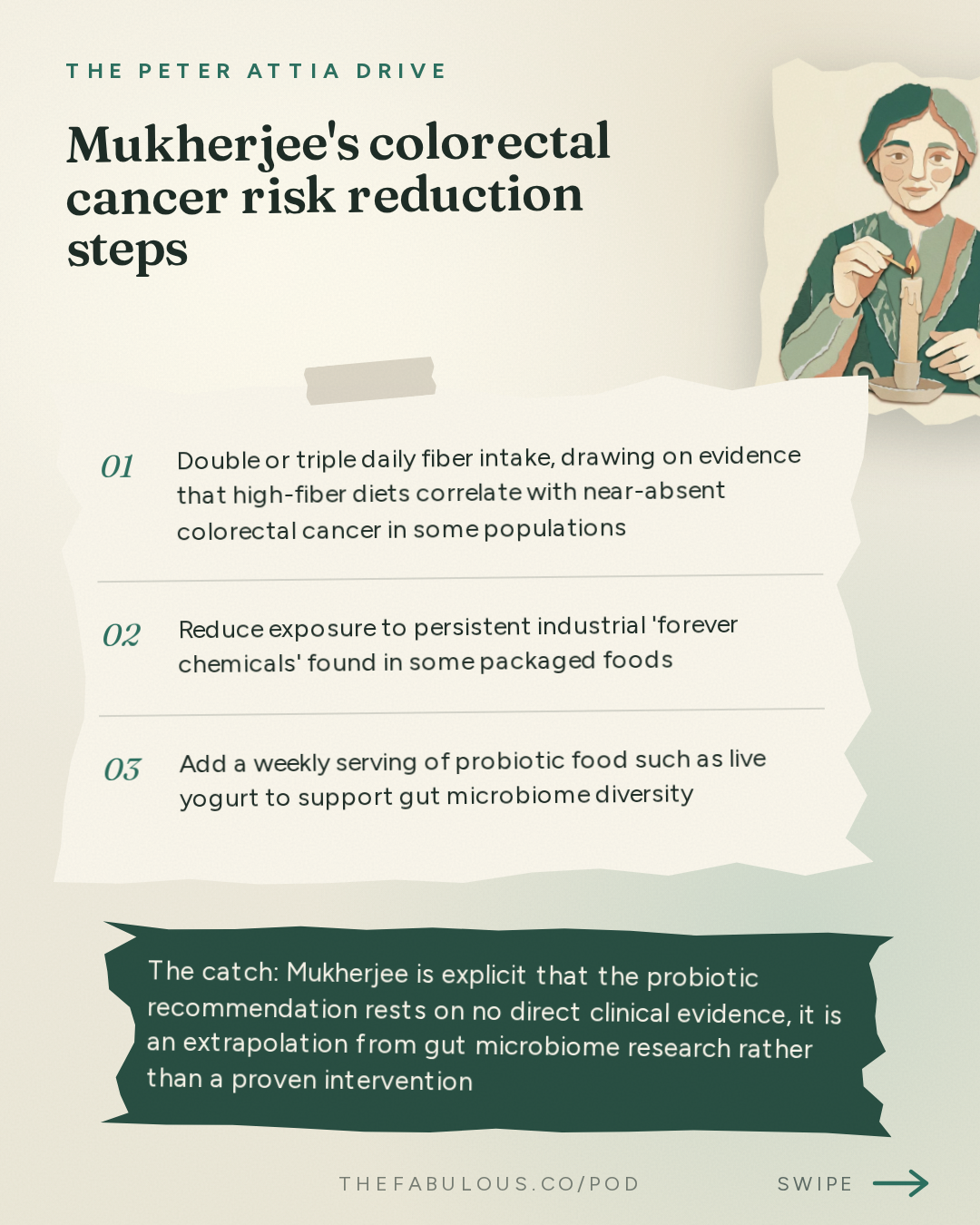
On the rising wave of early colorectal cancer, Mukherjee has no certain answer, but he leans on a 1950s observation by Oxford-trained physician Dennis Burkitt, who found almost no colorectal cancer in African populations eating fiber-rich diets and moving their bowels roughly twice a day, compared with once every two or three days in the West (81:14). His practical suggestion, offered as his own view rather than settled science, is to double or triple fiber intake, cut exposure to persistent "forever chemicals," and add a weekly serving of probiotic-rich food such as live yogurt (82:00).
Beyond Picking Off Diseases
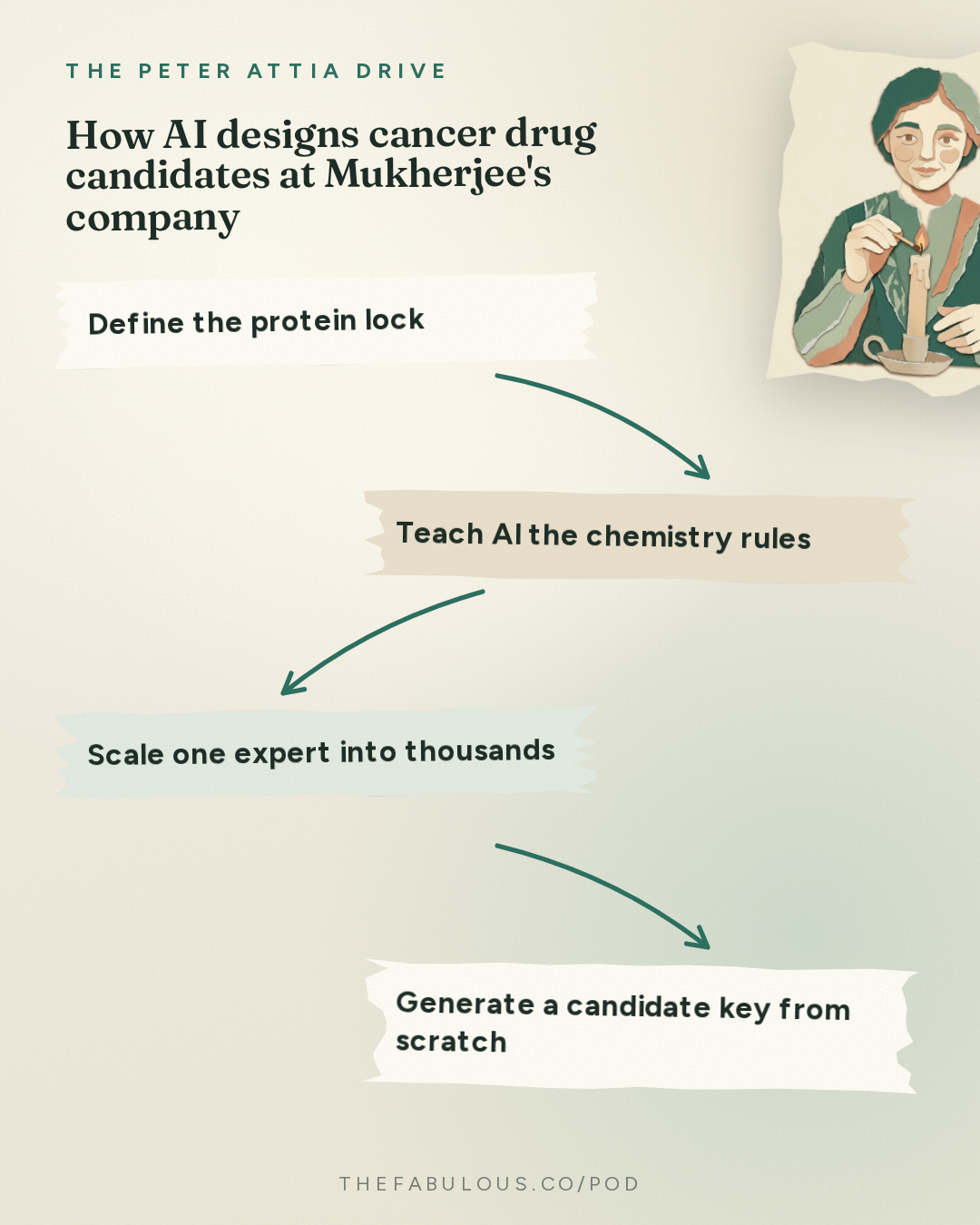
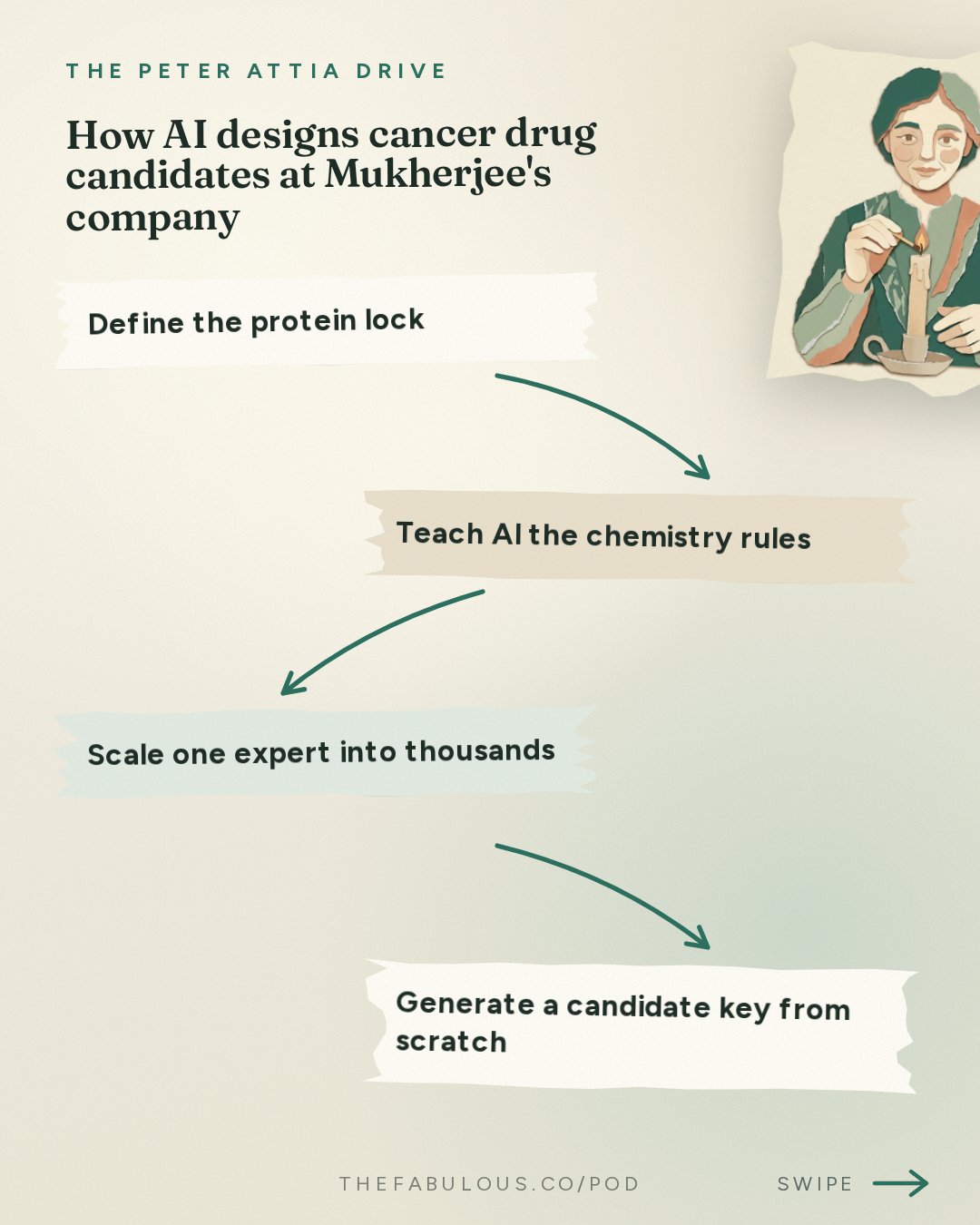
Mukherjee is most animated about artificial intelligence as a tool for generative chemistry, designing drug molecules from scratch rather than searching existing libraries. He describes a chemical search space of roughly 10 to the 20th power possible molecules, far beyond brute-force computation, and says his company's approach instead teaches AI the physical rules a chemist uses, then scales one expert chemist's judgment fiftyfold-thousand over (87:17, 90:06).
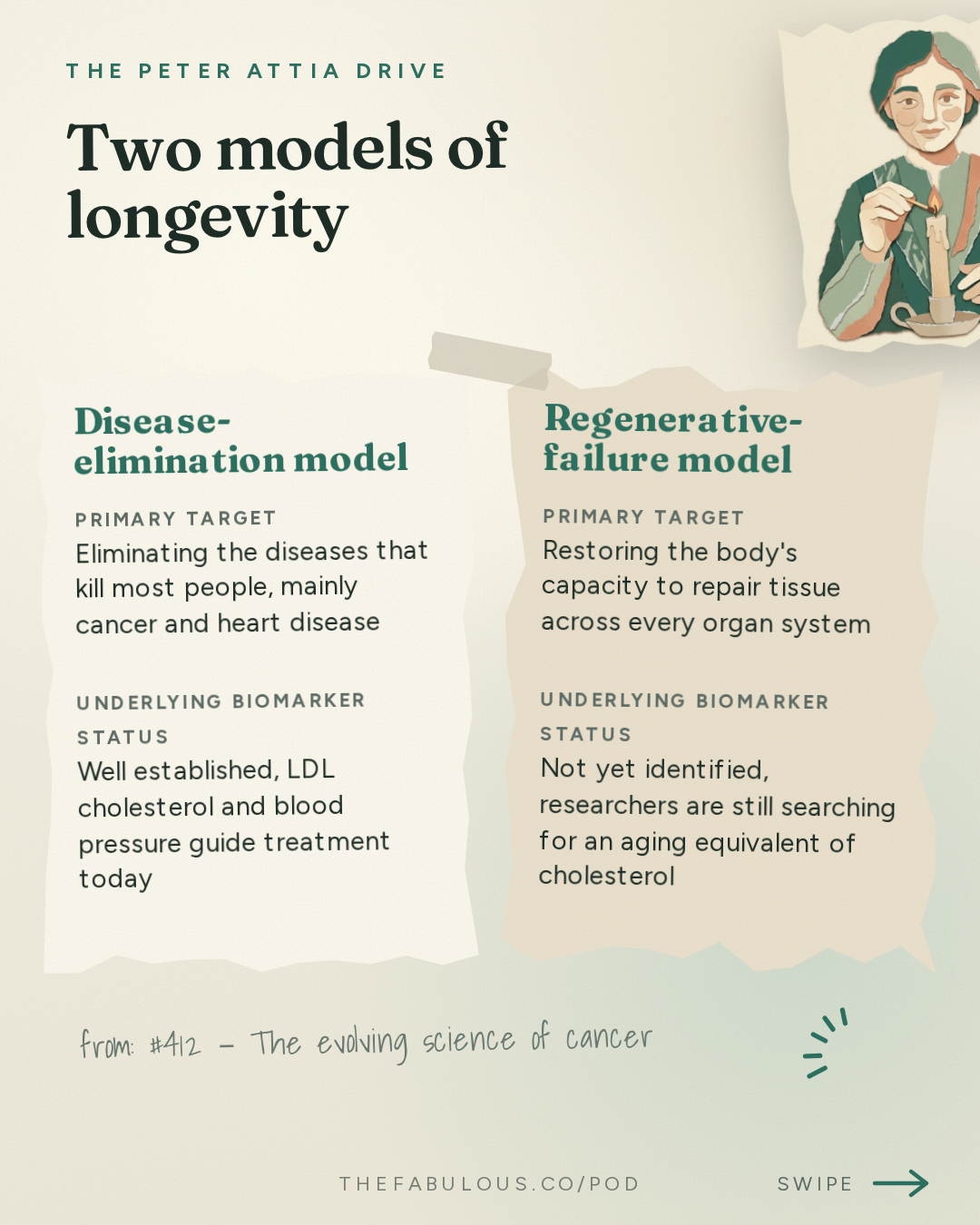
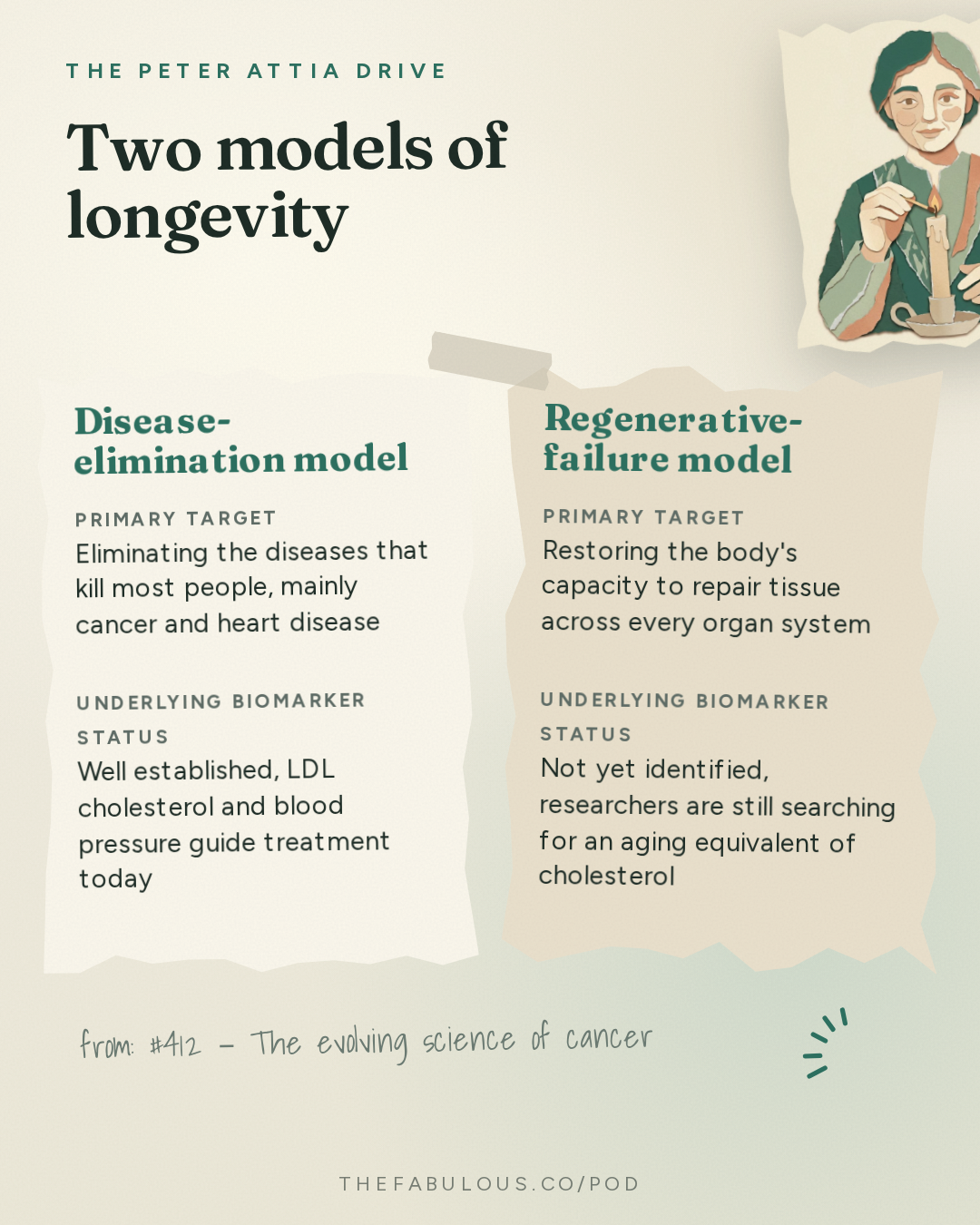
The conversation's biggest turn comes when Attia and Mukherjee debate what longevity actually means. The dominant model, Mukherjee says, treats longevity as eliminating the diseases that kill most people, chiefly cancer and heart disease. He proposes an alternative.
"I'm actually interested in a physiological state that promotes the elimination or the decrease of not just those diseases, but all diseases, including diseases of degeneration, osteoarthritis, immune failure, bone marrow failure." — Siddhartha Mukherjee [98:27]
His evidence: supercentenarians, people who live past 110, rarely die of cancer at all. Instead they die of skin that stops regenerating, bones that break and do not heal, and immune systems that fail, a pattern Mukherjee calls regenerative failure (102:29). Fixing cardiovascular disease and cancer, in other words, does not buy indefinite life. It buys a different set of killers.
Finding that underlying biology, Mukherjee argues, is not a drug discovery problem yet. It is closer to the decades-long search for cholesterol and blood pressure as cardiovascular biomarkers before any statin or blood pressure drug could be tested. Peter Attia compares it to biologist David Sabatini's call for a "Manhattan Project" of basic geroscience, and Mukherjee warns that philanthropy, not the NIH, may have to fund it, because a for-profit structure pressures companies to chase drugs before the underlying biology is even understood (113:11).
"This is not a drug discovery. This is a cholesterol discovery project." — Siddhartha Mukherjee [114:17]
What makes the conversation worth returning to is not any single finding but the pattern underneath all of them: that cancer, arthritis, immune decline, and aging itself keep turning out to be stories about regeneration failing to keep pace with damage, with inflammation as a recurring trigger. Mukherjee's fifteen-year retrospective is less a victory lap than an argument that the next fifteen years will be spent chasing a biomarker nobody has found yet, the aging equivalent of cholesterol, before the real drug discovery can even begin.
Ask this episode anything
Pod's AI answers from the episode itself, with the minute mark so you can hear it yourself.
Or start with one of these
Ask this episode
Pod's AI listens to the whole episode to answer, and points you to the minute it comes from.
The rest of this answer, and any question after it
Answers come from the episode itself, never from a summary of it.
ContinueKey takeaways
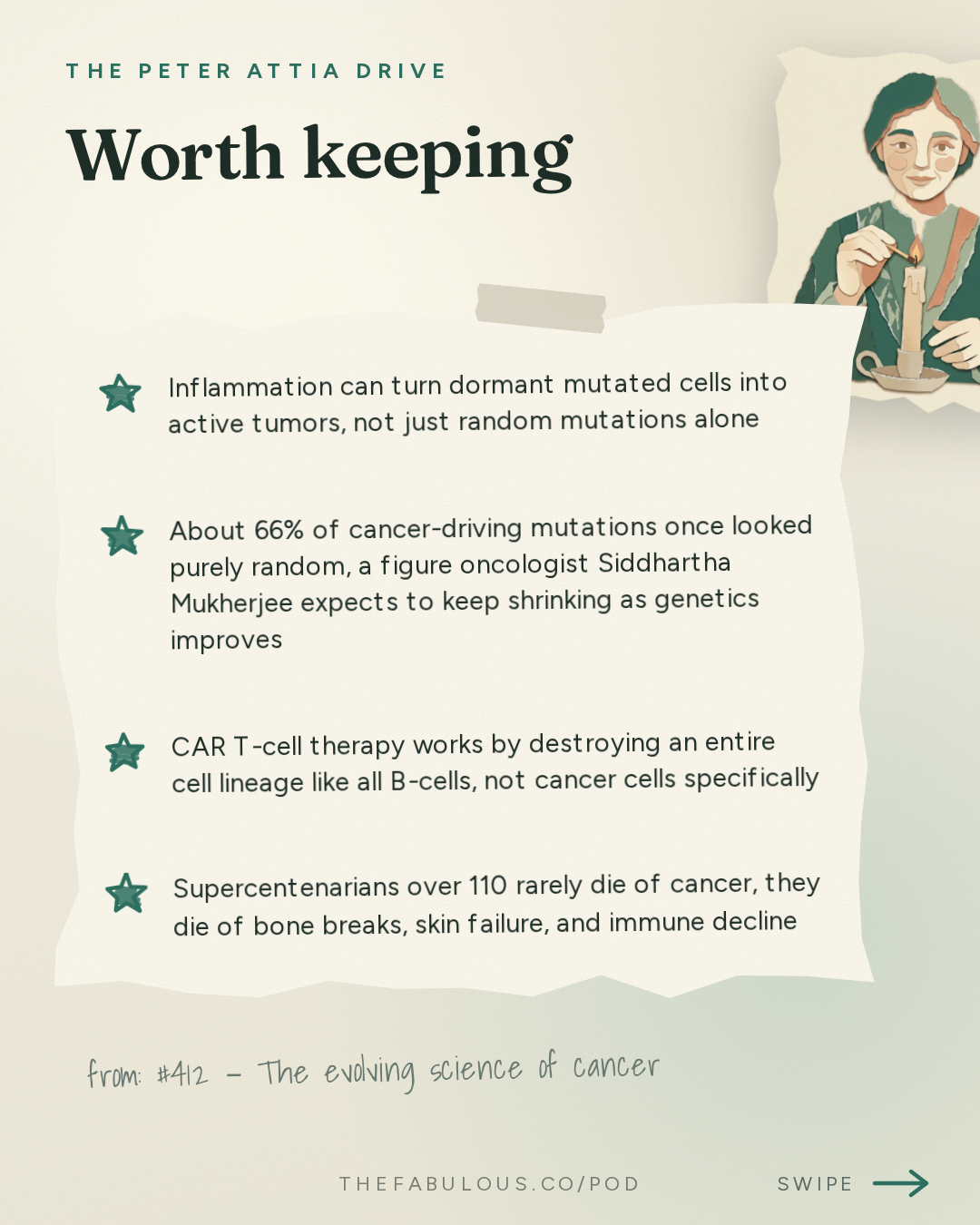
- Inflammation can turn dormant mutated cells into active tumors, not just random mutations alone
- About 66% of cancer-driving mutations once looked purely random, a figure oncologist Siddhartha Mukherjee expects to keep shrinking as genetics improves
- CAR T-cell therapy works by destroying an entire cell lineage like all B-cells, not cancer cells specifically
- Supercentenarians over 110 rarely die of cancer, they die of bone breaks, skin failure, and immune decline
- Mukherjee argues longevity science needs its own 'cholesterol discovery' moment before real anti-aging drugs are possible
The episode in cards

By the numbers
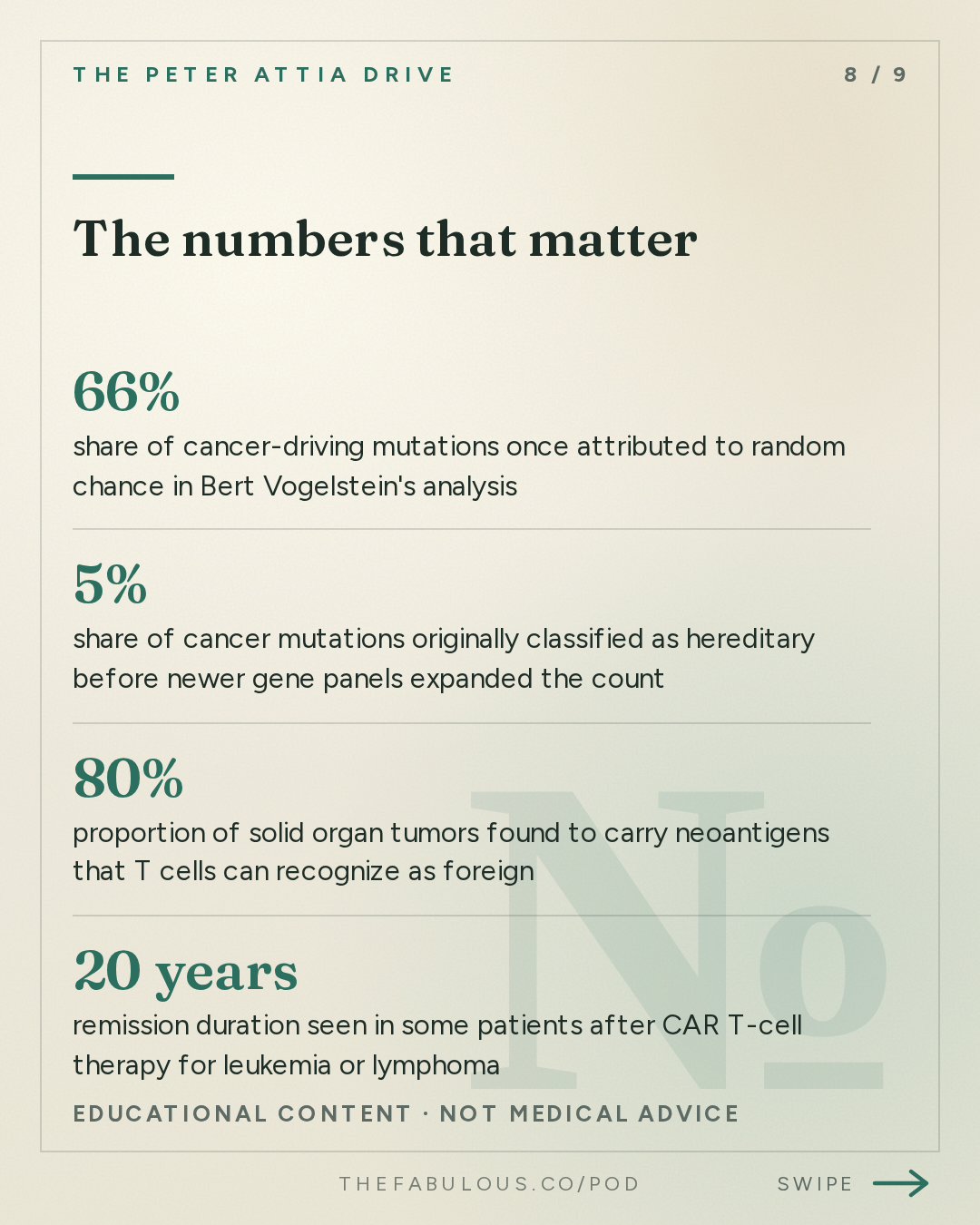
- 66% percent share of cancer-driving mutations once attributed to random chance in Bert Vogelstein's analysis
- 5% percent share of cancer mutations originally classified as hereditary before newer gene panels expanded the count
- 80% percent proportion of solid organ tumors found to carry neoantigens that T cells can recognize as foreign
- 20 years remission duration seen in some patients after CAR T-cell therapy for leukemia or lymphoma
In their words
“In hereditary cancers, there are two kinds of mutations. I call them shove mutations and nudge mutations.”
“When we say the word inflammation, you know, it's a loose word. It's not like, oh, you know, I had a fever, I had a cold, I had a virus, I... There's something very particular about the inflammation”
“What better T cell booster to make than re-implant the kindergarten where T cells grow up and learn to become T cells?”
“I'm actually interested in a physiological state that promotes the elimination or the decrease of not just those diseases, but all diseases, including diseases of degeneration, osteoarthritis, immune failure, bone marrow failure.”
“This is not a drug discovery. That's right. This is a cholesterol discovery”
Protocols
-
Mukherjee's fiber-first approach to colorectal cancer risk
Mukherjee recommends that people double or triple their current fiber intake, reduce exposure to persistent industrial "forever chemicals" found in food, and add a weekly serving of a probiotic food such as live yogurt. He is explicit that the probiotic suggestion is based on no direct evidence and is his own extrapolation from gut microbiome research.
daily for fiber changes, at least weekly for probiotic food
Questions this episode answers
Does inflammation cause cancer?
Research described by oncologist Siddhartha Mukherjee suggests inflammation does not create the original mutation but can act as a trigger that wakes a dormant, already-mutated 'sleeper cell' into an active tumor. Mouse studies from the 1950s found that pairing a carcinogen with an inflammatory agent like croton oil produced twenty times more tumors than the carcinogen alone (23:46).
What is the difference between shove and nudge mutations?
Mukherjee describes shove mutations, like BRCA1 or BRCA2, as single genetic changes that push a person's cancer risk dramatically higher on their own. Nudge mutations are each individually small, and it can take hundreds of them working with environment and chance to tip someone toward cancer (19:20).
Why is colorectal cancer rising in young people?
Mukherjee says there is no confirmed cause, but points to changes in diet, rising exposure to persistent 'forever chemicals,' and gut microbiome disruption from antibiotics as plausible contributors. He cites physician Dennis Burkitt's 1950s-60s observation that high-fiber African diets correlated with near-absent colorectal cancer, and recommends doubling or tripling fiber intake as a precaution (79:35, 82:00).
Why can't CAR T-cell therapy cure solid tumors like pancreatic cancer the way it cures leukemia?
Mukherjee explains that CAR T-cells engineered against B-cell leukemia do not target cancer specifically, they kill an entire cell lineage, every B-cell, cancerous or healthy, which works because people can survive without B-cells. Pancreatic and brain tumors lack an expendable tissue type to sacrifice this way, which limits the approach (67:51).
What do supercentenarians die of if not cancer or heart disease?
Mukherjee notes that people who live past 110 typically do not die of cancer, they die of bone breakage, skin that stops regenerating, and immune system failure, a pattern he calls regenerative failure rather than disease (102:29).
The full read, in cards
Go deeper
- Vogelstein et al., Science (2015, 2017) — estimated the hereditary, environmental, and random contributions to cancer-driving mutations across tissue types
- Mukherjee and Cantley, Nature — showed chronic insulin signaling, not obesity per se, can sustain cancer cell growth and drug resistance in animal models
- Mitch Lazar's cardiometabolic cohort study — found disease risk tracked with hyperinsulinemia rather than adiposity alone in a lean/obese by metabolically healthy/unhealthy grid
- Harvard CT scan AI thymus study — used AI review of thousands of CT scans to find that an intact thymus correlated with lower rates of autoimmune disease and cancer
- Dennis Burkitt's African dietary observations — found near-absence of colorectal cancer in high-fiber, high-stool-frequency populations in 1950s-60s Africa
Mentioned
Siddhartha Mukherjee · Bert Vogelstein · The Emperor of All Maladies · Charlie Swanton · Tyler Jacks · Steve Rosenberg · Lou Cantley · David Sabatini · AlphaFold · Manus · Fireth Therapeutics · Dennis Burkitt · Mitch Lazar · Elie Metchnikoff
More from this show and category
Why Peter Attia Changed His Mind on Keto
Peter Attia now says keto works by curbing energy intake, not lowering insulin, while he still requires 1.4 g/kg of protein (09:42, 11:44). He also walks back his extended fasting protocol, once seven to ten days quarterly, after weighing autophagy evidence against the practical cost (12:36, 15:09).
Preeclampsia and Long-Term Heart Risk Explained
Pregnancy stresses the heart, kidneys, and metabolism so hard that its complications predict a woman's cardiovascular and diabetes risk decades later. Maternal-fetal medicine specialist Kathryn Gray explains how plasma volume surges 50%, how preeclampsia's placental biology works, and why half of gestational diabetes cases become type 2 diabetes.
Lloyd Klickstein on How New Drugs Get Made
Physician-scientist Lloyd Klickstein maps the full arc of drug development, from spotting an unmet need to FDA approval, using the muscle drug bimagrumab as his case study. Paired with semaglutide, it cut body fat by 45.7% over 72 weeks (125:28), rivaling bariatric surgery, while exposing the economics of patents, manufacturing, and phase one risk.
Peter Attia on Thyroid Health: Diagnosis and Risks
Peter Attia says thyroid problems are hard to diagnose because T4, the hormone the gland secretes, is inactive until tissues convert it locally into T3. TSH only shows how hard the gland is being told to work, not what's happening inside organs, so both under-treating real disease and over-treating borderline labs, common in functional medicine, cause real harm.
