Goal MapWellness & Routines · ~5 min
Fabulous · Practices
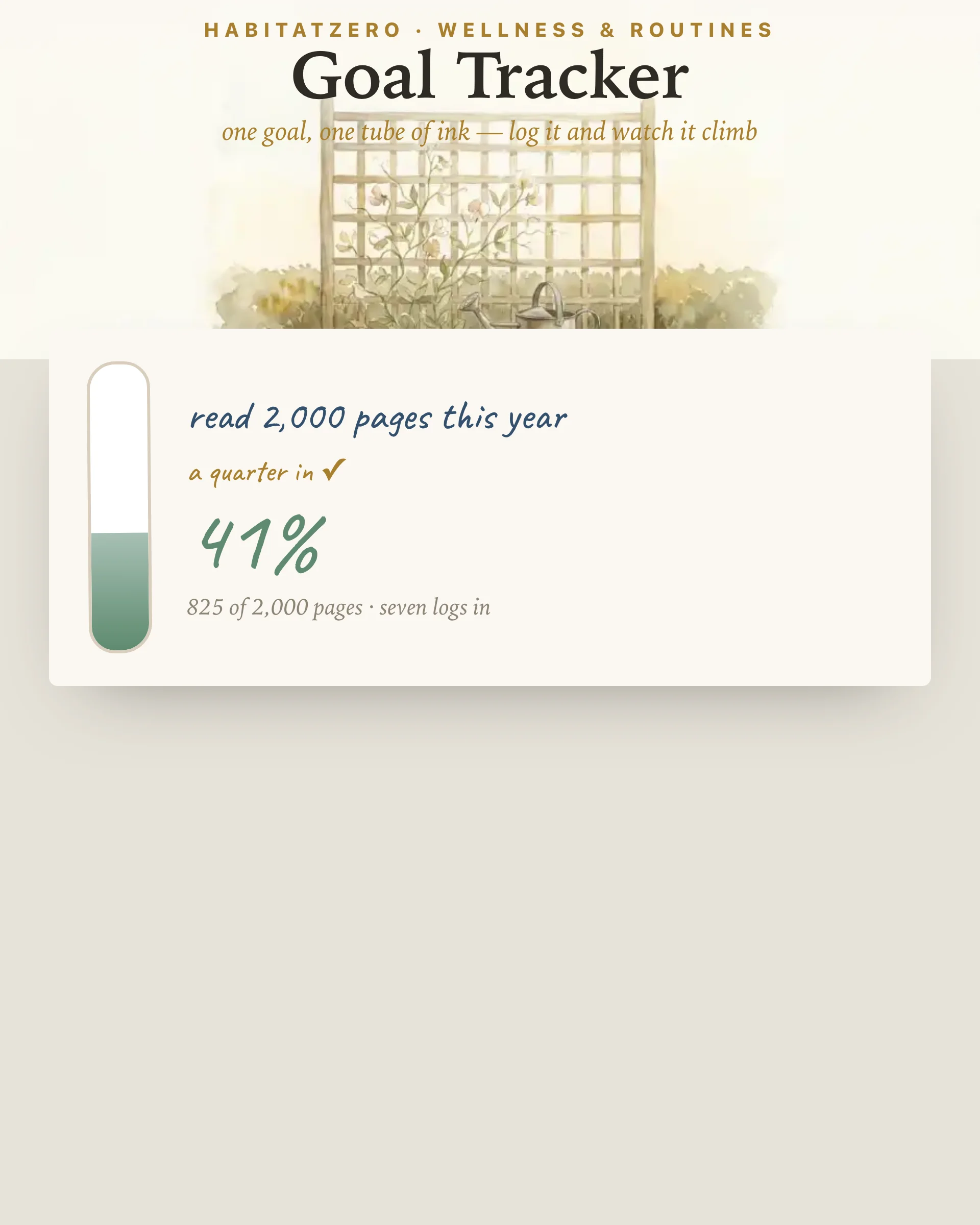
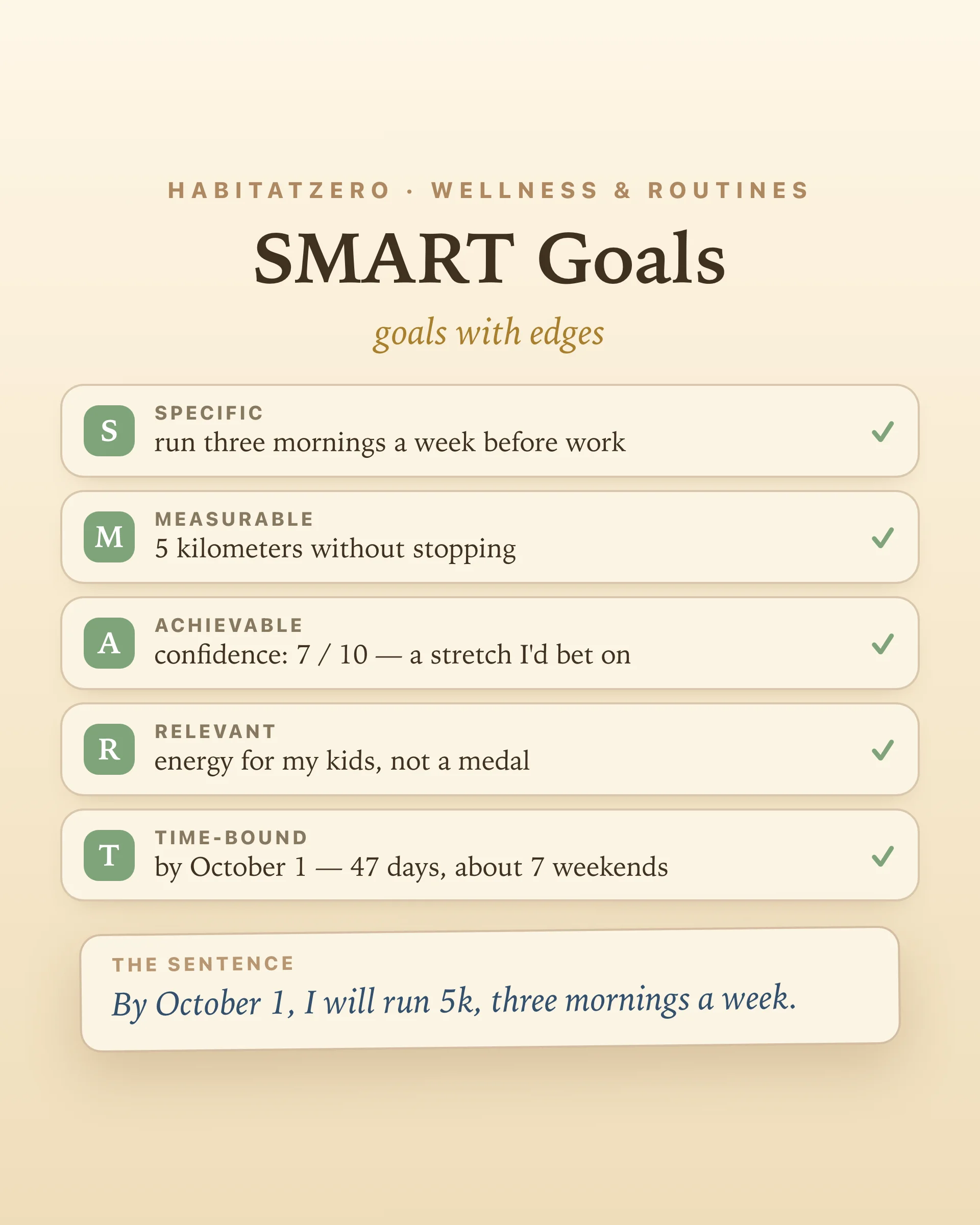
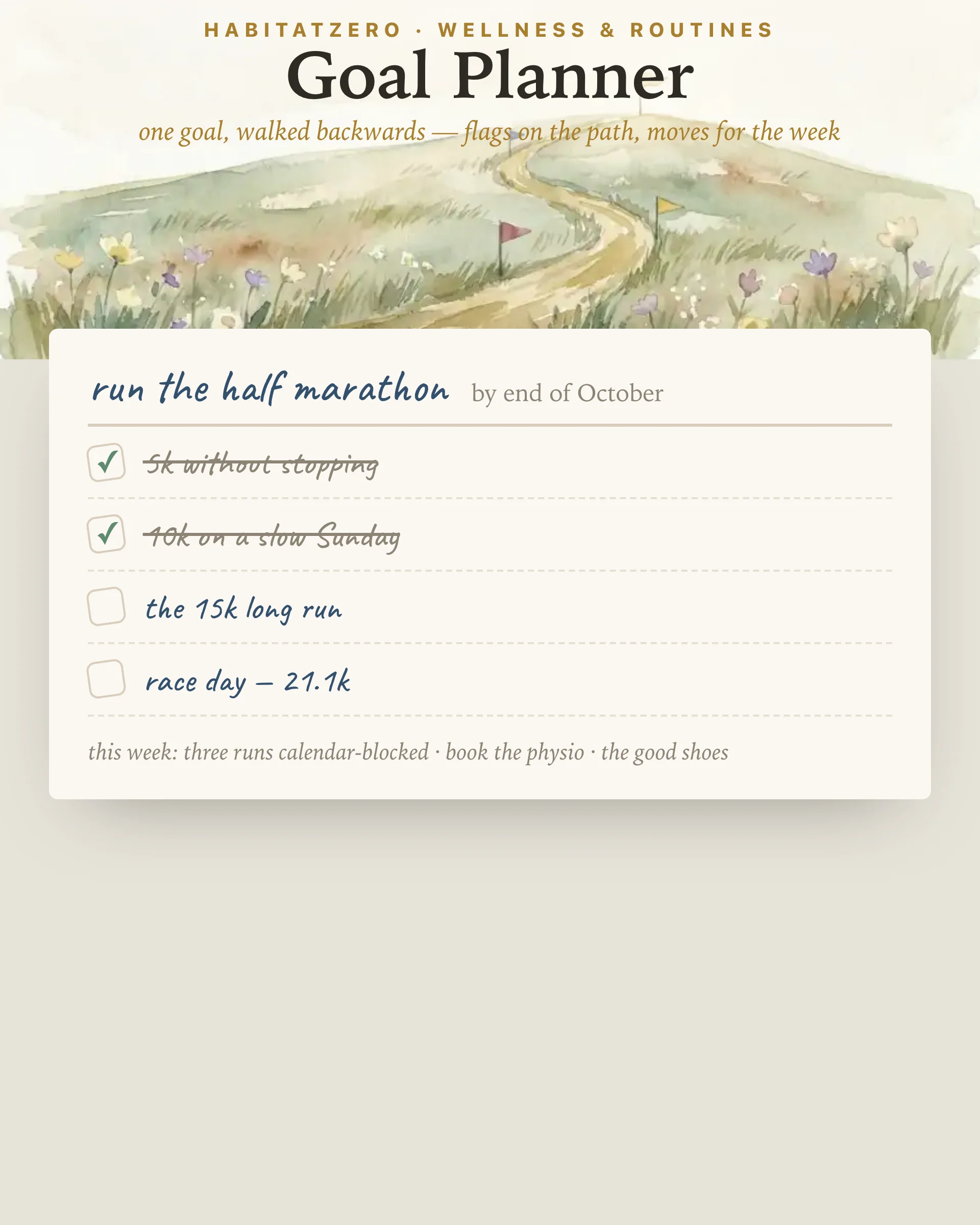
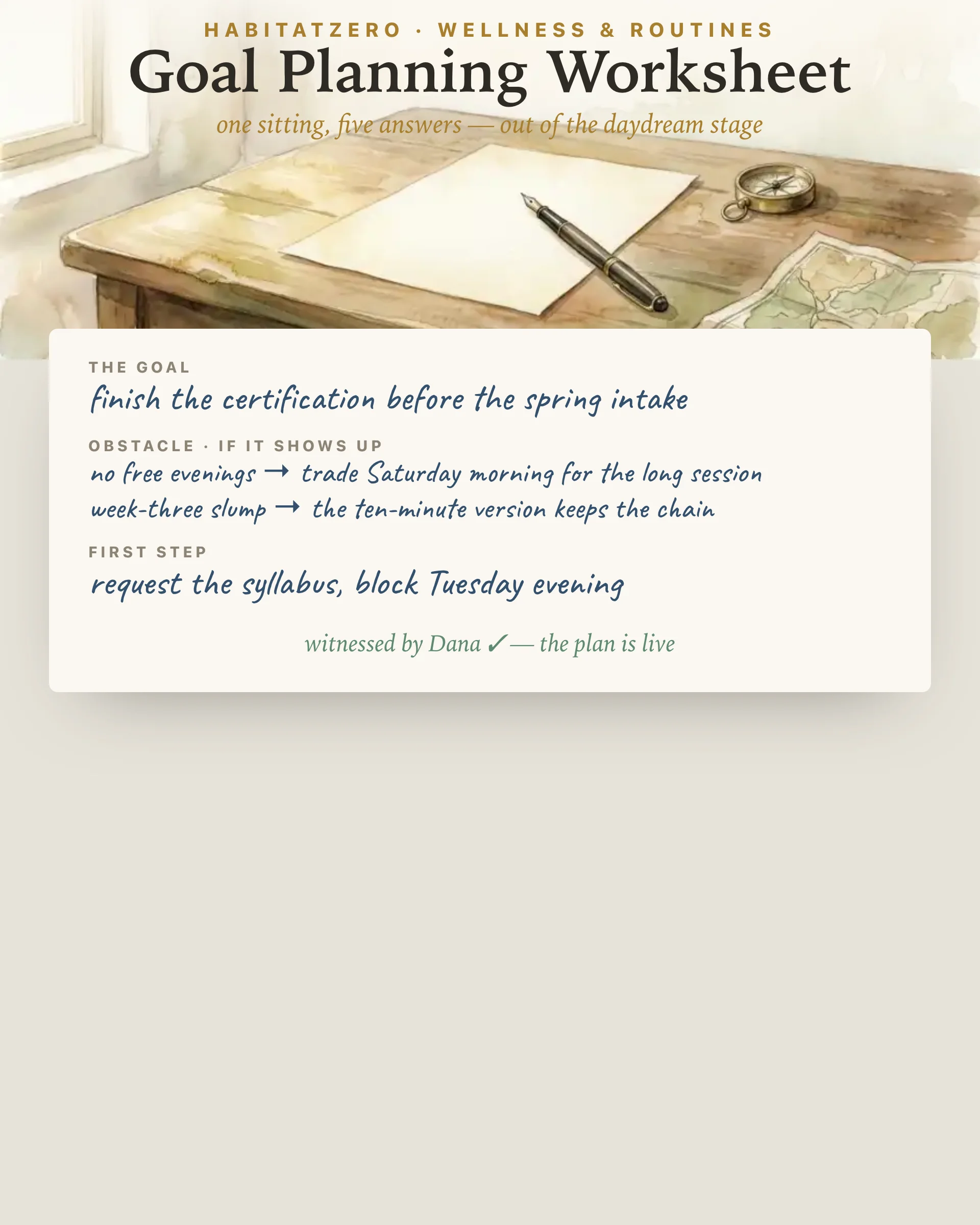
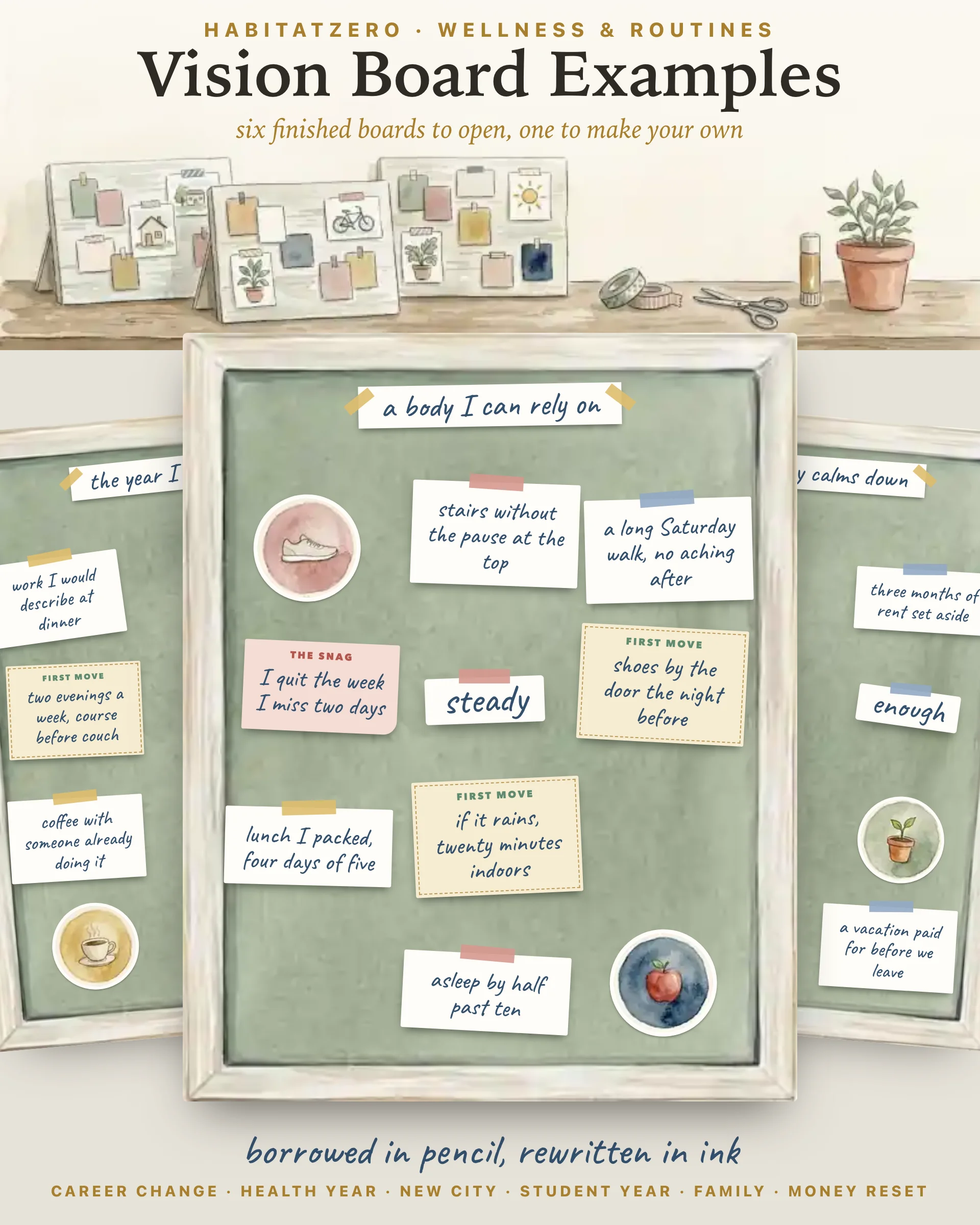
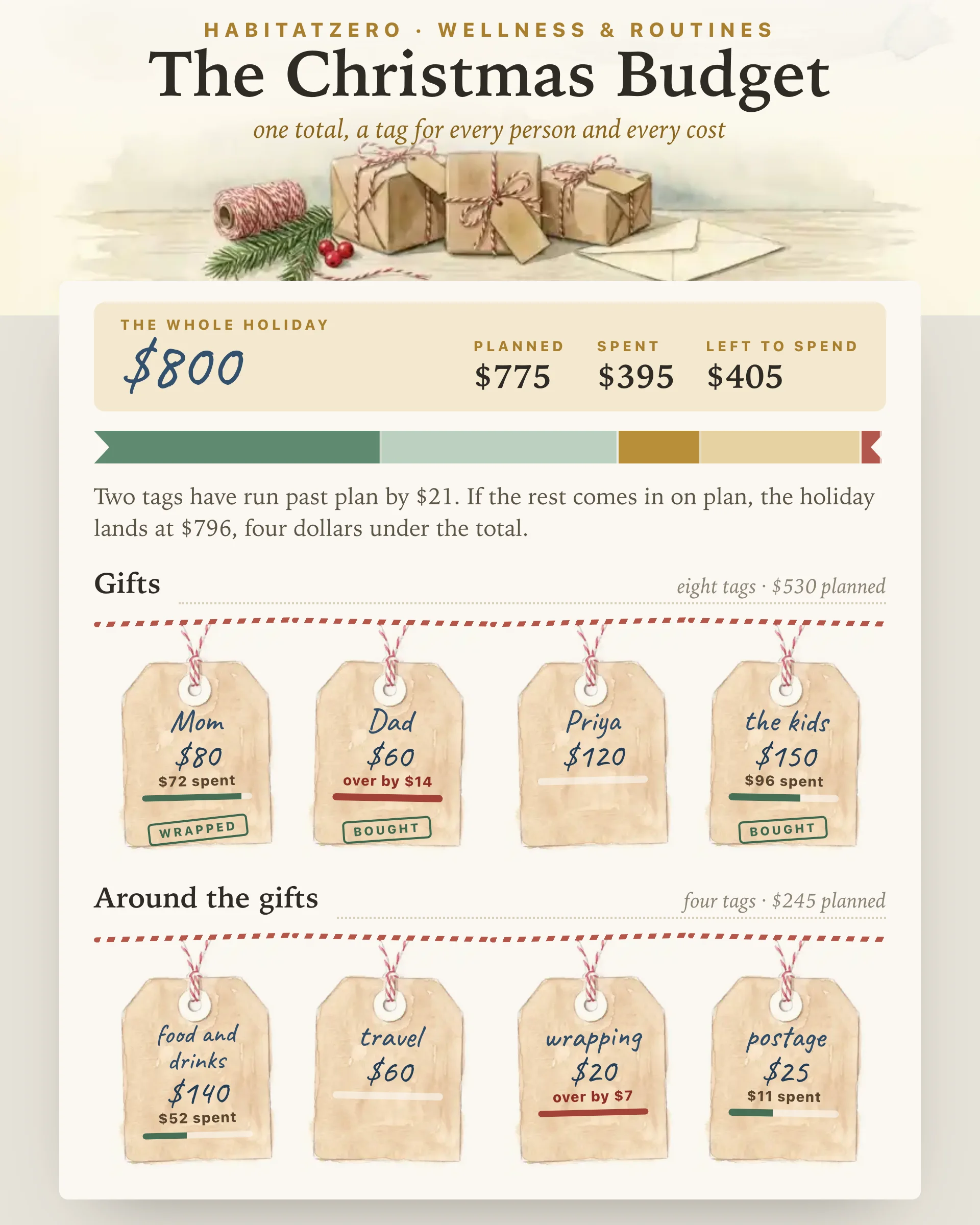
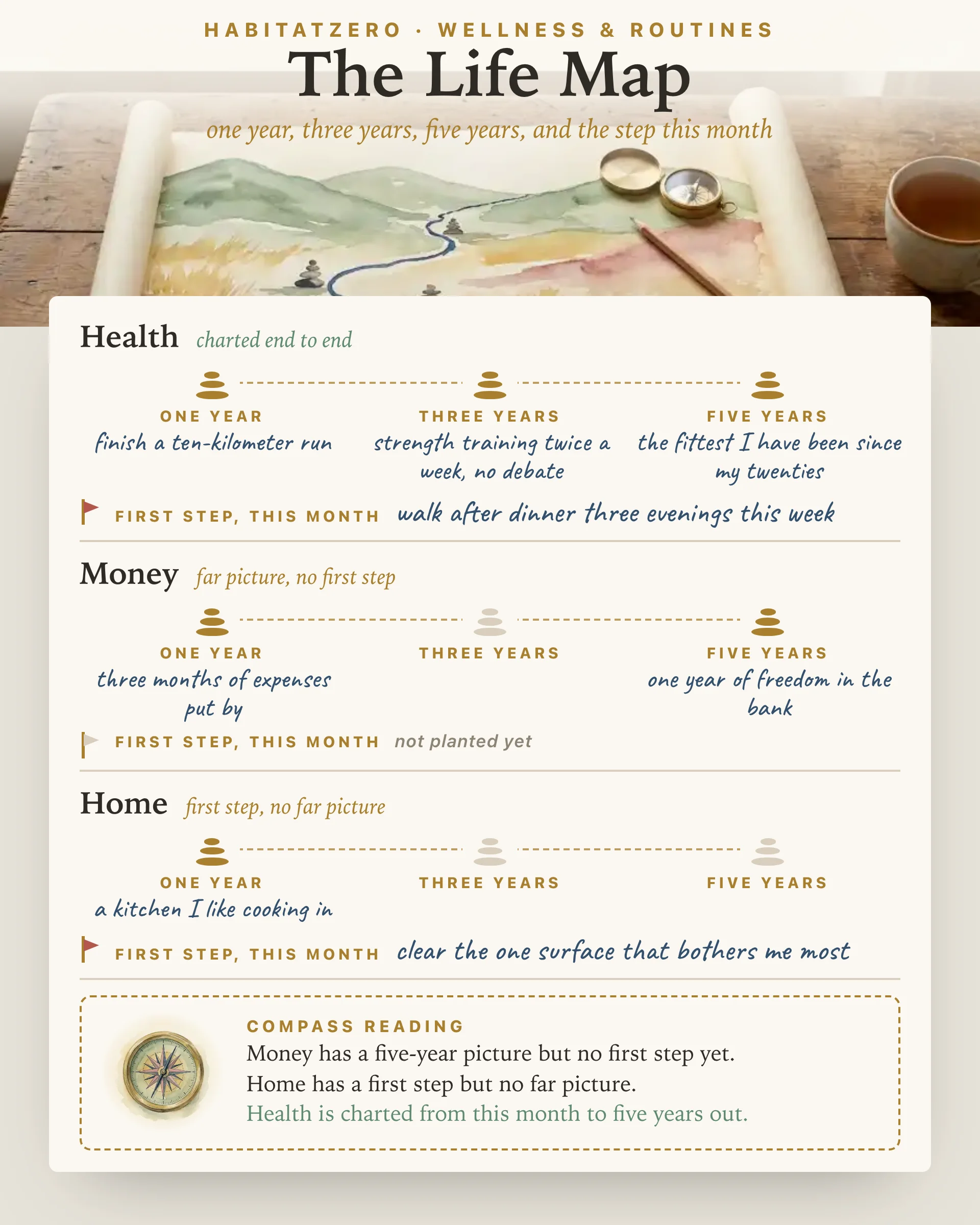
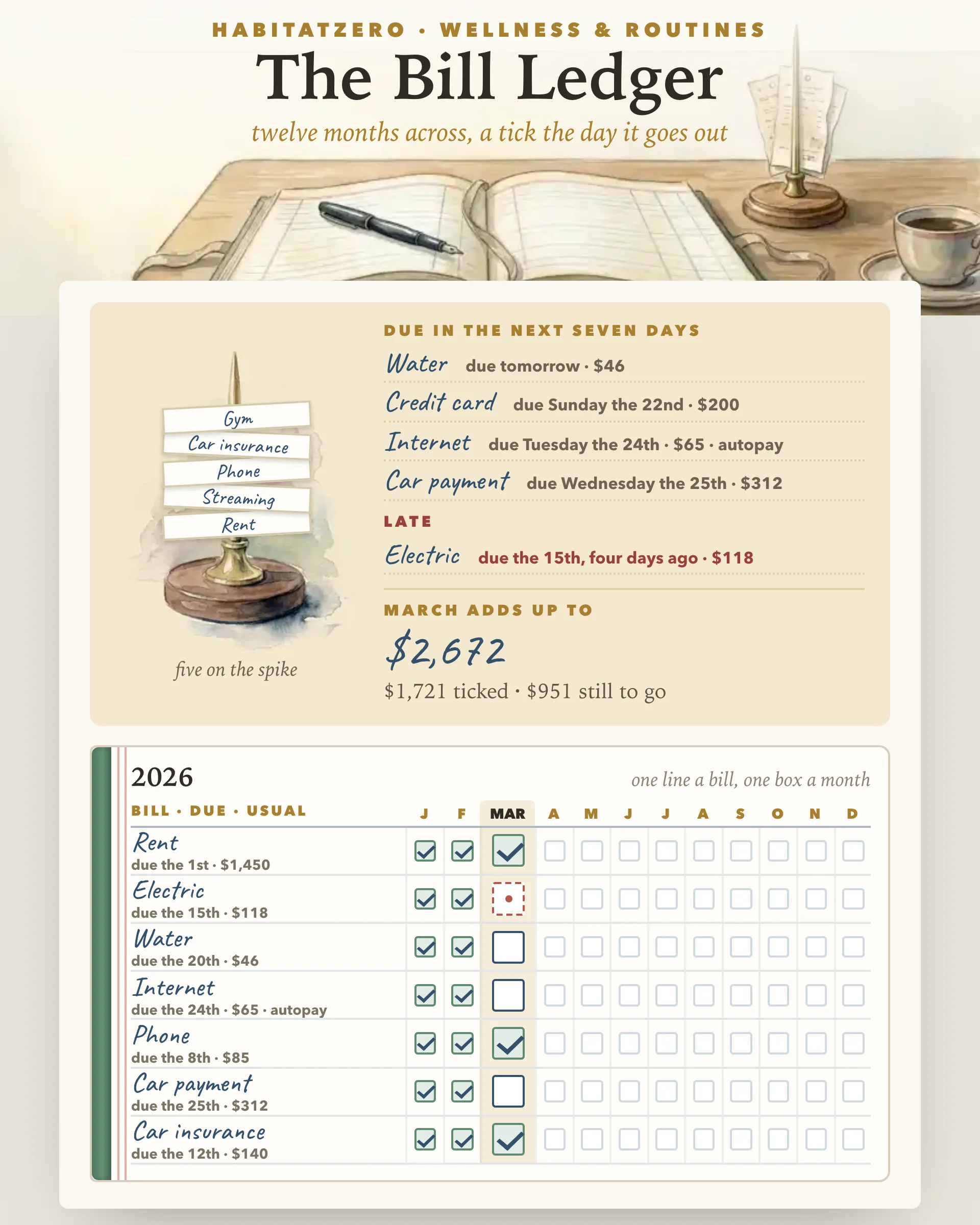
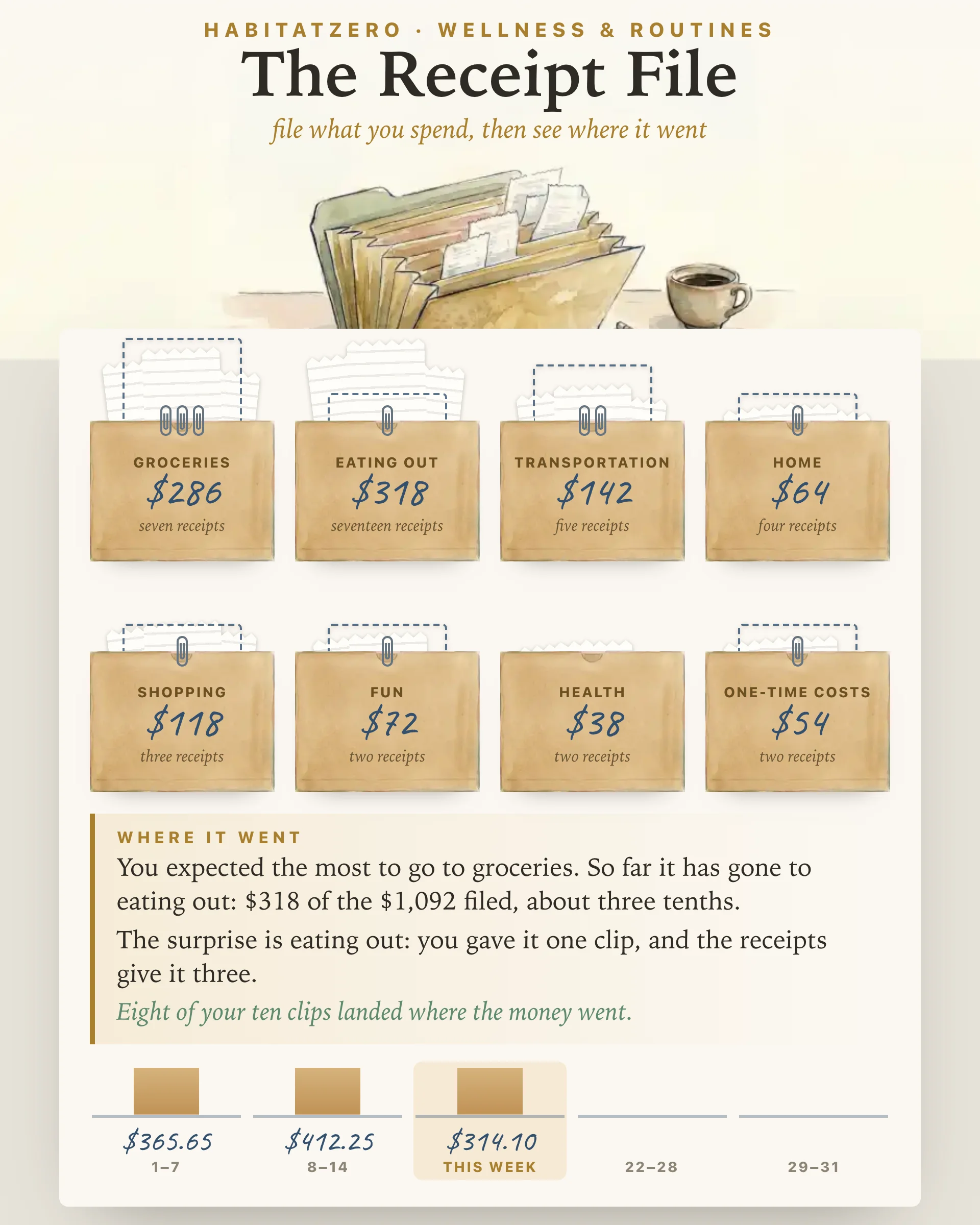
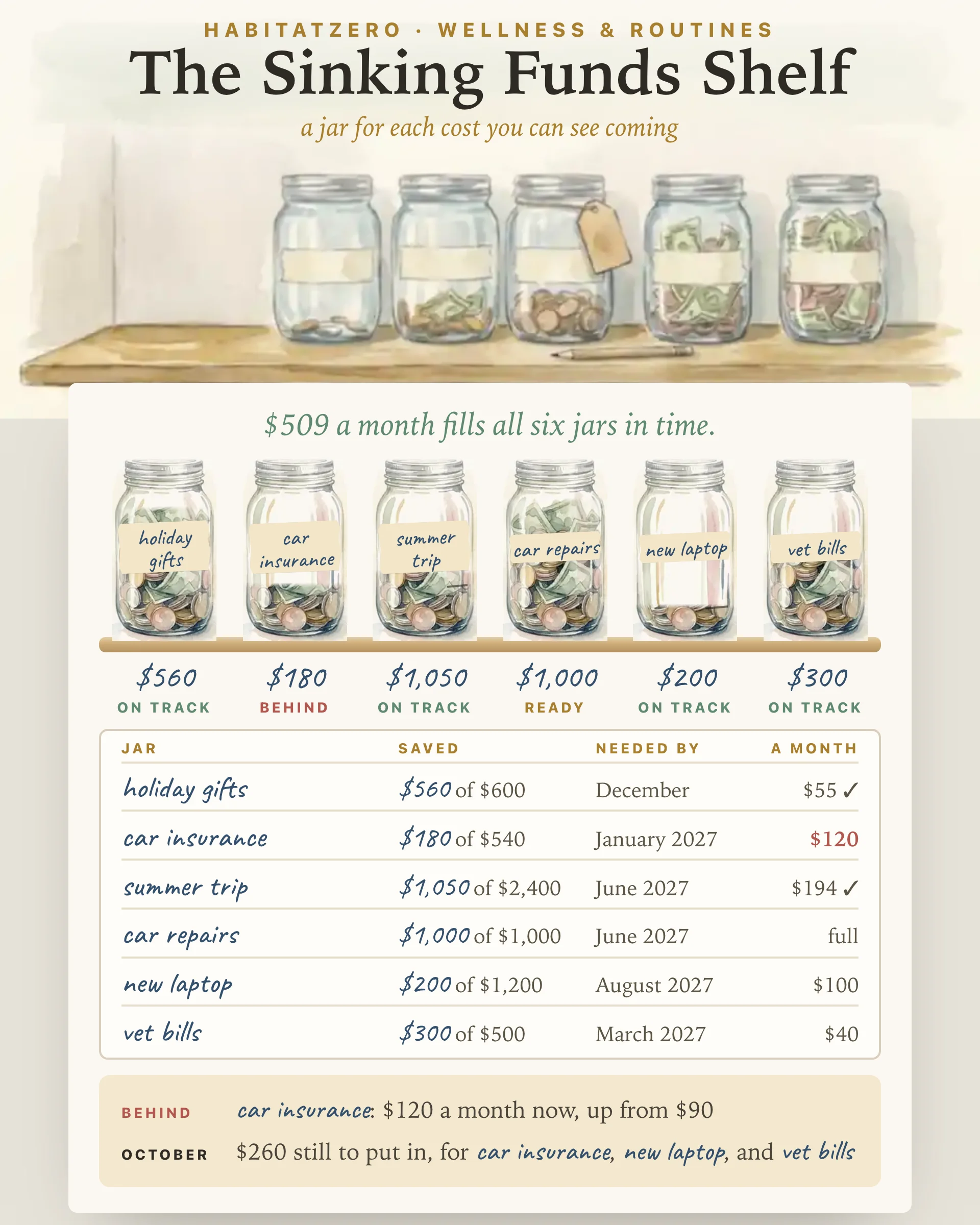
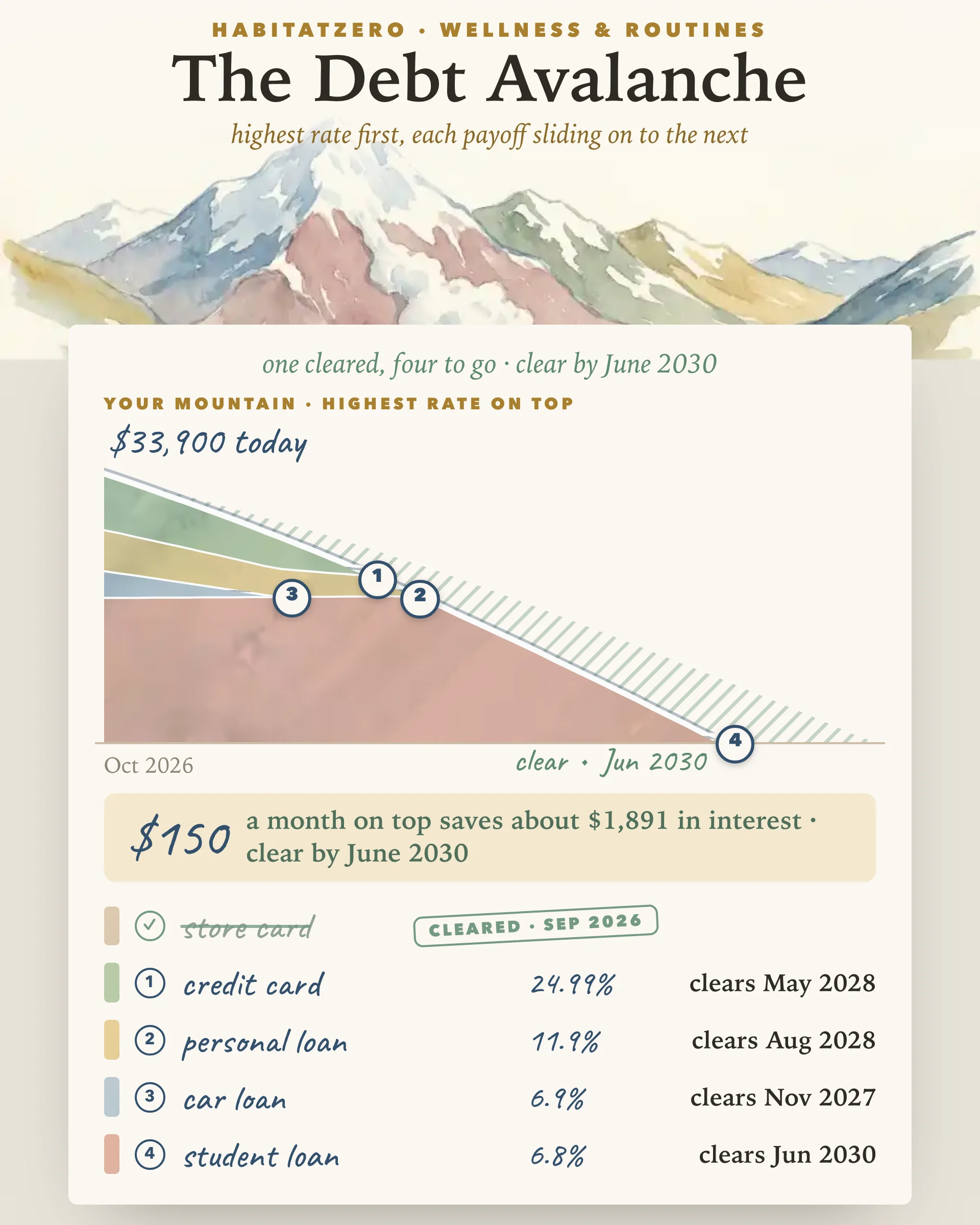
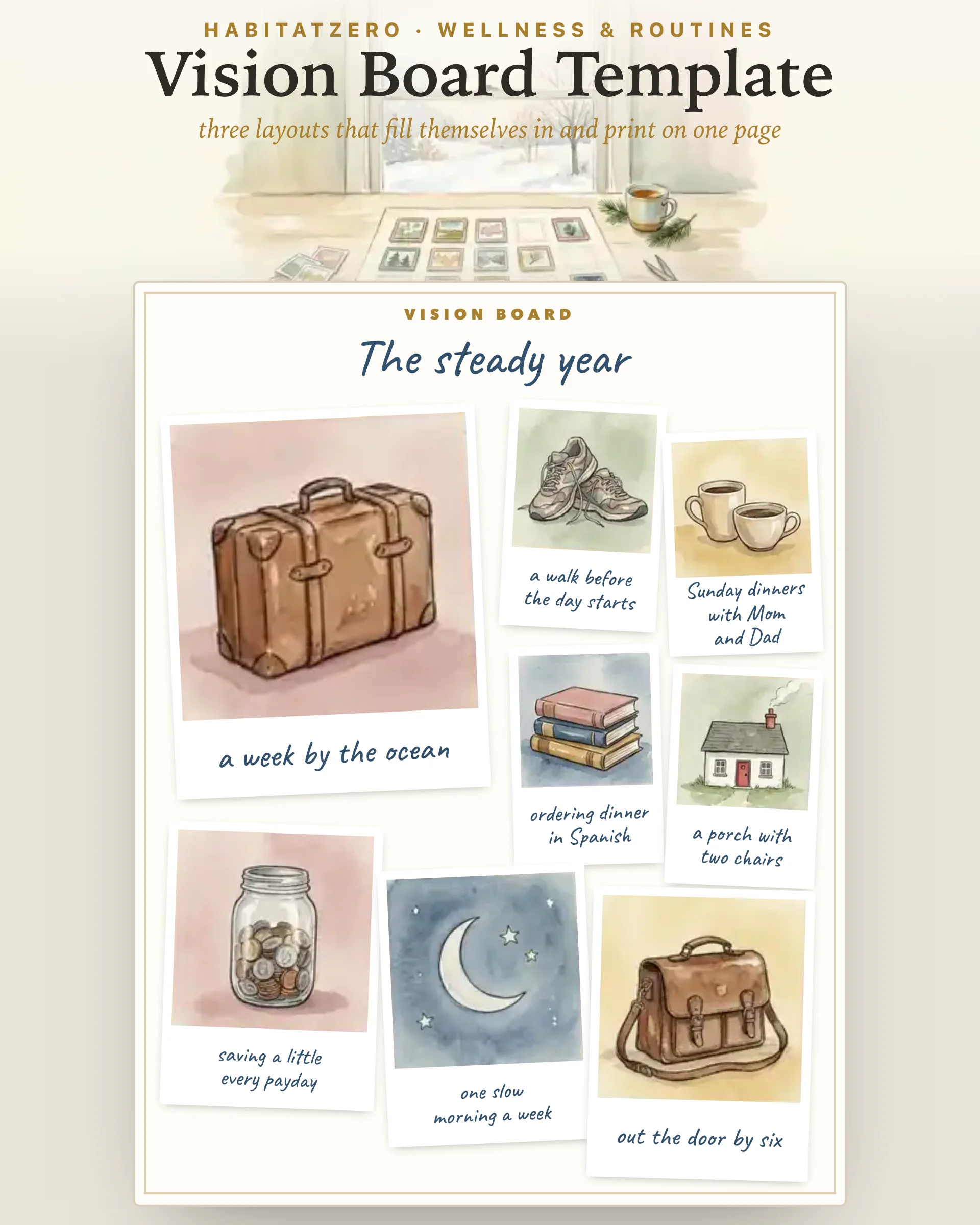
Free interactive goal setting templates: a big-goal scoreboard, a thermometer tracker, SMART worksheets, and yearly planners. Try them in the browser.
Why these templates
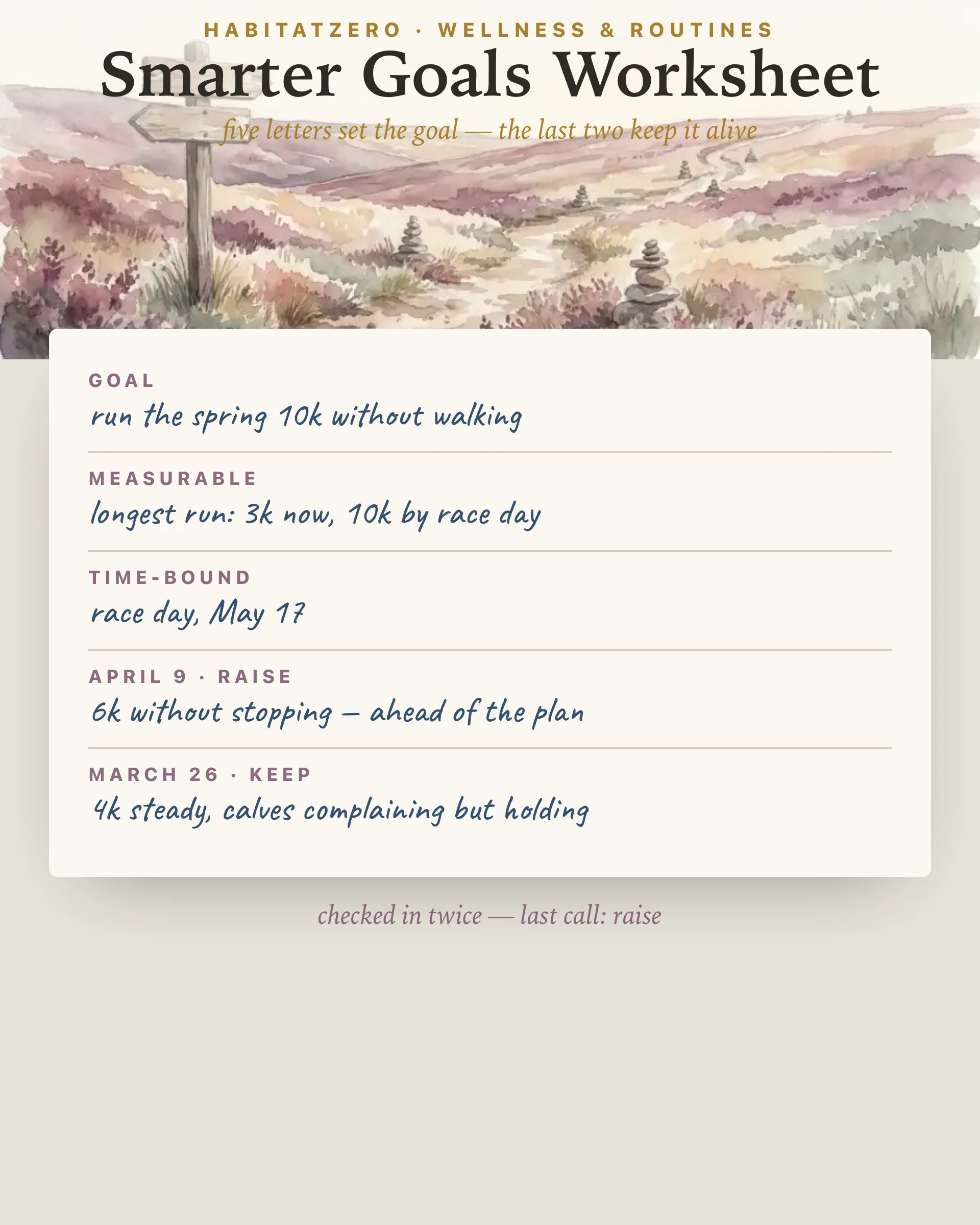
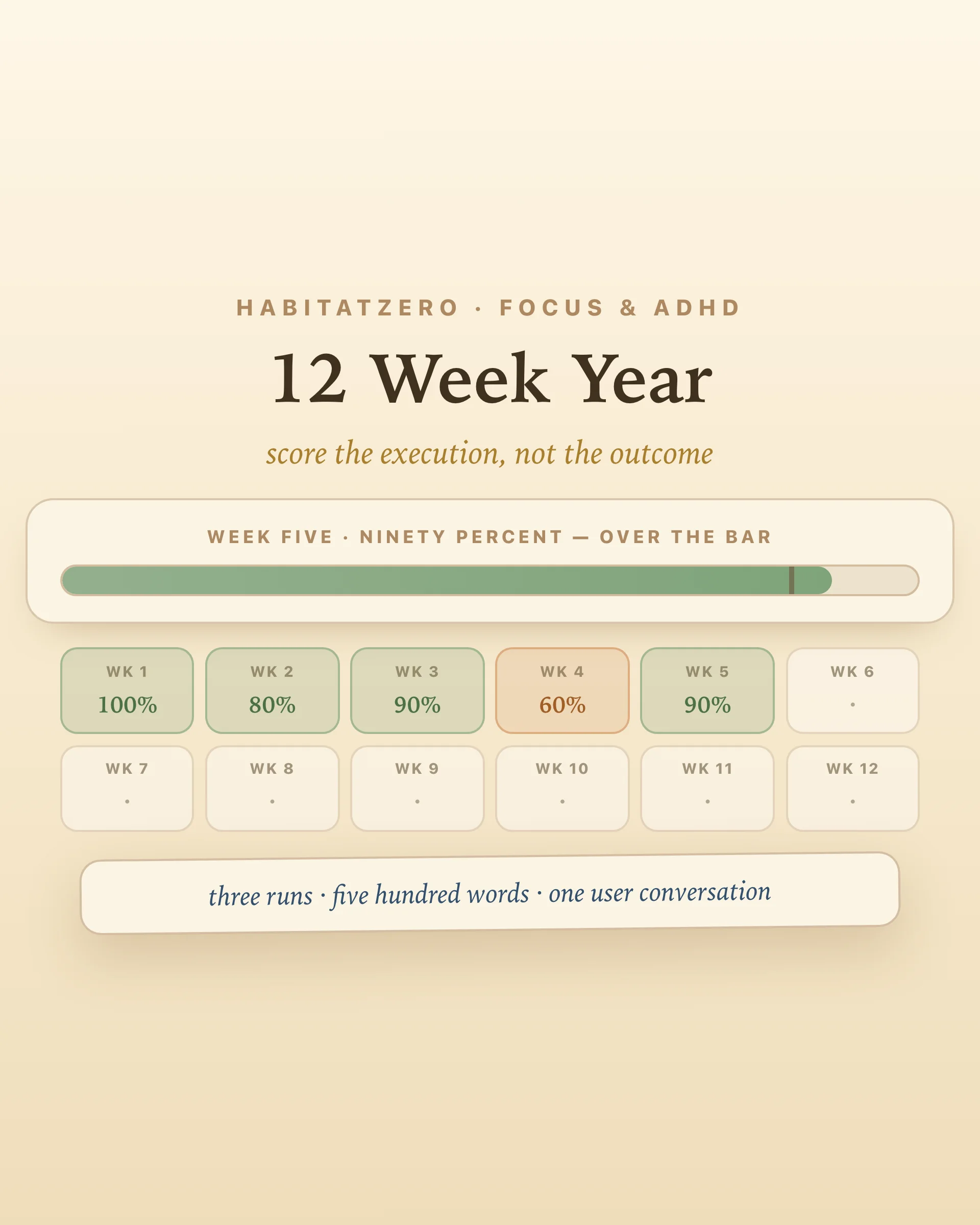
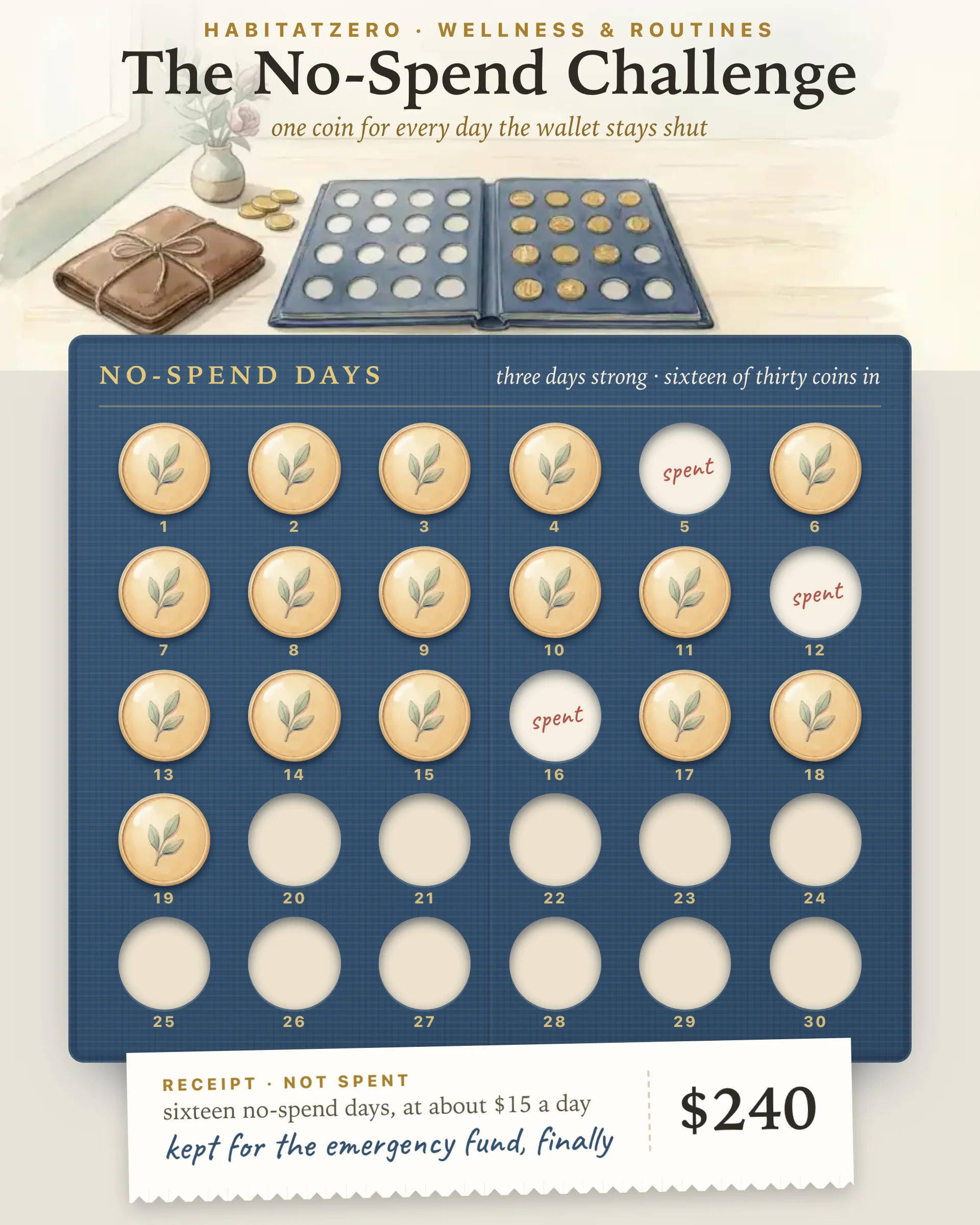
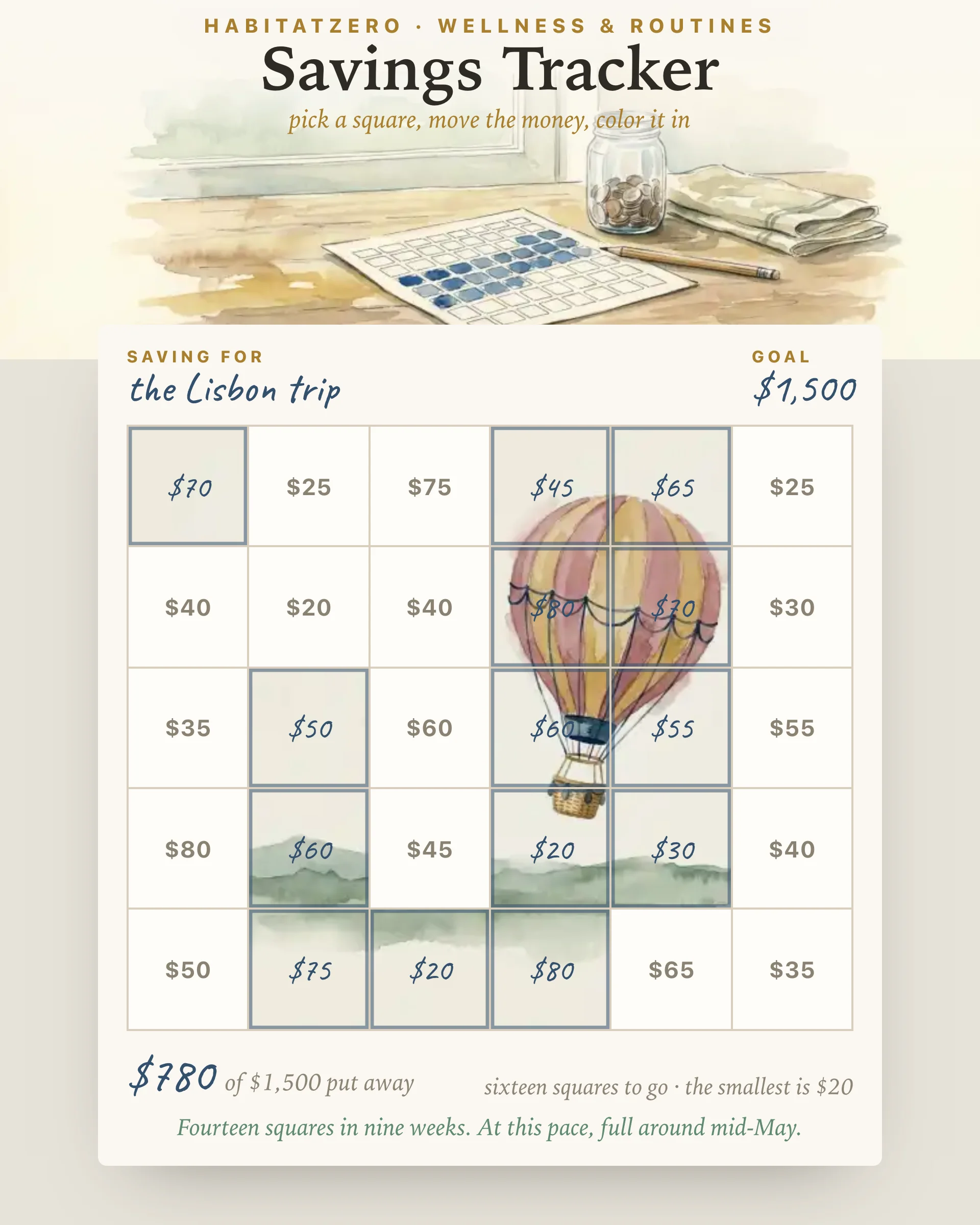
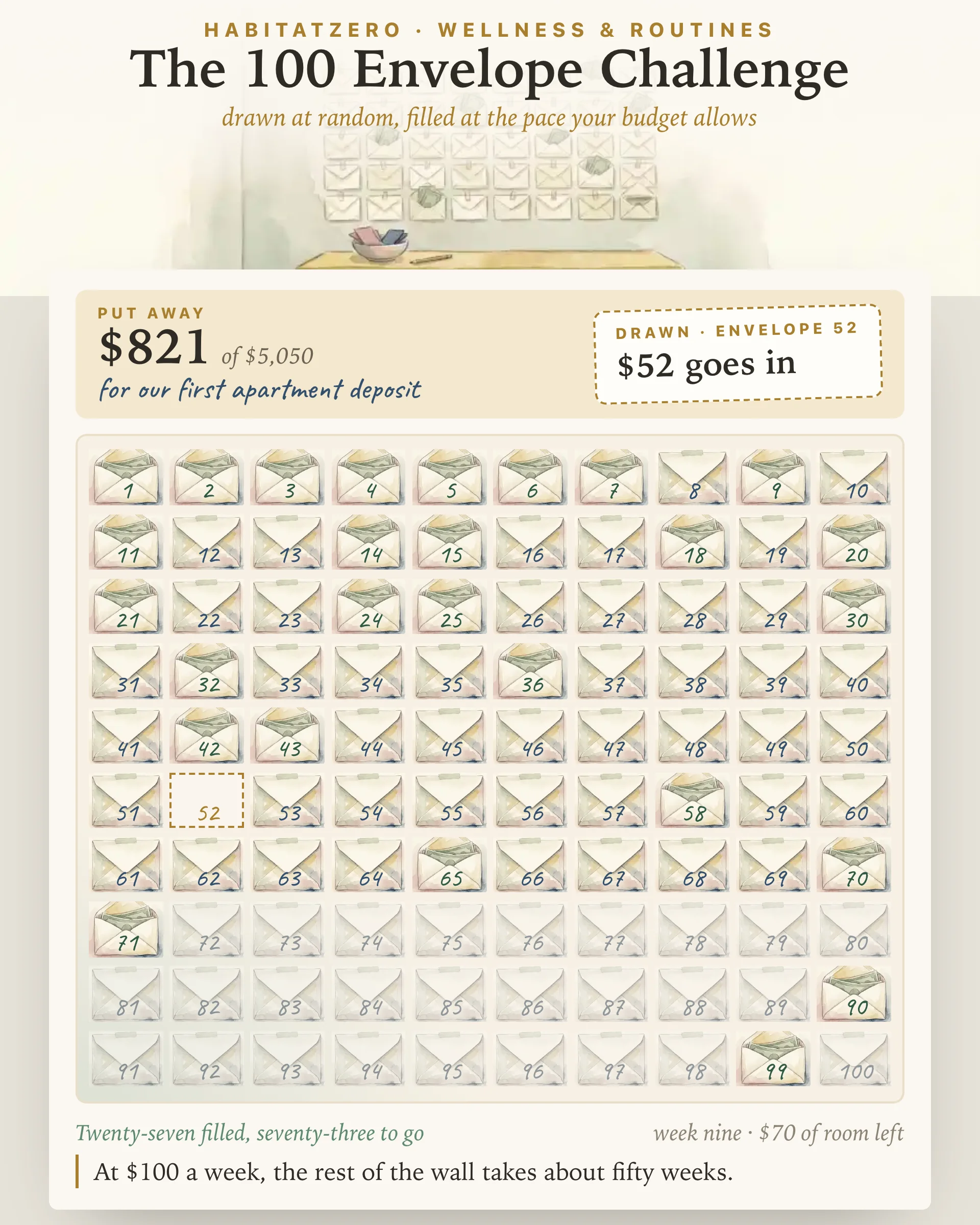
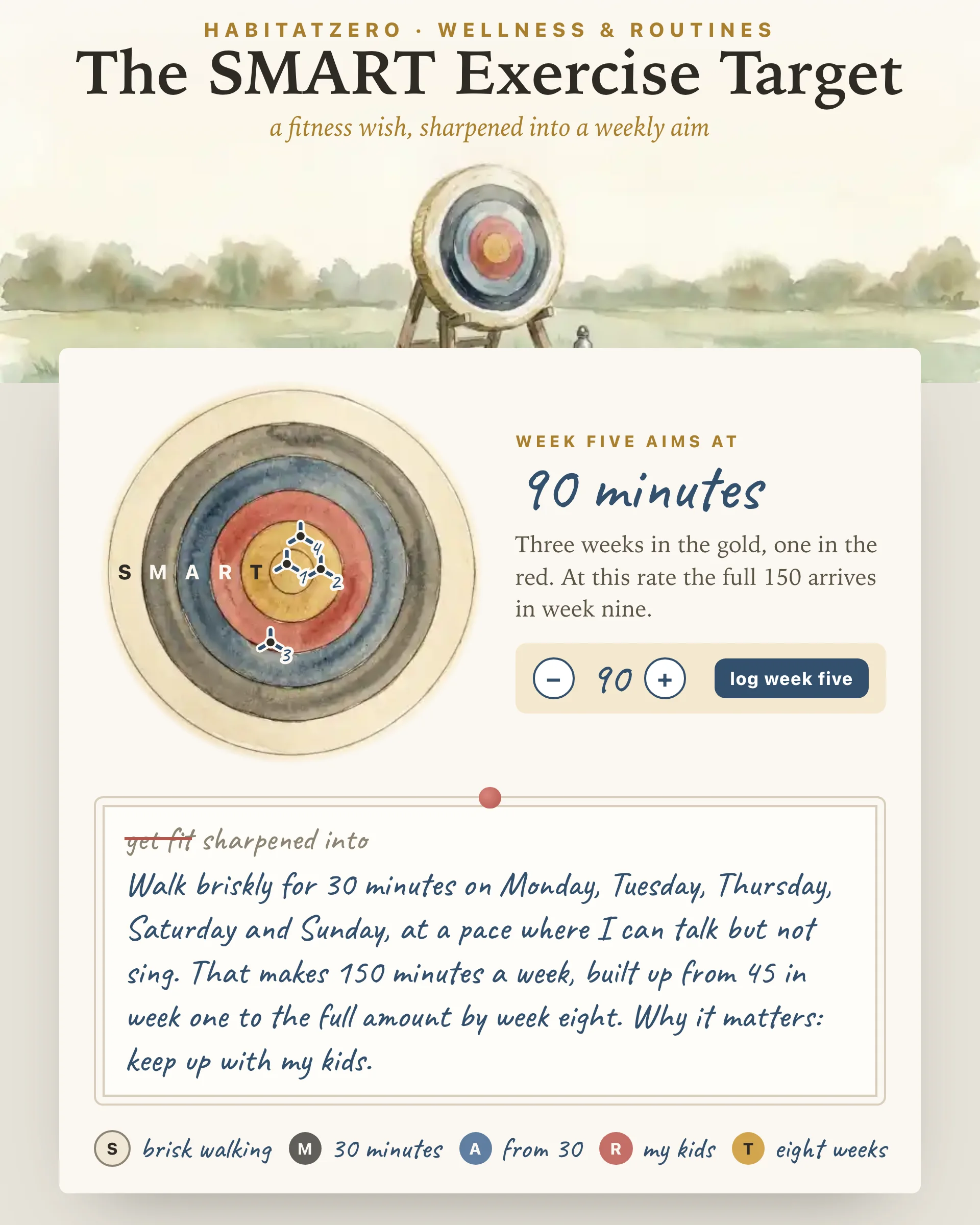
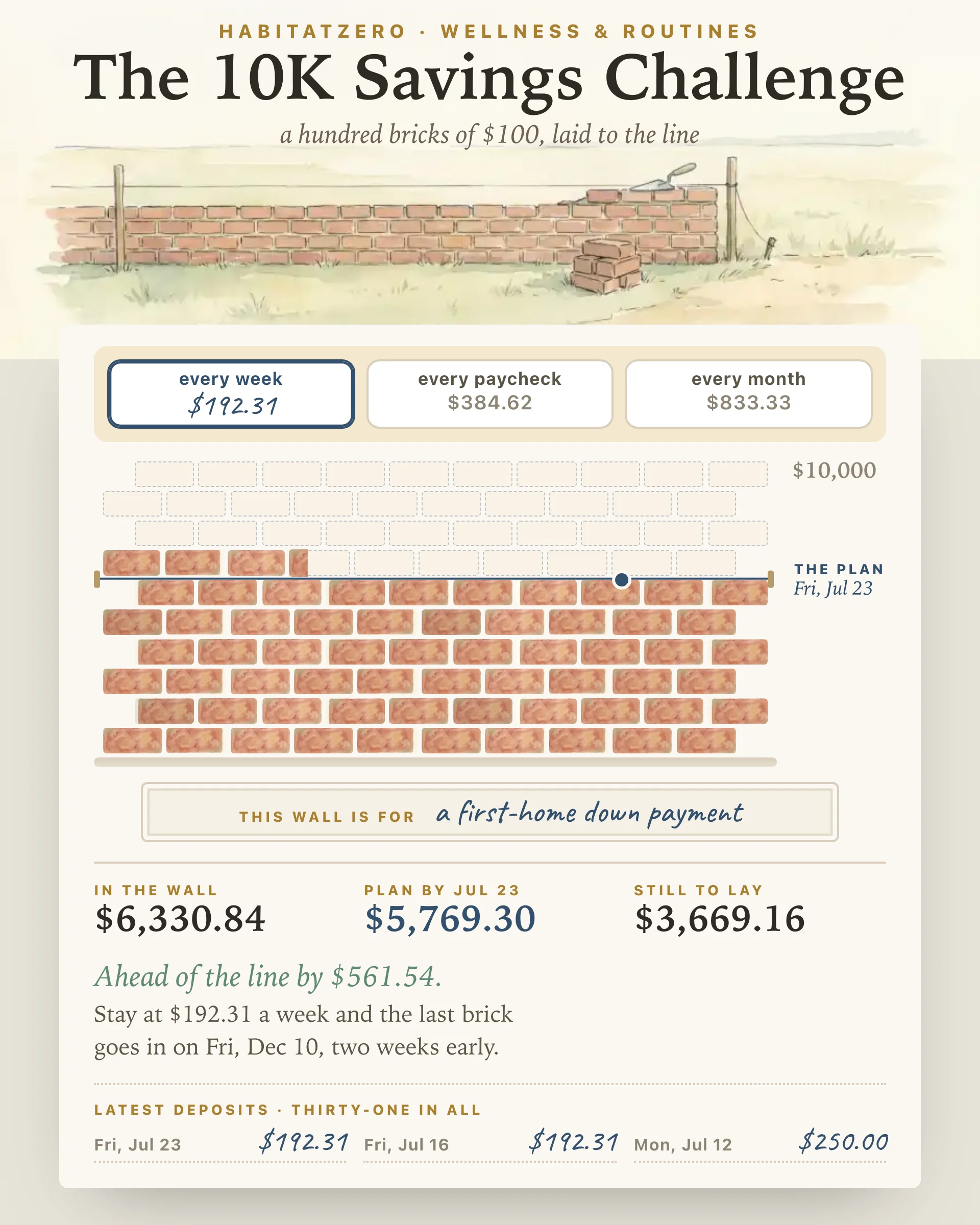
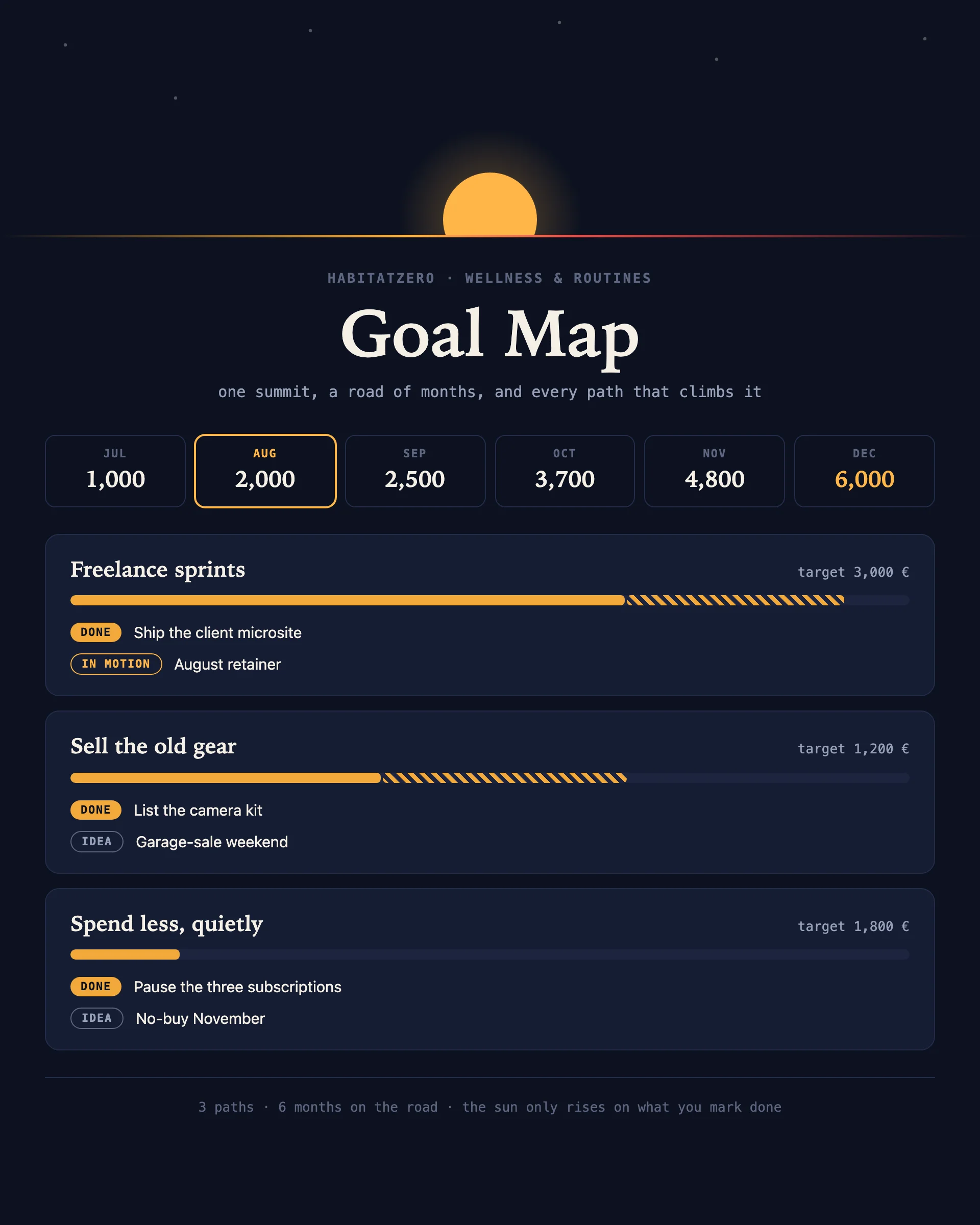
Writing a goal down is the cheapest intervention in behavioral science, and one of the best studied: Locke and Latham's program of research found that specific, measurably difficult goals reliably beat vague "do your best" intentions, and a 2016 meta-analysis of 138 trials showed that simply monitoring progress toward a goal moves the goal itself. The templates in this collection cover that whole arc. Some help you choose and sharpen the goal — the SMART and SMARTER worksheets force the vague wish into a testable sentence. Some turn one big number into a road you can walk, like the Goal Map's monthly milestones or the Twelve Week Year's compressed seasons. And some exist purely to keep the goal visible after the novelty wears off: a thermometer that fills as you log progress, a planner that asks what this week actually contributes. Every one is interactive in the browser, free, and prints cleanly if paper is where your planning lives.
Four things show up again and again in the research: make it specific enough to test, make it hard enough to matter, write down where and when you will act on it, and check your progress on a schedule. The worksheets here are built around exactly those levers — each one asks for a number, a deadline, and a visible way to watch the gap close.
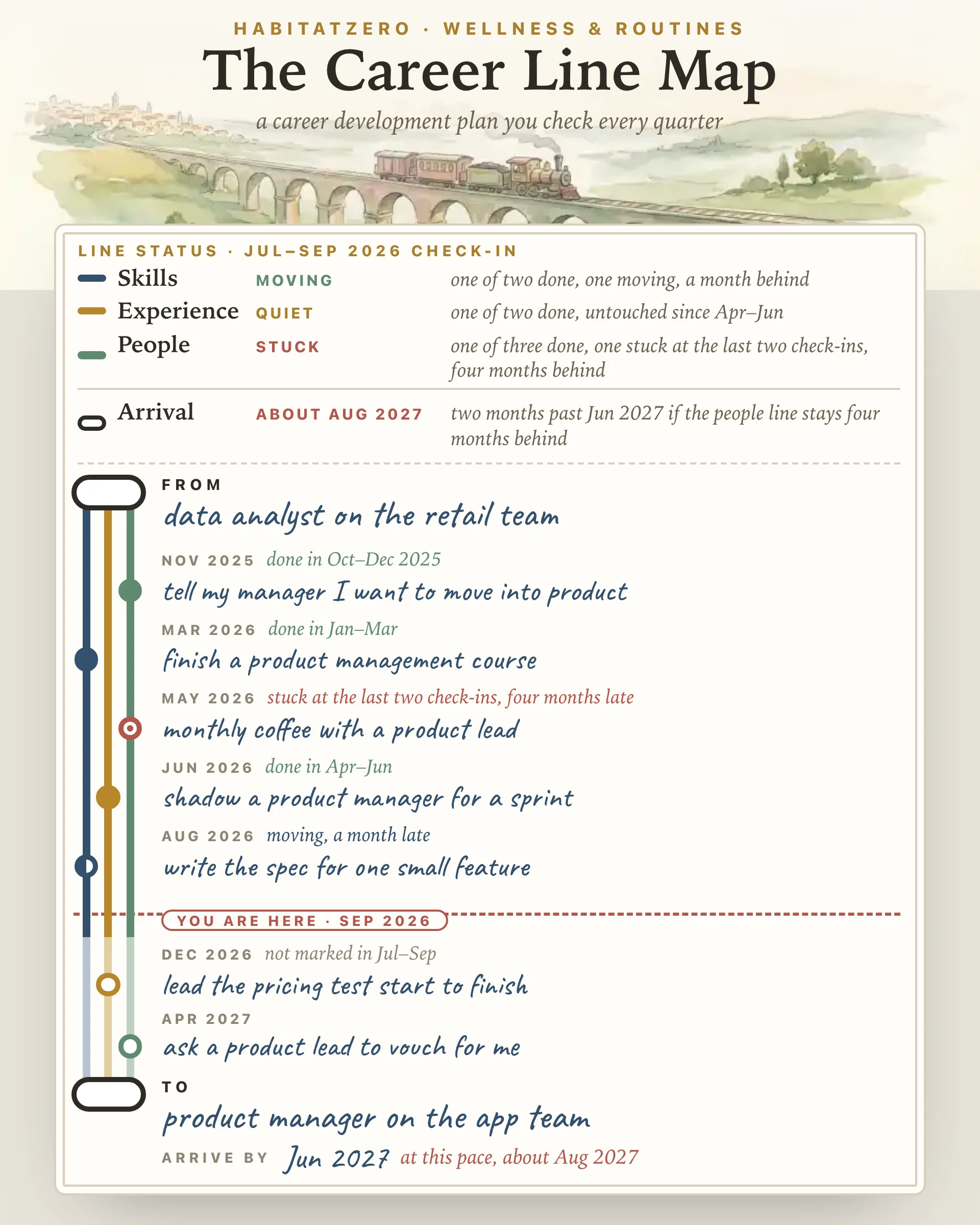
Use SMART when the outcome is concrete and countable — a savings target, a race time, a shipped project. When the goal is a direction rather than a destination, start with the Goal Map or a yearly planner instead, set milestones, and let the measurable pieces emerge from the first month of tracking.
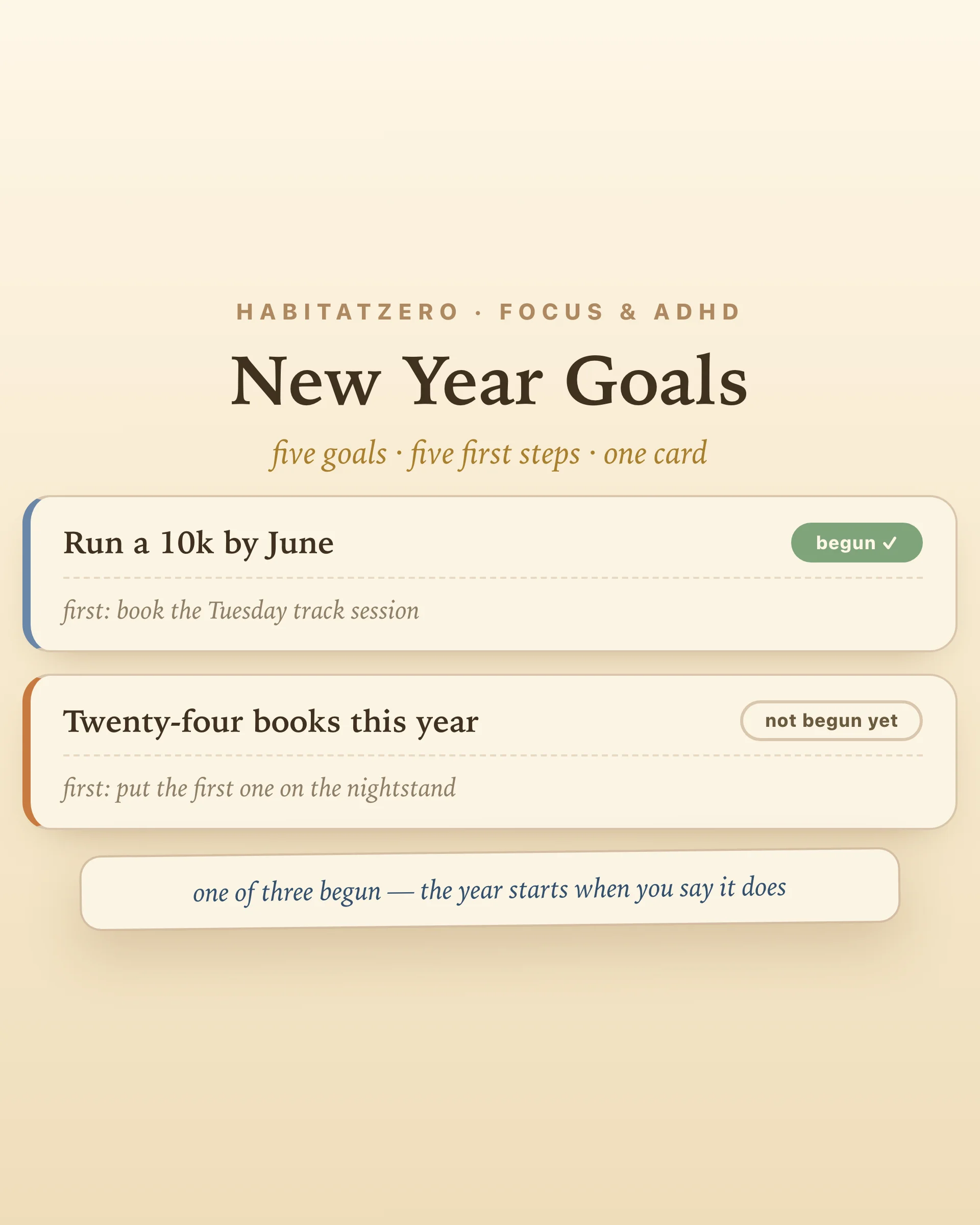
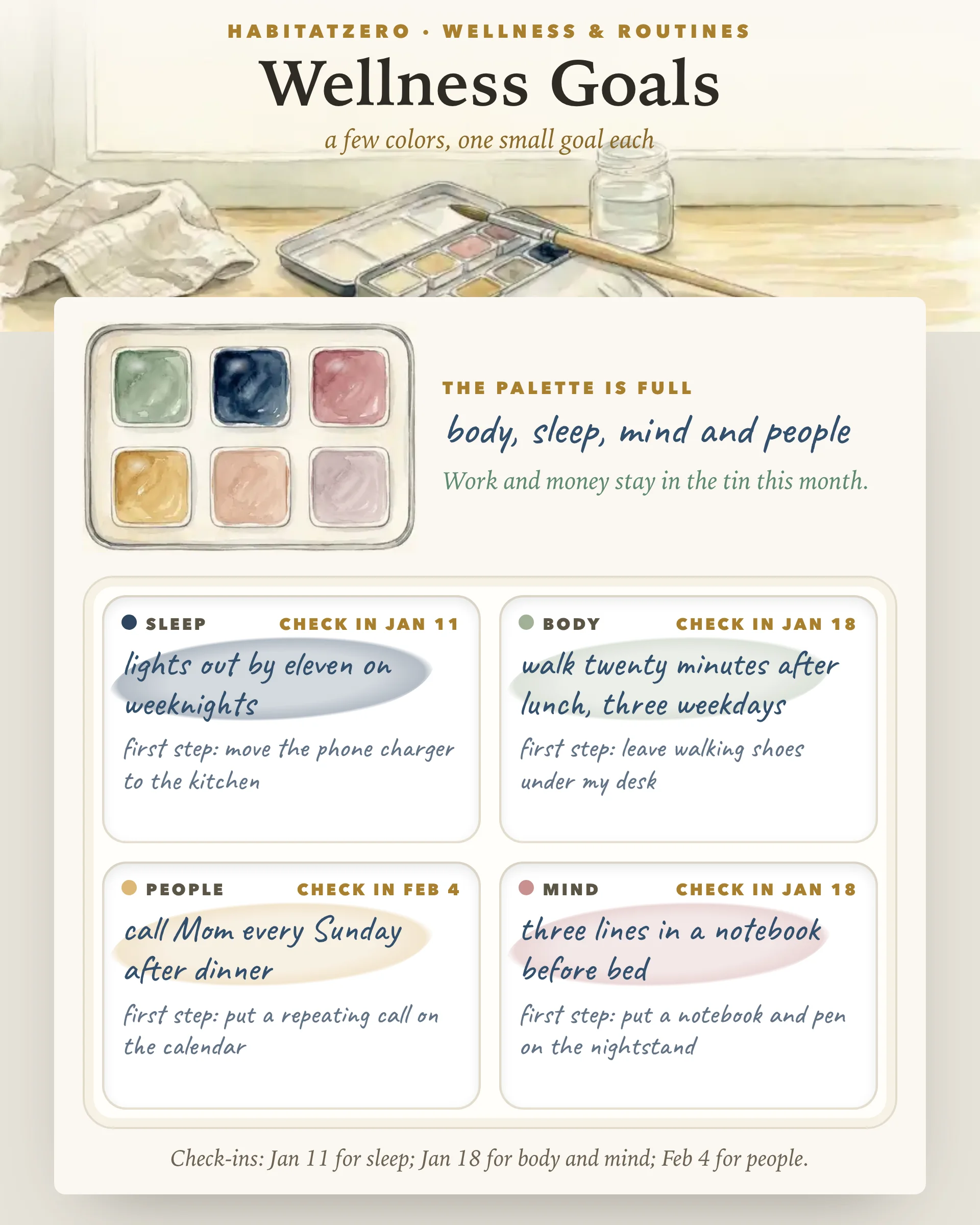
Fewer than feels ambitious. Attention is the scarce resource: one primary goal with visible tracking tends to survive contact with a busy month, while five parallel resolutions usually dilute into none. If you genuinely carry several, stagger them — give each its own review day rather than competing for the same evening.