30-Day Habit TrackerWellness & Routines · ~2 min
Fabulous · Practices
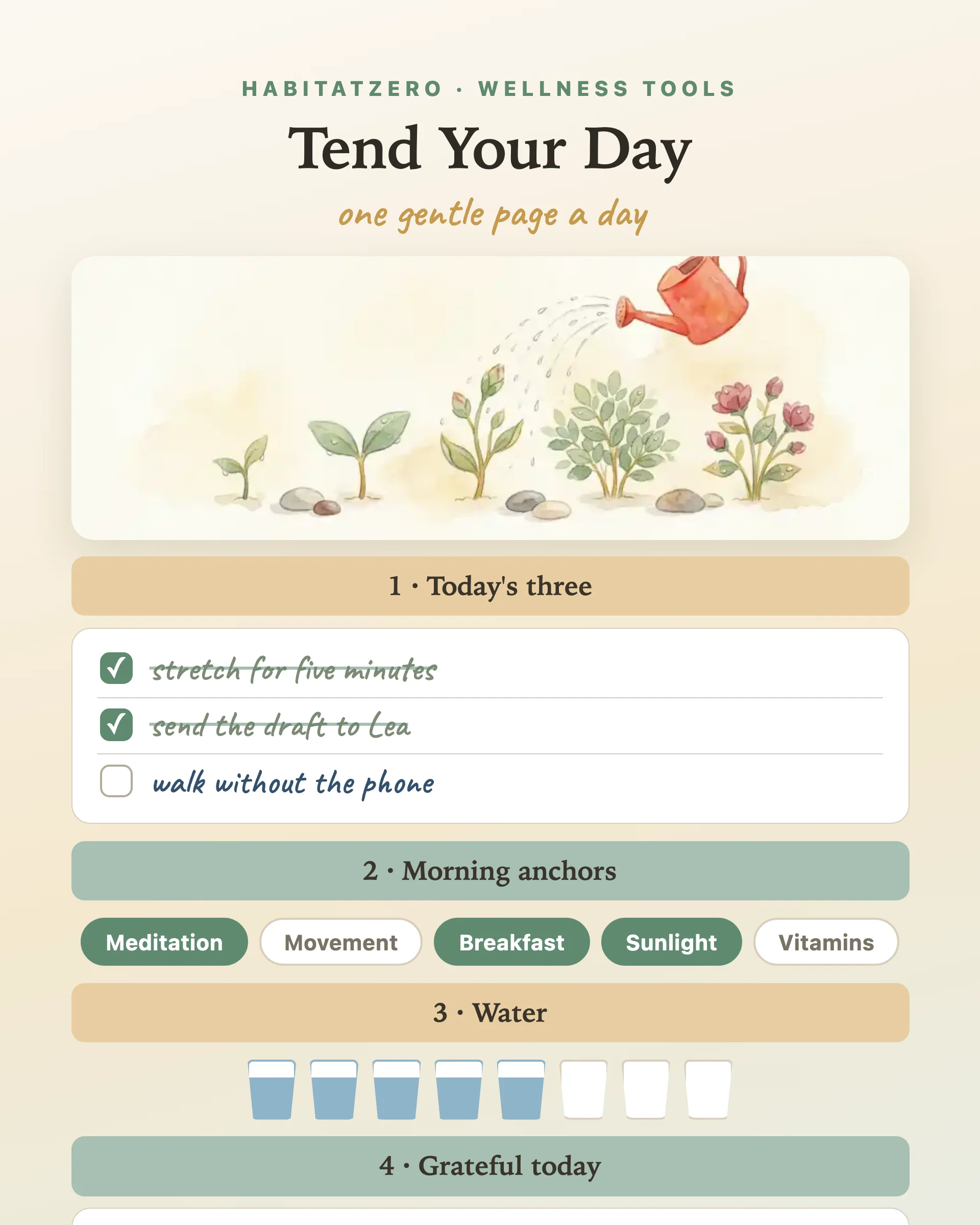
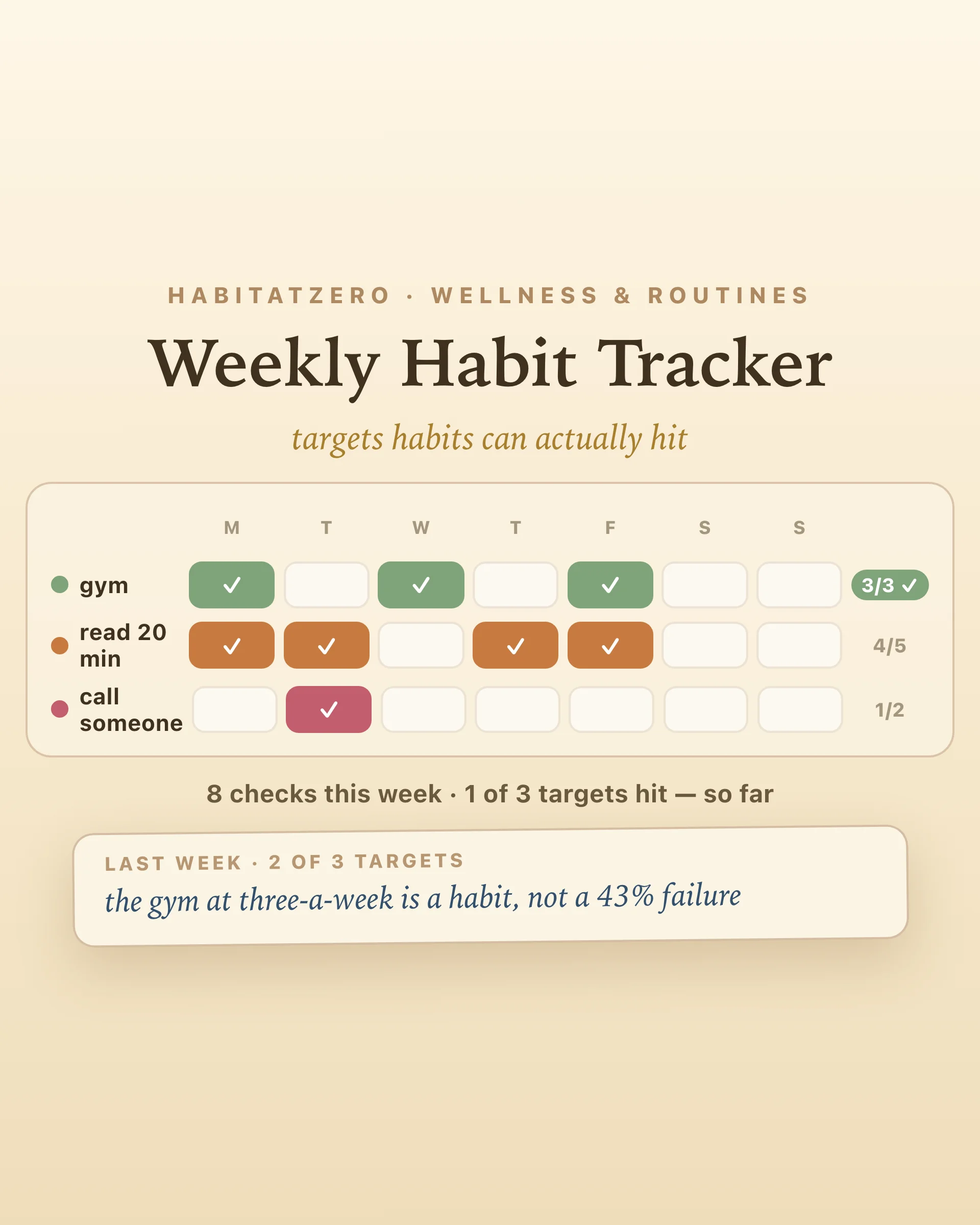
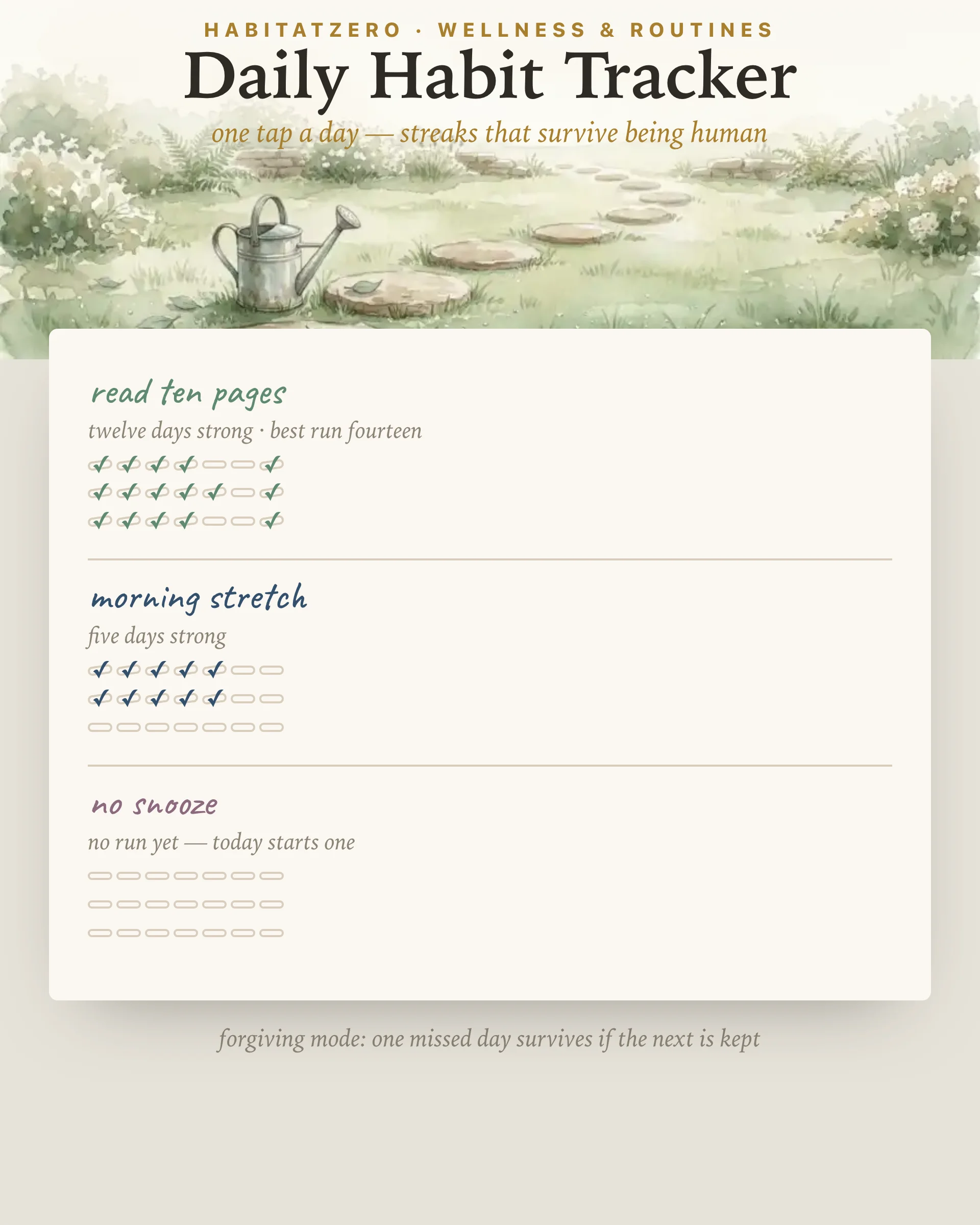
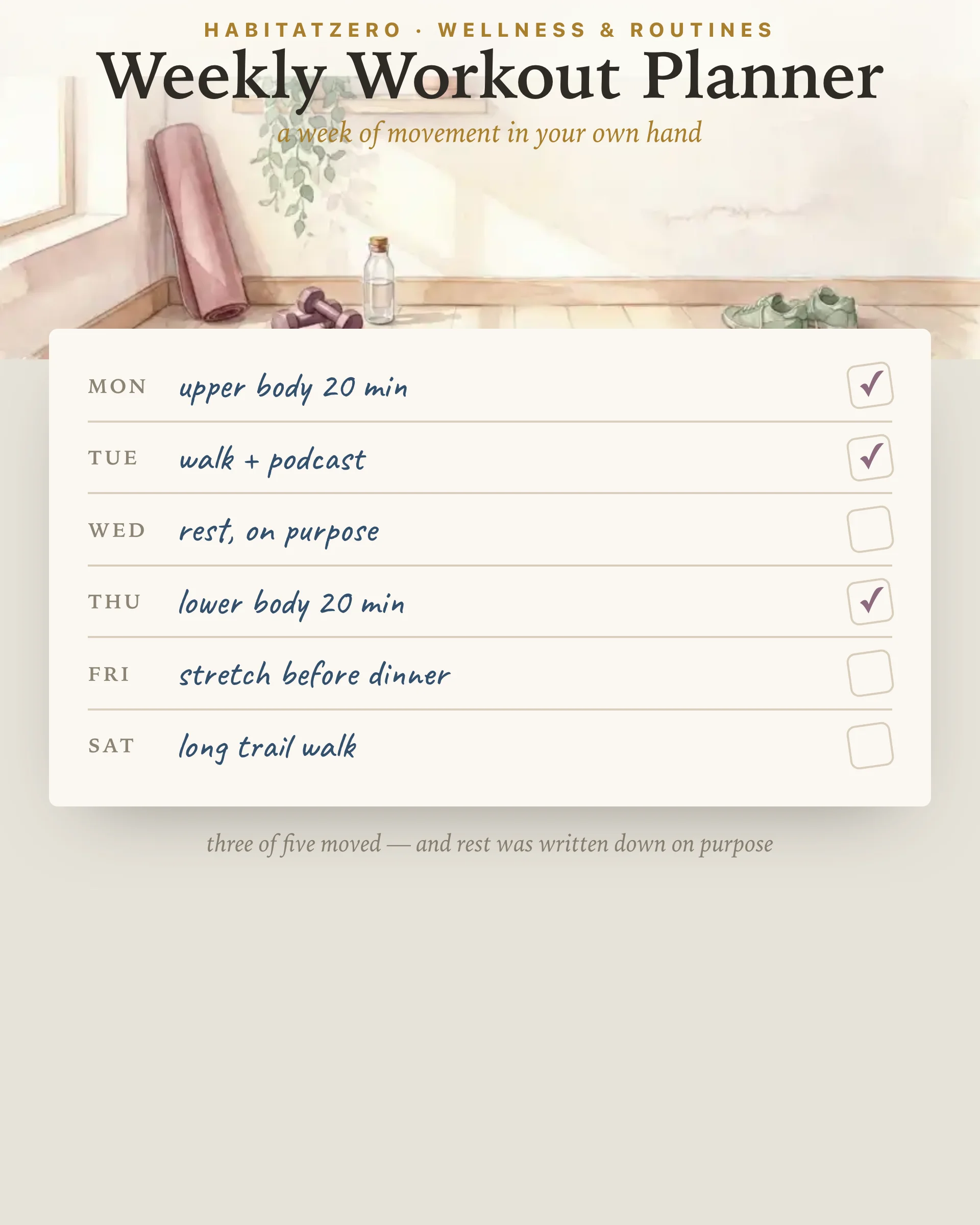
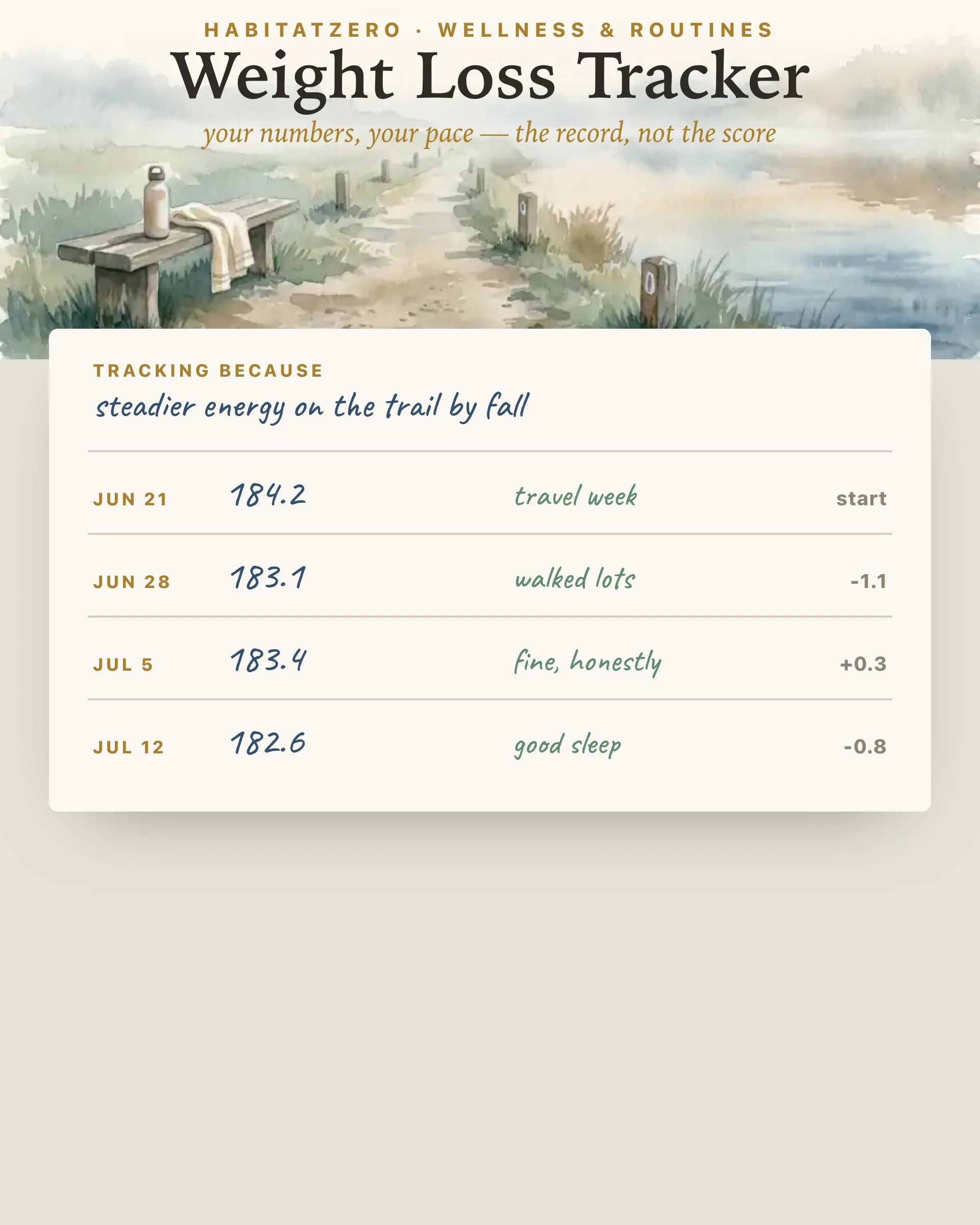
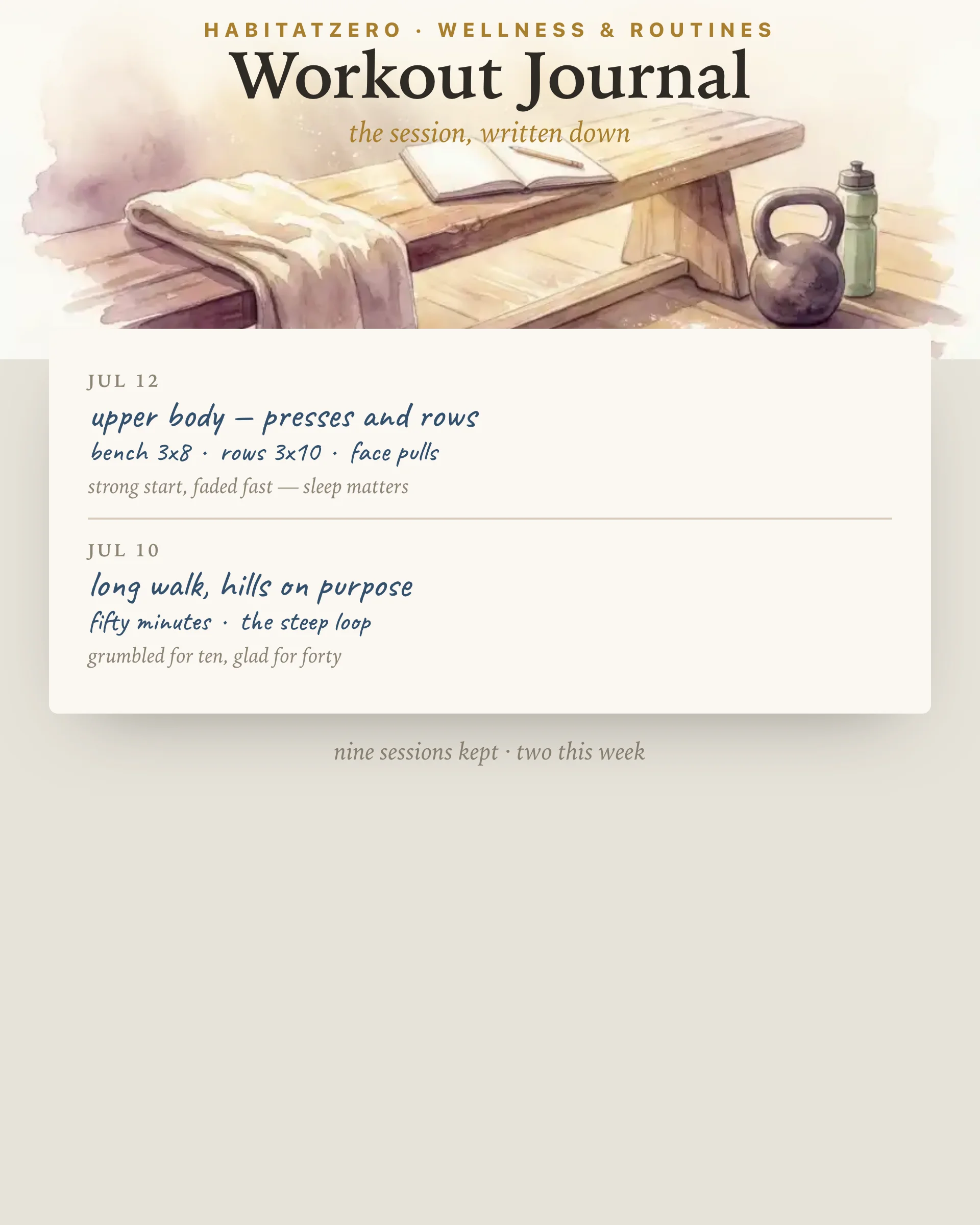
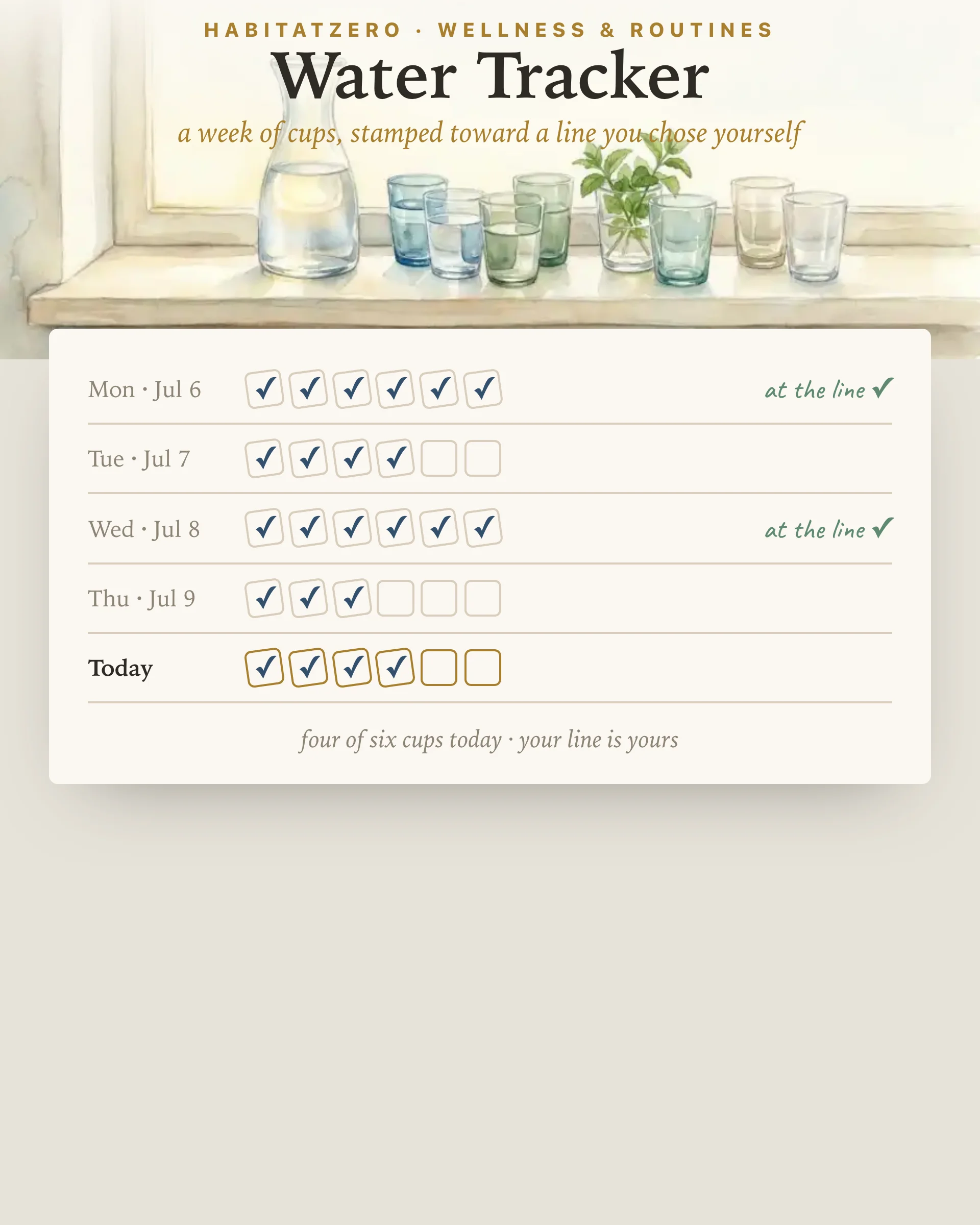
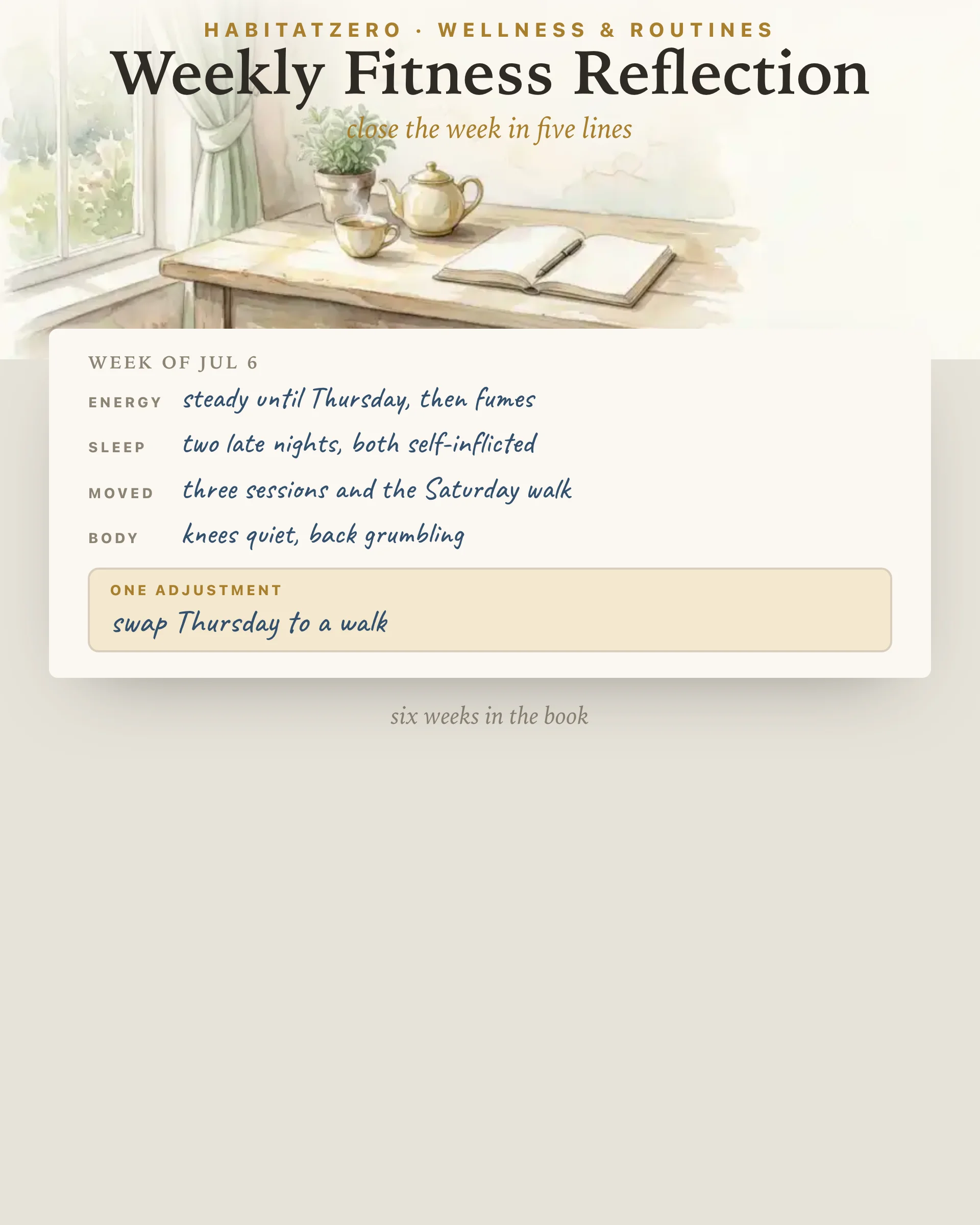
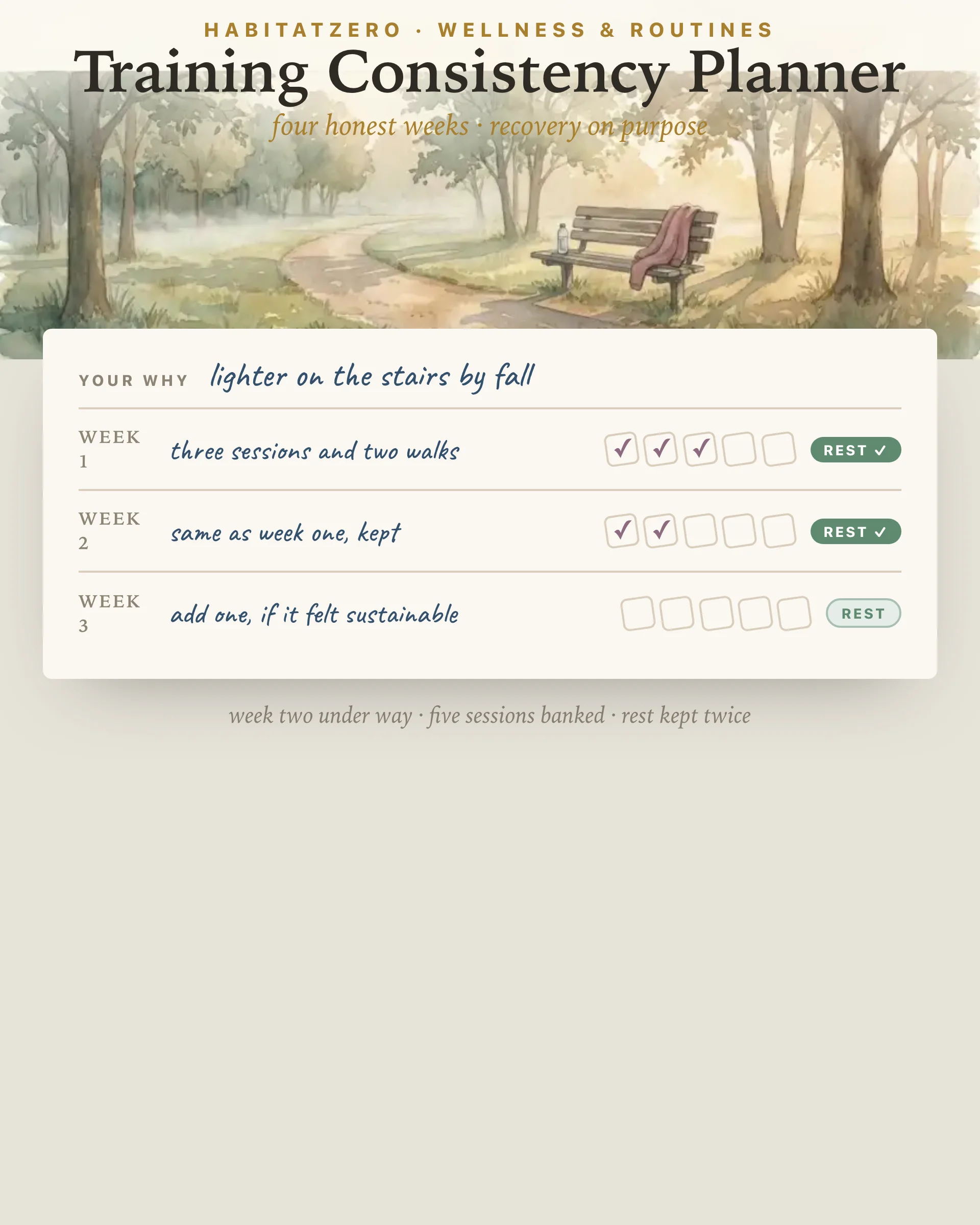
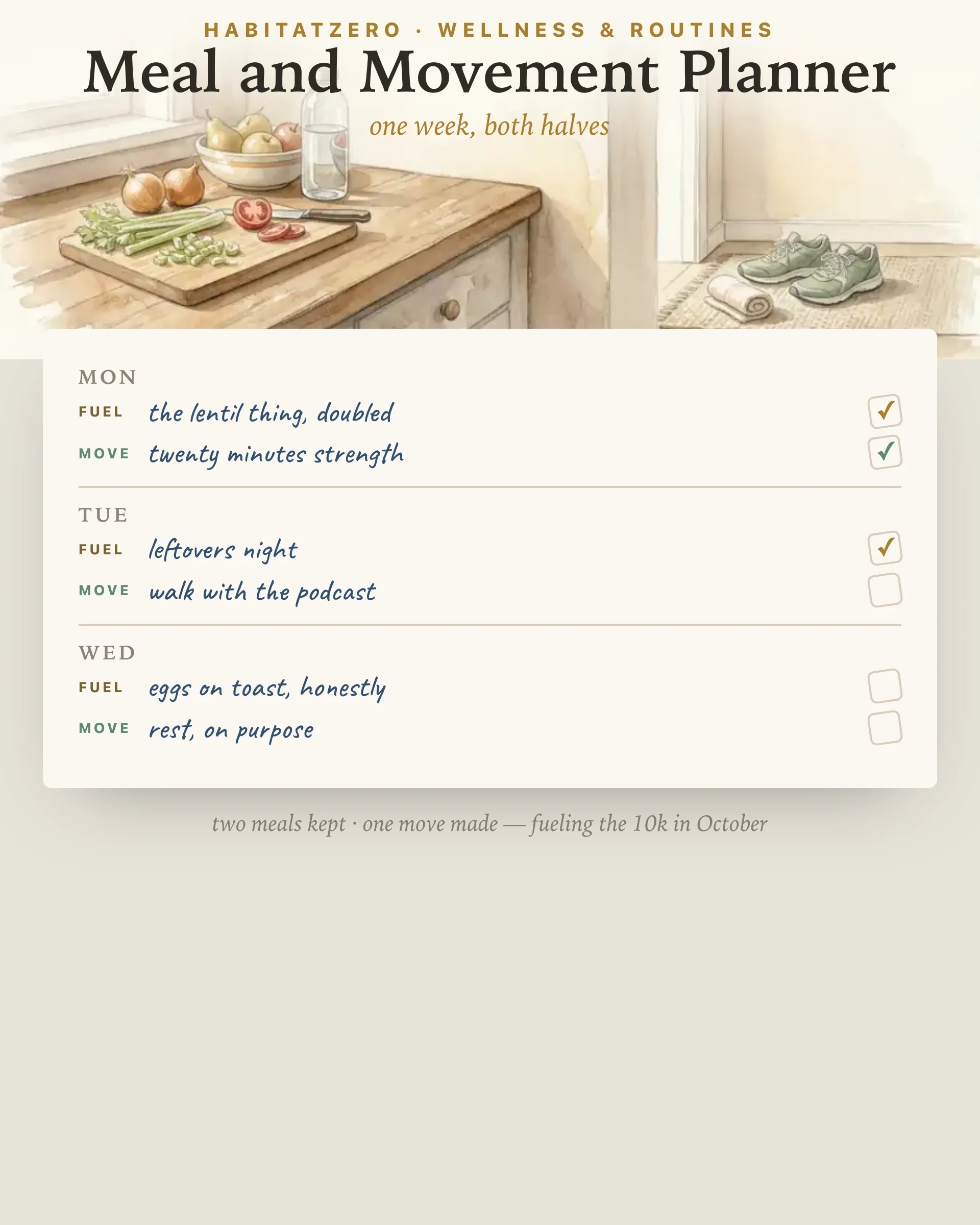
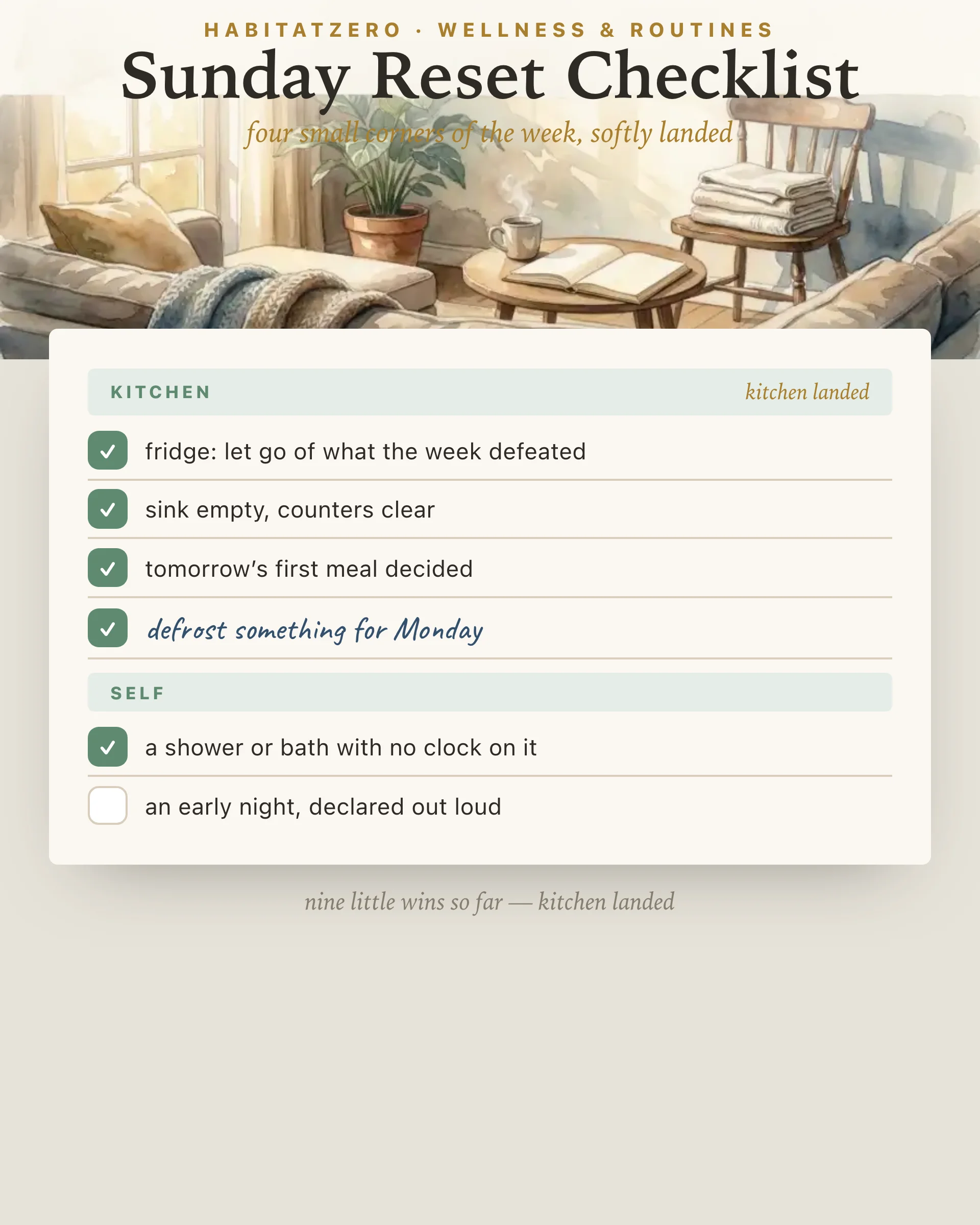
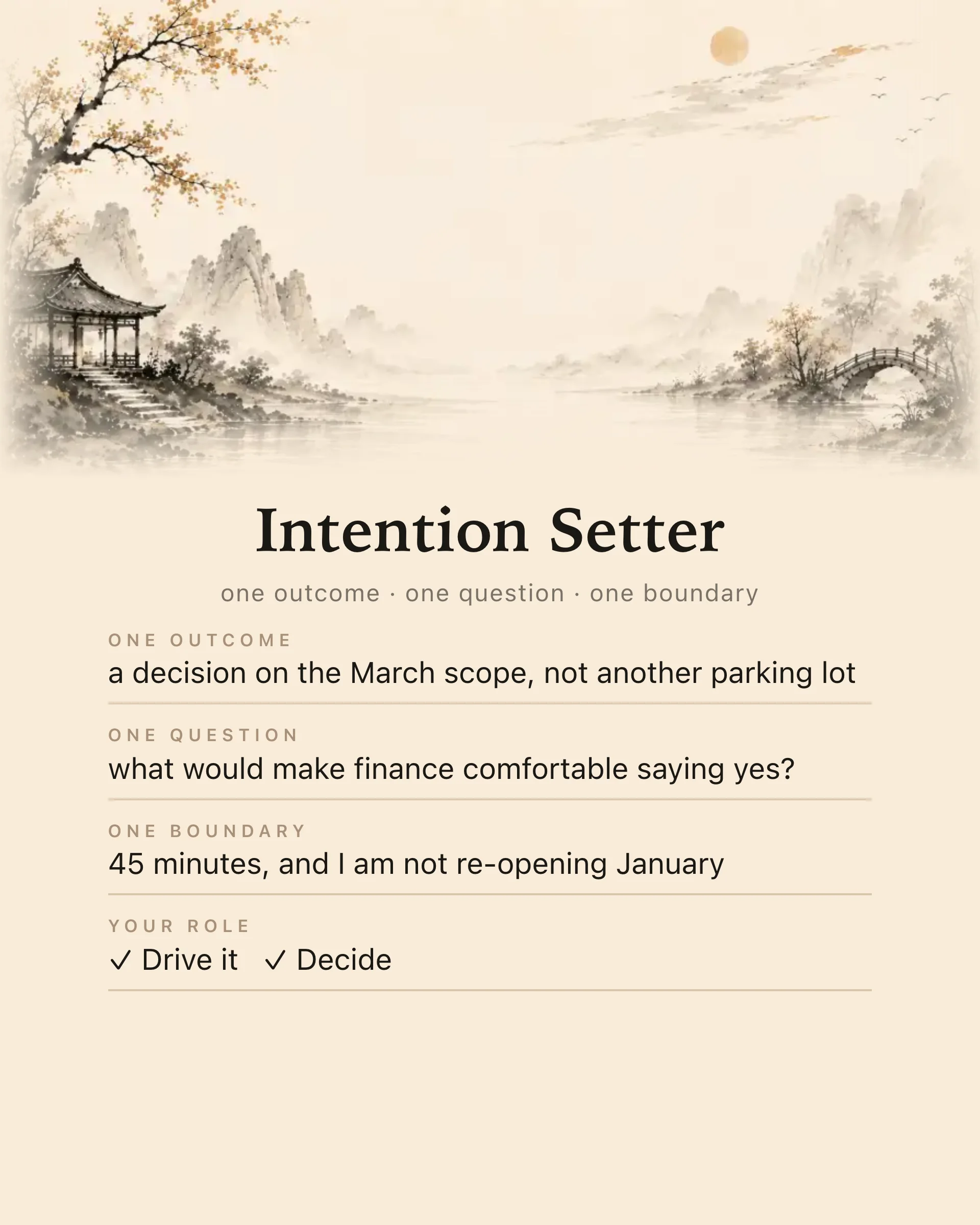
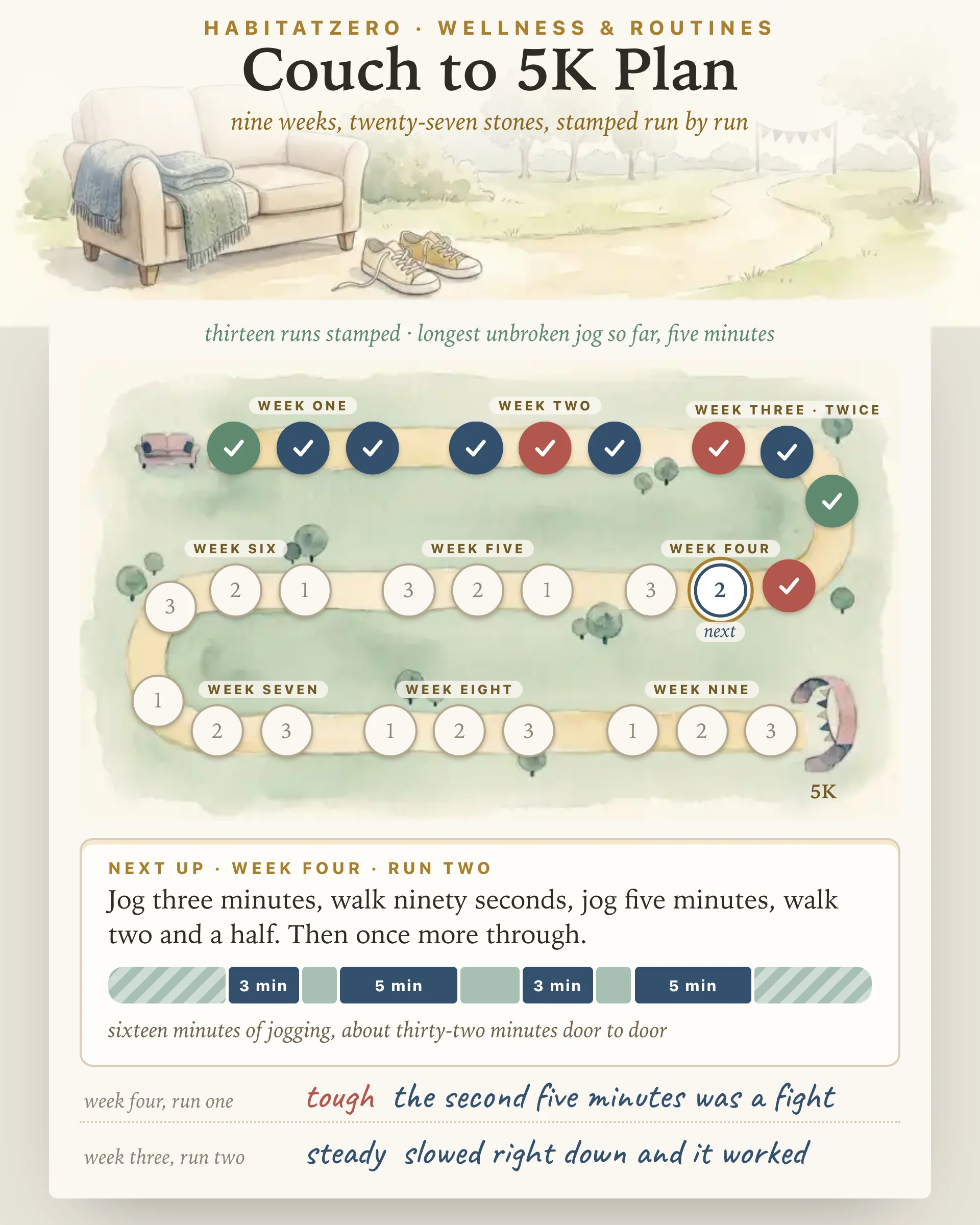
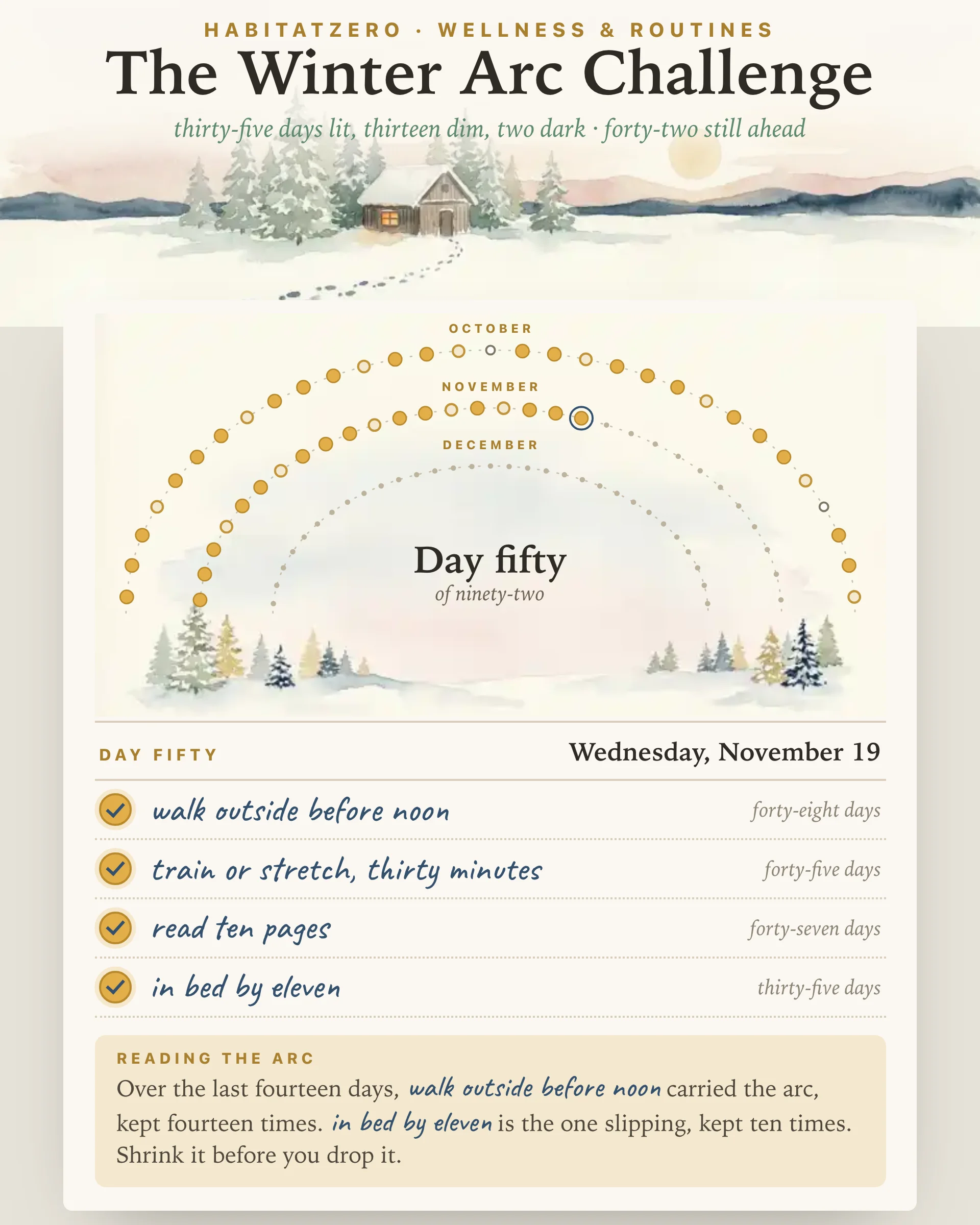
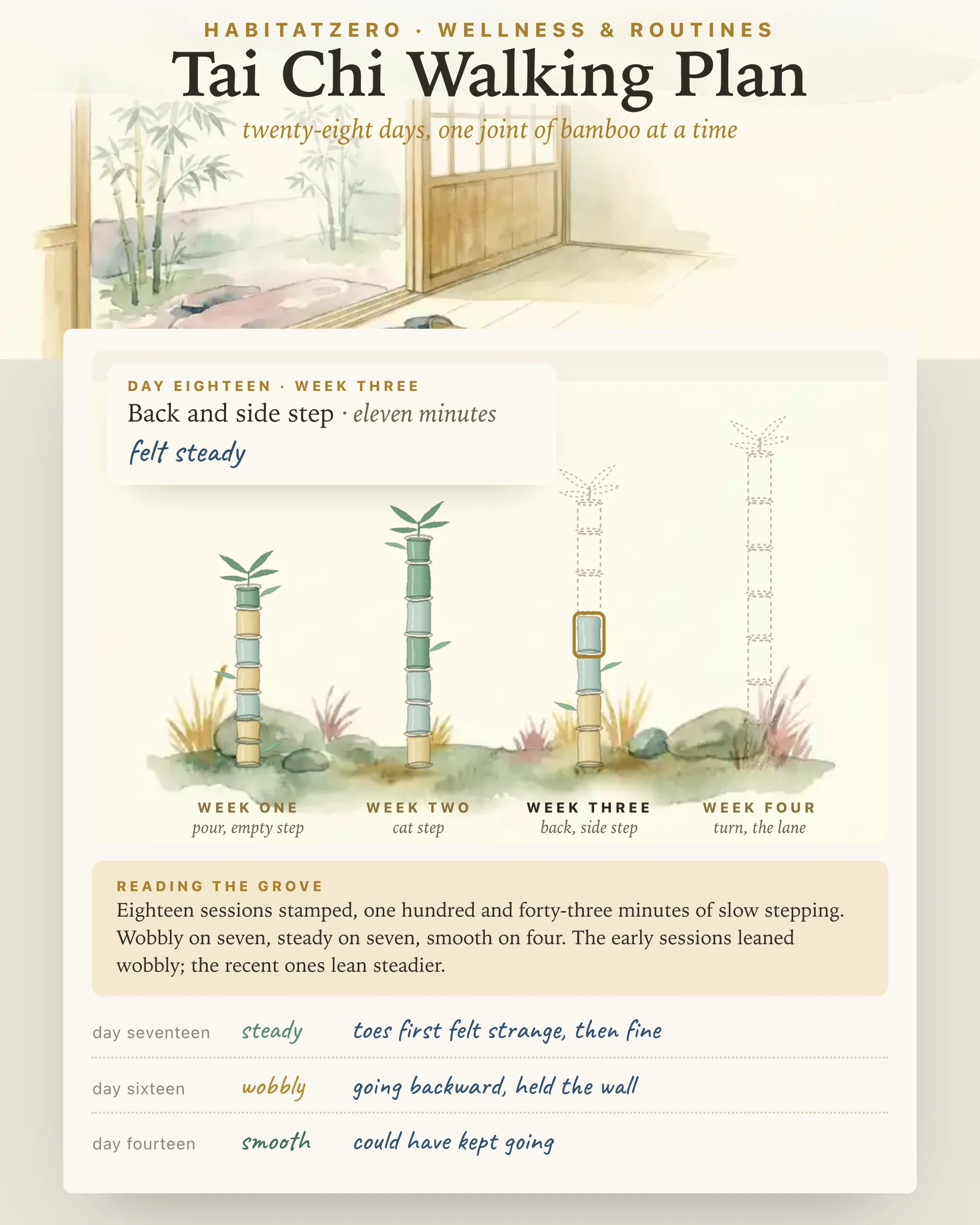
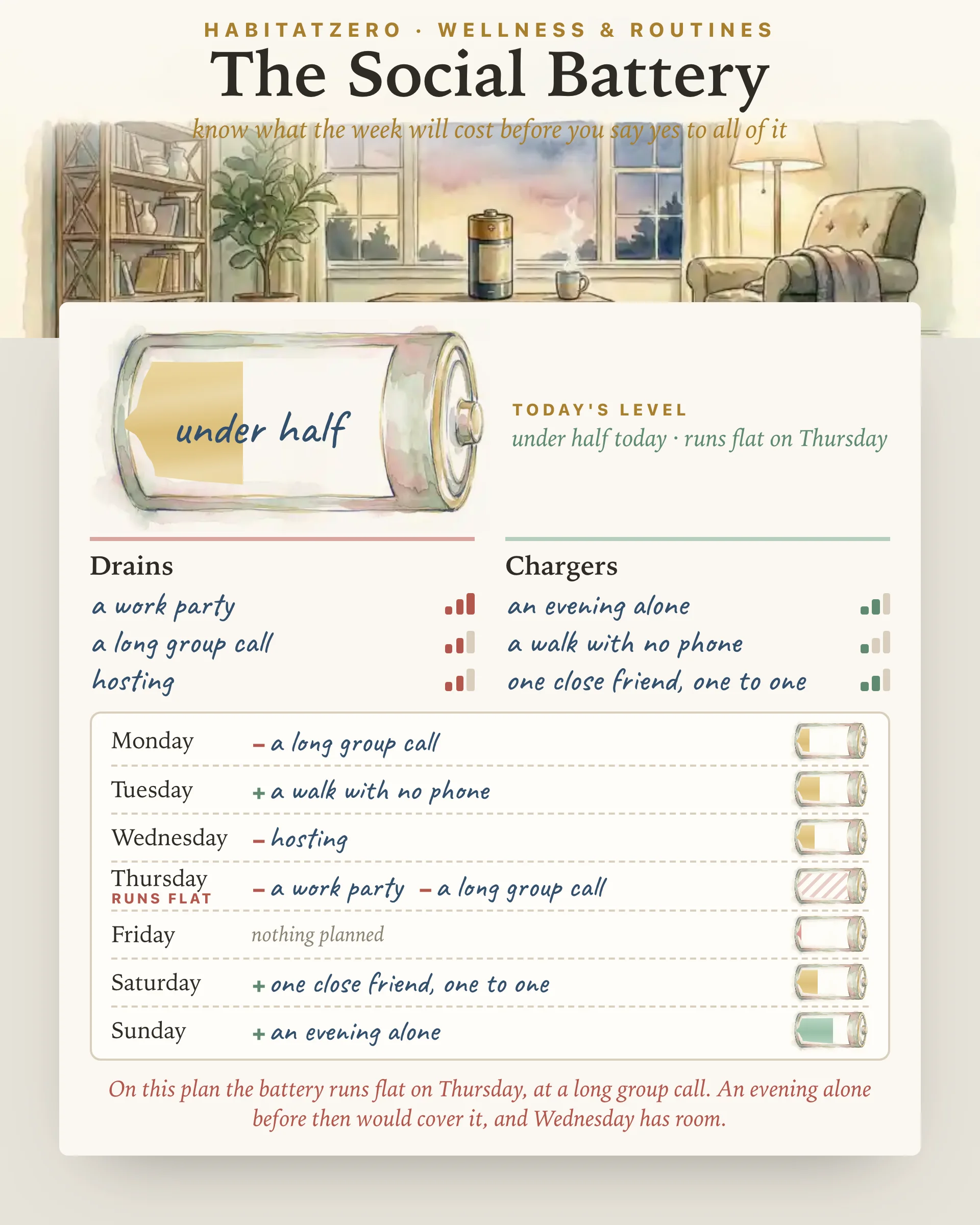
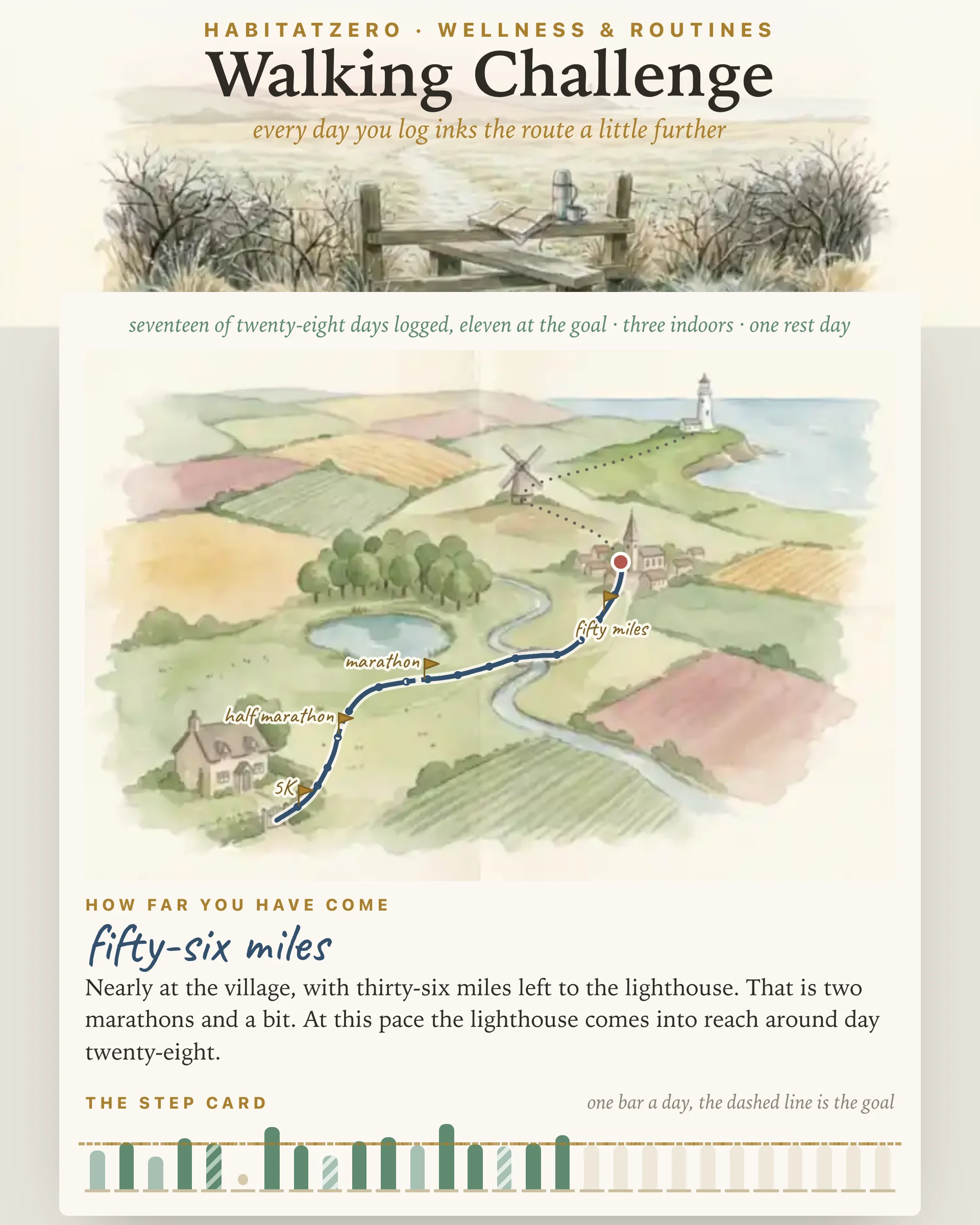
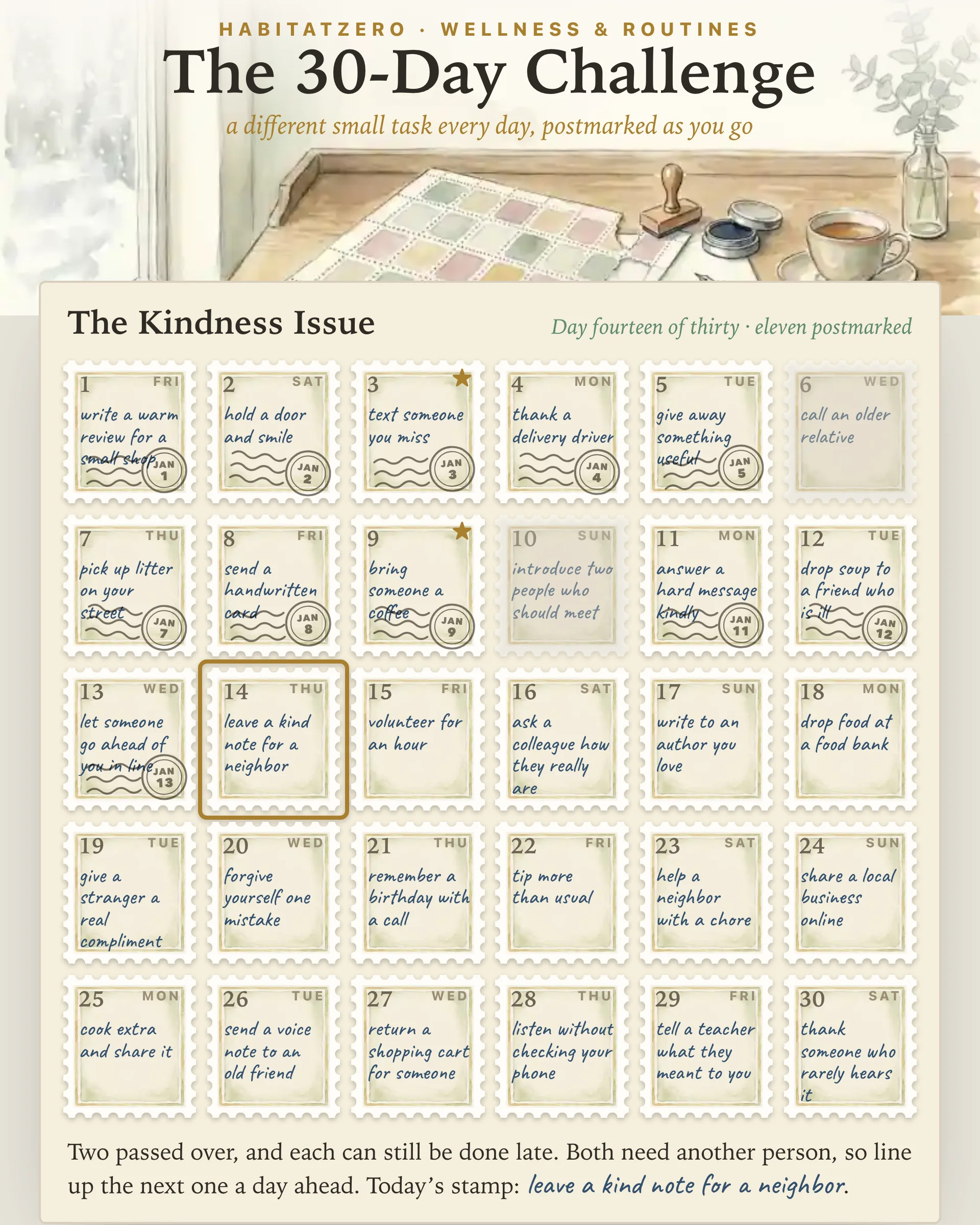
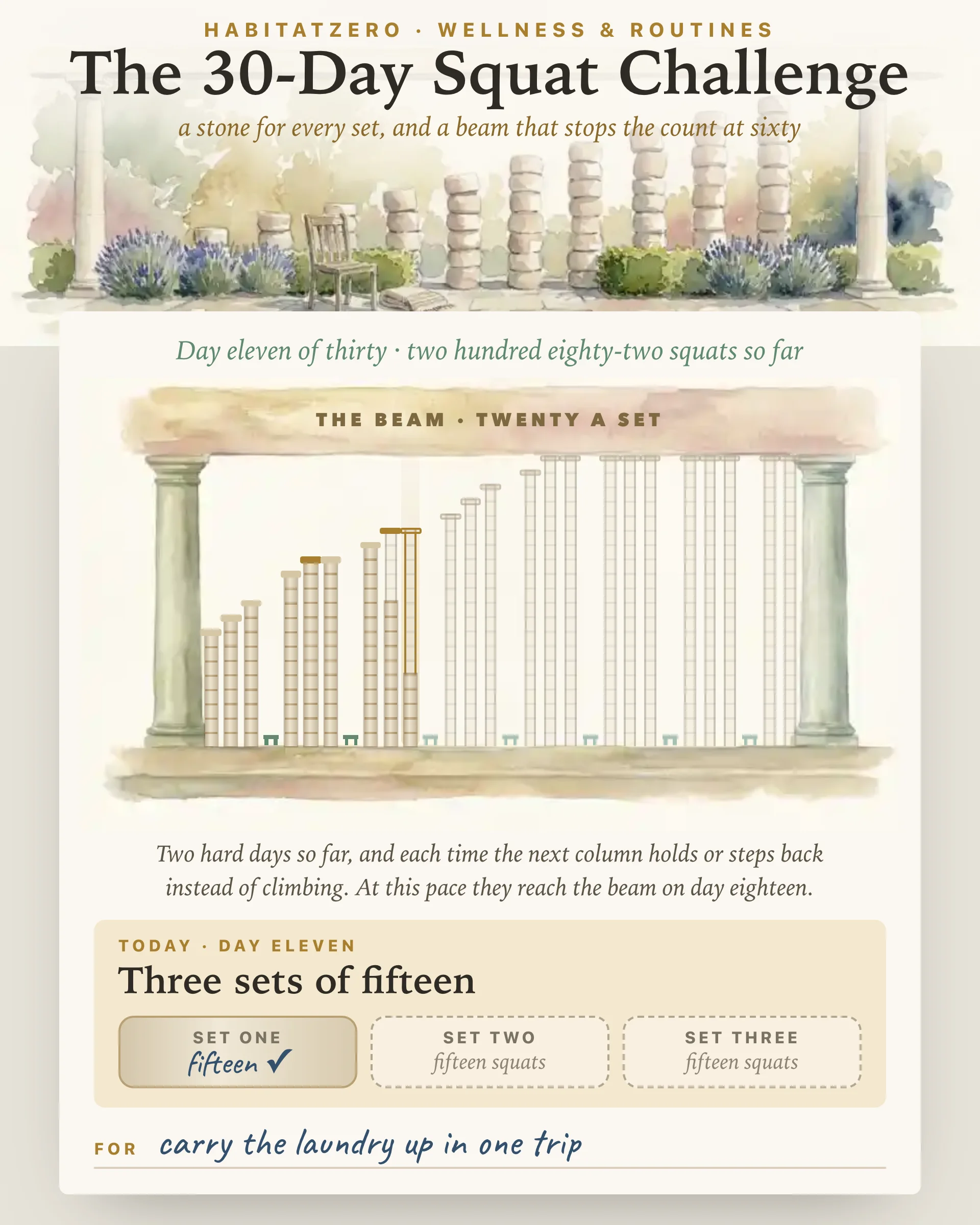
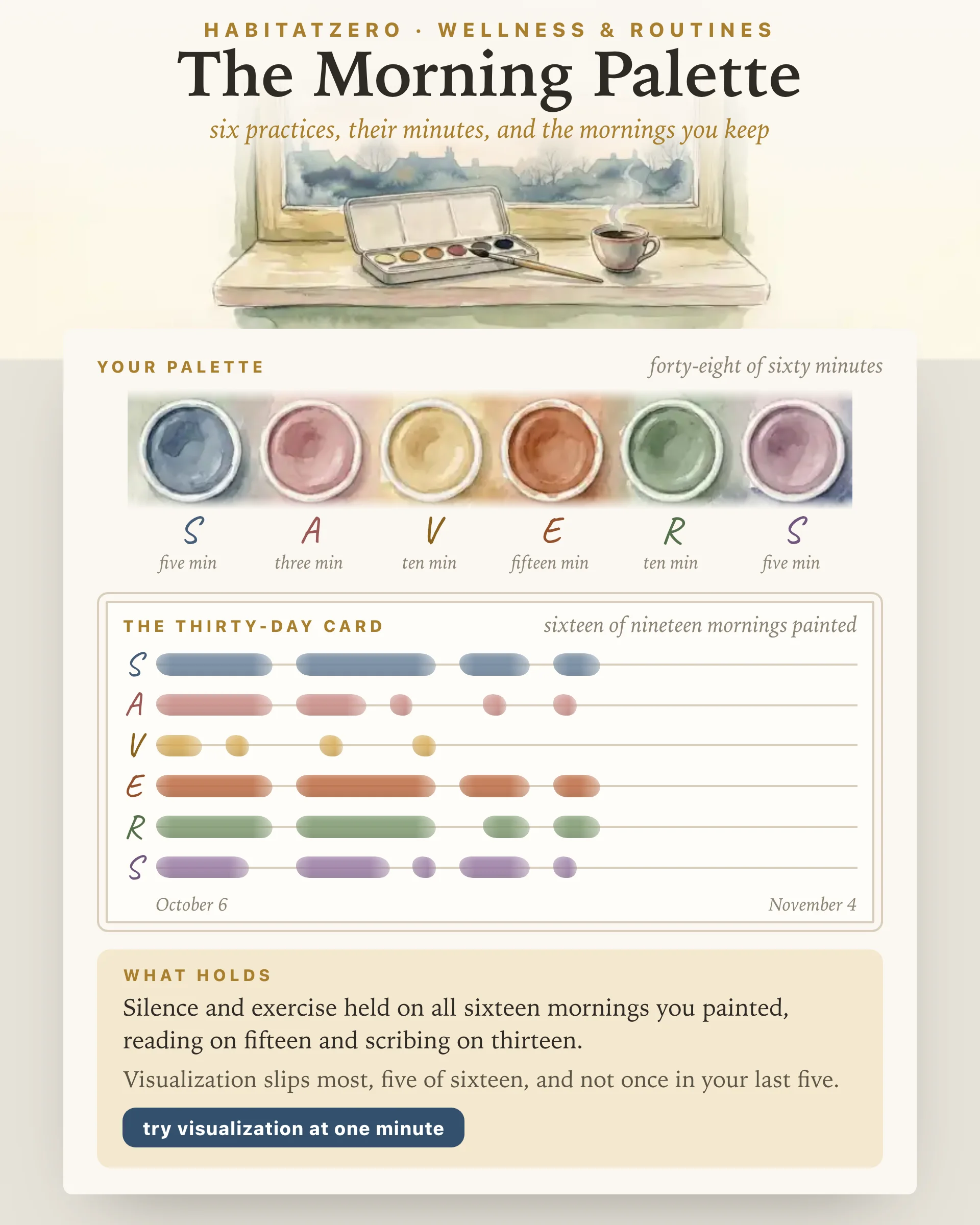
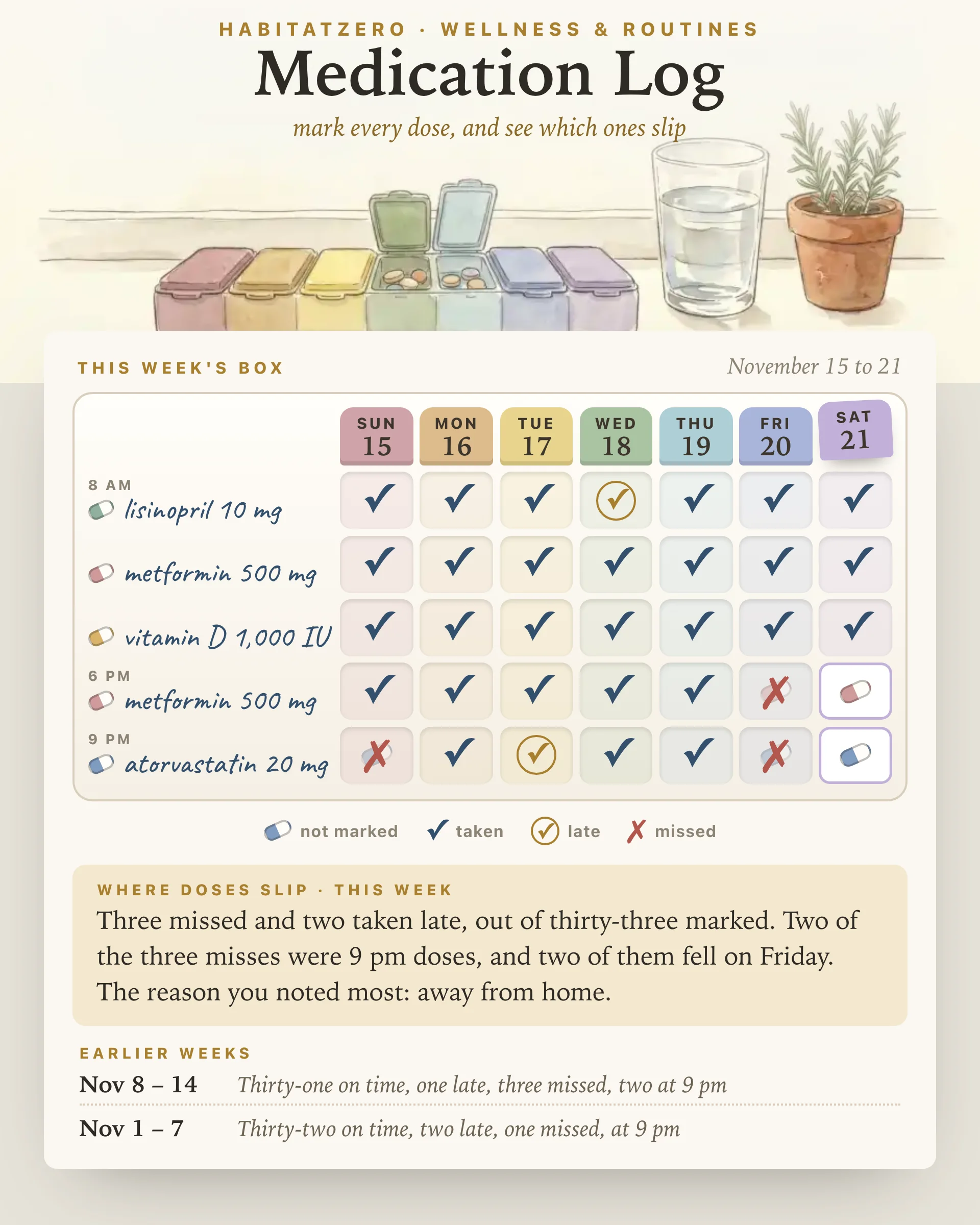
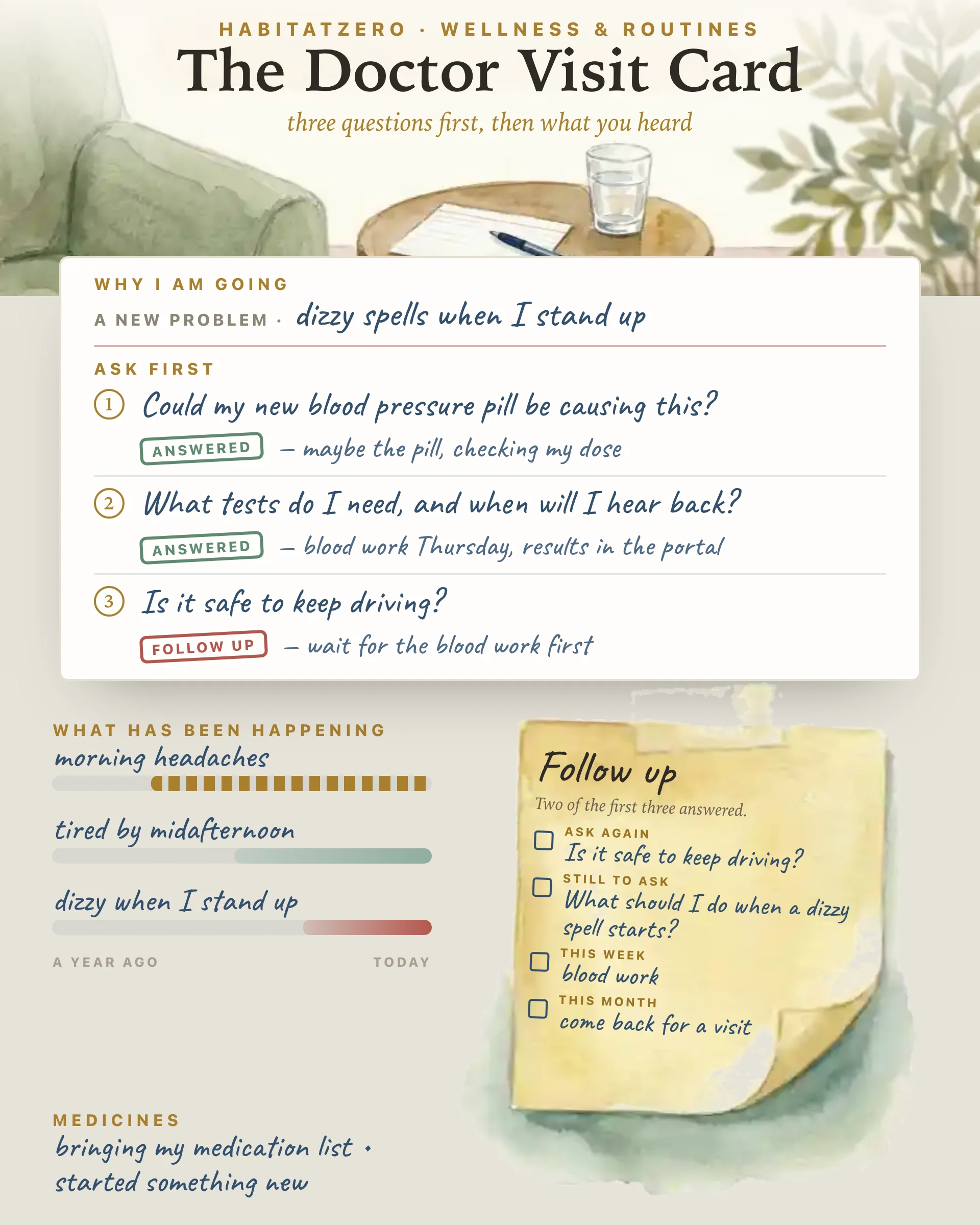
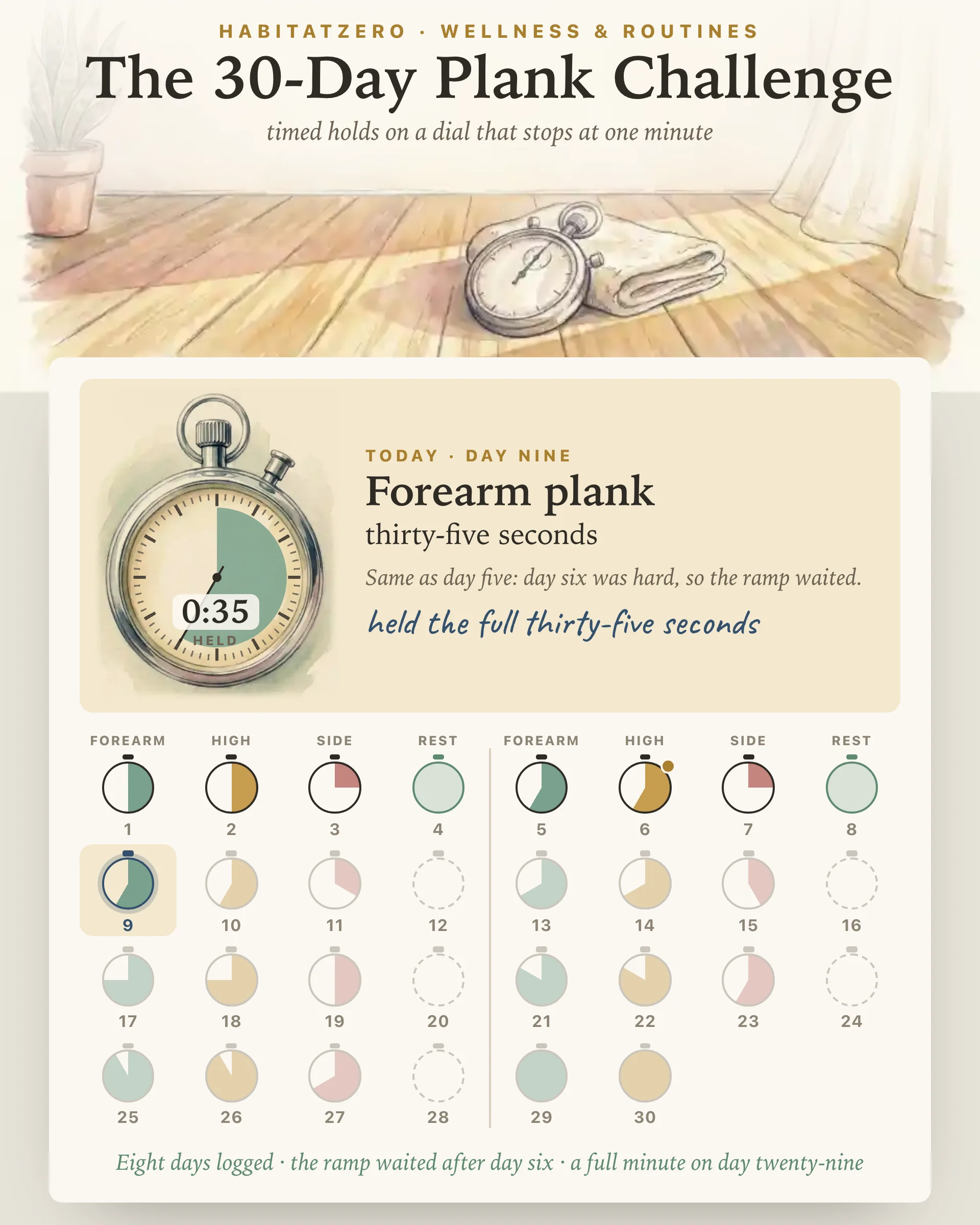
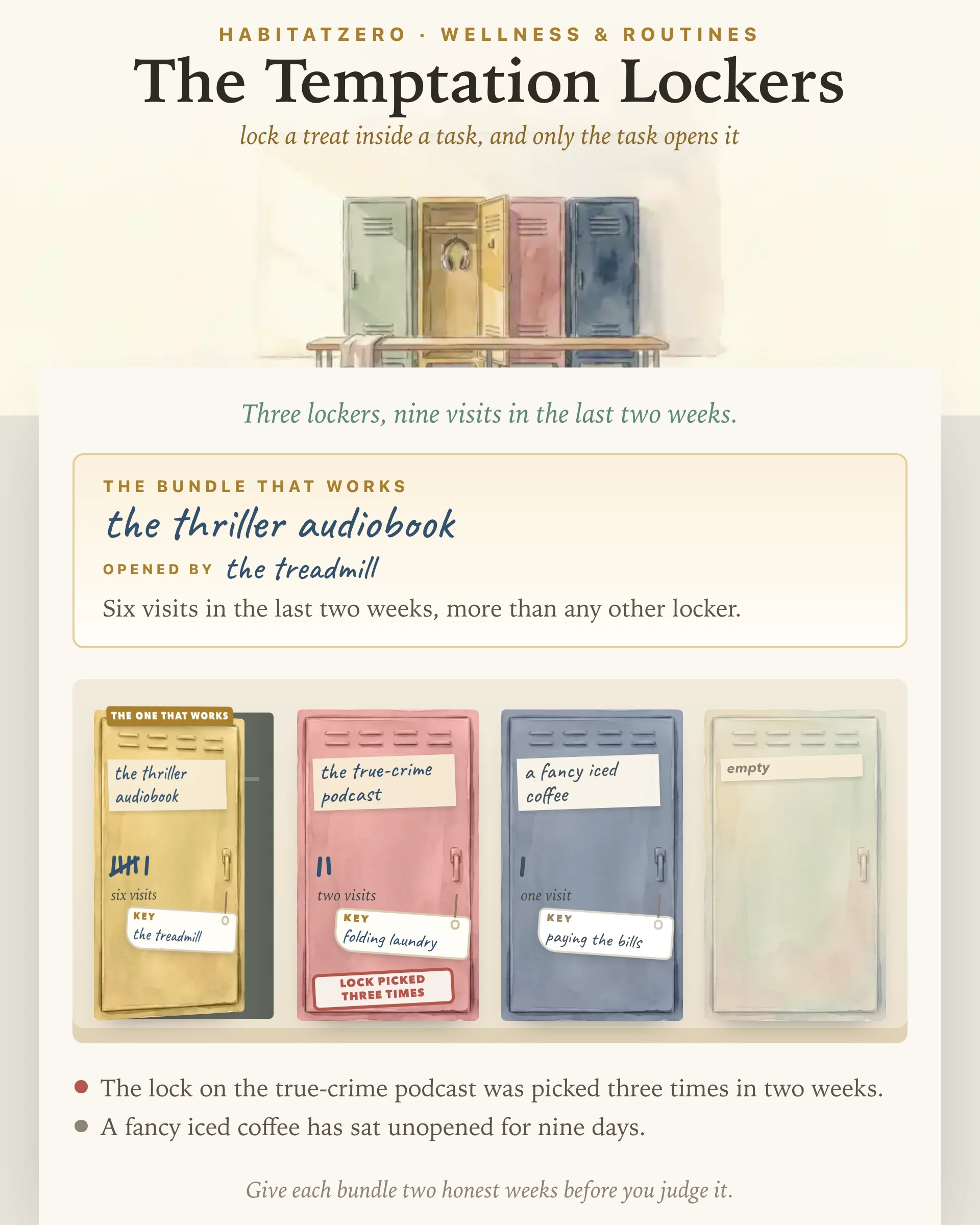
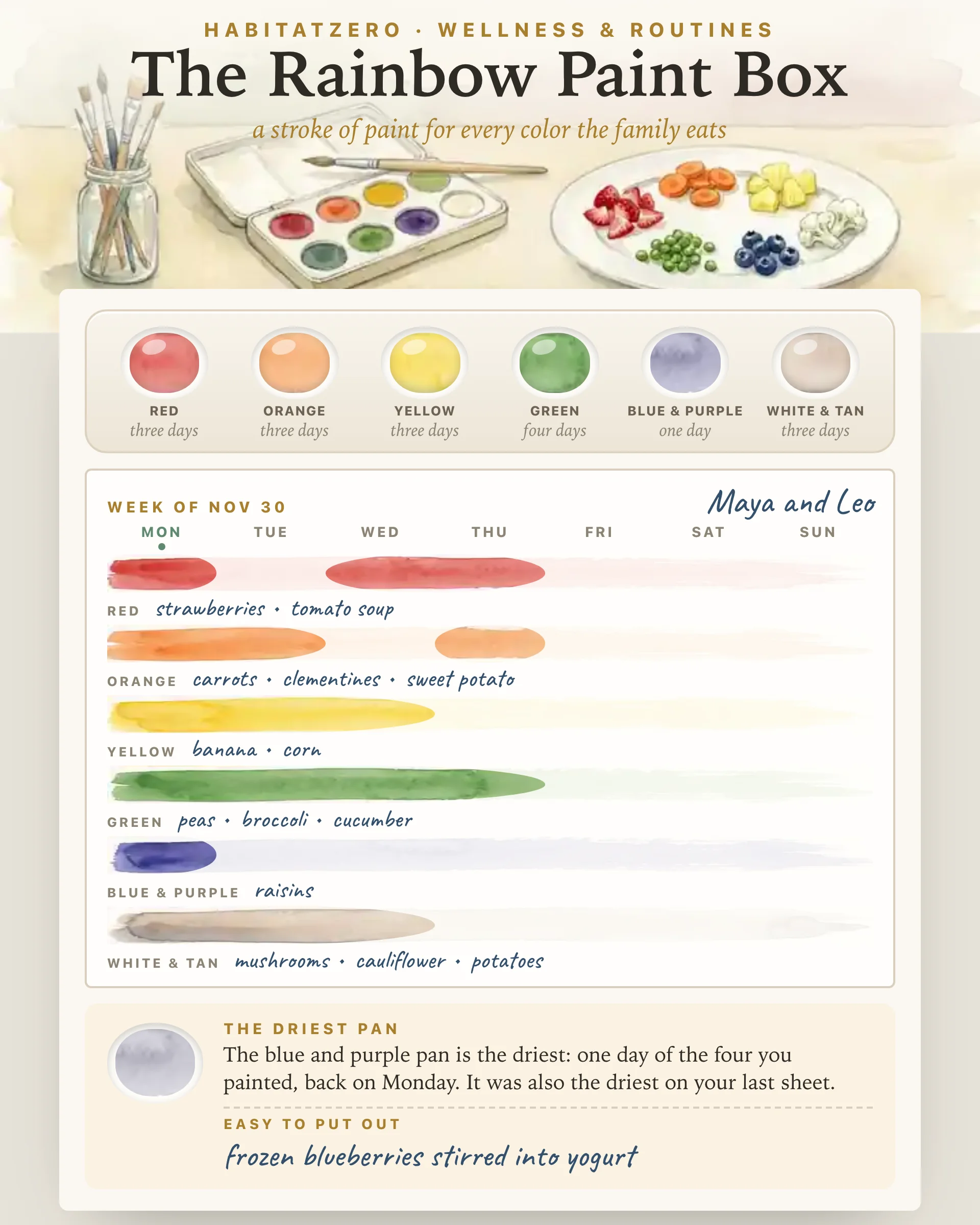
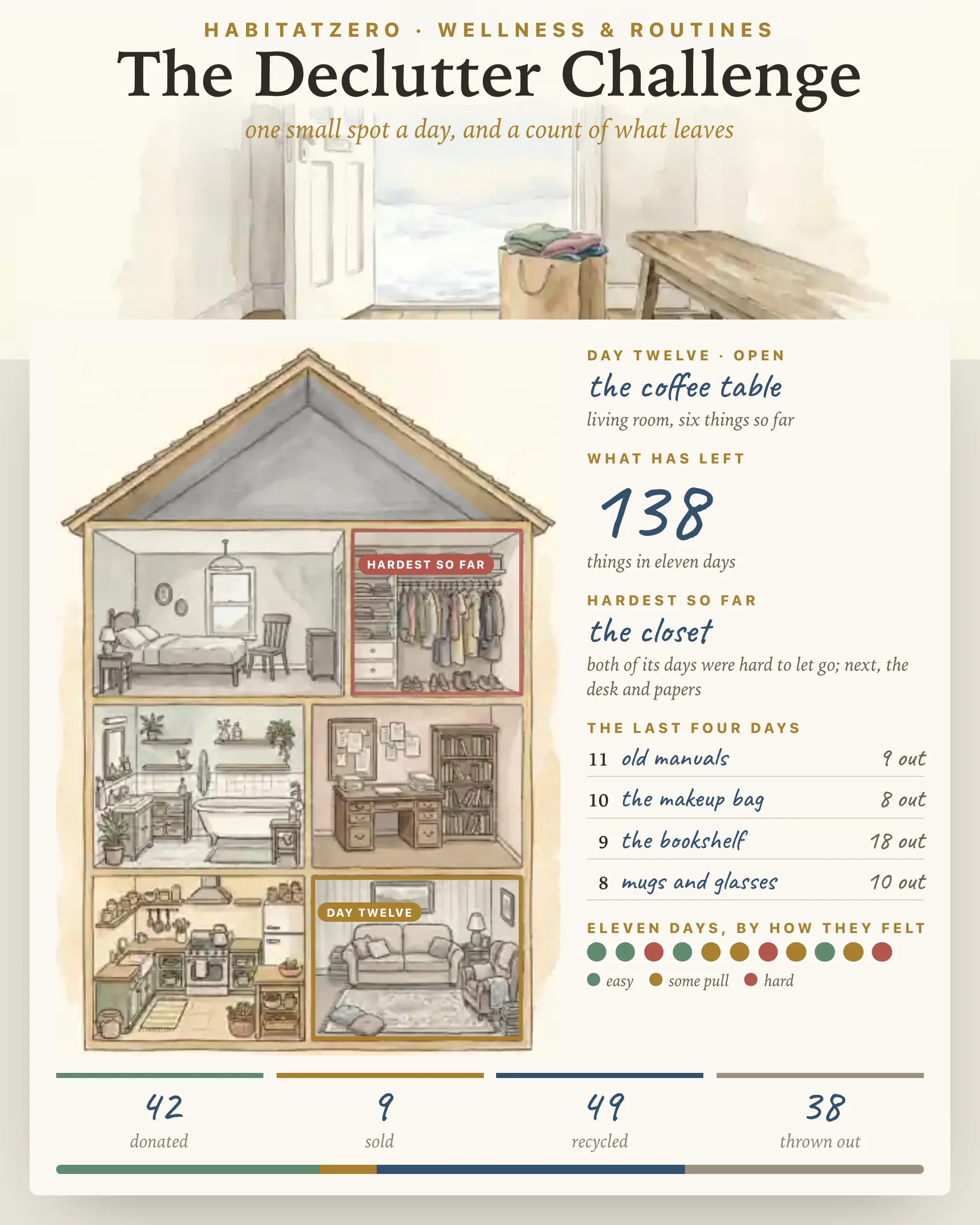
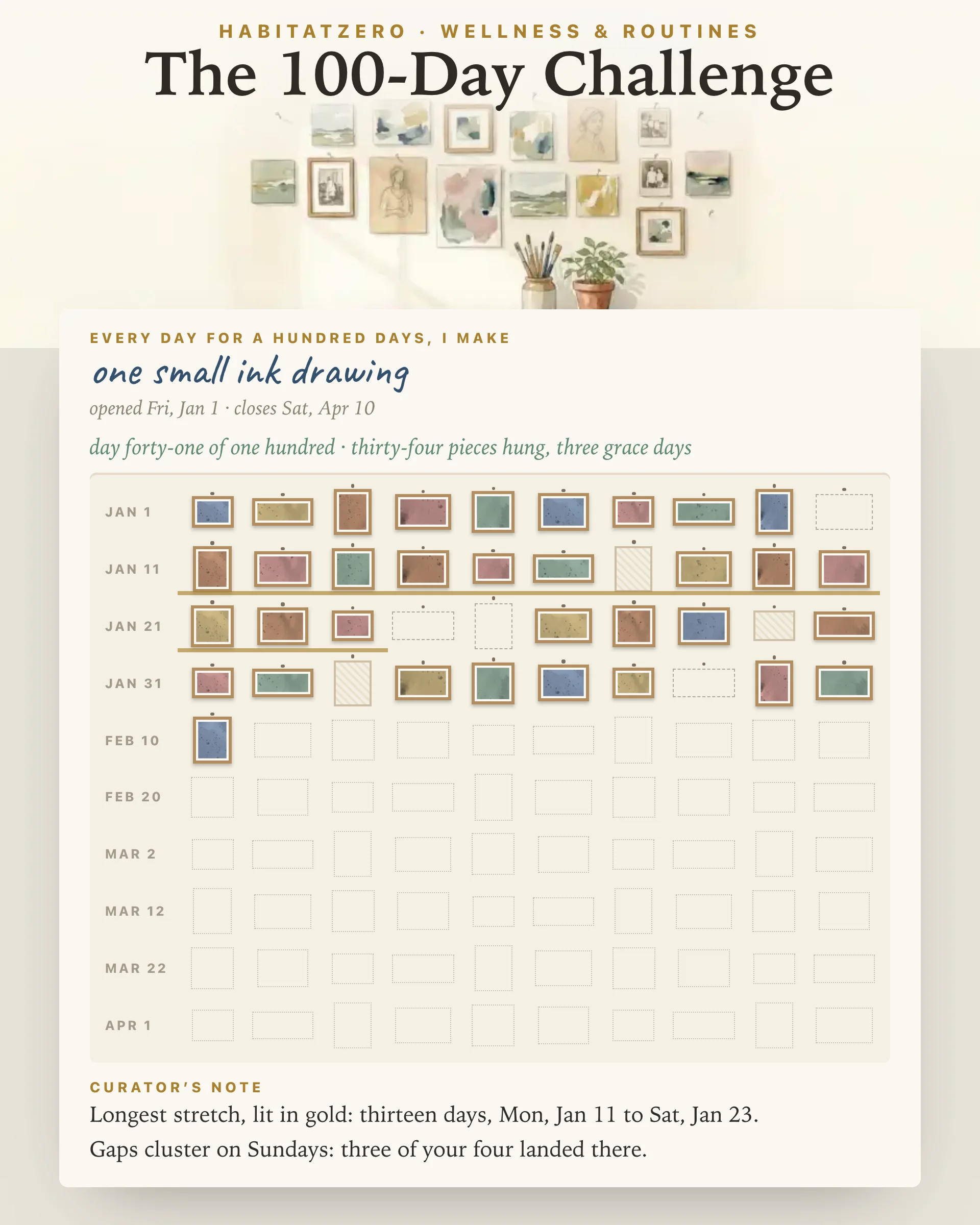
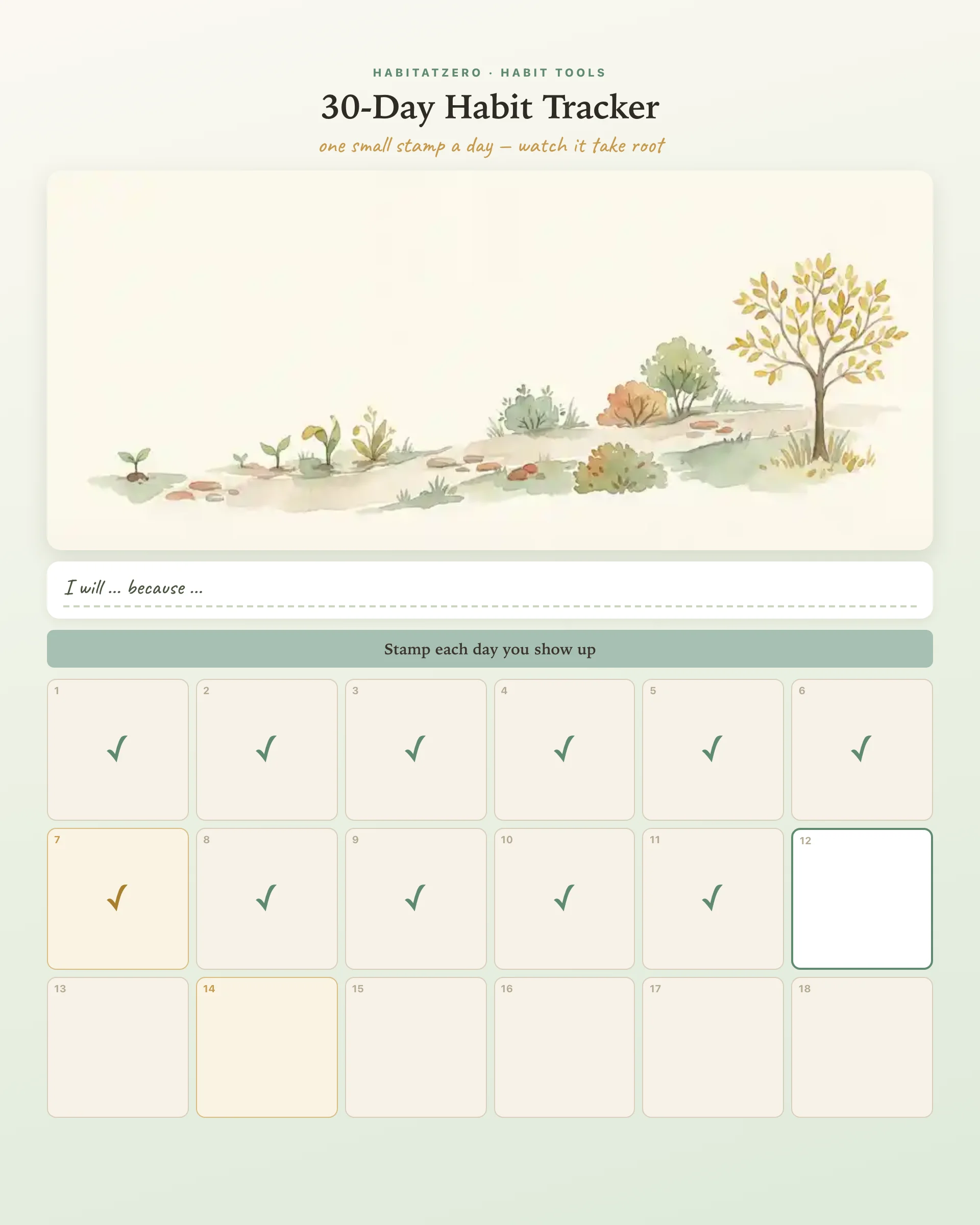
Free interactive habit tracker templates: a 30-day grid that grows as you stamp it, daily check-ins, and commitment tools. Try them in the browser.
Why these templates
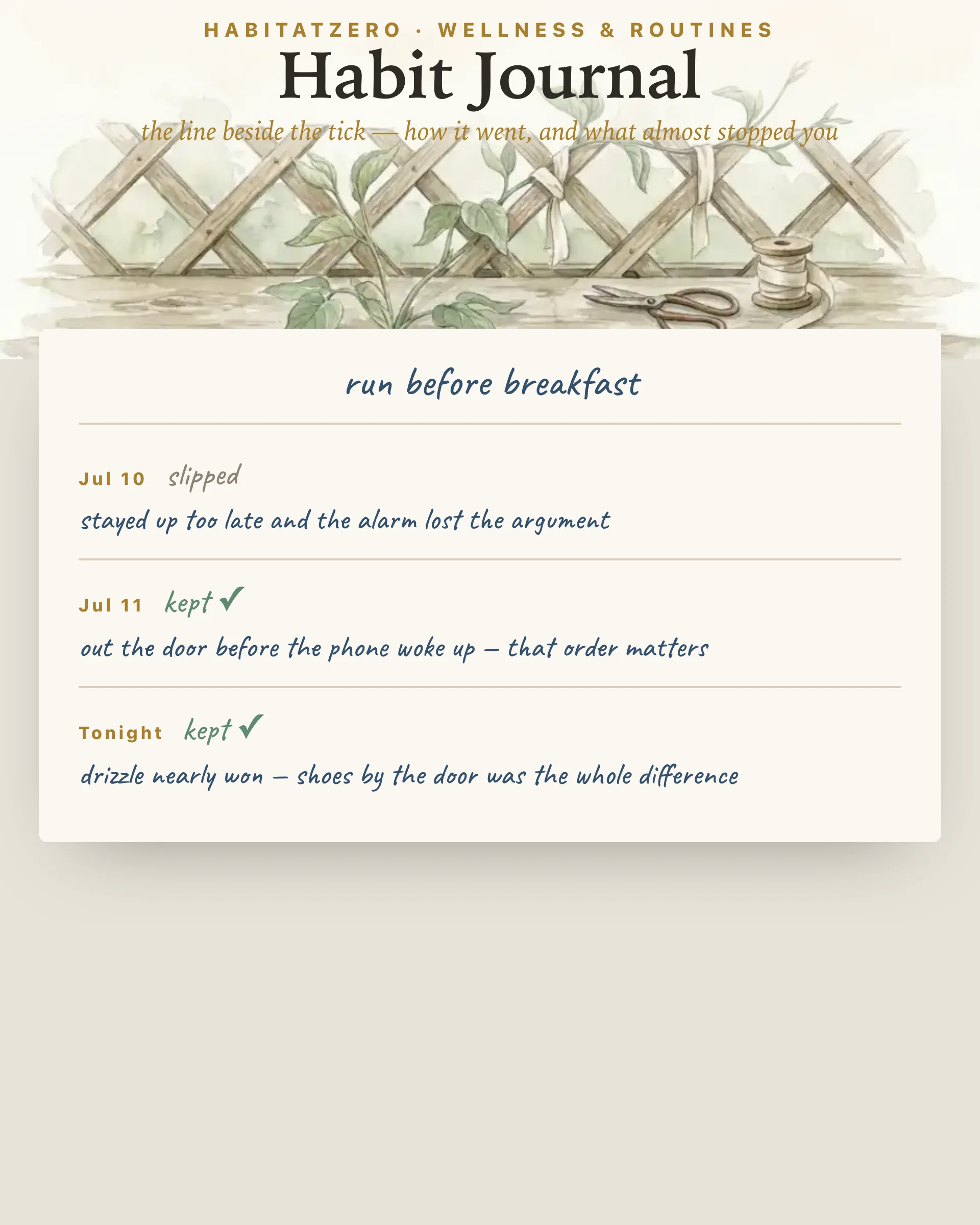
A habit tracker does one honest job: it turns "I'm trying to exercise more" into a row of visible days you can look at. That visibility is most of the magic — in the landmark habit-formation study, new habits took anywhere from 18 to 254 days to become automatic, and missing a single day made no measurable difference to whether the habit stuck. What mattered was showing up densely over time, which is exactly what a tracker makes visible.
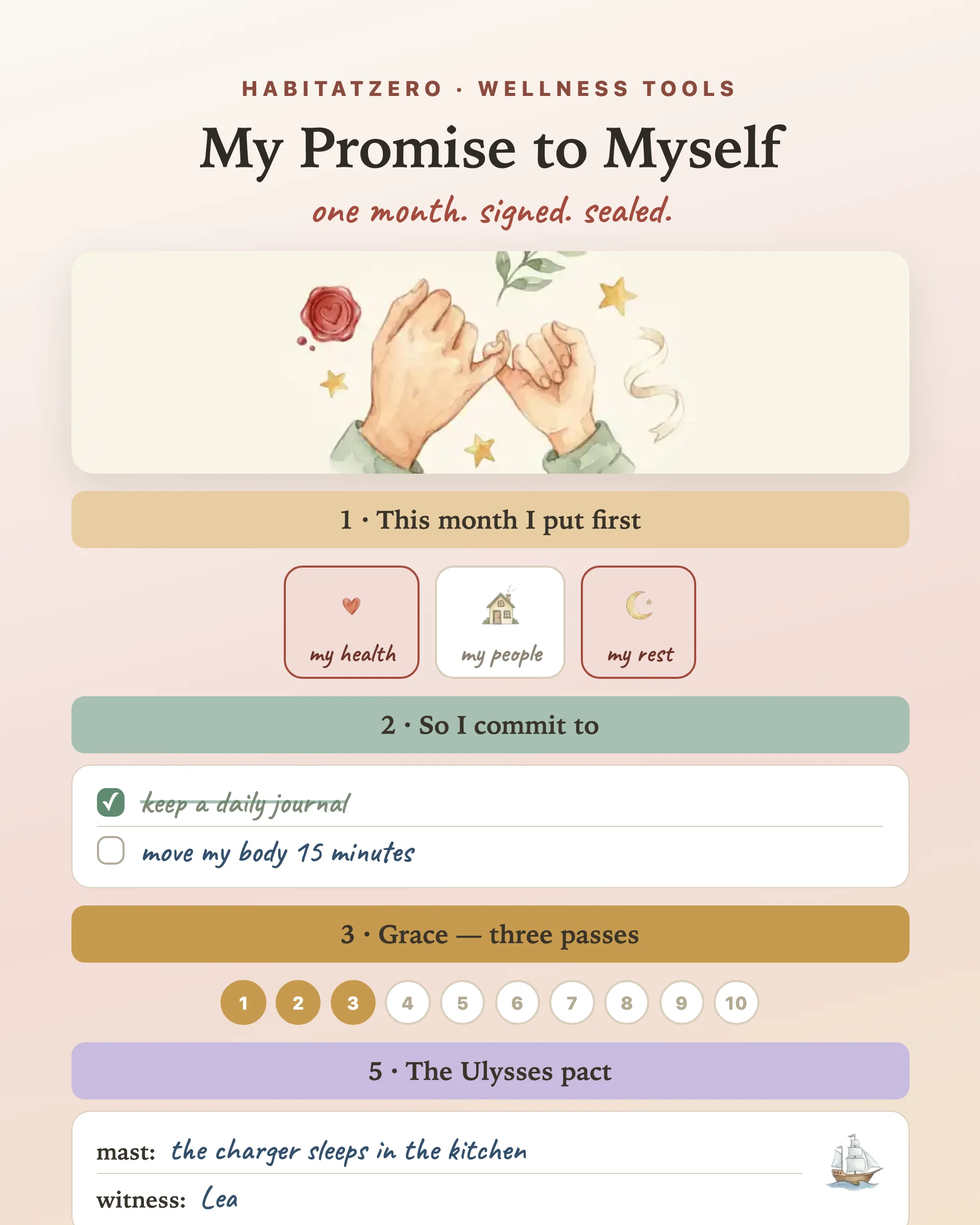
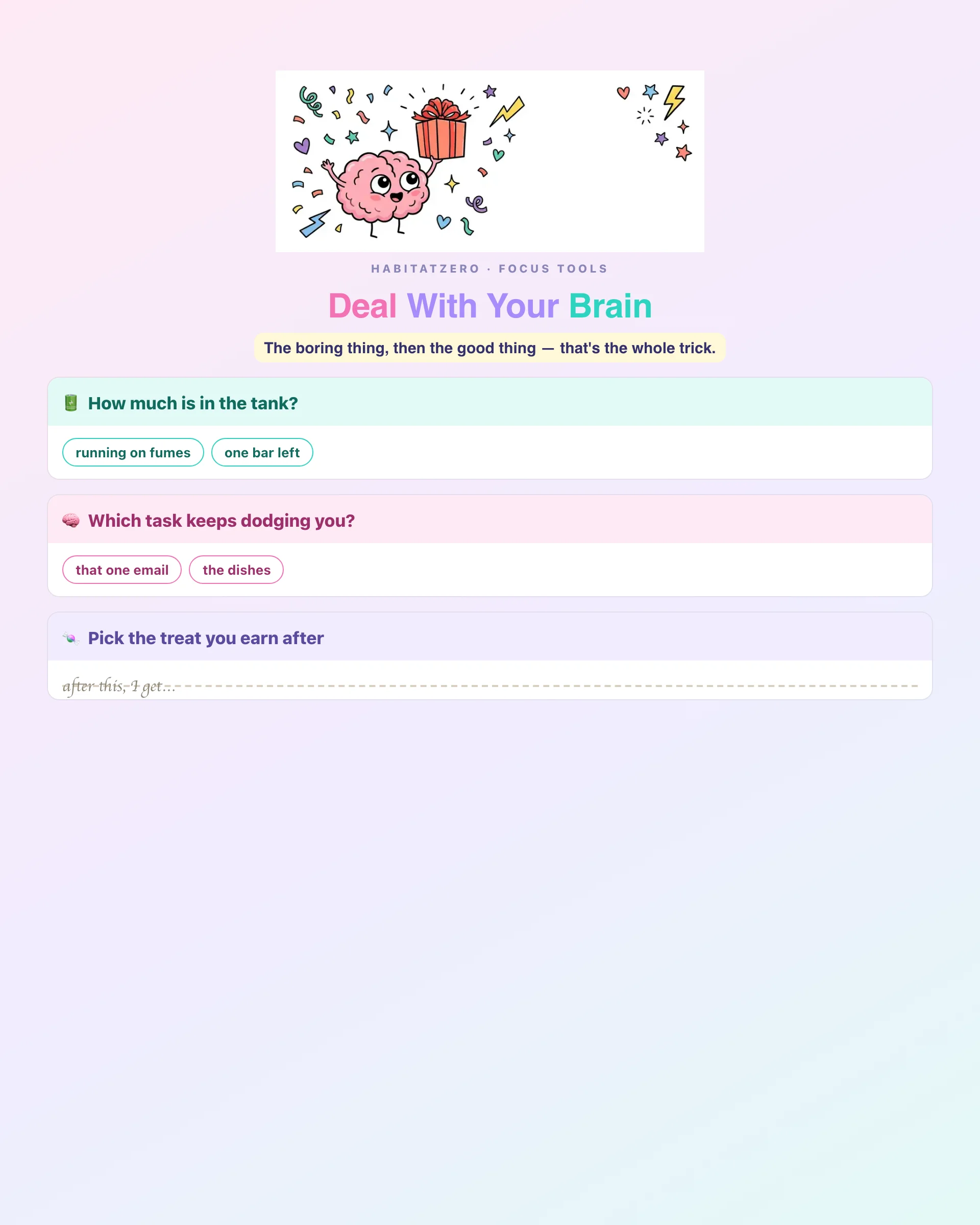
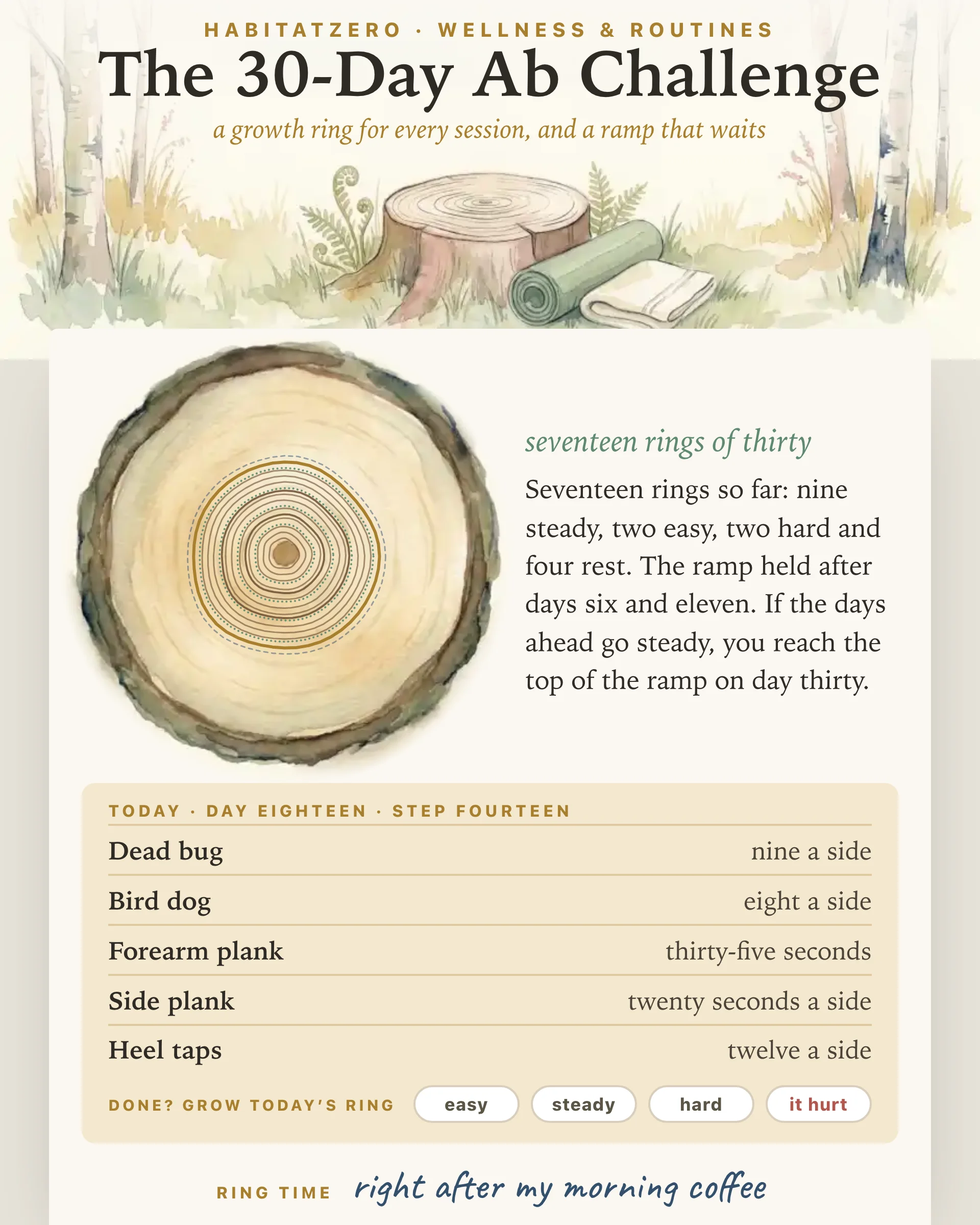
The trackers here are interactive rather than printable: they run in the browser, save your progress, and treat a missed day as part of the landscape instead of a broken streak. Start with the 30-day tracker if you want one habit made visible for a month; add the daily check-in if the habit you're building is really "noticing how the day went"; and if you keep abandoning trackers a week in, the self-contract is designed for exactly that failure mode.
Longer and more variably than the famous 21-day claim: the largest study to date found a median of 66 days, with a range from 18 to 254 days depending on the person and the habit. The practical takeaway is to track for at least a month and judge progress by density of days done, not by streaks.
No. In habit-formation research, missing a single opportunity made no measurable difference to whether the habit eventually formed. A tracker should make missed days visible without turning them into a verdict.
A printable is a sheet you fill by hand; an interactive tracker runs in the browser, saves your stamps, and can respond — growing a visual, keeping counts, and nudging gently. Every tracker here is free to try in the page itself.