Tai Chi Walking PlanWellness & Routines · ~3 min
Fabulous · Practices
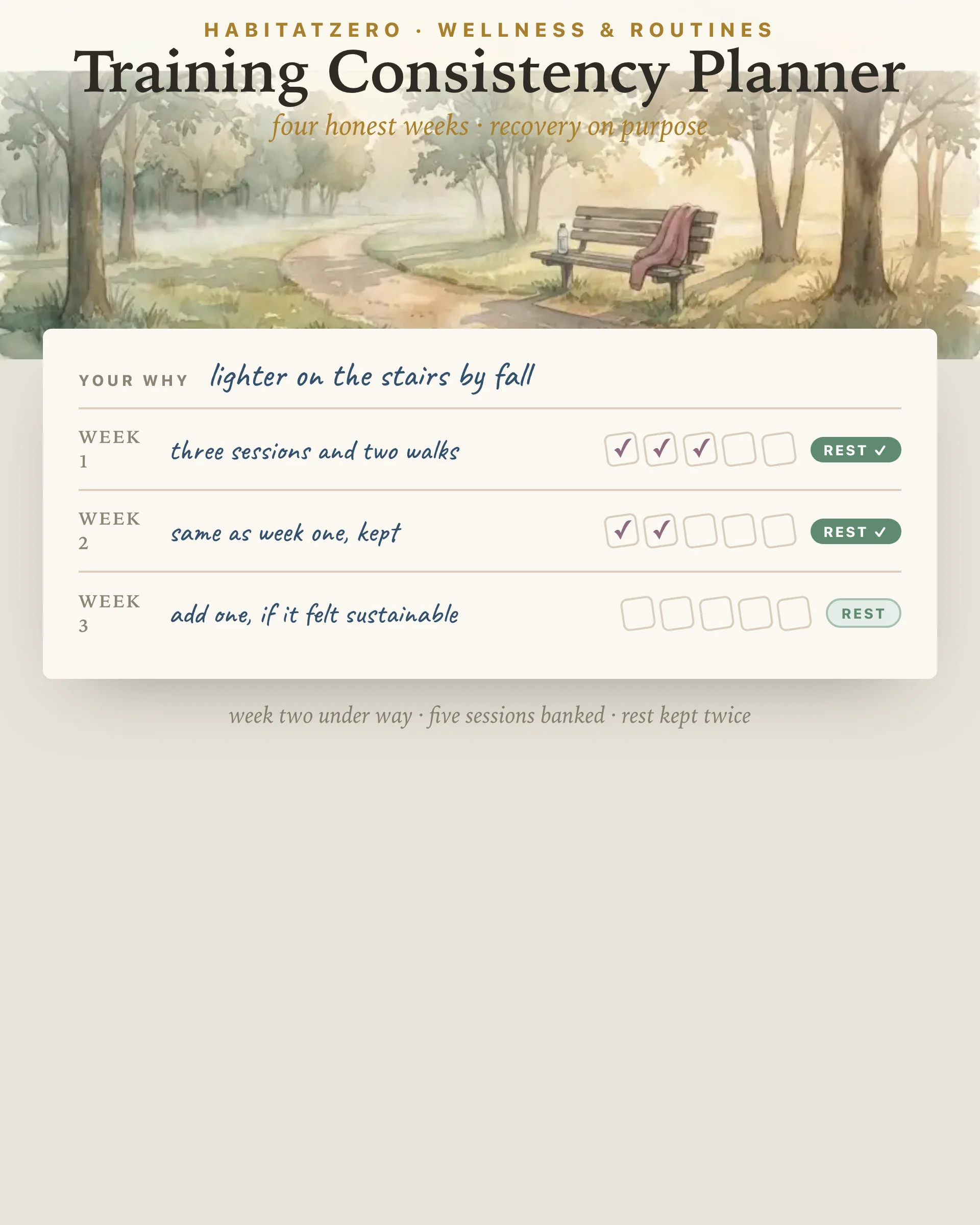
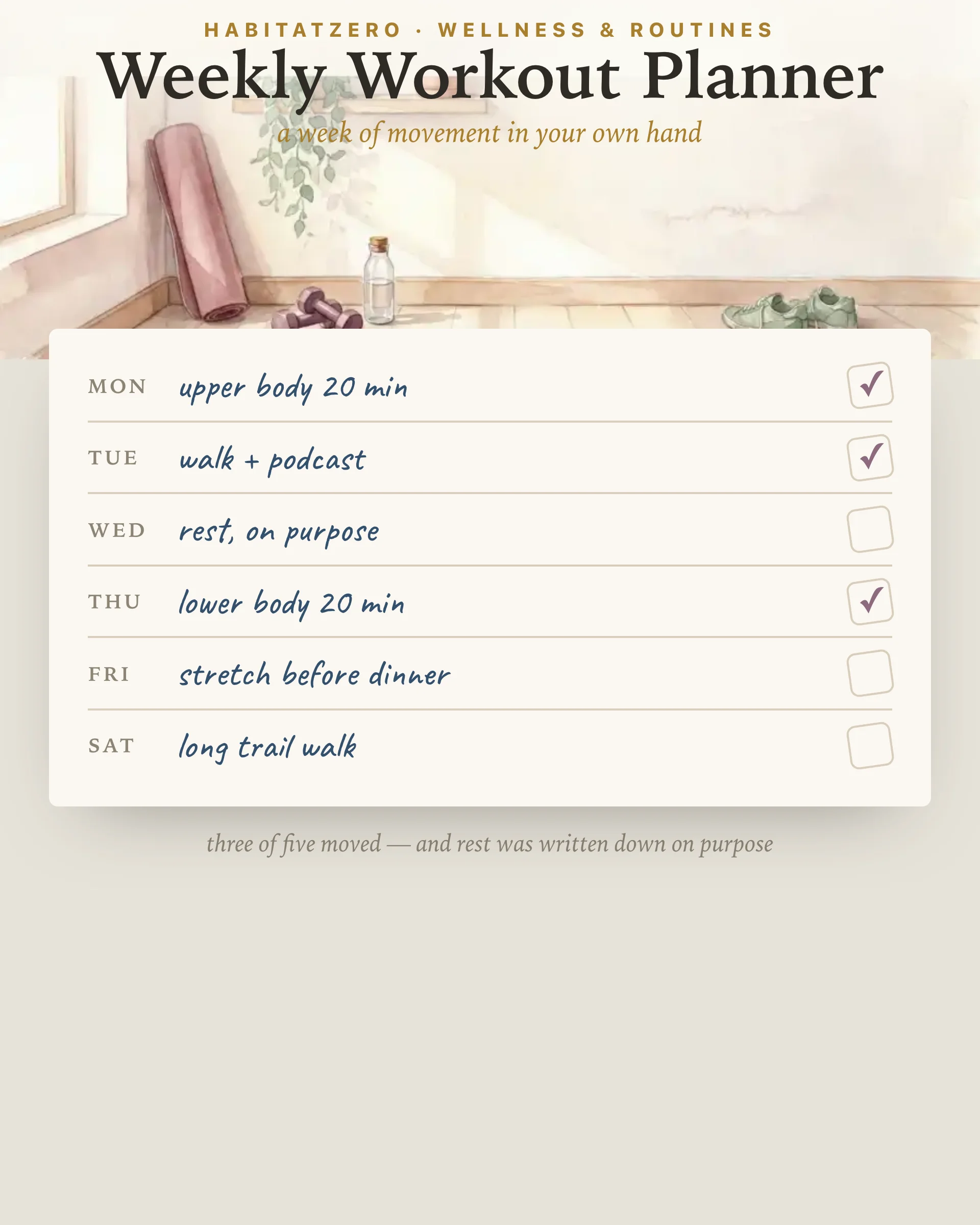
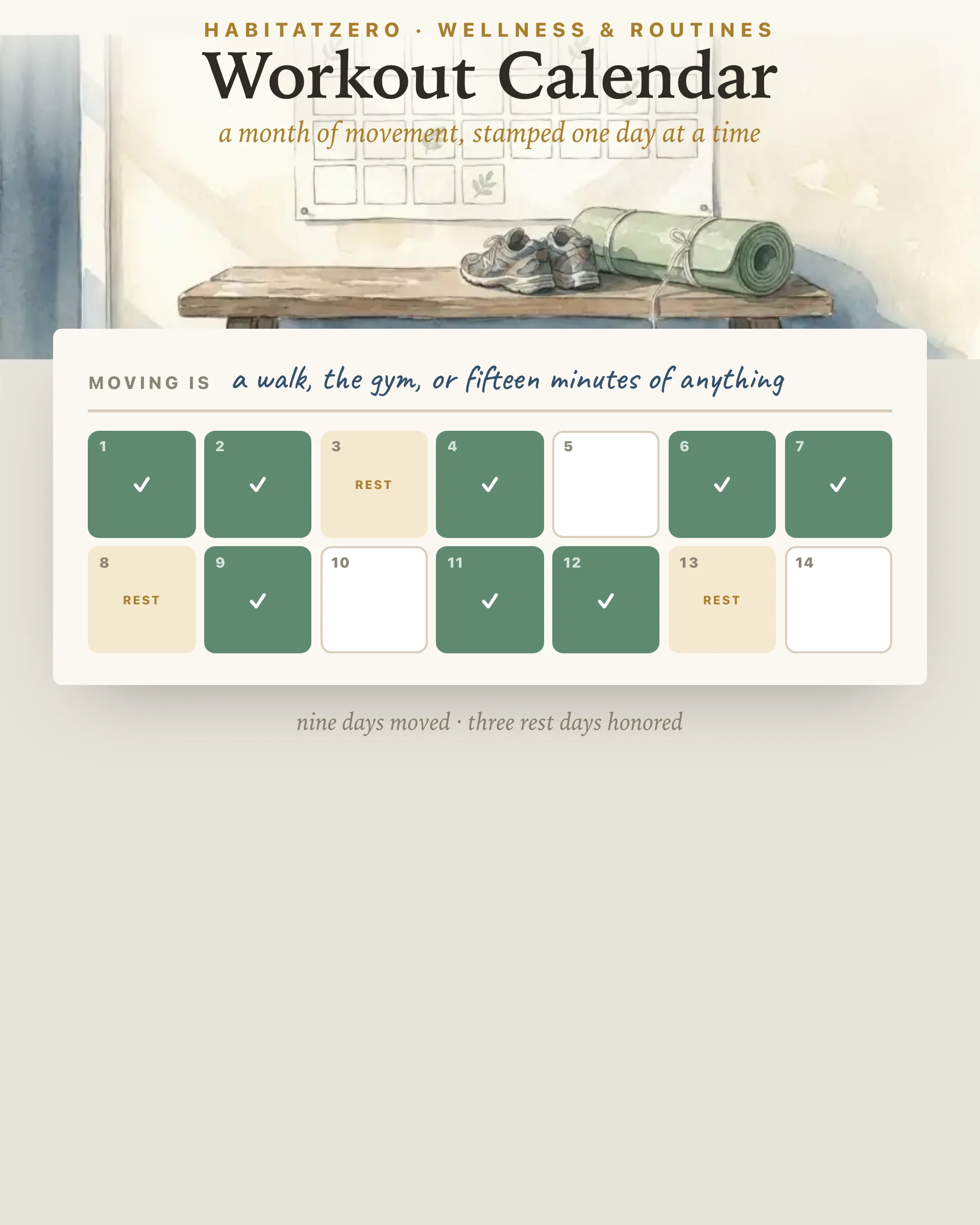
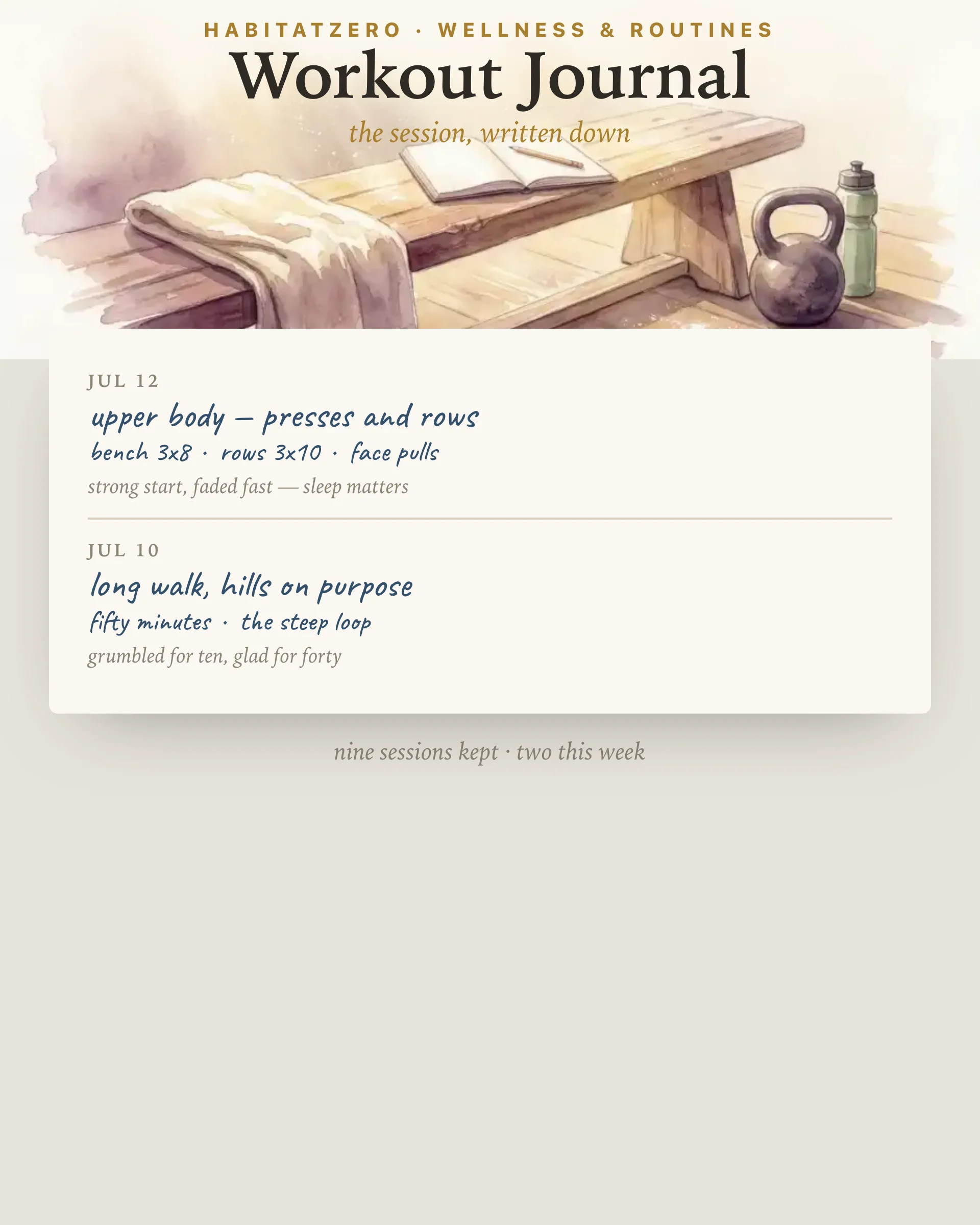
Free workout plans that start from where you are: chair exercises, tai chi, walking and strength, each with a tracker that counts your weeks.
Why these templates
Most free workout plans assume you already exercise. These start from where you are: in a chair, on a slow walk around the living room, or picking up a dumbbell for the first time in years. Each one is a working tracker rather than a PDF, so it lays out your weeks, counts your minutes and shows what you have done. The World Health Organization's physical activity guidance is a useful compass: any amount of activity beats none, adults do best with at least 150 minutes of moderate movement a week, and muscle strengthening benefits everyone. For people over 65, its 2020 guidelines add balance and strength work on three days a week. You do not need to reach those numbers in week one. Pick the plan below that matches your body and your week, start with the first small session, and let the tracker carry the rest. If you have had a fall, dizziness, recent surgery or a heart condition, talk to your doctor before you begin.
| You want to… | Start with |
|---|---|
| I want something slow and gentle that still counts | Tai Chi Walking Plan |
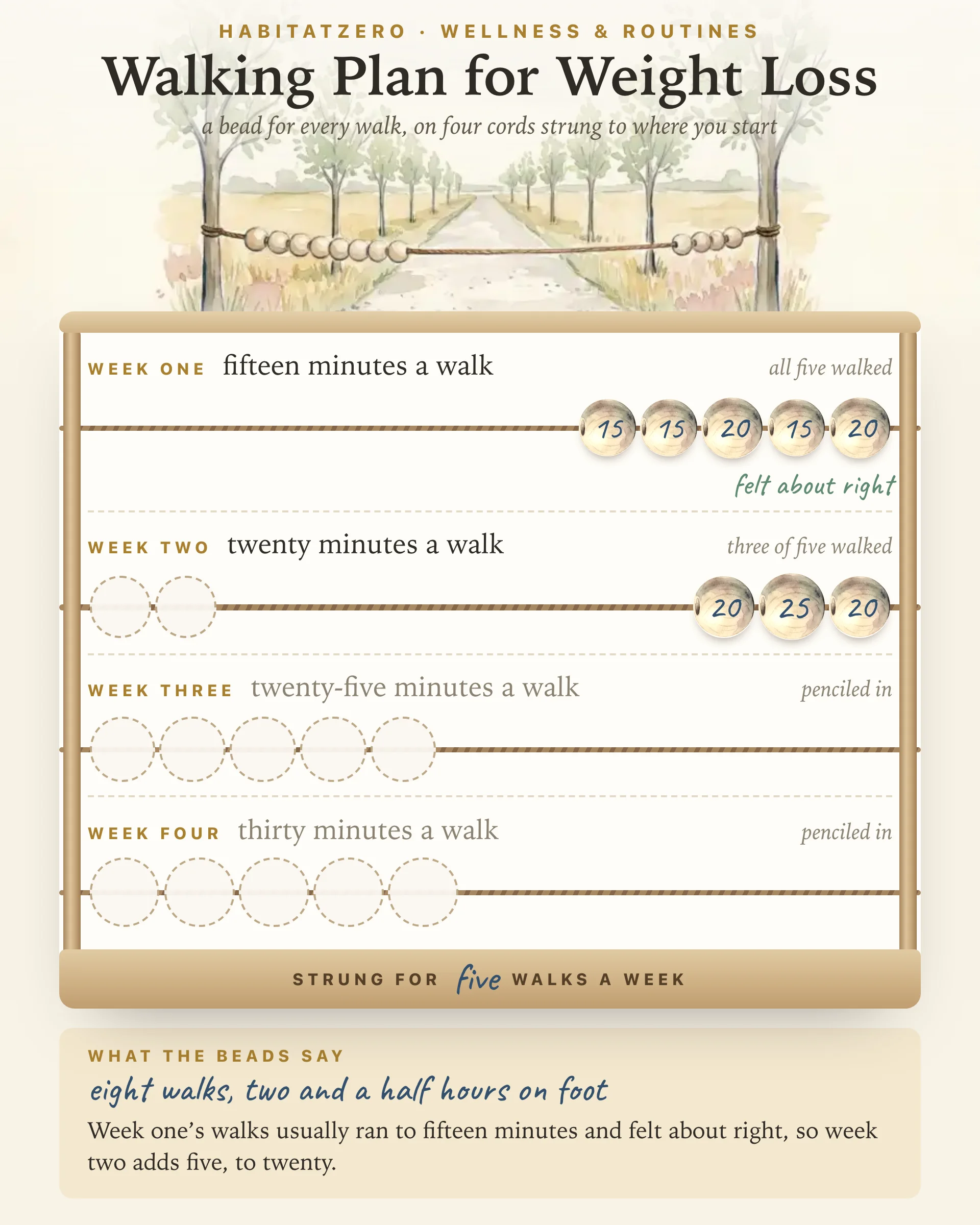
| I can walk and want a simple plan for losing weight | Walking Plan for Weight Loss |
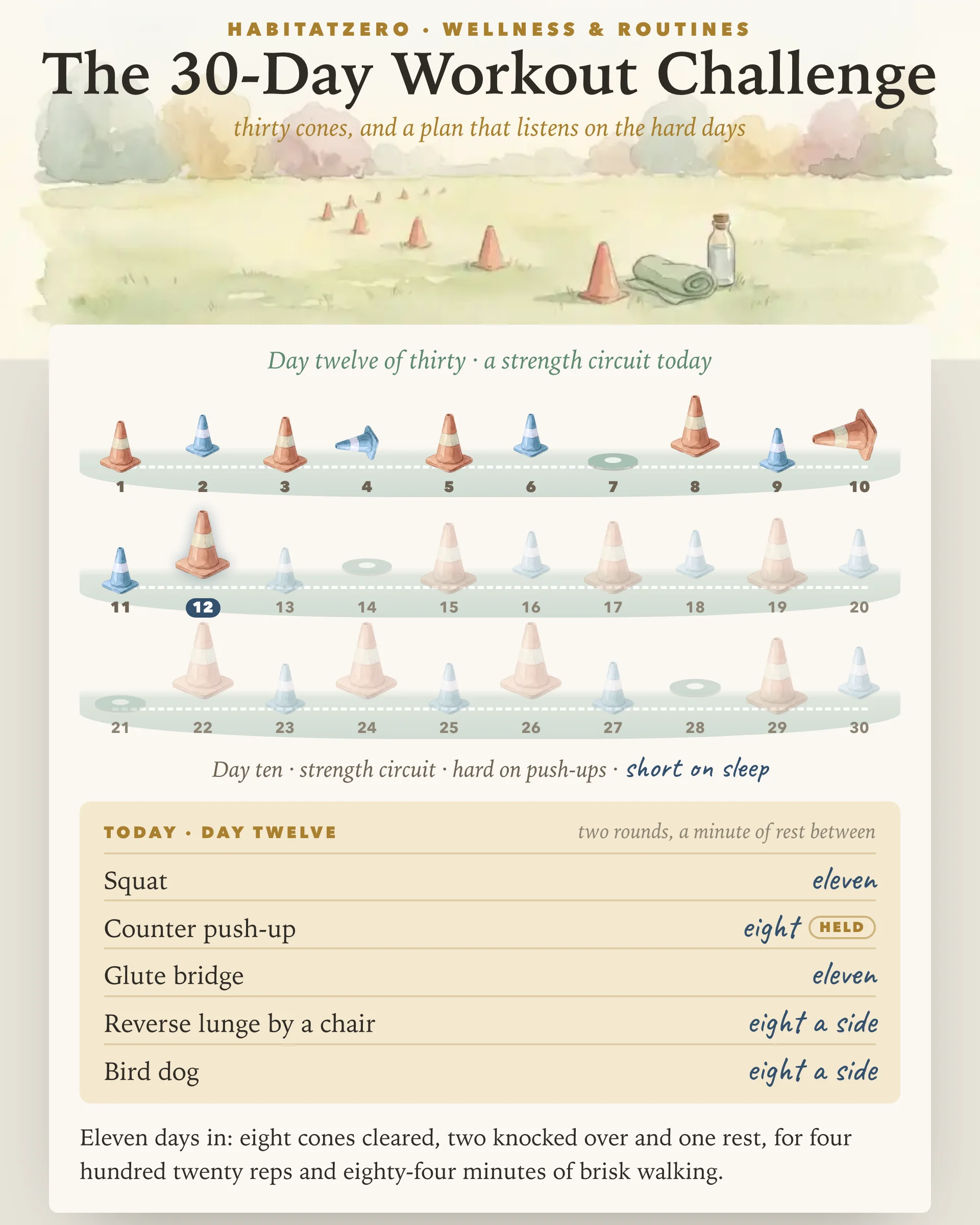
| I am new to all of this and want a month-long start | The 30-Day Workout Challenge |
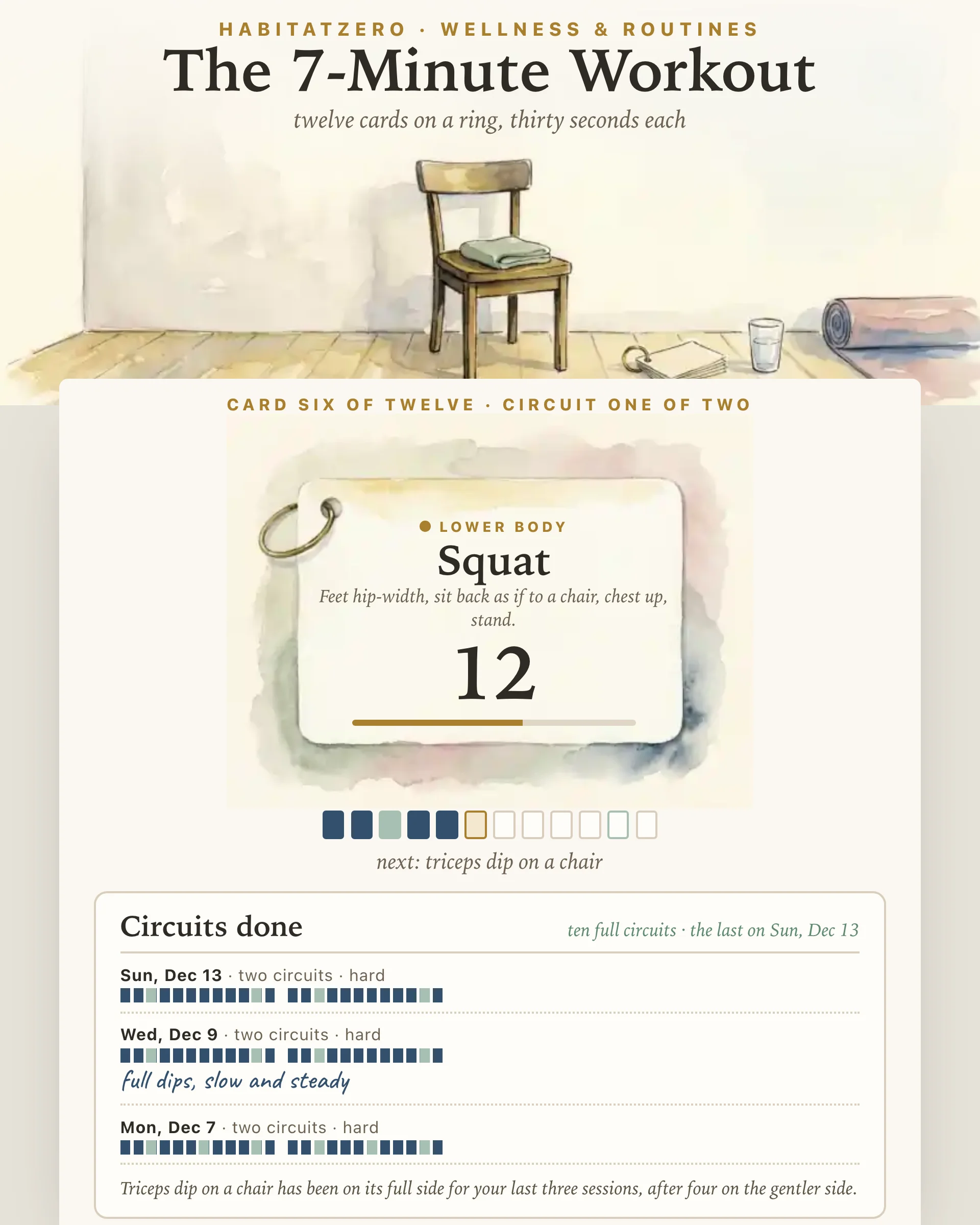
| I only have a few minutes at home | The 7-Minute Workout |
Start with the one you can picture doing tomorrow. If getting down to the floor is hard, stay seated with chair exercises or chair tai chi. If you walk comfortably, a walking plan is the easiest routine to keep. If you already move most days and want to get stronger, pick a strength plan. You can always switch later.
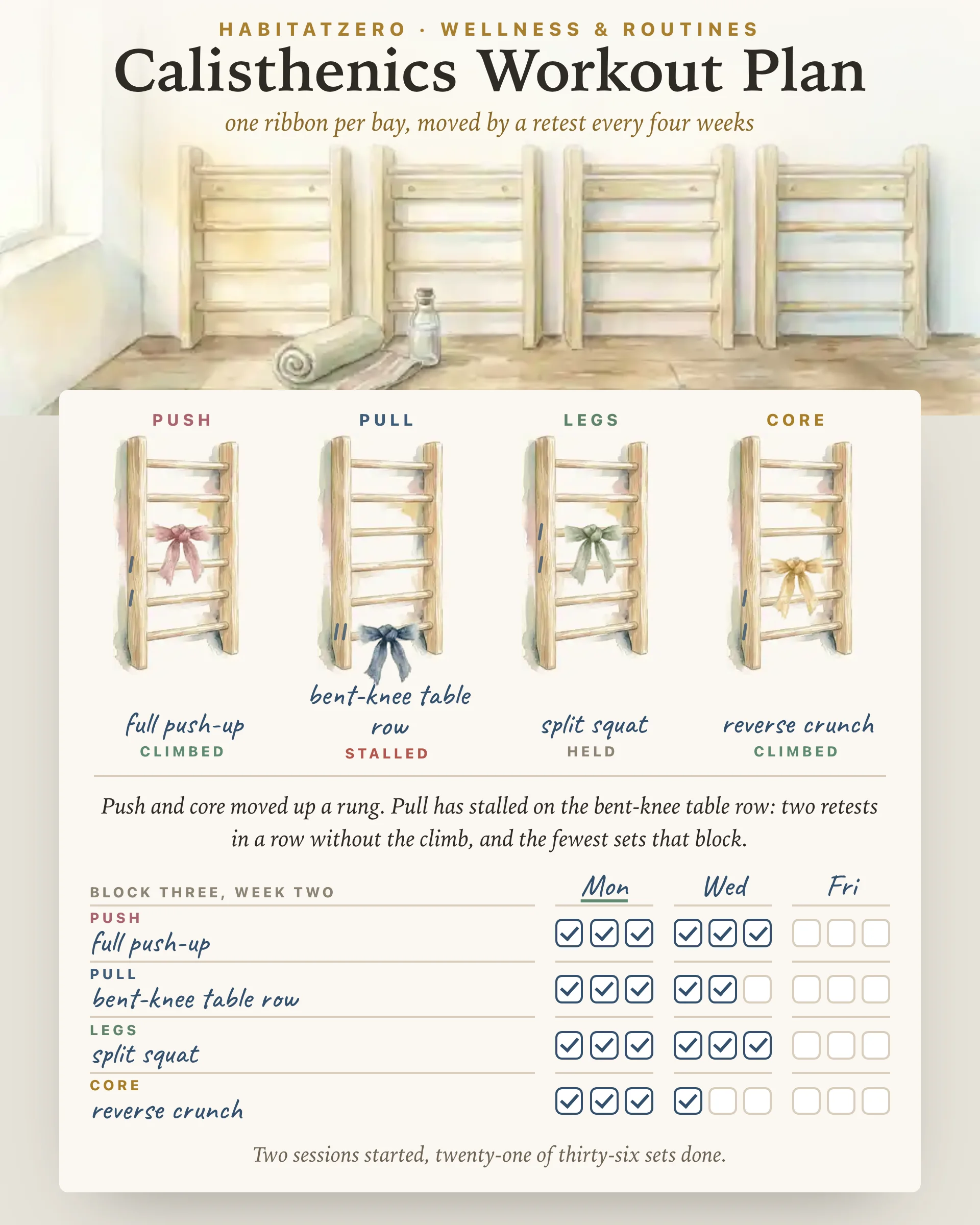
Most of them need nothing beyond a sturdy chair, a clear wall and comfortable shoes. The strength plans work with a pair of light dumbbells or a resistance band, and each page says what it asks for before you start.
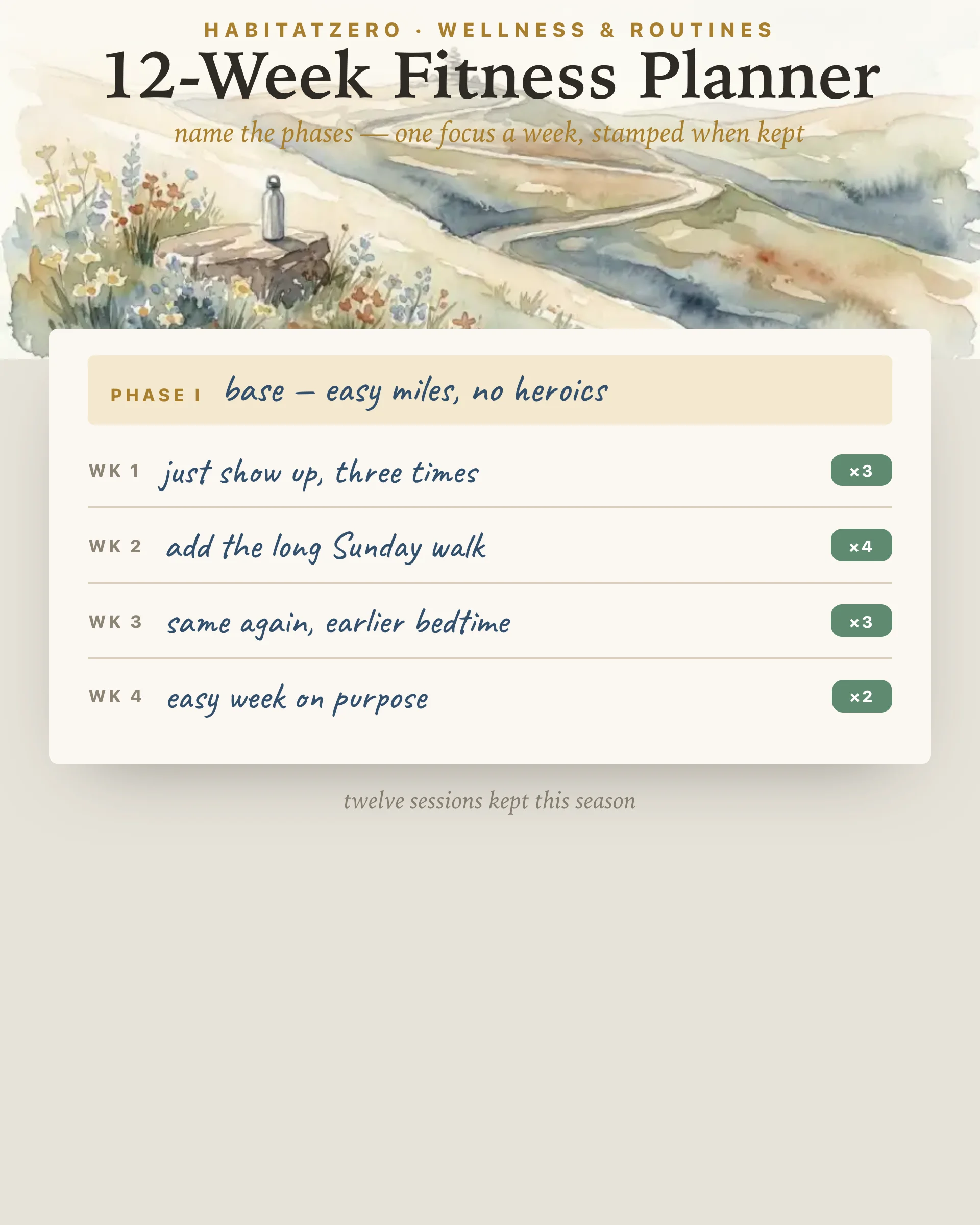
The guidance for adults works out to about thirty minutes on five days, but these plans begin lower on purpose, often five to fifteen minutes a day, because a small session you repeat beats a long one you skip. Rest days are built into the weeks.