Thought Record JournalEmotional Fitness · ~7 min
Fabulous · Practices
Free interactive CBT worksheets: a thought record, a reframing card, a thinking-trap quiz, a worry window and a cost-of-avoidance ledger. Fill them in on screen.
Why these templates
Cognitive behavioral therapy rests on a plain observation from Aaron Beck's work: what you feel follows from what you tell yourself about a situation, and what you tell yourself can be checked. The Beck Institute describes the method as learning to identify, evaluate and respond to your own thinking, and it is among the most tested approaches in psychology: a review of 269 meta-analyses found the support strongest for anxiety, stress and anger problems.
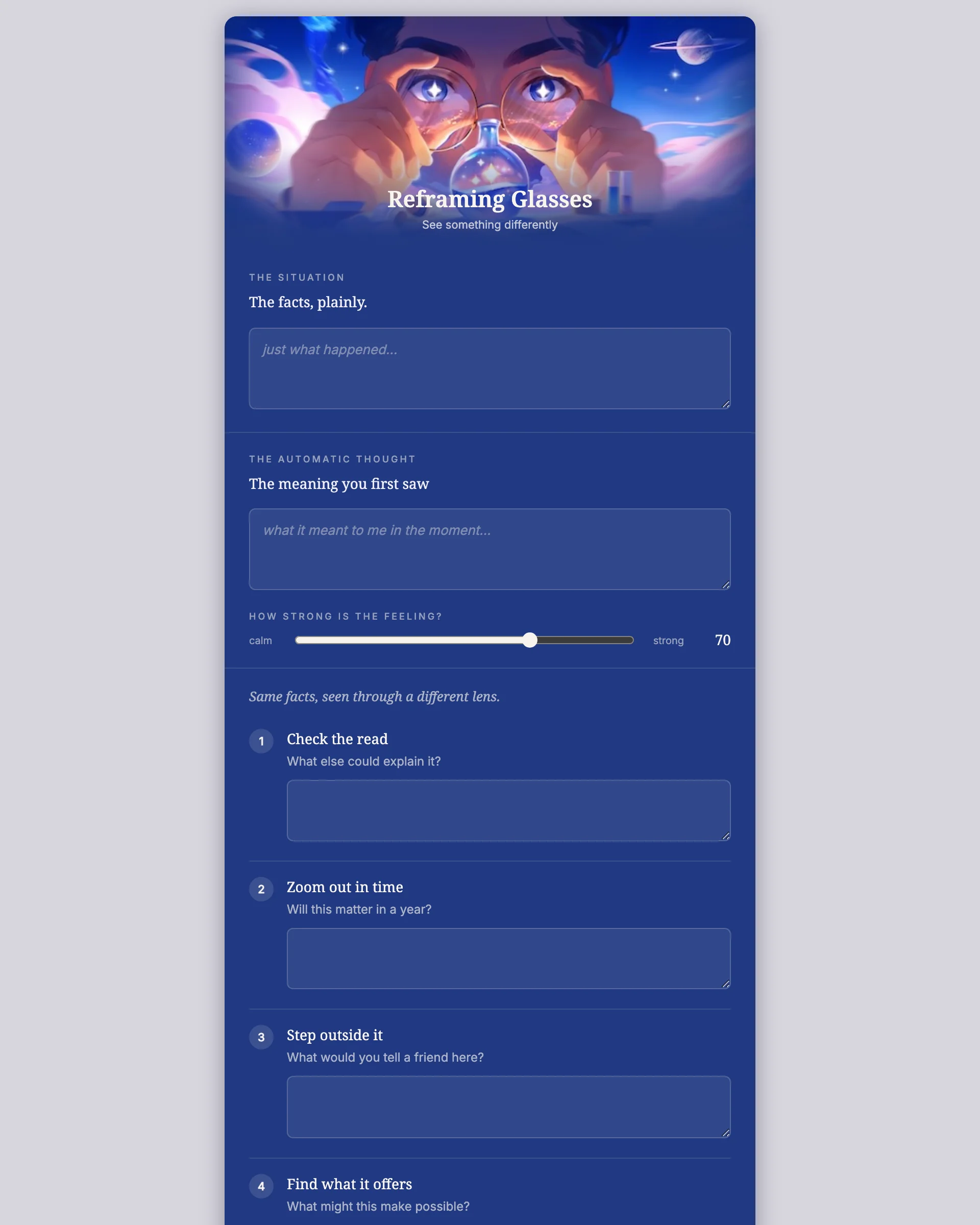
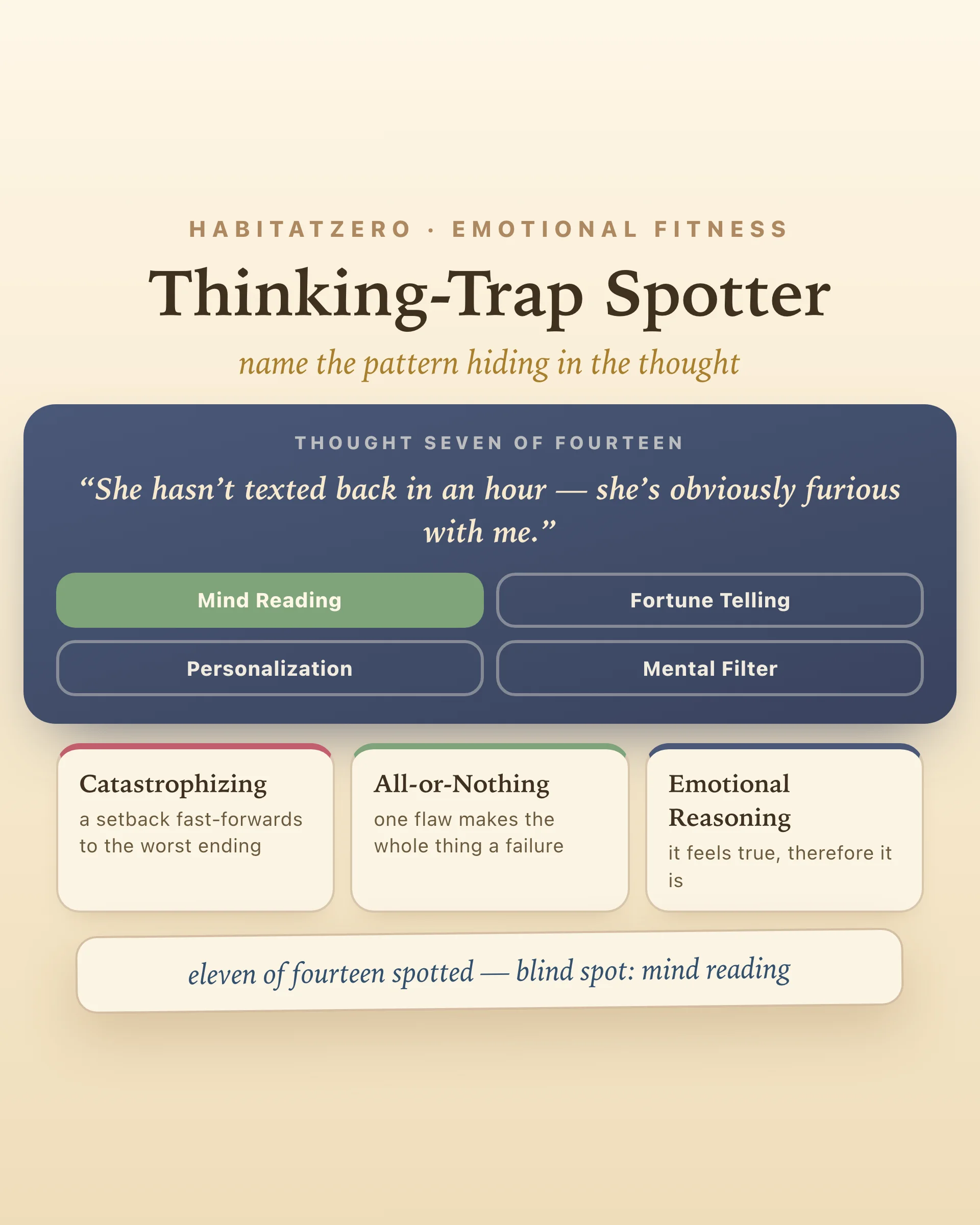
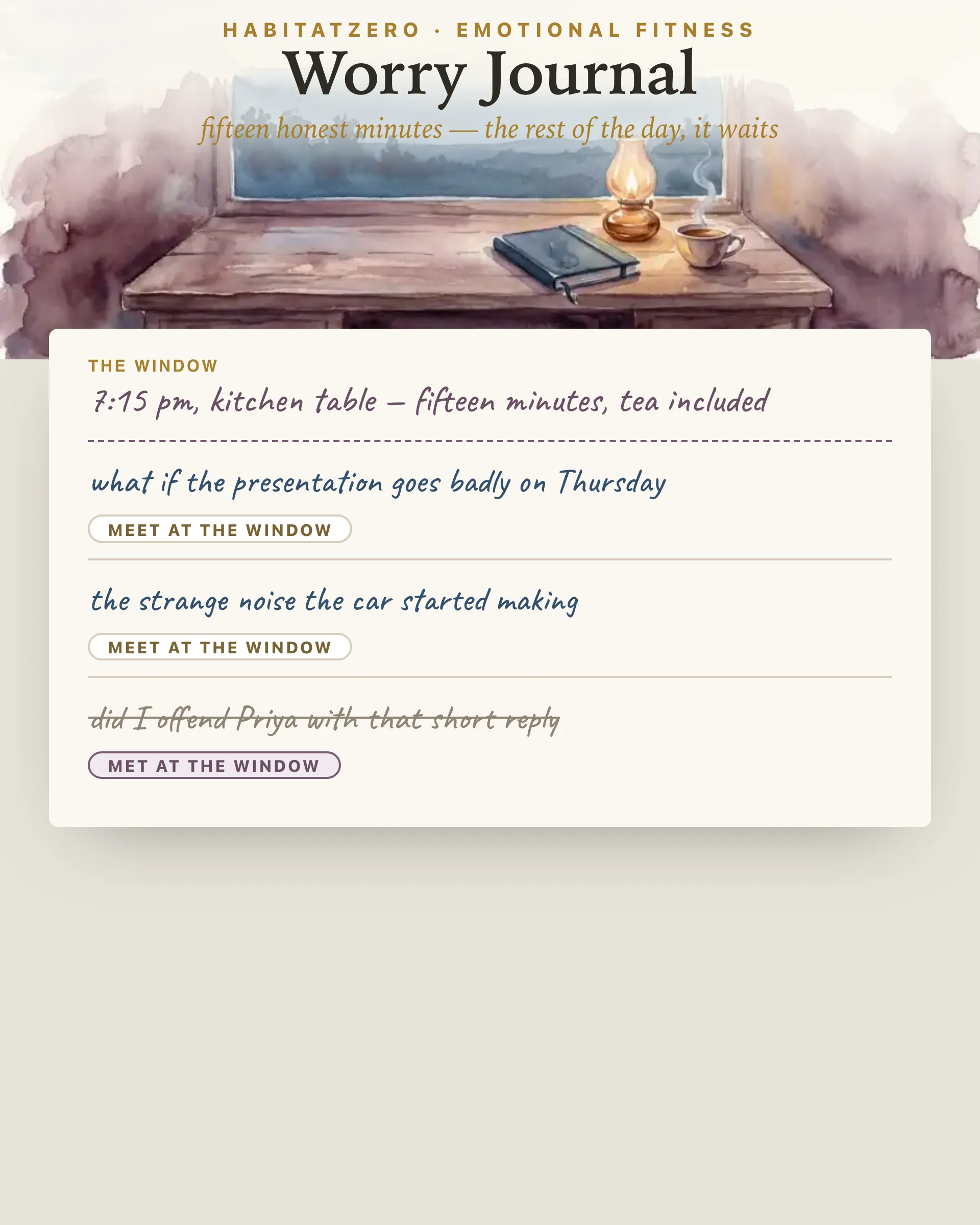
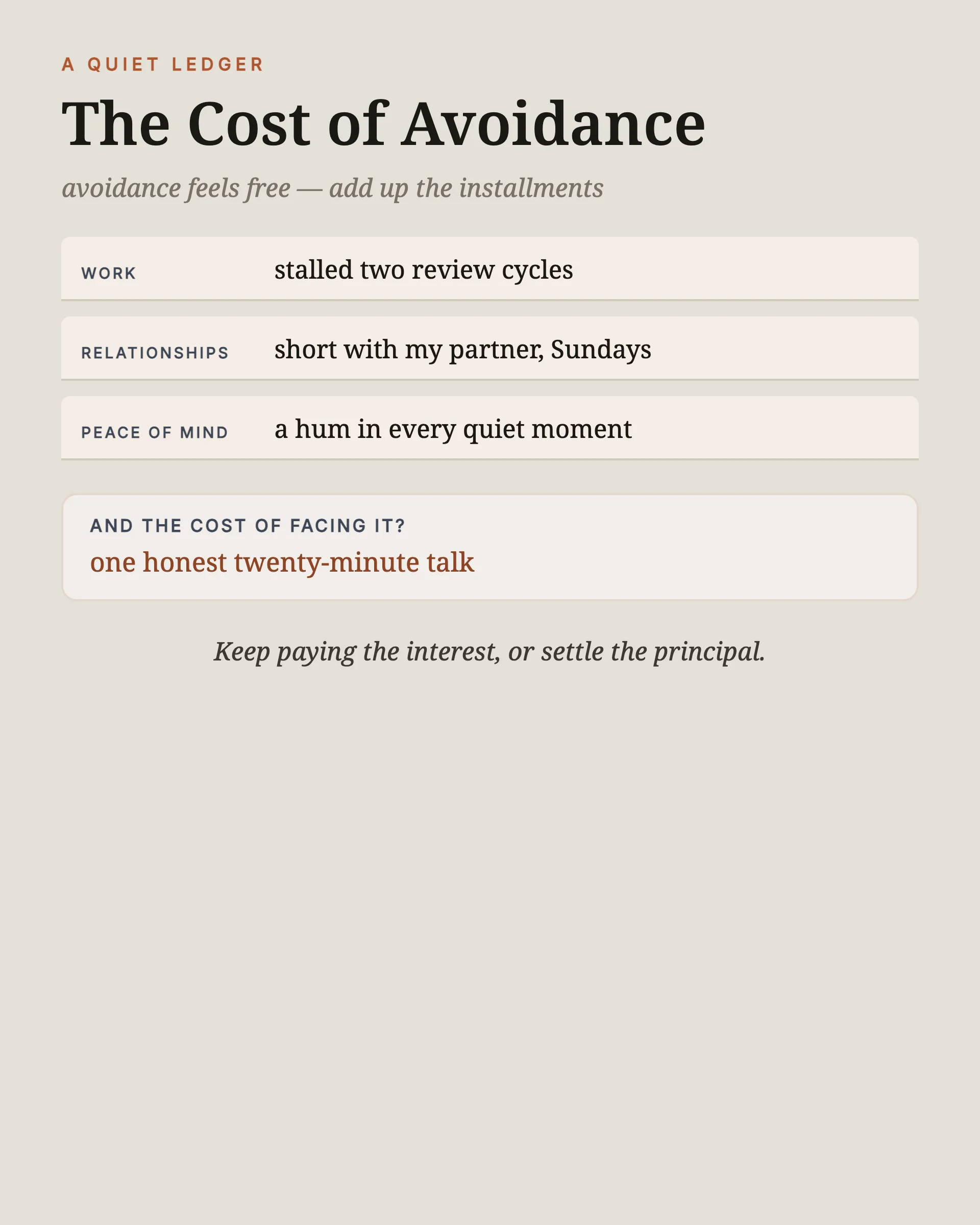
The worksheet is CBT's native tool, because the method is a procedure and procedures like paper. What paper cannot do is walk you through the procedure at the moment a thought has just landed. The five tools here do. One takes the loud thought through evidence for and against until a balanced line is left standing. One is a single reframe card with a before-and-after rating. One trains your eye on the ten classic thinking traps until you catch your own favorite. One gives worry an appointment so it stops taking the whole day. One adds up what avoiding something is costing you. Used alone they are solid self-help. Used between sessions they are the homework a CBT therapist would set.
| You want to… | Start with |
|---|---|
| A thought just hit hard and I want to test it properly | Thought Record Journal |
| I want a quick reframe for one moment | Reframing Glasses |
| I want to learn which thinking traps I fall into | Thinking-Trap Spotter |
| Worry is taking over my whole day | Worry Journal |
| I keep avoiding something and want to see the cost | The Cost of Avoidance |
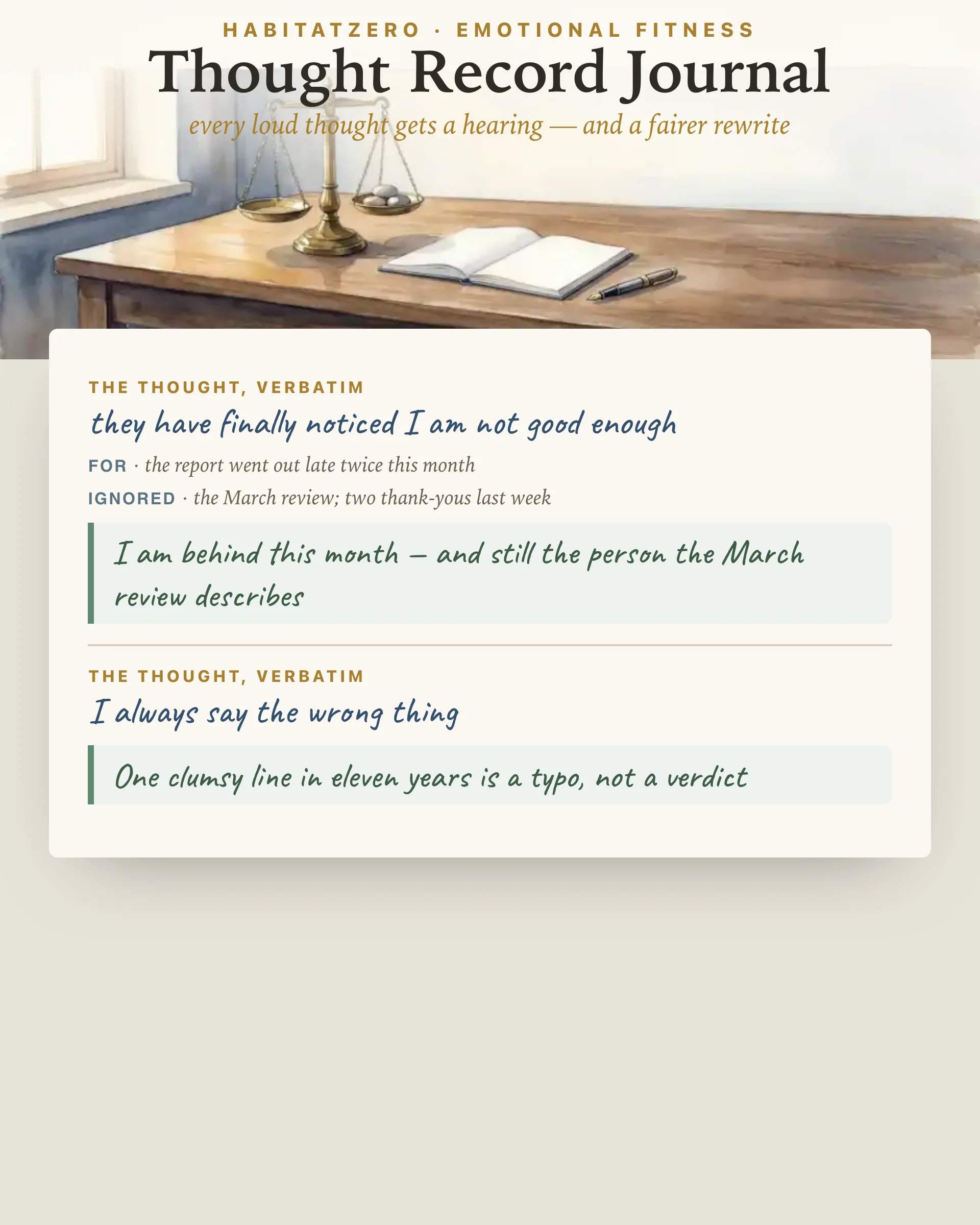
A step-by-step form for one CBT technique, most often the thought record: the situation, the automatic thought, the feeling and its strength, the evidence on each side, and a more balanced thought. Filling it in slows the thought down enough to examine it.
If a specific thought is bothering you right now, use the Thought Record Journal or the quicker Reframing Glasses card. If you are not sure what your patterns are yet, take the thinking-trap quiz first. If the trouble is worry that never ends or a task you keep dodging, go to the Worry Journal or The Cost of Avoidance.
Habitual shortcuts in thinking that bend a situation toward the negative: all-or-nothing thinking, catastrophizing, mind reading, discounting the positive and others. CBT does not treat them as flaws. They are patterns, and a pattern you can name is one you can catch.
For everyday stress and unhelpful thinking, self-guided CBT exercises are a reasonable place to start. When low mood or anxiety is persistent or getting in the way of daily life, a licensed therapist is the right step, and these tools fit well as practice between sessions.