
Keltie Knight's Fuck Them Theory Explained
When “Let Them Theory” Doesn’t Work, Try THIS
▶ Listen to the full episode More from The Liz Moody Podcast
The brief
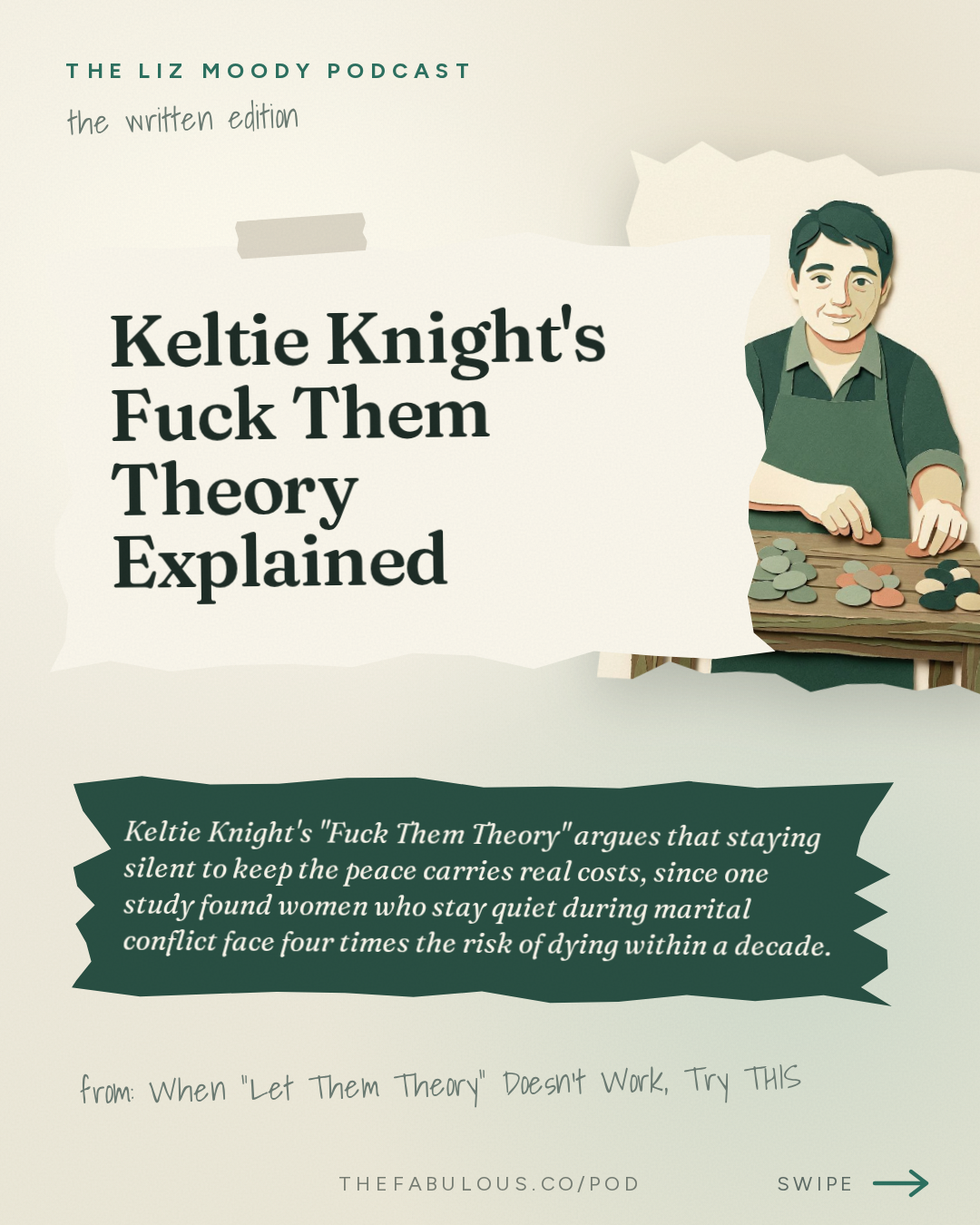
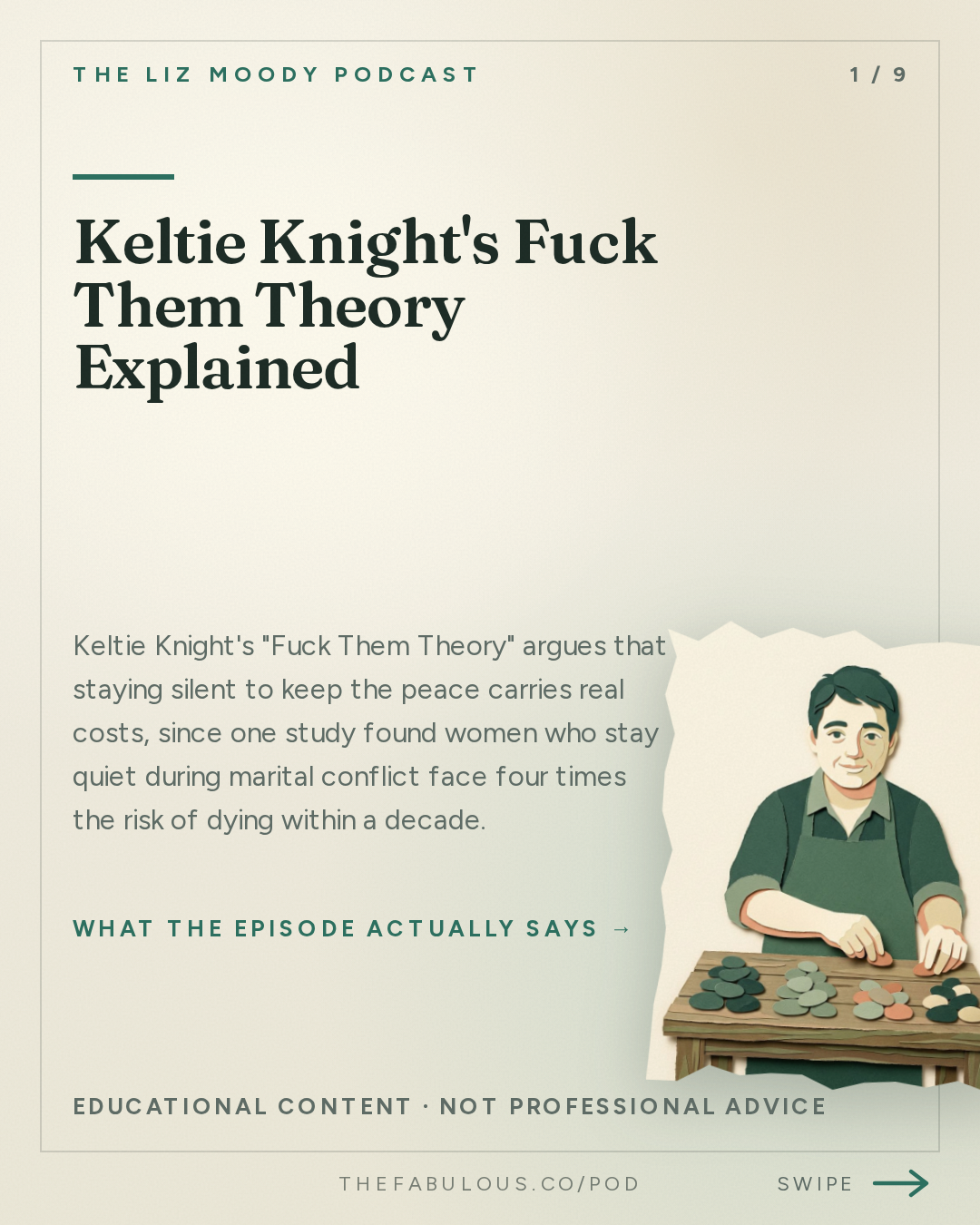
Keltie Knight's "Fuck Them Theory" argues that staying silent to keep the peace carries real costs, since one study found women who stay quiet during marital conflict face four times the risk of dying within a decade. Her fix: sort friends into four honest categories, set hard financial boundaries, and practice saying the uncomfortable thing out loud.
A single statistic frames everything that follows in this conversation: women who stay silent during conflict with a spouse carry four times the risk of dying over the next decade (00:52). Host Liz Moody drops that number almost in passing, but it is the argument underneath the whole episode. Staying quiet to keep the peace is not a neutral choice. It has a body count.
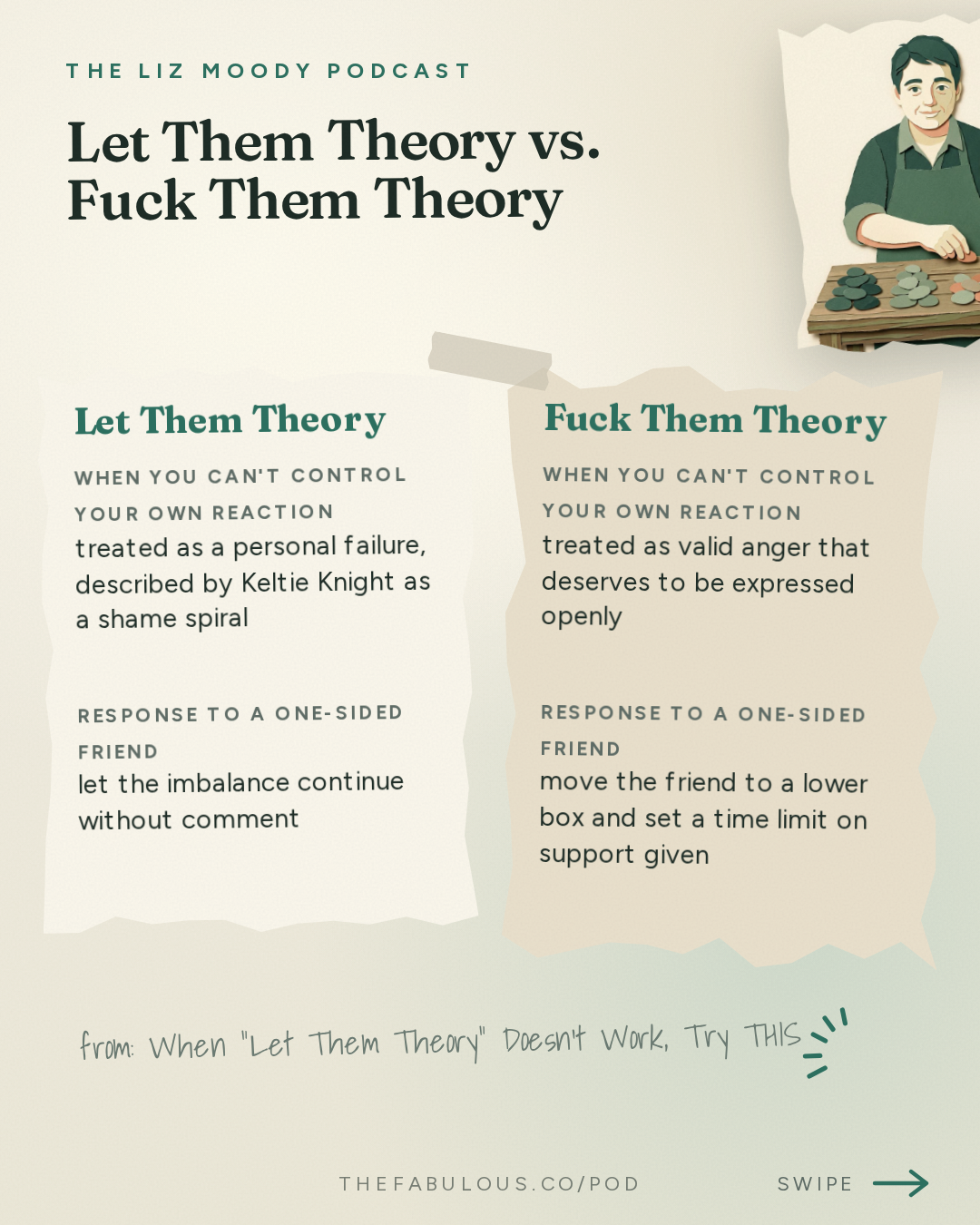
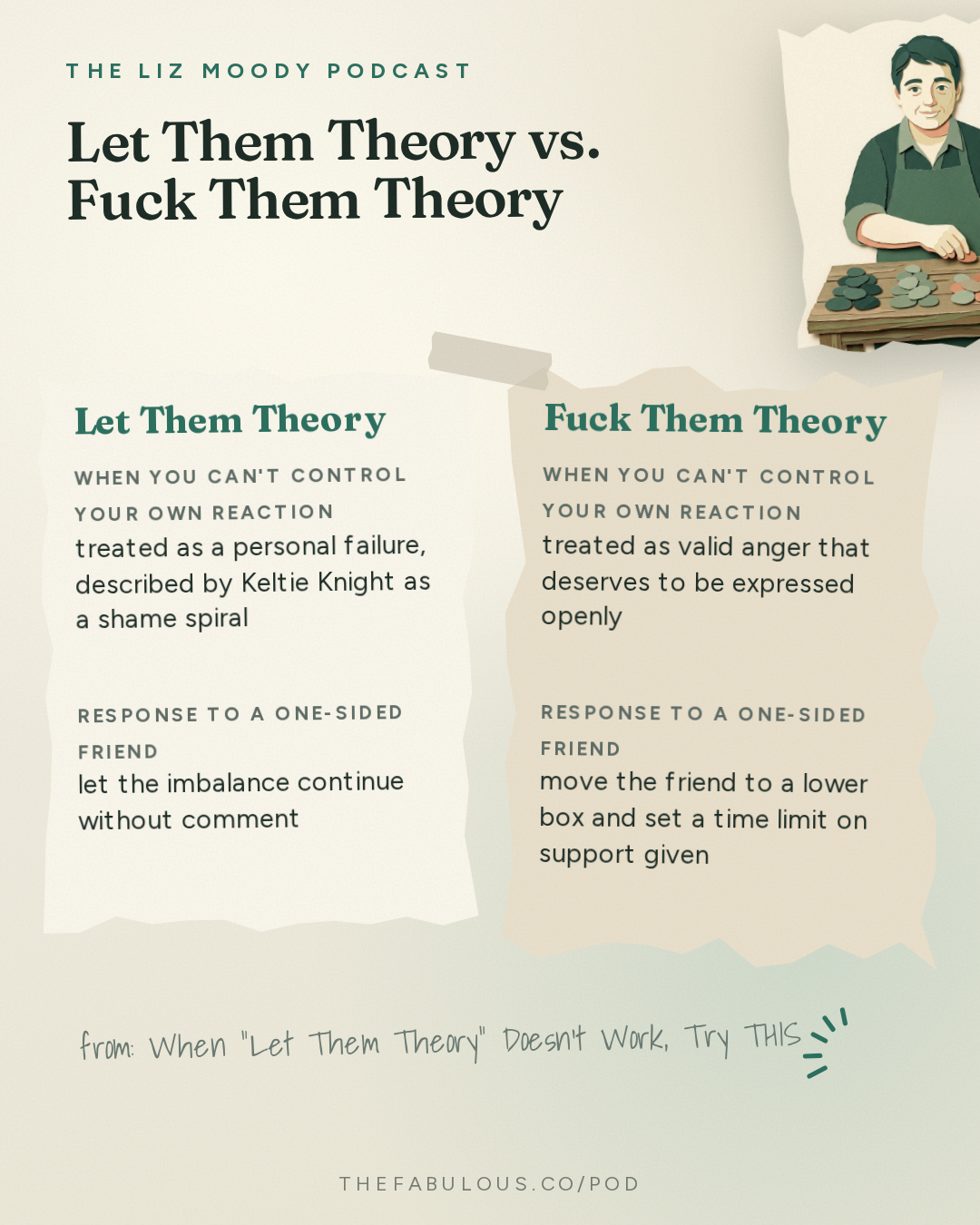
Keltie Knight is a three-time Emmy winner, the lead host at E!, co-host of the LadyGang podcast, and a former Rockette who once danced behind Taylor Swift at the 2009 VMAs (01:14). Her new book, The Fuck Them Theory, is written as an answer to the popular Let Them Theory, the idea that says: let other people do what they are going to do, and focus only on what is inside your control. Knight says that framework quietly rebuilds the same trap it claims to dismantle. If she still feels hurt or angry after "letting them," the theory implies the failure is hers.
"I think that when I read the let them, let me, it felt like it was still a shame spiral when I couldn't control those emotions." (11:15), Keltie Knight
Her alternative is messier on purpose. Instead of managing her own reaction in silence, she argues for saying the hard thing out loud, even when it is unflattering. The book grew out of a specific collapse: a year in which her TV job felt shaky, her marriage was strained, and she realized she had spent years performing a flawless, agreeable version of herself to cover up normal human mess (02:57). The relief, she says, came not from fixing herself but from admitting the mess to the people around her.
The Box Theory of Friendship
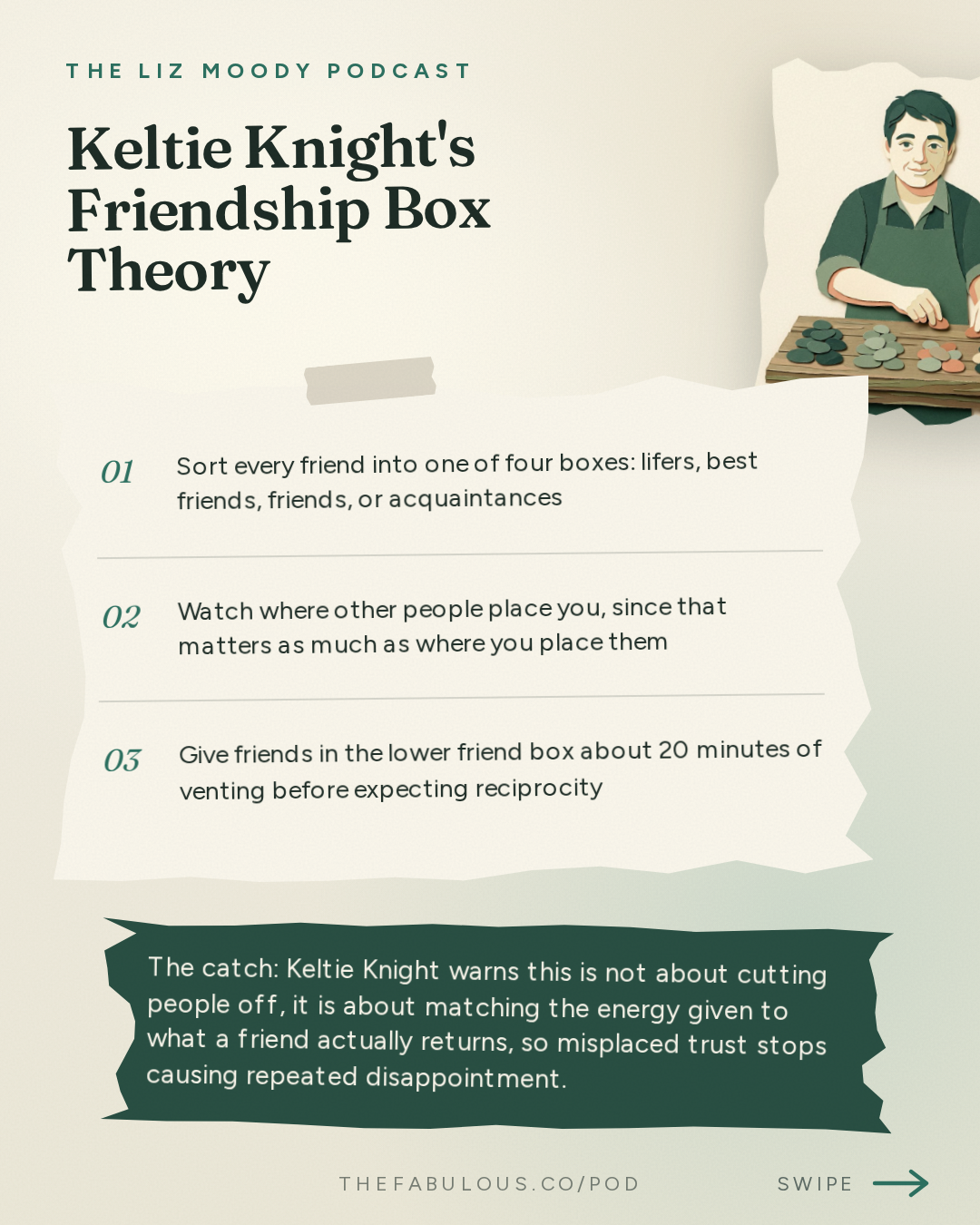
The clearest tool in the book is what Knight calls box theory. She sorts friends into four categories: lifers, who would "bury the body" for her; best friends, who may rotate in and out depending on life stage; friends, who are warm but not load-bearing; and acquaintances (04:31). Her mistake, she says, was giving acquaintance-level people lifer-level trust, then feeling betrayed when they behaved like acquaintances. The fix is not cynicism. It is accuracy about who actually shows up.
She applies this to a listener's question about a friend who vents constantly but disappears when the listener needs support. Knight's advice is specific: that friend gets moved down a box, and a demoted friend only gets about twenty minutes of listening before the conversation has to become mutual (10:08). Rather than quietly resenting the imbalance, she recommends naming it directly, using one word she picked up in therapy: curious. The script sounds like, "I'm curious why I'm such a good listener to you, but when I bring my stuff, it feels like you turn off" (11:15). The word does the work of an accusation without sounding like one.
"The let them theory makes you villainize people before they've even had a chance to explain themselves." (11:15), Keltie Knight
That line is the hinge of the whole philosophy. Letting go of a problem without ever raising it means the other person never gets the chance to say, as Knight predicts they often will, "I didn't even realize I was doing that."
Boundaries With a Price Tag, and the Price of Looking Good
The same directness shows up around money. A listener asks how to decline a bridesmaid role she cannot afford. Knight's own story involves a wedding with a mint green dress she hated and a bride who was, in her words, a former Almost Miss Georgia with high expectations (20:32). Her solution was a phone call, not an excuse: she told the bride she loved her too much to risk disappointing her, offered to show up, send flowers, and sit in the audience in a black dress, but could not commit to the full bridesmaid role (21:12). The bride, she says, was relieved rather than offended.
"Friendships will come and go, but oh my God, do not go in debt trying to be a good bridesmaid." (22:34), Keltie Knight
She is blunt about the math: she describes a hypothetical listener already forty thousand dollars in credit card debt who still feels obligated to fund a bachelorette trip (23:29). Her rule is that financial security outranks social performance, and that a bride who truly cares about the friendship will take a clear, early phone call better than a resentful, broke bridesmaid limping through the year.
Looking the part costs something too, and Knight has thought about that literally, in color. She credits a veteran Entertainment Tonight producer, Linda Bell Blue, with a rule that nothing read on camera unless it was a primary "Skittle" color, not a muted or nude tone (24:03). Knight adopted yellow as her own signature color years earlier, during a stint as a showgirl in New York, and says a memorable color functions as a kind of social tool, one that, she argues, is more available to women than to men, who mostly default to a black T-shirt (24:26). The idea connects to a broader point about simply leaving the house: she cites a figure that people now spend about forty-seven more minutes a day at home than they did ten or twenty years ago, which she thinks makes visibility, in any form, harder to pull off and more valuable when it happens (28:12).
Knight is just as direct about the machinery behind red carpet beauty. She describes six studio lights aimed from every angle during the interview itself, the same intensity multiplied for an actual red carpet (75:49). Celebrities wear thick, waterproof body makeup called Westmore Beauty to cover every scar and stretch mark (78:04), and photo agencies like Getty only release the best few images from dozens taken, because, as she puts it, "we're in the business of beautiful" (78:45). The pores, the shadows, the bad angles all exist. They are simply never published.
That same mix of performance and honesty runs through her account of choosing not to have children, a decision she traces partly to a difficult relationship with a brother who has a serious mental illness and partly to never feeling the pull toward parenthood that friends described (42:34). After a hysterectomy, done for separate health reasons, she expected no emotional fallout and then suffered a sharp, temporary grief twenty-four hours after surgery (45:56). She frames that grief as something distinct from regret: "Grief doesn't mean regret and sadness doesn't mean you were wrong. It means you're human" (46:21). The surgery also moved up her biological timeline. A total hysterectomy, which removes the uterus, fallopian tubes, and cervix but leaves the ovaries, still tends to trigger menopause roughly seven years earlier than it would have arrived naturally, because blood supply to the ovaries is disrupted (48:50). She now manages that shift with hormone replacement therapy, describing a return of energy and mood she had not felt since her twenties (49:30).
Saying the True Thing Out Loud
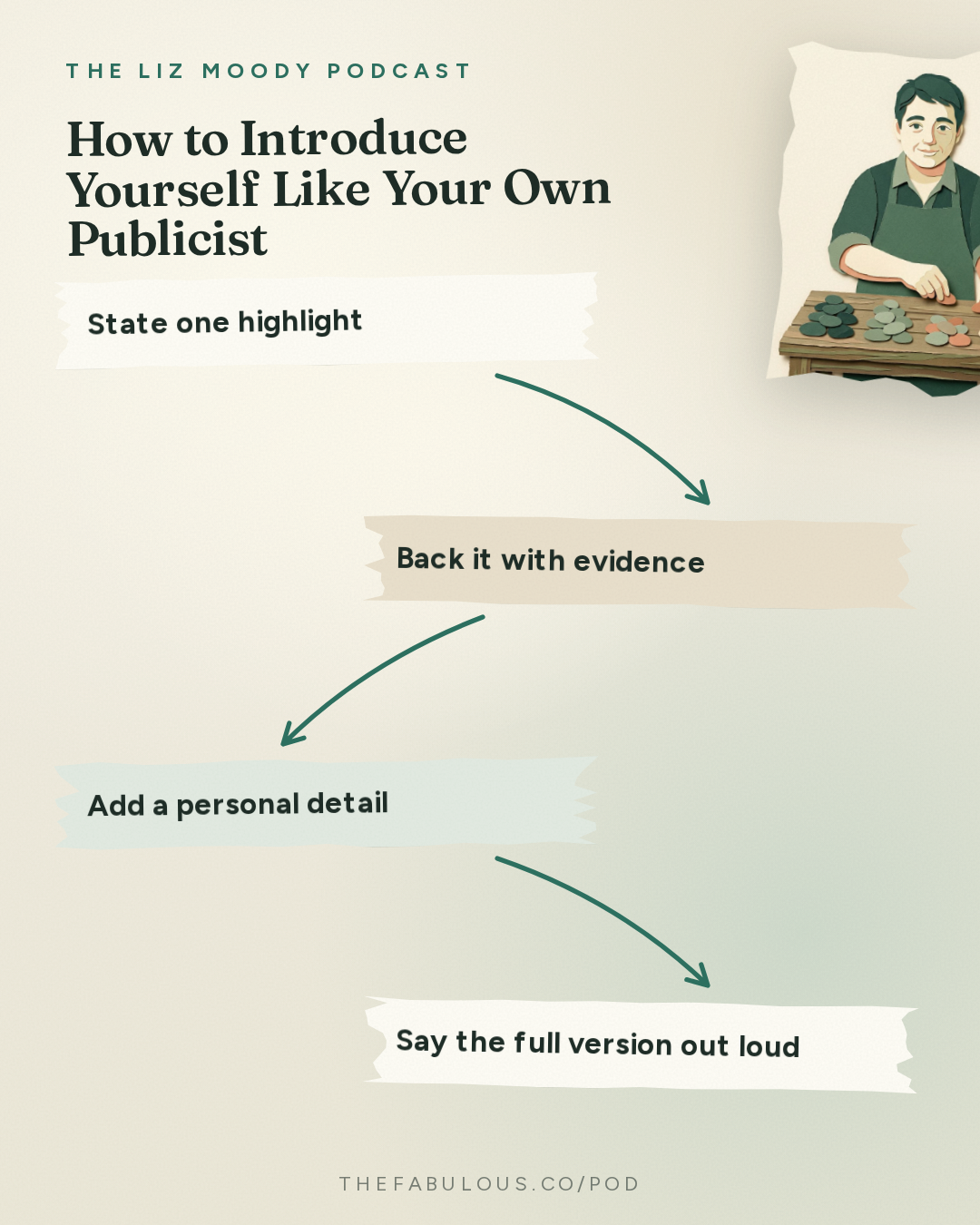
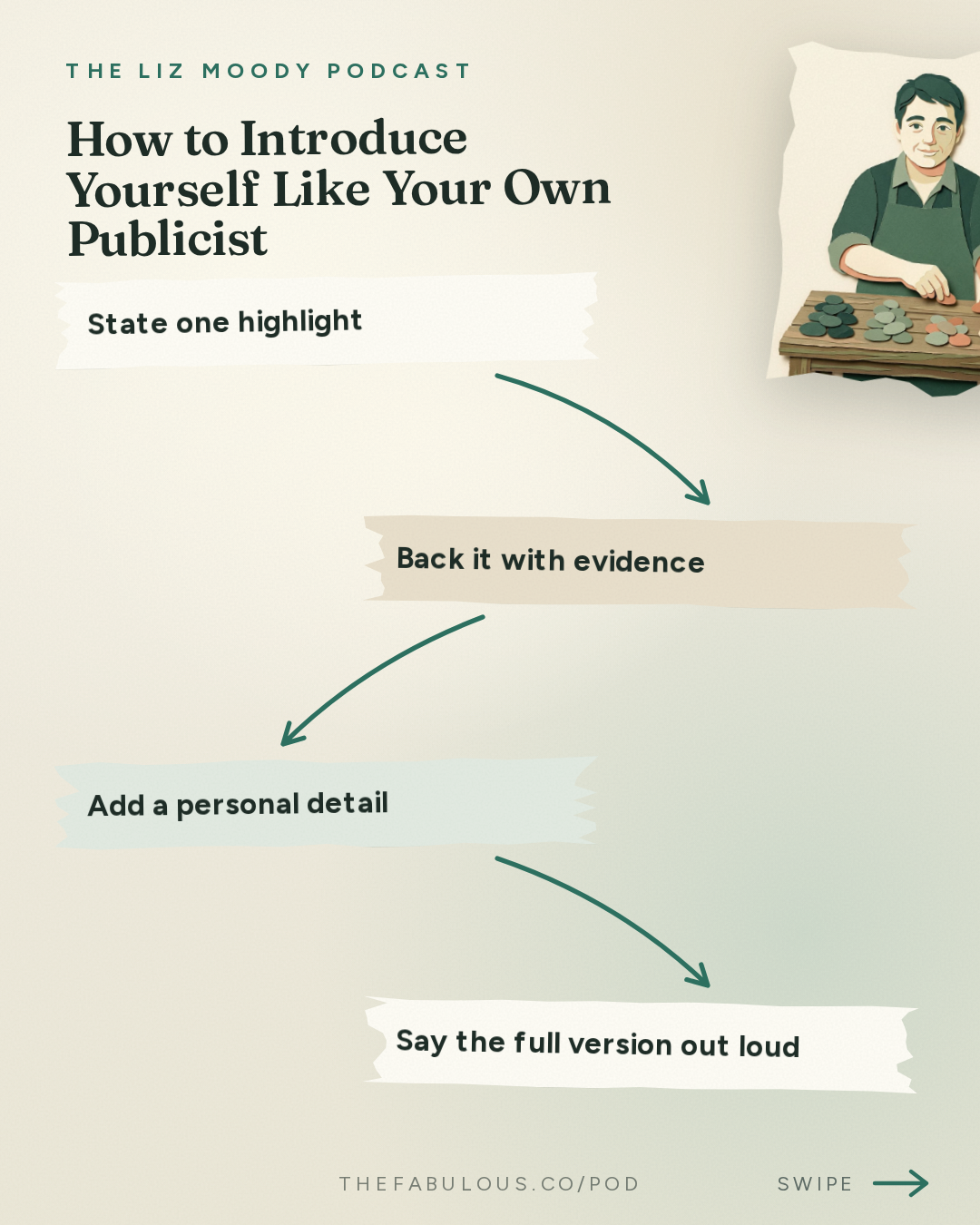
Knight's closing advice is about self-promotion, framed as a practical skill rather than vanity. She teaches a short exercise: introduce yourself the way a publicist would, with one highlight, one piece of evidence, and one personal detail, because, she argues, nobody else is going to supply that context for you (99:17). She is unapologetic about combining that kind of calculated self-presentation with genuine effort, arguing that success in a competitive field requires "a combination of strategic delusion and hard work to back it up" (81:27).
All of it loops back to the opening statistic. Knight cites research linking self-silencing in women to higher rates of IBS, inflammation, and autoimmune disease (101:23), the biological cost of swallowing things that should have been said. Her closing prescription is almost absurdly small by comparison: she suggests muting ten social media accounts that make a person feel diminished, keeping only the ones that motivate or genuinely delight (104:18). It is a modest, immediate action, but it fits her larger claim. Happiness, she says, is not a mountain with a summit. It is closer to the smell of a dog's bad breath or a gardenia finally blooming after years of trying (100:30), proof that the quiet, difficult sentence finally spoken out loud tends to matter more than the polished one that never gets said at all.
Ask this episode anything
Pod's AI answers from the episode itself, with the minute mark so you can hear it yourself.
Or start with one of these
Ask this episode
Pod's AI listens to the whole episode to answer, and points you to the minute it comes from.
The rest of this answer, and any question after it
Answers come from the episode itself, never from a summary of it.
ContinueKey takeaways
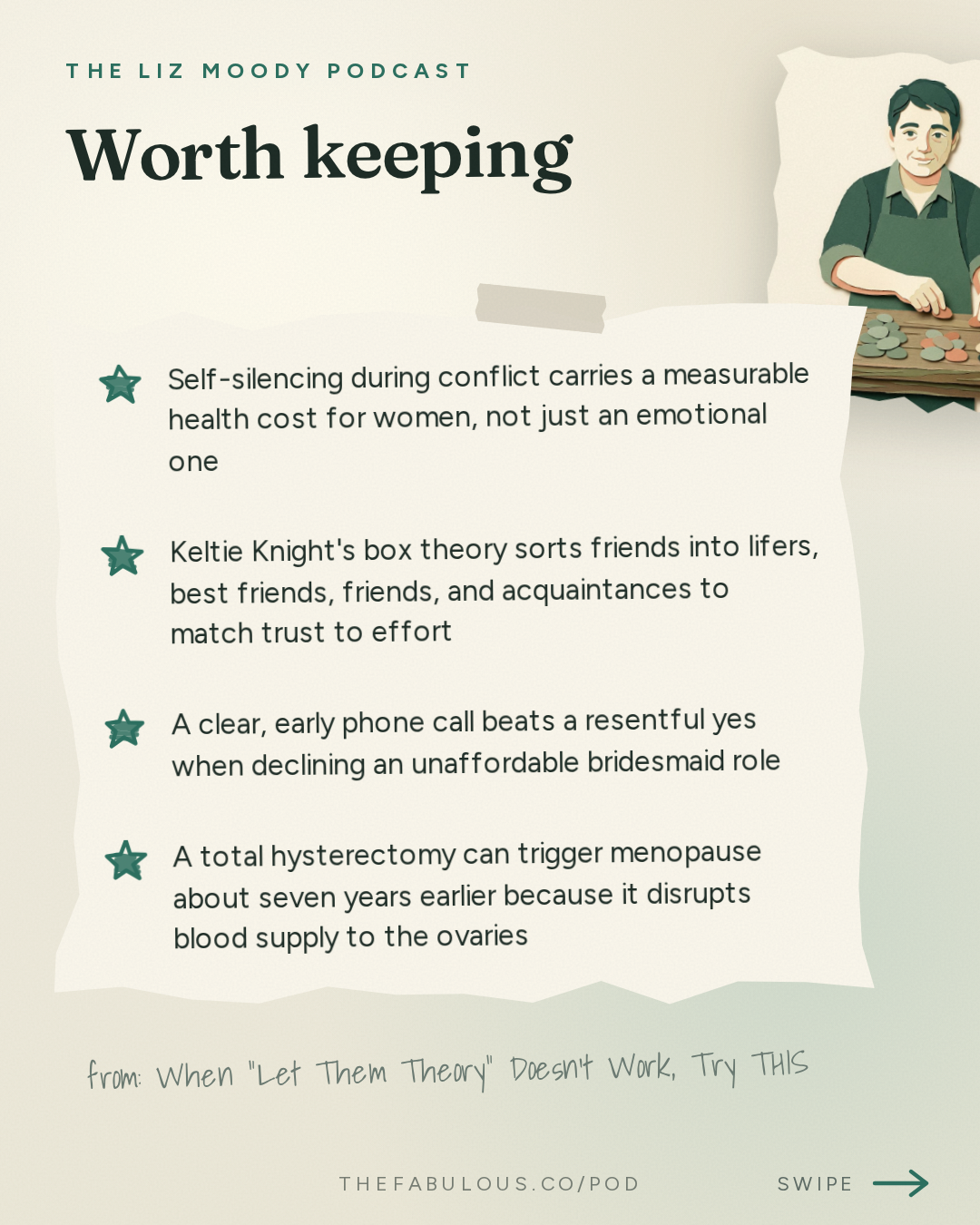
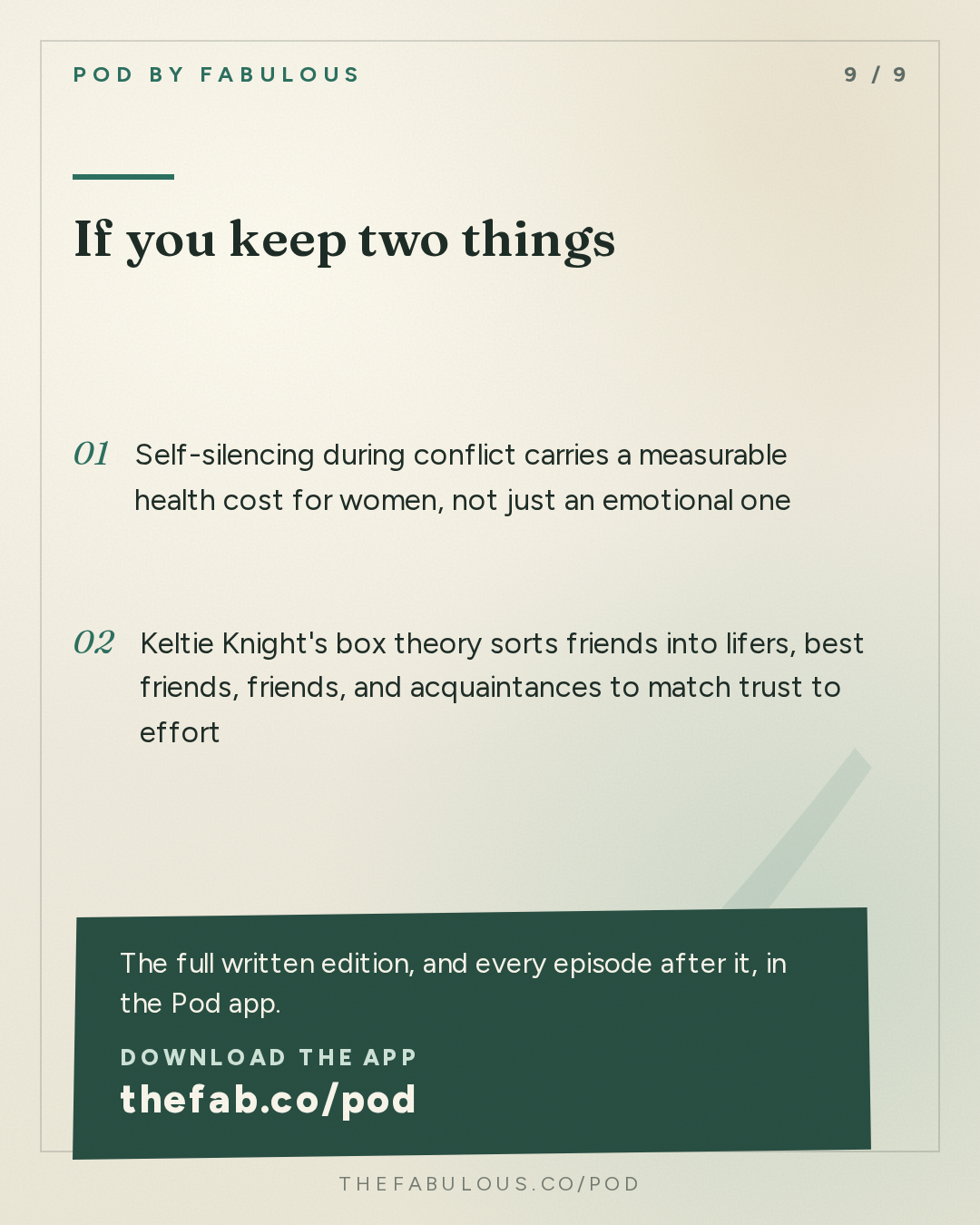
- Self-silencing during conflict carries a measurable health cost for women, not just an emotional one
- Keltie Knight's box theory sorts friends into lifers, best friends, friends, and acquaintances to match trust to effort
- A clear, early phone call beats a resentful yes when declining an unaffordable bridesmaid role
- A total hysterectomy can trigger menopause about seven years earlier because it disrupts blood supply to the ovaries
- Red carpet photos are curated from dozens of shots under six-light rigs, which hides normal skin texture and shadows
The episode in cards
By the numbers
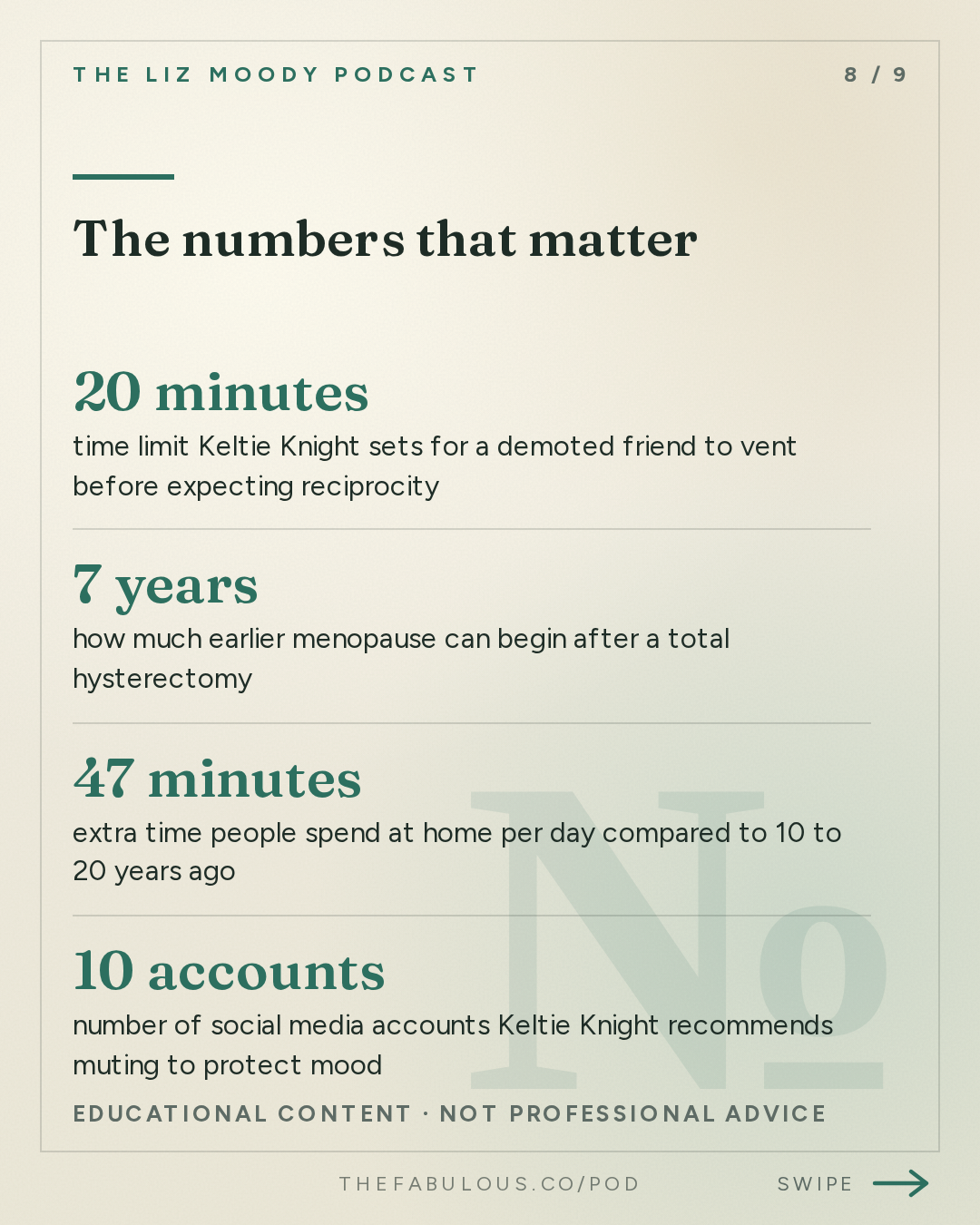
- 20 minutes time limit Keltie Knight sets for a demoted friend to vent before expecting reciprocity
- 7 years how much earlier menopause can begin after a total hysterectomy
- 47 minutes extra time people spend at home per day compared to 10 to 20 years ago
- 10 accounts number of social media accounts Keltie Knight recommends muting to protect mood
In their words
“The let them theory makes you villainize people before they've even had a chance to explain themselves.”
“Friendships will come and go, but oh my God, do not go in debt trying to be a good bridesmaid.”
“Grief doesn't mean regret and sadness doesn't mean you were wrong. It means you're human.”
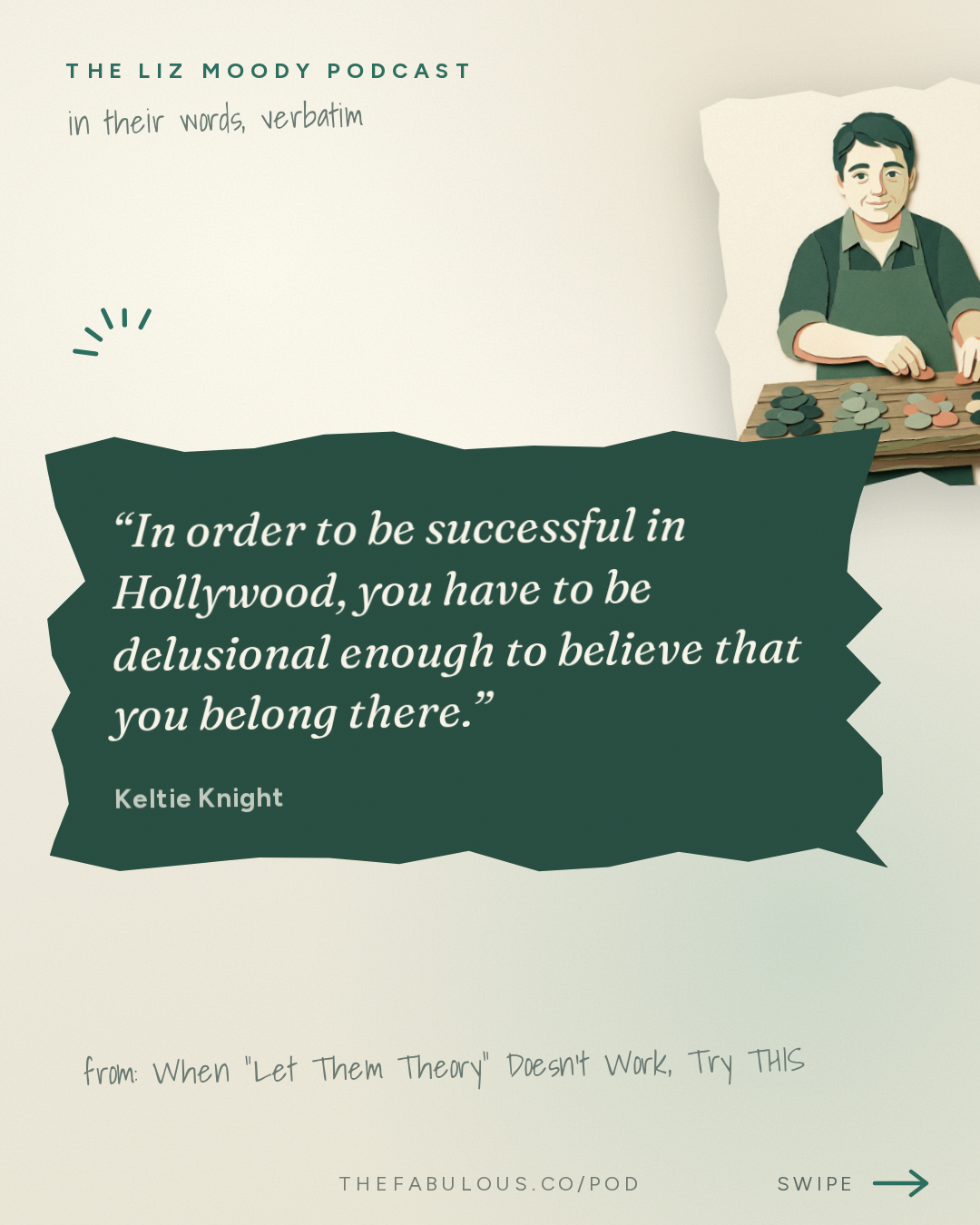
“In order to be successful in Hollywood, you have to be delusional enough to believe that you belong there.”
Protocols
-
Sort friends into four honest boxes
Keltie Knight places every friend into one of four categories: lifers who would bury the body for her, best friends who may rotate depending on life stage, regular friends, and acquaintances. She checks who actually shows up and who defends her in rooms she is not in, rather than placing people by how close she wishes they were.
ongoing, revisited whenever a friendship feels imbalanced
-
Use the word curious to raise a one-sided dynamic
Keltie Knight recommends opening a hard conversation with a line like, I'm curious why I'm such a good listener when you don't return it. She says the word removes the accusatory edge so the other person can explain themselves instead of becoming defensive.
as needed, when a friend keeps taking more support than they give
-
Decline a bridesmaid role by naming the real concern
Keltie Knight tells a bride directly that she does not want to disappoint her by overcommitting, offers to attend, send flowers, and support from the audience, and states plainly that she cannot afford the full bridesmaid costs.
once, as early as possible after an invitation
-
Build a short self-introduction with a highlight, evidence, and a personality note
Keltie Knight has people state one professional highlight, one piece of evidence that supports it, and one personal detail, so a new contact has something concrete to remember and repeat.
whenever meeting someone new professionally
Questions this episode answers
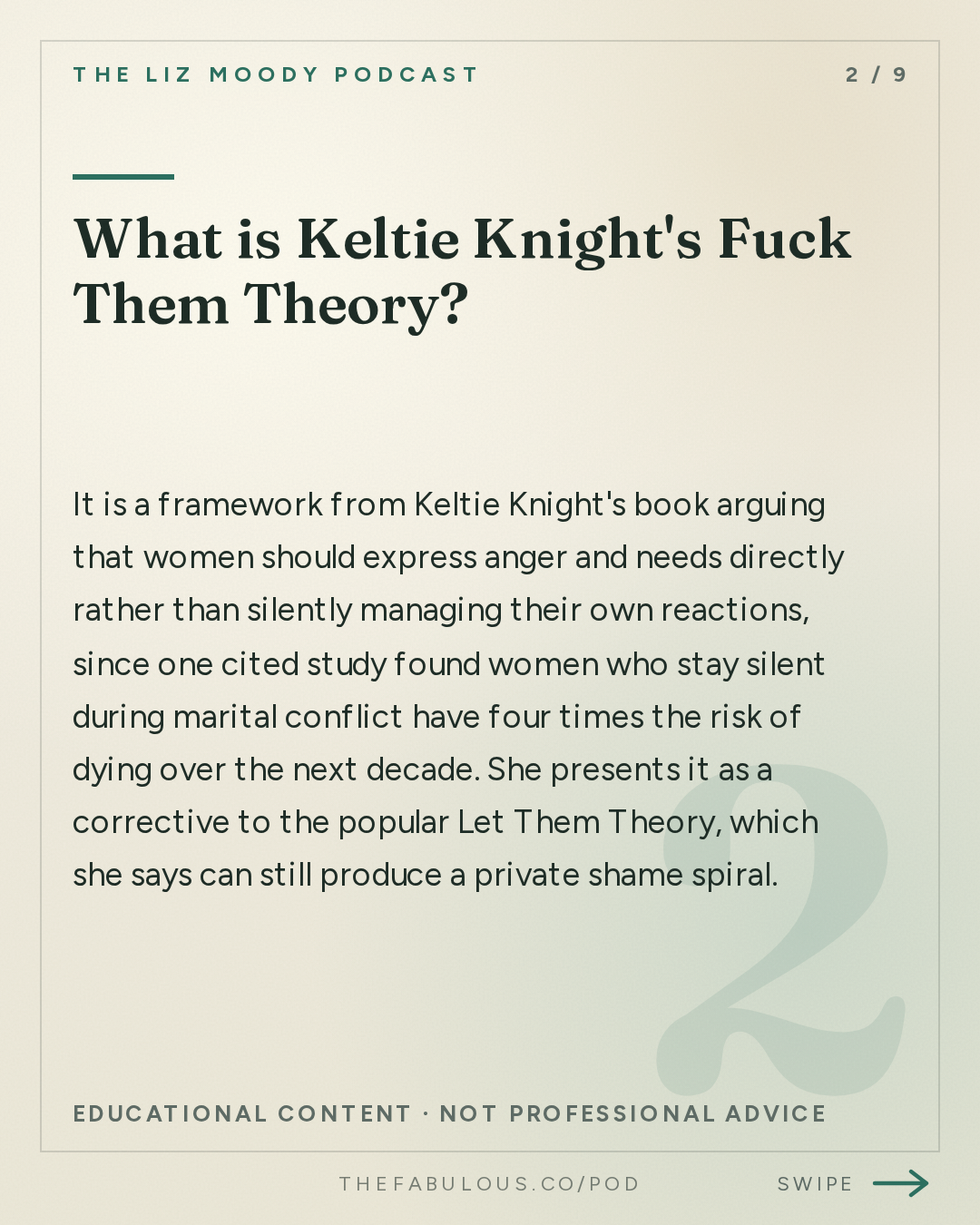
What is Keltie Knight's Fuck Them Theory?
It is a framework from Keltie Knight's book arguing that women should express anger and needs directly rather than silently managing their own reactions, since one cited study found women who stay silent during marital conflict have four times the risk of dying over the next decade (00:52). She presents it as a corrective to the popular Let Them Theory, which she says can still produce a private shame spiral (11:54).
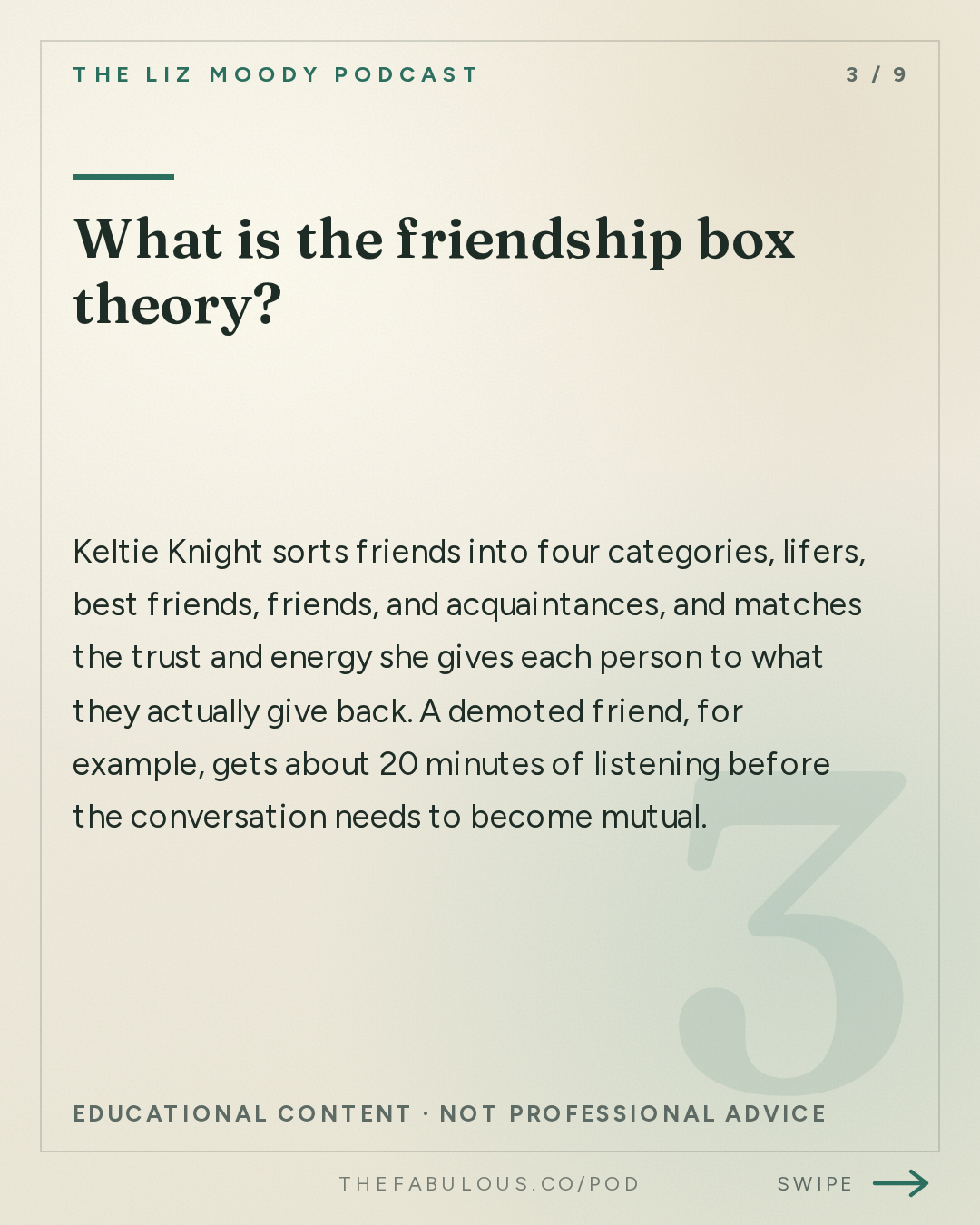
What is the friendship box theory?
Keltie Knight sorts friends into four categories, lifers, best friends, friends, and acquaintances, and matches the trust and energy she gives each person to what they actually give back (04:31). A demoted friend, for example, gets about 20 minutes of listening before the conversation needs to become mutual (10:08).
How do you decline being a bridesmaid without ruining the friendship?
Keltie Knight recommends calling the bride directly, framing the decision around not wanting to disappoint her rather than around money, and offering a scaled-down role like attending, sending flowers, and sitting in the audience (21:12). She argues financial security matters more than performing the full bridesmaid role and cites an example of someone $40,000 in credit card debt before the costs even hit (23:29).
Does a hysterectomy cause early menopause?
A total hysterectomy removes the uterus, fallopian tubes, and cervix but typically leaves the ovaries, and it can still trigger menopause roughly seven years earlier than it would have occurred naturally because the surgery disrupts blood supply to the ovaries (48:50). Keltie Knight manages this with hormone replacement therapy after her own procedure (49:12).
How do you introduce yourself like your own publicist?
Keltie Knight teaches a short formula: state one professional highlight, back it with a concrete piece of evidence, and add a personal detail so people have something to remember (99:17). She argues most people understate their accomplishments and that nobody else will supply that context in a room unless it is stated directly (98:38).
The full read, in cards
Go deeper
- The Fuck Them Theory — Keltie Knight's book arguing for direct expression over silent self-management, built from her own collapse and recovery
- Study on marital silence and mortality risk — Cited finding that women who stay silent during spousal conflict have four times the risk of dying over the next decade
- Research on self-silencing and disease — Cited finding linking self-silencing in women to higher rates of IBS, inflammation, and autoimmune disease
Mentioned
Keltie Knight · The Fuck Them Theory · Taylor Swift · Sharon Stone · Dolly Parton · Reese Witherspoon · LadyGang · E! · Adderall · Prozac
More from this show and category
Young Pueblo on How to Find Inner Peace Today
Meditation teacher and author Diego Perez, known as Young Pueblo, argues that inner peace is a trained skill, not a lucky mood, built through slowing down, loving kindness practice, and treating change as the one constant worth befriending (47:23, 51:59).
The Science of Getting the Ick, Explained
The ick is often a disgust alarm misfiring rather than reliable intuition, shaped by attachment style, perfectionism, stress, and dating app abundance. Liz Moody's six-question audit and research from the Gottmans suggest love filters out minor annoyances, while moral icks, like rudeness to strangers, are the ones worth trusting.
Sun Exposure Science: Rowan Jacobsen Interview
Outdoor workers face lower melanoma death rates than indoor workers, a finding that upends decades of sun-avoidance advice. Science journalist Rowan Jacobsen argues that sunlight lowers blood pressure, calms the immune system, and treats depression, while vitamin D pills fail to match those benefits, so moderate daily exposure may do more good than harm for most skin types.
Ellen Vora: Heal Gut, Hormones, Anxiety
Psychiatrist Ellen Vora says gut, hormone, and anxiety struggles often trace back to suppressed truth, estrogen dominance, and mistaking fear for intuition. She offers concrete fixes: daily bowel habits and magnesium glycinate for hormone balance, and a simple tone-test (intuition is quiet, fear is loud) for telling real guidance from anxious noise.
